- 0086-571-85302990
- [email protected]




What is the best astaxanthin for antioxidant protection?
2026-08-18
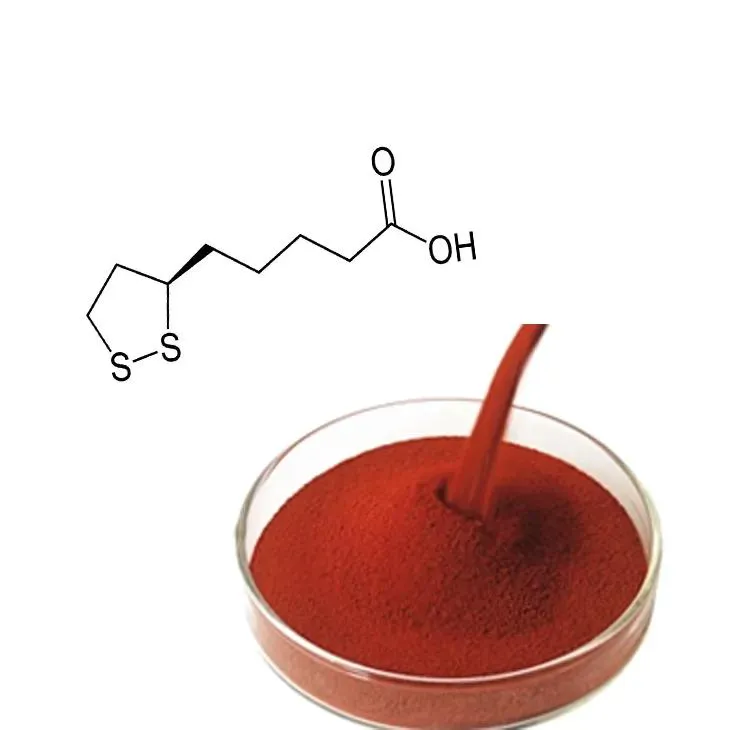
Astaxanthin has earned a reputation as one of the most powerful natural antioxidants known to science. Found naturally in microalgae, it is the pigment that gives salmon its pink flesh, flamingos their rosy feathers, and shrimp their reddish color. Behind this vivid hue lies a molecule with remarkable protective power. If you are looking for the best astaxanthin for antioxidant protection, understanding what makes this nutrient special — and how to choose a high-quality source — is the first step.
What makes Astaxanthin such a powerful antioxidant?
Astaxanthin belongs to a family of plant pigments called carotenoids, the same family that includes beta-carotene and Lycopene. What sets it apart is its molecular structure. Unlike most antioxidants that work only in one part of the cell, astaxanthin spans the entire lipid bilayer of the cell membrane. This unique positioning allows it to neutralize free radicals from the inside out, protecting both the water-soluble and fat-soluble parts of the cell at the same time.
Because it is fat-soluble, astaxanthin concentrates in cell membranes, where oxidative damage often begins. Research has repeatedly described it as one of the most potent natural antioxidants, with studies reporting antioxidant activity far greater than that of vitamin E and beta-carotene. This is why astaxanthin is so widely studied for protecting the eyes, skin, and cardiovascular system.
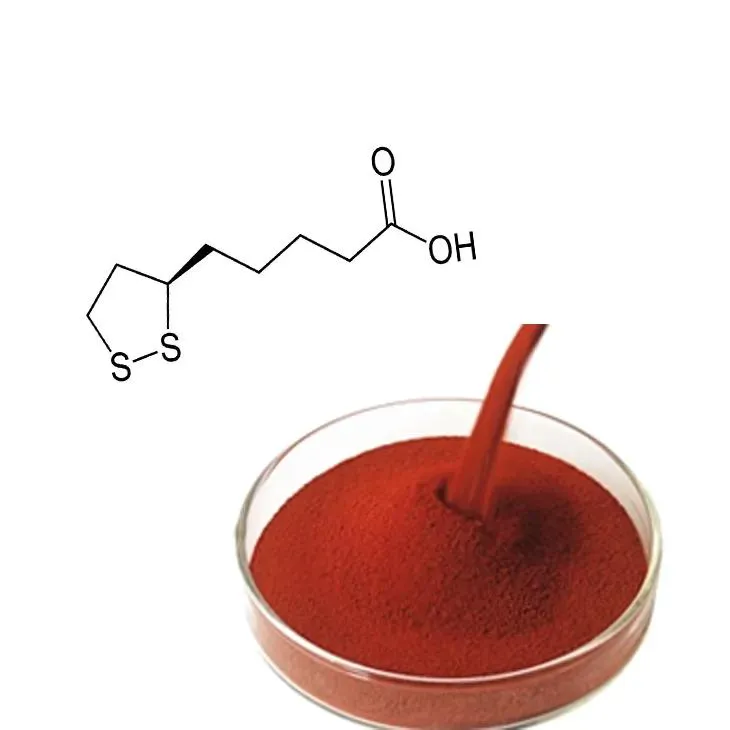
Natural vs. synthetic: which form is best?
When comparing astaxanthin options, the first and most important distinction is natural versus synthetic.
Natural astaxanthin is produced by the microalga Haematococcus pluvialis. When the alga is exposed to environmental stress, it synthesizes astaxanthin as a protective shield. This natural form exists mainly as the 3S,3'S stereoisomer — the form that fits perfectly into human cell membranes and is most biologically active.
Synthetic astaxanthin, by contrast, is manufactured from petrochemicals and contains a mixture of stereoisomers, some of which are not found in nature. Because these molecules do not fit into cell membranes as effectively, synthetic astaxanthin is generally considered less effective for human nutrition. In fact, most synthetic astaxanthin produced worldwide is used to color fish feed in aquaculture rather than for human supplements.
For anyone seeking antioxidant protection, natural astaxanthin derived from Haematococcus pluvialis is widely regarded as the better choice.
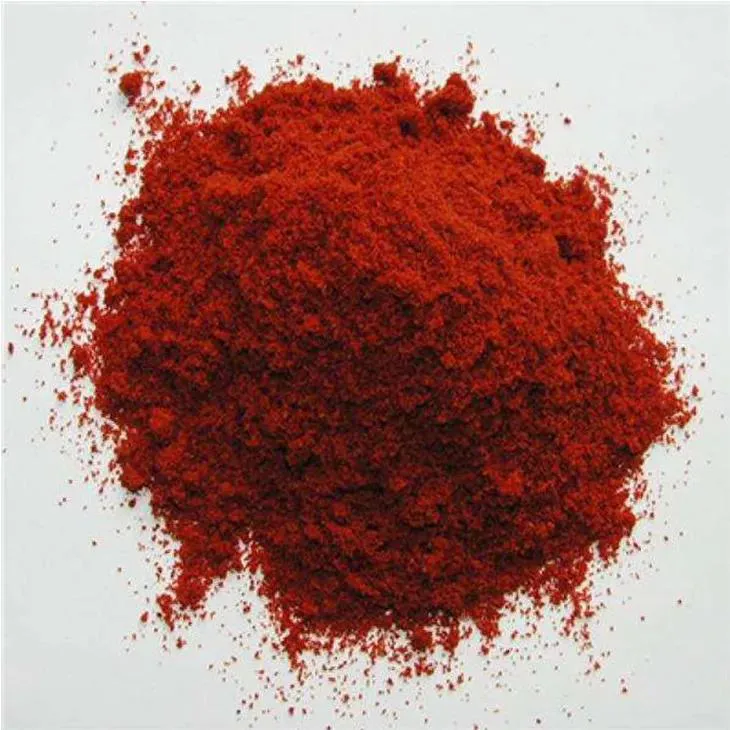
What to look for in the best astaxanthin
Whether you are a formulator, a brand owner, or an end consumer, keep these criteria in mind when evaluating astaxanthin:
1. Source and purity. Look for astaxanthin derived from Haematococcus pluvialis with clearly stated purity and assay. High-quality extracts are standardized and tested for heavy metals, residual solvents, and microbial contamination.
2. Natural origin. Confirm that the product is natural rather than synthetic. Natural astaxanthin offers superior bioactivity and a better-established safety profile for human use.
3. Manufacturing standards. Choose suppliers that operate certified facilities. Certifications such as ISO22000, ISO9001, HALAL, and Kosher indicate rigorous quality control from raw material to finished product.
4. Traceability and documentation. A reliable supplier should provide certificates of analysis, stability data, and export documentation to support regulatory submissions in your target markets.
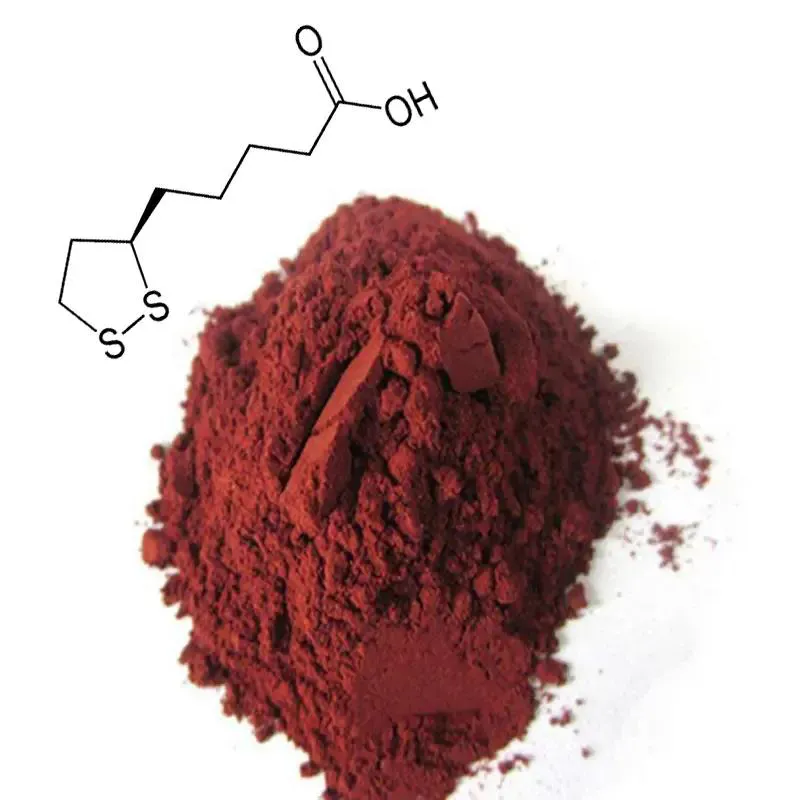
Key health benefits of astaxanthin
The antioxidant power of astaxanthin translates into a range of health benefits that have been extensively studied:
Eye health. Astaxanthin helps protect the retina from oxidative stress and supports visual comfort during prolonged screen use.
Skin protection. By neutralizing free radicals generated by UV exposure, astaxanthin supports skin elasticity and helps reduce visible signs of aging.
Cardiovascular support. Its antioxidant and anti-inflammatory properties help protect blood vessels and support healthy circulation.
Immune support. Astaxanthin helps modulate the immune response and supports the body's natural defenses against daily oxidative challenges.
Why source astaxanthin from a reliable manufacturer
For businesses in the nutraceutical, cosmetic, and food industries, the quality of the astaxanthin raw material directly affects the quality of the final product. Working with an experienced astaxanthin manufacturer ensures consistent quality, reliable supply, and complete documentation.
Greensky is a professional manufacturer of natural plant extracts with more than 20 years of experience. The company operates a vertically integrated production chain — from research and development to production and sales — and its independent laboratory is equipped with GC, HPLC, and UV instruments for rigorous quality testing. Its 100,000-class clean production area meets food-grade requirements, and the company holds certifications including ISO22000, BRCGS, ISO9001, HALAL, and Kosher.
Conclusion
The best astaxanthin for antioxidant protection is natural astaxanthin derived from Haematococcus pluvialis, produced under strict quality standards and backed by reliable documentation. Whether you are formulating a supplement or looking for a trusted raw material partner, choosing the right astaxanthin source makes all the difference. If you are ready to source high-quality material, contact a reputable astaxanthin supplier to discuss your requirements.
TAGS:
- ▶ Hesperidin
- ▶ Citrus Bioflavonoids
- ▶ Plant Extract
- ▶ lycopene
- ▶ Diosmin
- ▶ Grape seed extract
- ▶ Sea buckthorn Juice Powder
- ▶ Fruit Juice Powder
- ▶ Hops Extract
- ▶ Artichoke Extract
- ▶ Mushroom extract
- ▶ Astaxanthin
- ▶ Green Tea Extract
- ▶ Curcumin
- ▶ Horse Chestnut Extract
- ▶ Other Product
- ▶ Boswellia Serrata Extract
- ▶ Resveratrol
- ▶ Marigold Extract
- ▶ Grape Leaf Extract
- ▶ New Product
- ▶ Aminolevulinic acid
- ▶ Cranberry Extract
- ▶ Red Yeast Rice
- ▶ Red Wine Extract
- ▶ blog
-
Rosemary extract
2026-08-18
-
Marigold Extract
2026-08-18
-
Lemon Balm Extract
2026-08-18
-
Apricot Powder
2026-08-18
-
Bayberry Extract
2026-08-18
-
Boswellia Serrata Extract
2026-08-18
-
Chasteberry Extract
2026-08-18
-
Berberis aristata Extract
2026-08-18
-
Mangosteen extract powder
2026-08-18
-
Milk Thistle Extract
2026-08-18