- 0086-571-85302990
- [email protected]





Rosemary extract
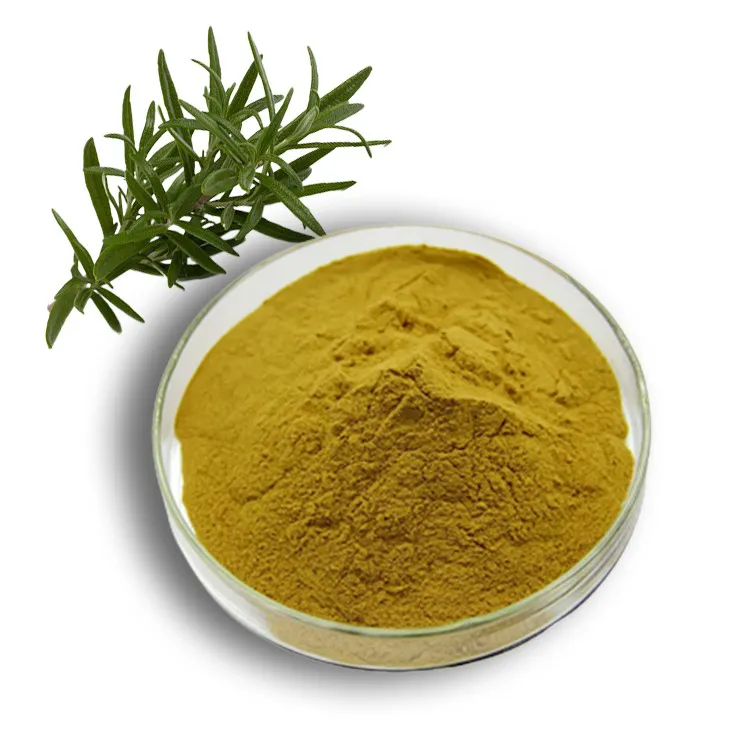
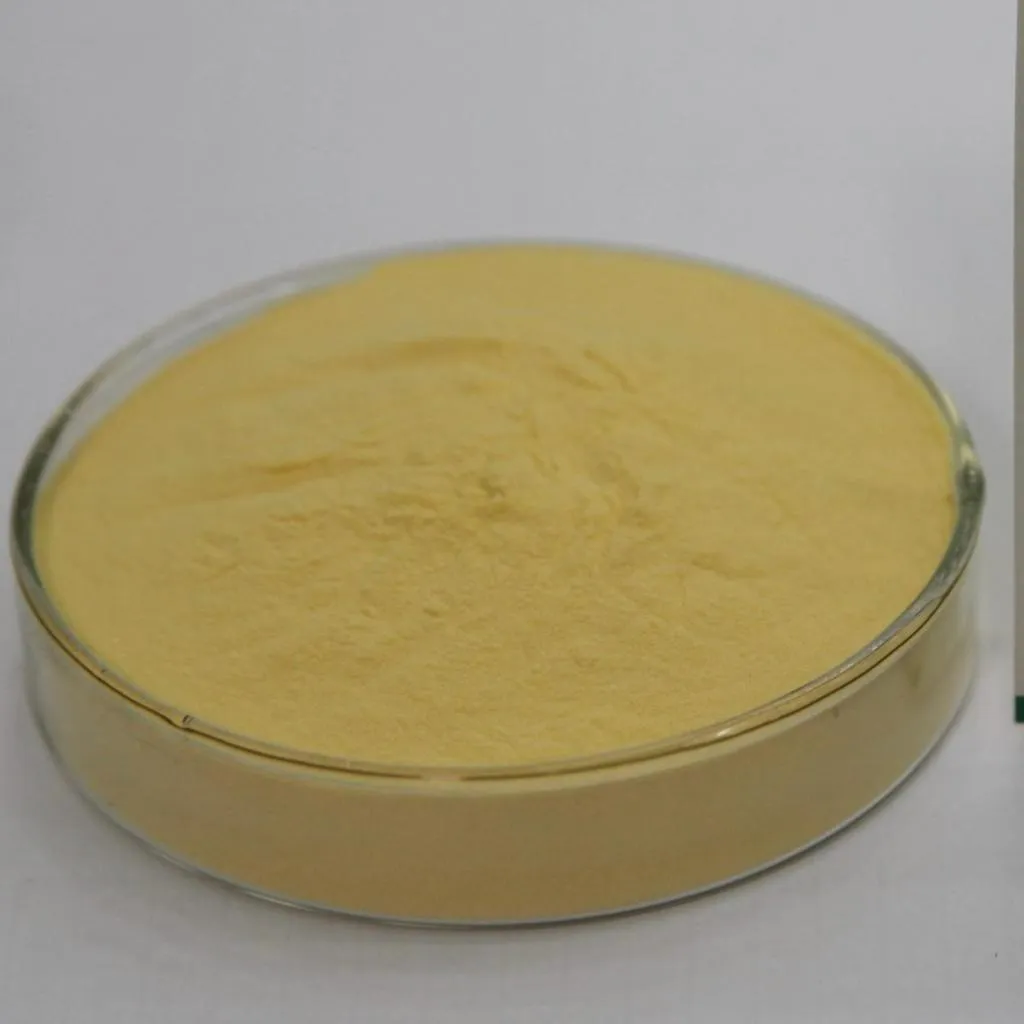
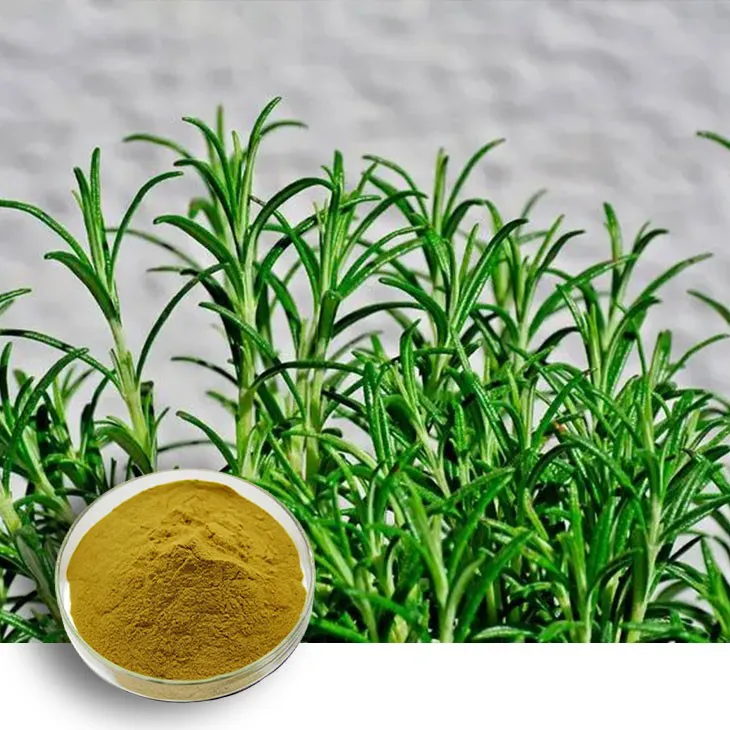
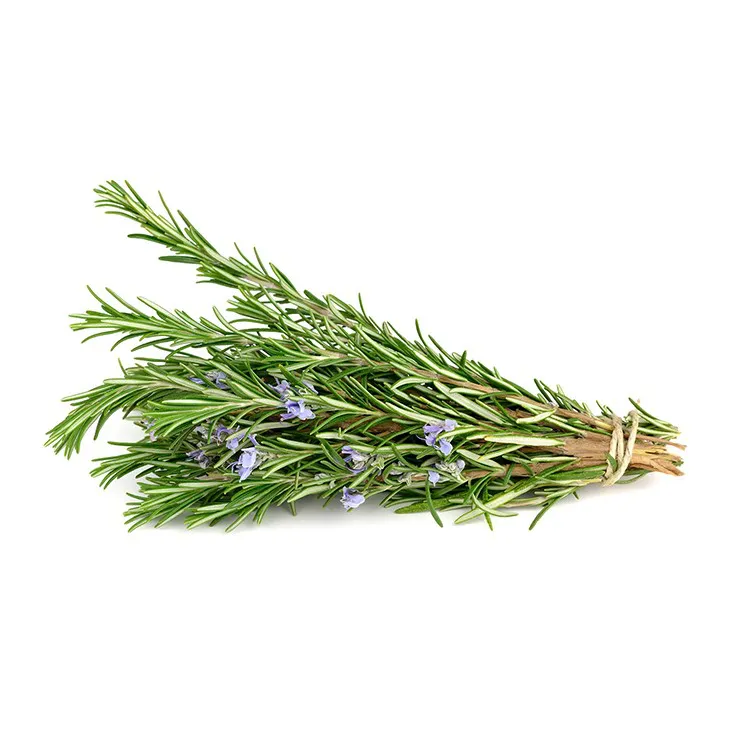
What Is Rosemary extract?
Rosemary extract is a concentrated botanical preparation derived from the leaves of Rosmarinus officinalis (recently reclassified as Salvia rosmarinus), a Mediterranean evergreen shrub in the Lamiaceae family. Unlike dried rosemary used in culinary applications, Rosemary extract concentrates the plant's most valuable bioactive compounds — primarily diterpenes and phenolic acids — to create a potent natural antioxidant ingredient.
The global rosemary extract market is valued at approximately USD 200-220 million (2024) and is growing at 6-7% CAGR, driven by the clean-label movement, consumer demand for natural preservatives, and regulatory support for replacing synthetic antioxidants.
Key Bioactive Compounds
Rosemary extract's antioxidant activity comes from several compound classes:
Compound Class Primary Function Typical Content in Standardized Extract Carnosic acid Diterpene phenol Primary lipophilic antioxidant; radical scavenging 5-25% (standardized) Carnosol Diterpene lactone Secondary antioxidant; oxidation product of carnosic acid 2-10% Rosmarinic acid Phenolic acid Hydrophilic antioxidant; anti-inflammatory 1-5% Ursolic acid Triterpene Skin health, antimicrobial 1-3% Rosmanol Diterpene Antioxidant; conversion product Trace Essential oils (1,8-cineole, camphor, α-pinene) Volatile terpenes Aroma, antimicrobial 0-2% (depending on processing)
Rosemary Extract vs. Rosemary Essential Oil vs. Dried Rosemary
Parameter Dried Rosemary Rosemary Essential Oil Rosemary Extract Active compounds 1-2% total phenolics Volatile terpenes only 5-50% diterpenes + phenolic acids Primary use Culinary, herbal tea Aromatherapy, fragrance Antioxidant, preservative, supplement Antioxidant strength Low Low (volatile compounds) Very high (concentrated diterpenes) Form Dried leaves Clear to pale yellow liquid Powder or viscous liquid Regulatory status Food (herb/spice) Fragrance, flavoring Food additive (E392 in EU), supplement ingredient Shelf-life extension Minimal Minimal Significant (validated)
Extraction Methods
Supercritical CO₂ Extraction (Premium Grade)
Supercritical CO₂ is the gold standard for rosemary extract production, particularly for food and supplement applications:
Process Flow:
Raw material preparation — Dried rosemary leaves are milled and loaded into extraction vessel
CO₂ extraction — Supercritical CO₂ (30-40 MPa, 40-60°C) extracts lipophilic compounds (carnosic acid, carnosol, essential oils)
Fractionation — Pressure/temperature adjustment separates essential oil fraction from antioxidant-rich fraction
Concentration — CO₂ is depressurized and recycled; antioxidant concentrate remains
Standardization — Extract is standardized to target carnosic acid content using carrier oils or maltodextrin
Advantages:
No solvent residues — ideal for clean-label and organic applications
Selective extraction — can target specific compound fractions
Low temperature — preserves heat-sensitive compounds
GRAS-listed process — accepted by FDA and major food safety authorities
Typical yield: 8-15% extract from dried rosemary leaves
Solvent Extraction (Cost-Effective)
Ethanol or ethanol-water extraction is widely used for large-scale production:
Process Flow:
Extraction — Dried rosemary leaves extracted with ethanol (70-96%) at 40-60°C
Filtration — Plant material removed
Concentration — Ethanol recovered via vacuum evaporation
Purification — Activated carbon or resin treatment to remove chlorophyll (optional)
Spray drying — Concentrate spray-dried with carrier (maltodextrin) to produce powder
Advantages:
Lower capital cost vs. CO₂ equipment
Scalable to large volumes
Can extract both lipophilic and hydrophilic compounds (with water-ethanol mixtures)
Considerations:
Residual solvent testing required (USP <467>)
May require chlorophyll removal for cosmetic applications
Not always accepted for organic certification (depends on solvent and certifier)
Standardization Grades and Specifications
Common Rosemary Extract Grades
Grade Standardization Primary Application Form High-carnosic acid 20-25% carnosic acid Premium food preservation, supplements Powder or oil-soluble liquid Standard carnosic acid 5-10% carnosic acid General food preservation, cosmetics Powder (spray-dried on maltodextrin) Rosmarinic acid enriched 5-25% rosmarinic acid Dietary supplements, cosmetics Powder Full-spectrum CO₂ extract 10-15% carnosic acid + essential oils Premium supplements, natural fragrance Viscous liquid Decolorized rosemary extract 5-10% carnosic acid, chlorophyll removed Light-colored food/cosmetic formulations Powder
Quality Specification Sheet (Rosemary Extract, 10% Carnosic Acid, Powder)
Parameter Specification Test Method Carnosic acid ≥10% HPLC Carnosol 2-6% HPLC Rosmarinic acid 1-3% HPLC Loss on drying ≤5.0% USP <731> Particle size 95% through 80 mesh Sieve analysis Heavy metals Pb ≤1.0 ppm, As ≤1.0 ppm, Cd ≤0.5 ppm, Hg ≤0.1 ppm ICP-MS Pesticide residues Compliant with EU limits GC-MS/LC-MS Microbial limits TPC <1,000 CFU/g, Yeast/Mold <100 CFU/g, E. coli/Salmonella: Negative USP <61>, <62> Solvent residues Ethanol <5,000 ppm GC (USP <467>) Bulk density 0.3-0.6 g/mL USP <616> Solubility Dispersible in water (spray-dried); soluble in oil (CO₂ extract) Visual
Applications by Industry
Food Preservation (Largest Market Segment)
Rosemary extract (E392 in the EU) is one of the most effective natural antioxidants for extending food shelf life:
Food Category Mechanism Typical Usage Level Shelf-Life Extension Meat & poultry Prevents lipid oxidation in fats 500-2,000 ppm 2-3x vs. untreated Cooking oils & fats Protects unsaturated fatty acids from rancidity 100-500 ppm 2-4x vs. untreated Snack foods Prevents oxidative rancidity in fried products 100-300 ppm 30-50% longer shelf life Pet food Protects animal fats from oxidation 200-500 ppm 2-3x vs. untreated Seafood Reduces fishy odor development from lipid oxidation 200-1,000 ppm 1.5-2x vs. untreated Bakery products Extends freshness by protecting oil-containing ingredients 100-300 ppm 20-40% longer
Mechanism of Action: Carnosic acid and carnosol are phenolic diterpenes that donate hydrogen atoms to free radicals generated during lipid oxidation. They are particularly effective in fat-based systems because of their lipophilic nature, allowing them to partition into oil phases where oxidation occurs.
Clean-label advantage: Rosemary extract can replace synthetic antioxidants (BHA, BHT, TBHQ) in clean-label formulations while providing equal or superior protection.
Cosmetic and Personal Care
Application Function Typical Usage Level Anti-aging serums Antioxidant protection, anti-glycation 0.1-1.0% Moisturizers Prevents oil phase oxidation, skin soothing 0.05-0.5% Hair care Scalp health, antioxidant for oil-containing products 0.05-0.3% Sun care Antioxidant support (complements UV filters) 0.1-0.5% Deodorants Antimicrobial (rosmarinic acid) 0.1-0.5%
Key benefits for cosmetics:
Rosmarinic acid has demonstrated anti-inflammatory and soothing properties
Ursolic acid supports skin barrier function and collagen synthesis
Natural antioxidant protection for oil-containing formulations
Can replace synthetic preservatives in clean-beauty products
Dietary Supplements
Rosemary extract is used in supplements for its antioxidant and cognitive support properties:
Antioxidant supplements — Often combined with vitamin C, vitamin E, and other botanical antioxidants
Cognitive health — Rosmarinic acid has been studied for acetylcholinesterase inhibition and cognitive support
Sports nutrition — Antioxidant support for exercise-induced oxidative stress
Detoxification formulas — Supports phase II detoxification enzyme activity
Typical dosage: 100-500 mg per serving of standardized rosemary extract (5-10% carnosic acid)
Pet Food & Animal Nutrition
Rosemary extract is one of the most widely used natural preservatives in pet food:
Dry pet food (kibble) — Protects animal fat coating from rancidity during storage
Wet pet food — Extends shelf life in canned/pouched formats
Pet treats — Prevents oxidation in meat-based treats
Animal feed — Increasingly used in livestock feed as a natural antioxidant
Regulatory advantage: Rosemary extract is approved as a feed additive in the EU (Regulation 1831/2003) and is GRAS-listed in the USA for animal feed use.
Synergistic Combinations
Rosemary extract works synergistically with other antioxidants, often providing greater protection than the sum of individual components:
Combination Synergy Mechanism Application Rosemary + Tocopherols (Vitamin E) Rosemary regenerates oxidized tocopherols; tocopherols extend rosemary activity Oils, fats, meat products Rosemary + Ascorbic acid (Vitamin C) Hydrophilic (vitamin C) + lipophilic (rosemary) dual-phase protection Emulsified foods, beverages Rosemary + Citric acid Citric acid chelates pro-oxidant metals; rosemary scavenges free radicals Meat, oils, beverages Rosemary + Green Tea Extract Combined phenolic compounds with different oxidation potentials Supplements, functional foods Rosemary + Oregano extract Dual antimicrobial + antioxidant action Pet food, snack preservation
Regulatory Status
Region Status Notes USA (FDA) GRAS for food use (21 CFR 182.10); dietary supplement ingredient E392 designation for food additive use EU (EFSA) Approved food additive E392; feed additive approved Maximum usage levels specified by food category China (NHC) Approved as food ingredient and natural antioxidant GB 2760 listed Japan (MHLW) Approved as food ingredient; designated additive Australia (FSANZ) Approved food additive; listed therapeutic ingredient
Sourcing Considerations for B2B Buyers
Origin and Quality Factors
Major rosemary growing regions include:
Spain — Largest European producer; high carnosic acid content due to Mediterranean climate
Morocco/Tunisia — Competitive pricing; growing organic production
China — Large-scale cultivation; cost-competitive for volume buyers
United States (California) — Domestic supply for US market; premium pricing
Key quality factors:
Harvest timing — Carnosic acid content peaks before flowering; harvest timing significantly affects extract potency
Drying method — Air drying at controlled temperature preserves active compounds better than high-heat drying
Leaf-to-stem ratio — Leaves contain 3-5x more active compounds than stems; high stem content dilutes extract potency
What to Verify When Sourcing
Carnosic acid content — Primary active marker; verify by HPLC (not just total phenolics by Folin-Ciocalteu)
Carnosol ratio — High carnosol relative to carnosic acid may indicate over-processing or aged material
Chlorophyll content — Important for light-colored applications; request decolorized grade if needed
Solvent residues — For solvent-extracted material, request GC analysis
Pesticide residues — Rosemary is susceptible to pest damage; verify testing for EU-compliant limits
Essential oil content — Some applications require low essential oil (to avoid flavor impact); verify if relevant
Heavy metal testing — Standard ICP-MS panel (Pb, As, Cd, Hg)
Red Flags in Rosemary Extract Sourcing
Warning Sign Risk How to Verify Unusually low price Possible dilution with fillers or low carnosic acid content HPLC verification of carnosic acid Dark green powder High chlorophyll content; may not be properly standardized Visual inspection; chlorophyll assay Strong rosemary aroma in powder High essential oil content; may affect food flavor profile GC analysis of volatiles No individual compound breakdown Cannot verify standardization level Request HPLC chromatogram Inconsistent color between batches Variable raw material quality or processing Compare CoAs across batches
Storage and Handling
Temperature: Store at 15-25°C; avoid elevated temperatures
Humidity: Keep relative humidity below 60%; spray-dried powder is hygroscopic
Light protection: Store in opaque packaging; carnosic acid degrades under light
Oxygen protection: Nitrogen-flushed packaging recommended to prevent oxidation of active compounds
Shelf life: 18-24 months for powder; 12-18 months for CO₂ liquid extract
Packaging: Aluminum foil bags with inner PE liner for powder; nitrogen-flushed containers for liquid extract
Why Choose GreenSky Bio for Rosemary Extract?
GreenSky Bio offers a comprehensive range of rosemary extract products for diverse applications:
CO₂-extracted rosemary — Solvent-free, clean-label, full-spectrum antioxidant profile
Standardized carnosic acid powder — 5%, 10%, and 25% grades, spray-dried on maltodextrin
Rosmarinic acid enriched extract — For supplement and cosmetic applications
Decolorized rosemary extract — Low-chlorophyll grade for light-colored formulations
Custom standardization — Tailored specifications per your requirements
Every batch is supported by a comprehensive CoA with HPLC-verified active compound content.
for samples, pricing, and technical documentation.
Frequently Asked Questions
What is the difference between carnosic acid and rosmarinic acid in rosemary extract?
Carnosic acid is a lipophilic diterpene phenol that is the primary antioxidant compound in rosemary extract, particularly effective in fat-based systems. Rosmarinic acid is a hydrophilic phenolic acid with antioxidant and anti-inflammatory properties. They serve different functions: carnosic acid is preferred for food preservation (especially oils and fats), while rosmarinic acid is valued in supplements and cosmetics for its biological activity.
Can rosemary extract replace BHA/BHT in food products?
Yes, rosemary extract (E392) is one of the most effective natural replacements for synthetic antioxidants like BHA, BHT, and TBHQ. In many applications (meat, oils, snack foods), rosemary extract provides equal or superior oxidative protection. The usage level typically ranges from 100-2,000 ppm depending on the food matrix and target shelf life.
Does rosemary extract affect the flavor of food products?
At typical usage levels (100-500 ppm), properly processed rosemary extract has minimal impact on flavor. However, high essential oil content can impart a rosemary-like taste. For flavor-sensitive applications, request a deodorized or low-essential-oil grade. CO₂-extracted rosemary can be fractionated to separate the essential oil fraction from the antioxidant fraction.
Is rosemary extract suitable for organic certification?
CO₂-extracted rosemary extract is generally accepted for organic food applications because the extraction process uses only CO₂ (no chemical solvents). Solvent-extracted rosemary may or may not be accepted depending on the certifying body and the specific solvent used. Always verify with your organic certifier before use.
How does rosemary extract compare to tocopherols as a natural antioxidant?
Rosemary extract and tocopherols (Vitamin E) are complementary rather than competitive. Rosemary extract is generally more potent on a per-weight basis for preventing lipid oxidation in meat and oil systems. The most effective approach is often to combine both, as rosemary can regenerate oxidized tocopherols, creating a synergistic antioxidant system.
What is the recommended usage level for rosemary extract in pet food?
For dry pet food (kibble), typical usage is 200-500 ppm of standardized rosemary extract (5-10% carnosic acid). This provides effective protection against fat oxidation during the 12-18 month shelf life of most pet food products. For wet pet food, usage can be lower (100-300 ppm) due to the reduced oxygen exposure in sealed packaging.
How should rosemary extract be stored to maintain potency?
| name | Rosemary extract |
| Exterior | brownish-yellow to greenish-brown powder |
| Attributes | herbal extracts, plant extracts |
| purity | 5% Rosmarinic acid 10:01 Polysaccharides 10%-50% UV |
| Product ingredients | Rosmarinic acid, phenolic compounds, essential oils |
| source | Extracted from the leaves of Rosmarinus officinalis (rosemary) |
| use | Food and beverage industry, dietary supplements, skincare products |
| Test Methods | High performance liquid chromatography (HPLC), GC-MS (Gas Chromatography-Mass Spectrometry) |