- 0086-571-85302990
- [email protected]





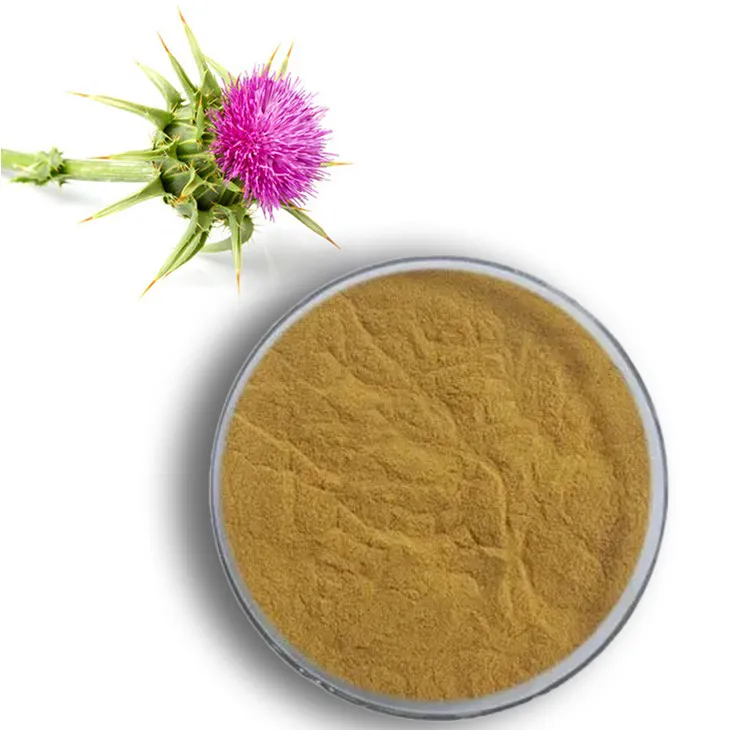
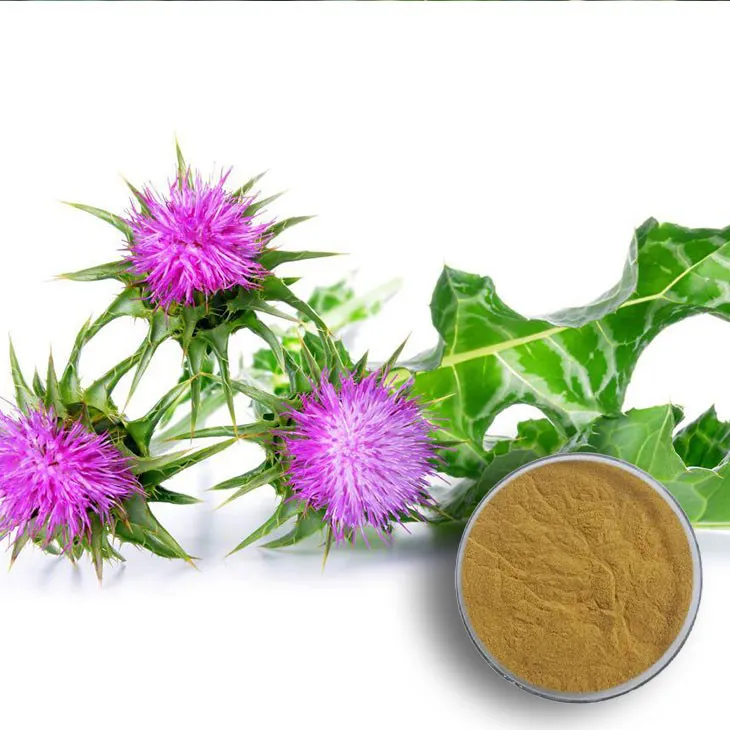
Milk Thistle Extract
Introduction
Milk thistle (Silybum marianum) has been revered for centuries as a natural liver tonic, and modern science has validated what ancient healers knew intuitively. The plant's signature active compound — silymarin — has emerged as one of the most extensively researched botanical extracts in hepatoprotection, demonstrating remarkable potential in liver health, metabolic support, and antioxidant therapy.
Part 1: What Is Milk Thistle Extract?
Botanical Profile
Attribute Details Scientific Name Silybum marianum (L.) Gaertn. Family Asteraceae (Compositae) Common Names Milk thistle, blessed thistle, holy thistle Native Range Mediterranean region, Southern Europe, North Africa, Middle East Cultivation Now widely grown in China (Sichuan, Yunnan), Hungary, Germany, and the United States
Plant Parts Used
The seeds (fruits) are the primary extraction source, as they contain the highest concentration of silymarin complex.
Active Ingredients
The bioactive component of Milk Thistle Extract is silymarin, a standardized complex of flavonolignans including:
Silybin (Silibinin) — the most abundant and pharmacologically active isomer (~50–70% of total silymarin)
Isosilybin — structural isomer with complementary hepatoprotective activity
Silychristin — contributes antioxidant and anti-inflammatory effects
Silydianin — minor component with membrane-stabilizing properties
Taxifolin — a flavonoid with independent antioxidant activity
Standardized Specifications
We offer the following standard specifications, with custom ratios available upon request:
Product Specification Test Method Milk Thistle Extract Silymarin 80% UV / HPLC Milk Thistle Extract Silymarin 60% UV / HPLC Milk Thistle Extract Silymarin 30% UV Silybin (Silibinin) ≥ 95% HPLC Phosphatidylcholine-Silybin Complex Silybin 20–30% HPLC
Certificate of Analysis (COA)
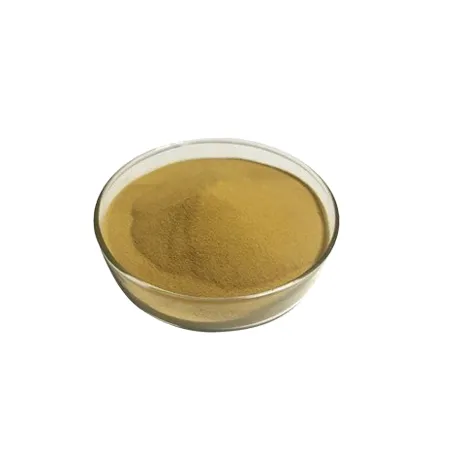
Item Standard Result Appearance Brown-yellow fine powder Conforms Odor & Taste Characteristic Conforms Mesh Size 100% pass 80 mesh Conforms Silymarin Content ≥ 80% (UV) 81.2% Silybin Content ≥ 40% (HPLC) 42.6% Loss on Drying ≤ 5.0% 2.8% Ash ≤ 5.0% 3.1% Heavy Metals (Pb, As, Cd, Hg) Compliant Compliant Pesticide Residues Compliant Compliant Microbial Count ≤ 1,000 CFU/g 200 CFU/g E. coli / Salmonella Negative Negative Solvent Residue Compliant Compliant
Part 2: Core Benefits & Mechanisms of Action
1. Hepatoprotection & Liver Regeneration
Silymarin exerts hepatoprotective effects through multiple well-documented mechanisms:
Membrane Stabilization: Silybin binds to hepatocyte cell membranes, altering membrane permeability and blocking the entry of hepatotoxins such as α-amanitin (the toxin from death-cap mushrooms). This mechanism is the basis for its clinical use in Amanita phalloides poisoning.
Protein Synthesis Stimulation: Silymarin activates RNA polymerase I, enhancing ribosomal RNA synthesis and accelerating hepatocyte regeneration after injury (Morazzoni & Bombardelli, 1995).
Antifibrotic Activity: Inhibits hepatic stellate cell activation and reduces collagen deposition, slowing progression of liver fibrosis.
"Silymarin inhibits lipid peroxidation and increases hepatocyte glutathione levels, providing a dual mechanism of antioxidant defense." — Morazzoni P, Bombardelli E. Fitoterapia, 1995.
2. Potent Antioxidant & Anti-Aging Effects
Silymarin is a powerful free radical scavenger that operates through:
Direct neutralization of reactive oxygen species (ROS) including superoxide anion and hydroxyl radicals
Upregulation of endogenous antioxidant enzymes (SOD, CAT, GPx) via Nrf2 pathway activation
Inhibition of lipid peroxidation chain reactions in cell membranes
Regeneration of endogenous antioxidants (vitamin E, glutathione)
A study published in Free Radical Research demonstrated that silymarin's antioxidant capacity exceeds that of vitamin E in several lipid peroxidation models (Kvasnička et al., 2004).
3. Anti-Inflammatory Activity
Silymarin modulates inflammatory pathways through:
NF-κB Inhibition: Suppresses nuclear translocation of NF-κB, reducing transcription of pro-inflammatory cytokines (TNF-α, IL-1β, IL-6)
COX-2 & iNOS Downregulation: Decreases expression of cyclooxygenase-2 and inducible nitric oxide synthase
MAPK Pathway Modulation: Inhibits phosphorylation of p38 MAPK and JNK in inflammatory cascades
Reference: Gazak R, et al. "Silymarin and its components in prevention of hepatocyte damage." Curr Med Chem, 2007.
4. Metabolic & Cardiovascular Support
Emerging research highlights additional systemic benefits:
Blood Glucose Regulation: Silymarin has been shown to improve insulin sensitivity and reduce fasting blood glucose in type 2 diabetic patients (Huseini et al., 2006).
Lipid Profile Improvement: Reduces LDL cholesterol and triglycerides while increasing HDL levels.
Cardioprotection: Protects cardiomyocytes from oxidative stress during ischemia-reperfusion injury.
Part 3: Wide-Ranging Applications
Pharmaceutical & Nutraceutical Industry
Liver Health Supplements: Capsules, tablets, and softgels targeting fatty liver disease, alcoholic liver disease, and hepatitis support
Detoxification Formulations: Used in clinical and OTC detox products
Adjunctive Cancer Therapy Support: Research ongoing for chemoprotective effects during chemotherapy (Ramirez-Tortosa et al., 1999)
Diabetic Management: Adjuvant therapy for glycemic control
Functional Foods & Beverages
Health Drinks: Milk thistle-infused teas, tinctures, and liquid extracts
Meal Replacement Bars: Added to functional nutrition bars for metabolic support
Energy & Wellness Beverages: Positioned as natural liver support in the growing wellness beverage market
Cosmetics & Personal Care
Anti-Aging Skincare: Incorporated into serums and creams for antioxidant protection against UV-induced skin damage
Acne & Dermatitis Treatment: Topical formulations leverage silymarin's anti-inflammatory properties
Hair Care: Used in scalp treatment products for its follicle-protective antioxidant effects
*Research supports topical application: a 2018 study in Molecules showed silymarin significantly reduced UVB-induced skin photoaging in vitro.*
Animal Nutrition
Poultry & Livestock: Feed additive for hepatoprotection during mycotoxin exposure
Aquaculture: Improves liver health and growth performance in fish
Companion Animal Health: Growing demand in premium pet supplements for liver and metabolic support
Part 4: Key Factors in Choosing High-Quality Milk Thistle Extract
1. Purity & Standardization
Not all milk thistle extracts are created equal. The silymarin content should be verified through independent laboratory testing. Look for:
Standardized silymarin content (minimum 30%, premium grades 80%+)
Defined silybin ratio within the silymarin complex
HPLC-verified results (UV-only testing may overestimate due to interfering compounds)
2. Extraction Technology
Superior extraction methods preserve bioactive integrity:
Ethanol Extraction: Industry-standard method with excellent silymarin yield
Supercritical CO₂ Extraction: Solvent-free, produces cleaner extracts with superior bioavailability
Membrane Separation Technology: Removes impurities while concentrating active fractions
Phospholipid Complexation (Phytosome® Technology): Enhances oral bioavailability by 3–10× compared to conventional extracts
3. Quality Certifications
Verify that your supplier maintains:
ISO 9001 / ISO 22000 quality management systems
HACCP food safety certification
Organic certification (EU Organic, USDA NOP) where applicable
Kosher and Halal certifications for global market access
4. Third-Party Testing & Traceability
Premium suppliers provide:
Complete Certificate of Analysis (COA) with every batch
Heavy metal, pesticide residue, and microbial testing reports
Third-party verification from accredited laboratories (SGS, Eurofins, etc.)
Full batch traceability from seed to finished extract
5. Supplier Qualifications
Evaluate your supplier based on:
Years of experience in botanical extraction
In-house R&D and quality control capabilities
GMP-compliant manufacturing facilities
Established supply chain from cultivation to final product
Responsive technical support and customization services
Part 5: About Us
As a specialized manufacturer and exporter of premium botanical extracts with years of industry experience, we deliver Milk Thistle Extract that consistently meets the highest international quality standards.
Why Partner With Us?
Quality AssuranceEvery batch undergoes rigorous multi-stage quality control — from raw material screening to finished product testing. We provide complete COA documentation and welcome third-party verification.
Advanced ProductionOur GMP-certified facility employs state-of-the-art extraction, concentration, and spray-drying technologies. We offer both conventional ethanol extraction and supercritical CO₂ extraction options.
Customized SolutionsNeed a specific silymarin ratio? Custom particle size? Phospholipid complex? Our R&D team works directly with clients to develop tailored formulations that meet exact specifications.
Global ComplianceOur products meet regulatory requirements across major markets, including EU, USA, Japan, and Southeast Asia. We maintain organic, kosher, and halal certifications.
Reliable Supply ChainWith established cultivation partnerships and large-scale production capacity, we ensure consistent quality and on-time delivery — batch after batch.
Conclusion & Get Your Quote Today
Milk thistle extract stands as one of the most scientifically validated botanical ingredients in the global nutraceutical market. With demand for liver health, metabolic support, and natural antioxidant products growing at double-digit rates year-over-year, now is the time to secure a reliable, high-quality supply partner.
Interested in Milk Thistle Extract?
We welcome inquiries for:
Latest pricing and volume discounts
Free samples for quality evaluation and formulation testing
Technical consultation on specification selection and application guidance
Customized solutions tailored to your specific product requirements
Our experienced team is ready to provide technical support, documentation, and competitive quotations. Contact us today to discuss how our Milk Thistle Extract can strengthen your product portfolio.
| name | Milk Thistle Extract |
| Exterior | Light yellow powder |
| Attributes | herbal extracts, plant extracts |
| purity | 80% Silymarin UV 30% Silybin & Isosilybin HPLC |
| Product ingredients | Silymarin, flavonolignans, silibinin |
| source | Extracted from the seeds of Silybum marianum (milk thistle) |
| use | Liver health support, dietary supplements, detoxification |
| Test Methods | High performance liquid chromatography (HPLC), UV-visible spectroscopy |