- 0086-571-85302990
- [email protected]





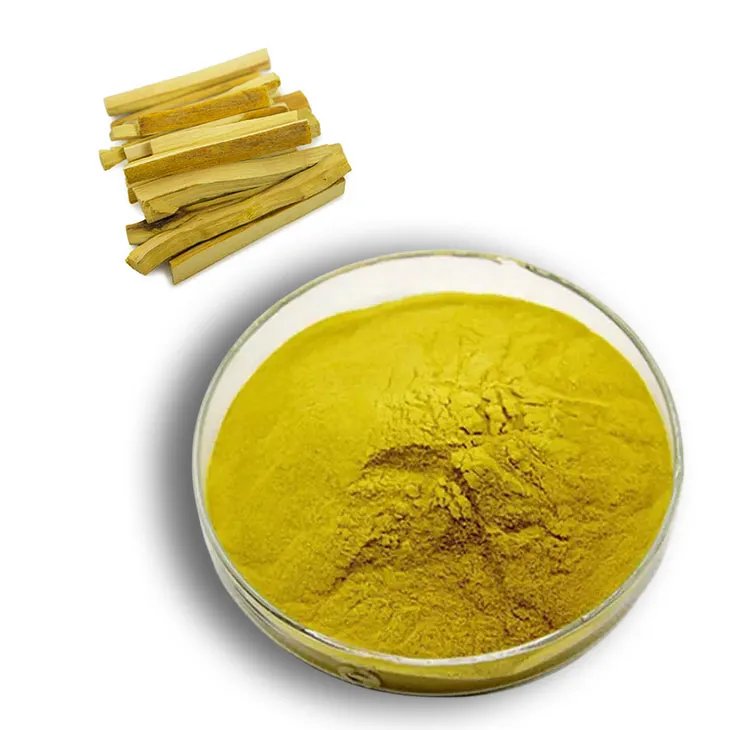
Berberis aristata Extract
1. Introduction
For over 3,000 years, plants containing berberine — including Coptis chinensis (Huanglian) and Berberis vulgaris (Barberry) — have been foundational remedies in Traditional Chinese Medicine, Ayurveda, and Greco-Arabic medicine. Today, Berberine Hydrochloride (Berberine HCl) is one of the most extensively studied natural compounds for metabolic health, with over 2,000 peer-reviewed publications supporting its role in blood glucose regulation, lipid metabolism, cardiovascular function, and gut microbiome modulation. Hangzhou Greensky Biological Tech Co., Ltd — a professional natural plant extract manufacturer established in 2004 — offers pharmaceutical-grade Berberine HCl at 97% purity in both powder and granular forms, backed by ISO22000, BRCGS, Ecocert Organic, and SGS-GMP certifications.
2. What Is Berberine Hydrochloride?
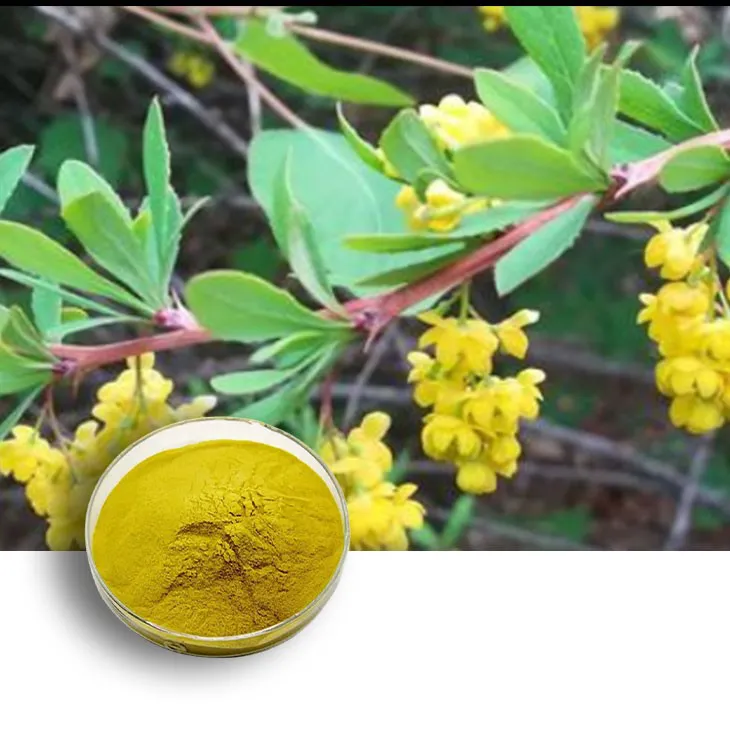
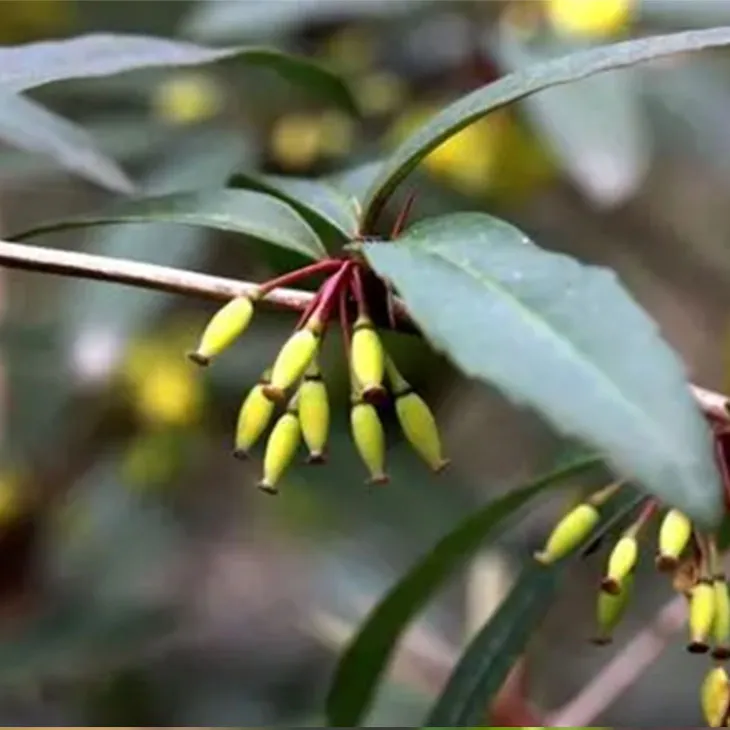
Berberine Hydrochloride is a purified isoquinoline alkaloid salt extracted from the roots, rhizomes, and stem bark of several medicinal plant species, primarily Coptis chinensis Franch. (Ranunculaceae) and Berberis aristata DC. (Berberidaceae).
2.1 Botanical Information
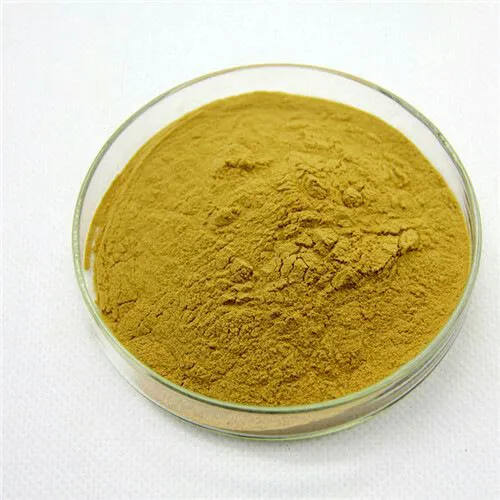
Item Details Latin Name Coptis chinensis Franch. / Berberis aristata DC. Family Ranunculaceae / Berberidaceae Common Names Huanglian (黄连), Goldthread, Barberry, Indian Barberry Main Growing Regions Sichuan, Hubei, Shaanxi (China); Himalayan region; Southern Europe Extraction Part Rhizome and root (Coptis); stem bark and root (Berberis) Appearance Bright yellow crystalline powder or granules Odor Characteristic; extremely bitter taste CAS Number 141433-60-5 (Berberine Hydrochloride) Molecular Formula C₂₀H₁₈ClNO₄ Molecular Weight 371.81 g/mol
2.2 Key Active Compound
Berberine itself is the primary active alkaloid. The hydrochloride salt form (Berberine HCl) is preferred for pharmaceutical and nutraceutical applications due to its superior stability, water solubility, and bioavailability compared to the free base form.
Compound Class Function Berberine HCl Isoquinoline alkaloid (salt form) Primary active; AMPK activation, glucose regulation Berberine (free base) Isoquinoline alkaloid Active parent compound Coptisine Isoquinoline alkaloid Co-extracted minor alkaloid Palmatine Isoquinoline alkaloid Co-extracted minor alkaloid
2.3 Standard Specifications
Specification Standard Purity (Berberine HCl) ≥ 97% (HPLC) Form Powder / Granular Liposomal Berberine HCl 40% (liposome-encapsulated for enhanced absorption) Loss on Drying ≤ 2.0% Residue on Ignition ≤ 0.1% Heavy Metals ≤ 10 ppm Arsenic (As) ≤ 0.5 ppm Lead (Pb) ≤ 1.0 ppm Pesticide Residues Compliant with USP/EP limits Microbial Limits Total plate count ≤ 1,000 CFU/g; Yeast & Mold ≤ 100 CFU/g; E. coli/Salmonella: Negative
2.4 Certificate of Analysis (COA)
A representative COA for our Berberine HCl 97% powder includes:
Test Item Standard Result Method Description Yellow crystalline powder Complies Visual Identification Positive for Berberine HCl Complies HPLC / TLC Assay (Berberine HCl) ≥ 97.0% 97.8% HPLC-UV Loss on Drying ≤ 2.0% 0.8% USP <731> Residue on Ignition ≤ 0.1% 0.05% USP <281> Heavy Metals ≤ 10 ppm < 5 ppm ICP-MS Arsenic ≤ 0.5 ppm < 0.1 ppm ICP-MS Lead ≤ 1.0 ppm < 0.2 ppm ICP-MS Total Plate Count ≤ 1,000 CFU/g < 100 CFU/g USP <61> Yeast & Mold ≤ 100 CFU/g < 10 CFU/g USP <61> E. coli Negative Negative USP <62> Salmonella Negative Negative USP <62>
3. Core Health Benefits & Mechanisms of Action
3.1 Blood Glucose Regulation & Metabolic Health
Berberine is widely recognized as one of the most effective natural compounds for supporting healthy blood sugar levels. Its mechanism of action centers on AMP-activated protein kinase (AMPK) activation — often called the "metabolic master switch."
AMPK Activation: Berberine activates AMPK in liver, muscle, and adipose tissue, promoting glucose uptake and fatty acid oxidation while suppressing gluconeogenesis (Yin et al., 2008, Metabolism).
GLUT4 Translocation: Increases translocation of glucose transporter type 4 (GLUT4) to cell membranes, enhancing cellular glucose uptake independent of insulin (Kong et al., 2004, Diabetes).
Clinical Evidence: A meta-analysis of 27 randomized controlled trials (n=2,569) found that berberine significantly reduced fasting blood glucose (−0.66 mmol/L), HbA1c (−0.63%), and postprandial glucose (−1.02 mmol/L) compared to placebo (Dong et al., 2012, Journal of Ethnopharmacology).
Comparable to Metformin: In head-to-head trials, berberine demonstrated comparable efficacy to metformin in reducing fasting blood glucose and HbA1c, with a favorable gastrointestinal tolerability profile (Zhang et al., 2010, Metabolism).
3.2 Lipid Metabolism & Cardiovascular Support
Berberine exerts multi-target effects on lipid metabolism, making it a valuable ingredient for cardiovascular health formulations.
LDL Receptor Upregulation: Berberine stabilizes LDL receptor (LDLR) mRNA, increasing LDLR expression on hepatocyte surfaces and enhancing LDL-C clearance from circulation (Kong et al., 2004, Nature Medicine).
PCSK9 Inhibition: Downregulates proprotein convertase subtilisin/kexin type 9 (PCSK9), a protein that degrades LDL receptors — a mechanism similar to PCSK9 inhibitor drugs (Camerino et al., 2019, Nutrients).
Clinical Evidence: A meta-analysis of 26 trials (n=2,547) showed berberine significantly reduced total cholesterol (−0.61 mmol/L), LDL-C (−0.65 mmol/L), and triglycerides (−0.50 mmol/L) while increasing HDL-C (Lan et al., 2015, Frontiers in Pharmacology).
Blood Pressure Support: Berberine promotes endothelial nitric oxide (NO) production via eNOS activation, contributing to vasodilation and blood pressure regulation (Wang et al., 2019, Biomedicine & Pharmacotherapy).
3.3 Gut Microbiome Modulation
Emerging research has revealed that berberine's therapeutic effects are partly mediated through gut microbiome modulation.
Microbial Composition: Berberine increases the abundance of beneficial genera such as Akkermansia and Bifidobacterium, while reducing pathogenic bacteria (Wang et al., 2017, Frontiers in Microbiology).
SCFA Production: Promotes short-chain fatty acid (SCFA) production by gut microbiota, which contributes to improved insulin sensitivity and reduced inflammation (Chen et al., 2020, Pharmacological Research).
Intestinal Barrier: Strengthens tight junction proteins (ZO-1, occludin) in the intestinal epithelium, reducing intestinal permeability and systemic endotoxemia (Chen et al., 2020).
3.4 Anti-Inflammatory & Antioxidant Activity
NF-κB Pathway: Berberine inhibits NF-κB signaling, reducing the production of pro-inflammatory cytokines including TNF-α, IL-6, and IL-1β (Zou et al., 2019, Phytomedicine).
Nrf2 Activation: Activates the Nrf2 antioxidant response pathway, upregulating endogenous antioxidant enzymes such as superoxide dismutase (SOD), catalase, and glutathione peroxidase (GPx).
Oxidative Stress: Reduces reactive oxygen species (ROS) generation and lipid peroxidation markers (MDA) in both animal models and human studies (Imanshahidi & Hosseinzadeh, 2008, Phytotherapy Research).
3.5 Neuroprotective Potential
Blood-Brain Barrier Penetration: While traditionally considered poorly BBB-permeable, recent studies using advanced delivery systems (liposomal, nanoparticle) have demonstrated berberine's ability to reach brain tissue (Wang et al., 2020, Biomedicine & Pharmacotherapy).
Amyloid-β Modulation: Reduces amyloid-β accumulation and tau hyperphosphorylation in Alzheimer's disease models (Zhu et al., 2021, Pharmacological Research).
Neuroinflammation: Suppresses microglial activation and neuroinflammatory cytokine production in Parkinson's and Alzheimer's disease models.
4. Wide-Ranging Application Areas
4.1 Dietary Supplements & Nutraceuticals
Berberine HCl is a cornerstone ingredient in metabolic health supplement formulations worldwide:
Blood Sugar Support Capsules: Typically dosed at 500 mg berberine HCl per capsule, taken 2–3 times daily with meals.
Metabolic Health Blends: Combined with chromium picolinate, alpha-lipoic acid, cinnamon extract, and Gymnema sylvestre for comprehensive metabolic support.
Cardiovascular Health Formulations: Paired with red yeast rice, CoQ10, policosanol, and garlic extract for cholesterol and heart health products.
Weight Management Products: Combined with Green Tea Extract, Garcinia cambogia, and CLA for metabolic rate and body composition support.
4.2 Functional Foods & Beverages
Metabolic Health Drinks: Berberine-enriched functional beverages targeting blood sugar management and metabolic wellness.
Meal Replacement Products: Added to nutritional shakes and bars for metabolic support benefits.
4.3 Pharmaceutical Applications
Active Pharmaceutical Ingredient (API): Berberine HCl at 97%+ purity serves as an API for prescription medications in China and other markets, approved for bacterial diarrhea and metabolic conditions.
Drug Development: Investigated in clinical trials for NAFLD/NASH, polycystic ovary syndrome (PCOS), and type 2 diabetes mellitus.
4.4 Cosmetics & Personal Care
Anti-Acne Formulations: Berberine's antimicrobial and anti-inflammatory properties make it effective in topical acne treatments.
Skin Brightening: Inhibits tyrosinase activity, reducing melanin production for skin brightening applications (Yan et al., 2016, Phytomedicine).
Anti-Aging: Antioxidant and anti-inflammatory properties support skin barrier function and reduce UV-induced photoaging.
4.5 Animal Nutrition
Poultry Health: Berberine supplementation in poultry feed improves growth performance, reduces gut inflammation, and enhances immune function (Li et al., 2019, Poultry Science).
Aquaculture: Used as a natural antimicrobial growth promoter in fish and shrimp feed.
5. Key Factors for Choosing High-Quality Berberine HCl
5.1 Purity & Assay Method
HPLC Verification: Always request an HPLC chromatogram confirming ≥ 97% berberine HCl purity. Lower-purity extracts may contain unwanted co-extracted alkaloids or processing residues.
Salt Form vs. Free Base: Berberine HCl (hydrochloride salt) is the preferred form for supplement manufacturing due to better stability and documented bioavailability compared to the free base.
5.2 Raw Material Sourcing
Coptis chinensis (Huanglian): The premium source, cultivated for centuries in Sichuan, China. Wild-sourced Huanglian is increasingly rare due to overharvesting and environmental protection measures.
Berberis aristata (Indian Barberry): A sustainable alternative source, widely cultivated in the Himalayan region. Both sources yield high-quality berberine when properly extracted.
Traceability: Reputable suppliers provide documentation of botanical source, geographic origin, and cultivation practices.
5.3 Extraction & Manufacturing Standards
Acid-Base Extraction: The traditional method using dilute acid extraction followed by alkaline precipitation remains the industry standard for high-purity berberine.
GMP Manufacturing: SGS-GMP certified facilities ensure consistent quality and regulatory compliance.
Certifications: ISO22000 (food safety management), BRCGS (global food safety standard), Ecocert Organic (organic certification for raw materials), and HACCP are essential quality indicators.
5.4 Bioavailability Enhancement
Berberine has inherently low oral bioavailability (~1%) due to poor intestinal absorption and extensive first-pass metabolism. Advanced delivery technologies can significantly improve this:
Liposomal Berberine (40%): Phospholipid-encapsulated berberine with demonstrated 5–10× improvement in oral bioavailability in clinical studies.
Phytosome Technology: Berberine complexed with phosphatidylcholine for enhanced absorption.
Micro/Nano-encapsulation: Particle size reduction and surface modification for improved dissolution and absorption.
5.5 Third-Party Testing
Reputable suppliers provide comprehensive third-party testing reports from accredited laboratories (SGS, Eurofins, Chromadex) covering:
Identity confirmation (HPLC fingerprint, FTIR)
Potency assay (HPLC)
Heavy metals (ICP-MS)
Pesticide residues (GC-MS/LC-MS)
Microbial limits
Residual solvents
6. About Greensky Biochem — Your Trusted Berberine HCl Supplier
Hangzhou Greensky Biological Tech Co., Ltd, established in 2004, is a professional manufacturer and exporter of natural plant extracts with over two decades of experience. Our Berberine HCl product line is backed by:
Our Advantages for Berberine HCl:
Dual-Source Flexibility: We supply Berberine HCl sourced from both Coptis chinensis and Berberis aristata, allowing customers to choose based on their cost, sustainability, and regional preferences.
Multiple Product Forms:
Berberine HCl 97% Powder: For capsule, tablet, and standard formulation use.
Berberine HCl 97% Granular: Improved flowability for direct compression and automated manufacturing.
Liposomal Berberine HCl 40%: Enhanced bioavailability formulation for premium supplement products.
Comprehensive Certifications: ISO22000, BRCGS, Ecocert Organic, Kosher, Halal, and SGS-GMP.
Full Traceability: From botanical sourcing through extraction, purification, and final product testing — every batch is fully documented.
Custom Specifications: We offer customized particle sizes, bulk densities, and packaging formats to match your manufacturing requirements.
R&D Support: Our in-house research team provides technical documentation, stability data, and formulation guidance to support your product development.
Stable Supply Chain: Established relationships with certified cultivation bases in Sichuan and the Himalayan region ensure consistent raw material quality and year-round availability.
7. Conclusion & Call to Action
Berberine Hydrochloride stands as one of the most scientifically validated natural compounds for metabolic health — supported by over 2,000 peer-reviewed studies, dozens of clinical trials, and a 3,000-year history of traditional use. From blood glucose regulation and cardiovascular support to gut microbiome modulation and neuroprotection, berberine's multi-target mechanism of action makes it a versatile and valuable ingredient for health product manufacturers worldwide.
Whether you are developing a blood sugar support supplement, a cardiovascular health formula, a liposomal bioavailability-enhanced product, or a pharmaceutical-grade API, Hangzhou Greensky Biological Tech Co., Ltd offers the quality, consistency, and technical support your project demands.
Ready to explore Berberine HCl for your next product?
Contact us today for the latest pricing and availability
Request free samples for your formulation testing
Ask for full COA, stability data, and technical documentation
Our expert team is available for custom specification discussions and formulation guidance
Hangzhou Greensky Biological Tech Co., Ltd — Natural Ingredients, Trusted Quality Since 2004.
| name | Berberis aristata Extract |
| Exterior | yellow fine powder |
| Attributes | herbal extracts, plant extracts, alkaloids |
| purity | 97% Berberine HCl/98% Berberine Sulfate |
| Product ingredients | Berberine, palmatine, berbamine |
| source | Extracted from the bark of Berberis aristata (Indian barberry) |
| use | Traditional medicine, digestive health, dietary supplements |
| Test Methods | High performance liquid chromatography (HPLC), TLC (Thin-layer chromatography) |