- 0086-571-85302990
- [email protected]



Astaxanthin
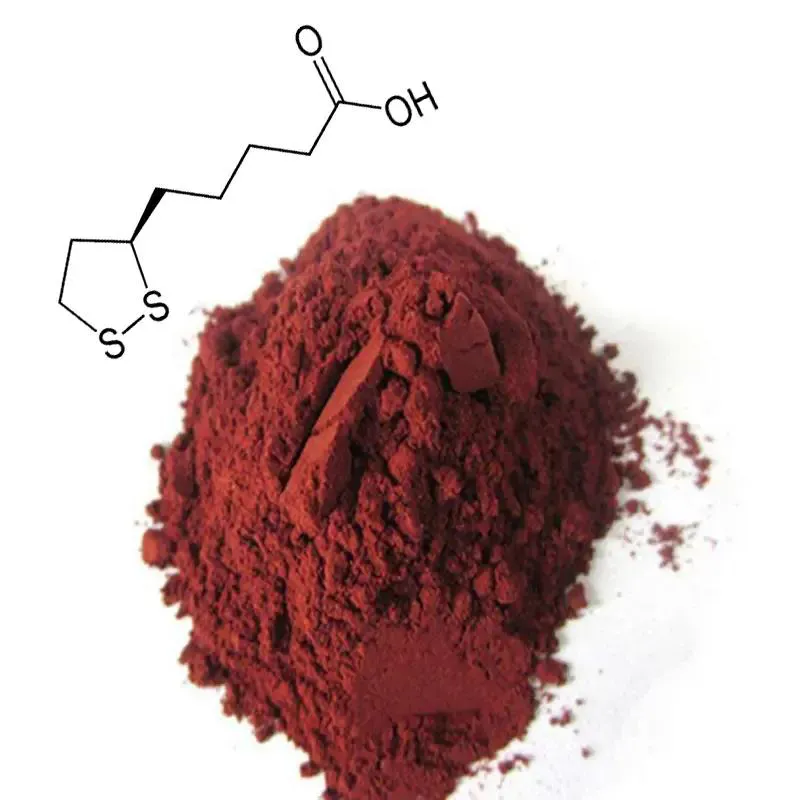
Introduction
Astaxanthin, a naturally occurring red carotenoid pigment, is widely regarded as one of the most powerful antioxidants in nature — often described as "king of the carotenoids." Originally discovered in the vibrant flesh of wild salmon, lobster, and krill, Astaxanthin has surged to the forefront of nutraceutical, cosmeceutical, and functional food markets. Modern scientific research continues to validate its exceptional ability to combat oxidative stress, support skin health, enhance athletic recovery, and protect cardiovascular and neurological function.
Part 1: What Is Astaxanthin Oil?
Botanical & Biological Source
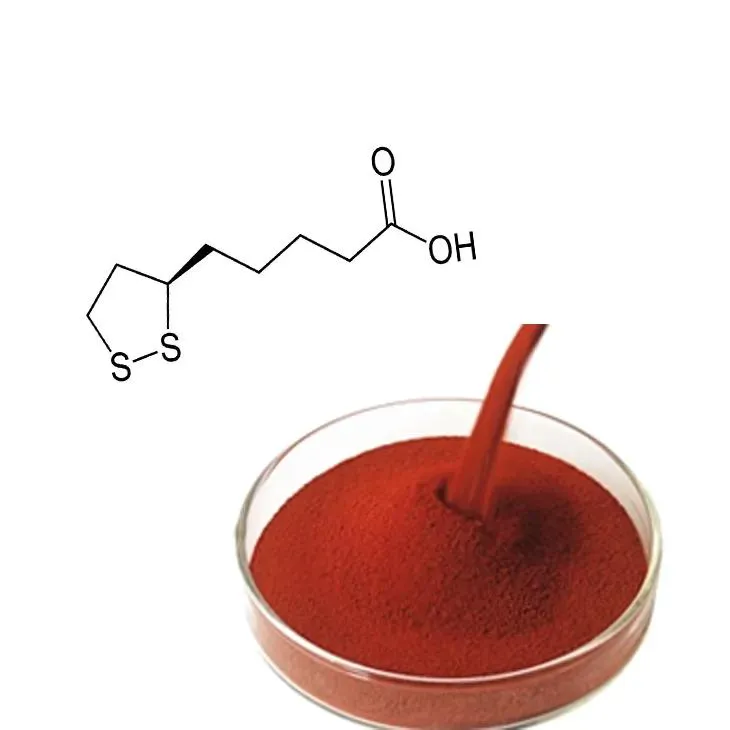
Astaxanthin (3,3′-dihydroxy-β,β′-carotene-4,4′-dione) is a xanthophyll carotenoid primarily sourced from two origins:
Microalgae: Haematococcus pluvialis — the richest natural source, producing astaxanthin as a stress-response pigment when exposed to harsh conditions (nutrient deprivation, high salinity, intense UV light).
Marine sources: Krill (Euphausia superba), salmon, and other marine organisms accumulate astaxanthin through the food chain.
Extraction & Production
High-quality astaxanthin oil is typically produced through:
Cultivation of H. pluvialis under controlled stress conditions to maximize astaxanthin accumulation (5–8% dry weight)
Cell wall disruption using bead milling or enzymatic hydrolysis
Supercritical CO₂ extraction — the industry gold standard, yielding a clean, solvent-free oleoresin
Dilution into carrier oils (sunflower oil, MCT oil, or olive oil) to achieve standardized concentrations
Active Compound & Specifications
Our company offers Astaxanthin Oil at the following standard specification:
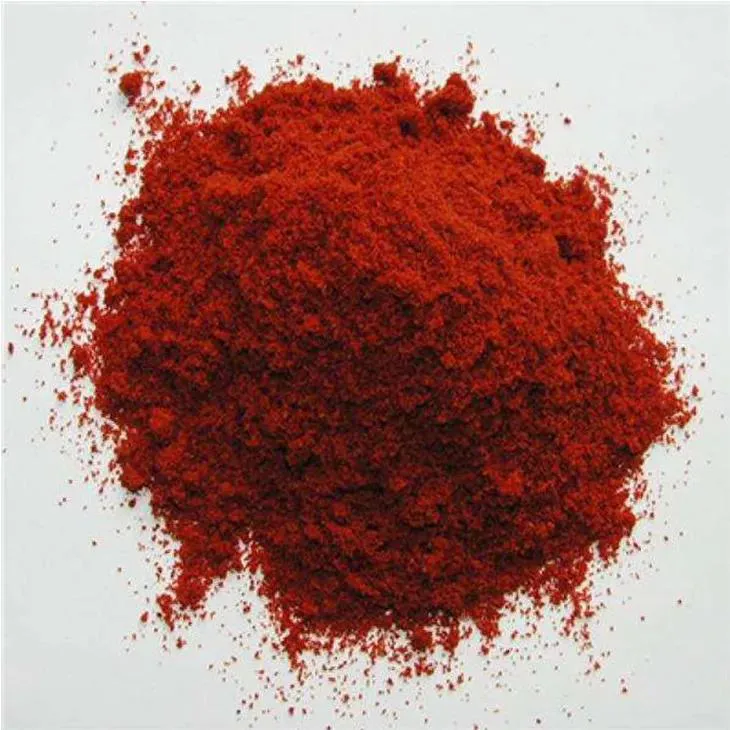
Specification Details Product Name Astaxanthin Oil (from Haematococcus pluvialis) Active Ingredient Astaxanthin (free + esters) Standard Concentration 5%, 10% Appearance Dark red to brownish-red viscous oil Carrier Oil Sunflower oil / MCT oil Solvent Solvent-free (Supercritical CO₂ extraction) Assay Method HPLC (UV detection at 476 nm) Shelf Life 24 months (stored in nitrogen-flushed containers, refrigerated)
Certificate of Analysis (COA)
Each batch is accompanied by a full COA covering:
Astaxanthin content (HPLC verification)
Heavy metals (Pb, As, Cd, Hg)
Pesticide residues (multi-residue screening)
Microbiological parameters (TAMC, TYMC, E. coli, Salmonella, S. aureus)
Residual solvents (ND for supercritical CO₂ extracted product)
Part 2: Core Benefits & Mechanisms of Action
1. Superior Antioxidant Protection
Astaxanthin's unique molecular structure — featuring hydroxyl groups on both ionone rings and a conjugated double-bond chain — allows it to span the entire cell membrane, scavenging free radicals from both the lipid bilayer interior and exterior.
10× stronger than beta-carotene, lutein, and canthaxanthin
100× stronger than alpha-tocopherol (Vitamin E) in singlet oxygen quenching capacity
Unlike beta-carotene, astaxanthin does not act as a pro-oxidant even at high concentrations
Reference: Naguib, Y. M. (2000). Antioxidant activities of astaxanthin and related carotenoids. Journal of Agricultural and Food Chemistry, 48(4), 1150–1154.
2. Skin Health & Anti-Aging
Astaxanthin protects against UV-induced photoaging by:
Reducing matrix metalloproteinase-1 (MMP-1) expression, which breaks down collagen
Enhancing skin elasticity and moisture retention
Reducing age spot size and wrinkle depth
Reference: Tominaga, K., Hongo, N., Karato, M., & Yamashita, E. (2012). Cosmetic benefits of astaxanthin on humans subjects. Acta Biochimica Polonica, 59(1), 43–47.
Reference: Ito, N., et al. (2018). The protective role of astaxanthin for UV-induced skin deterioration. Journal of Clinical Biochemistry and Nutrition, 62(1), 145–152.
3. Exercise Performance & Recovery
Astaxanthin reduces exercise-induced oxidative damage and muscle fatigue:
Decreases lactate production and blood lactate accumulation during endurance exercise
Enhances fatty acid utilization as an energy substrate
Reduces delayed onset muscle soreness (DOMS) and creatine kinase (CK) levels post-exercise
Reference: Aoi, W., et al. (2008). A novel functional food product from marine microalgae with astaxanthin improves exercise performance. Journal of Clinical Biochemistry and Nutrition, 43(1), 42–49.
4. Eye Health
Astaxanthin crosses the blood-retinal barrier, providing targeted protection for retinal cells:
Improves capillary blood flow in the retina
Reduces symptoms of eye fatigue, particularly for screen users
May protect against age-related macular degeneration (AMD)
Reference: Nitta, T., et al. (2005). Astaxanthin improves visual accommodation through regulation of ciliary muscle. Journal of Clinical Biochemistry and Nutrition, 37, 113–119.
5. Cardiovascular & Metabolic Support
Reduces LDL oxidation, a key step in atherosclerosis development
Improves endothelial function and blood flow
Supports healthy lipid profiles (may increase HDL, reduce triglycerides)
Shows potential in metabolic syndrome management through improved insulin sensitivity
Reference: Park, J. S., Chyun, J. H., Kim, Y. K., Finnegan, L. M., & Chew, B. P. (2010). Astaxanthin decreases oxidative stress and inflammatory markers in overweight and obese subjects. Journal of Medicinal Food, 13(4), 911–917.
6. Neuroprotection & Cognitive Support
Astaxanthin's ability to cross the blood-brain barrier makes it a promising neuroprotective agent:
Protects dopaminergic neurons in models of neurodegeneration
Reduces neuroinflammation via NF-κB pathway modulation
Improves cognitive function in age-related decline models
Reference: Liu, X., & Osawa, T. (2009). Astaxanthin protects neuronal cells against oxidative stress and damage. Journal of Clinical Biochemistry and Nutrition, 45(2), 171–178.
Part 3: Wide-Ranging Application Areas
Nutraceuticals & Dietary Supplements
Capsules and softgels: 4–12 mg per serving, often combined with omega-3, CoQ10, or vitamin E
Gummies and chewables: Water-dispersible astaxanthin formulations
Liquid drops: For sublingual or direct oral administration
Target markets: Anti-aging, sports nutrition, eye health, cardiovascular wellness
Functional Foods & Beverages
Energy drinks and sports beverages: Positioned for recovery and endurance
Functional water: Microencapsulated water-dispersible astaxanthin
Health snacks: Fortified bars, gels, and confectionery
Dairy alternatives: Plant-based beverages enriched with astaxanthin
Cosmetics & Personal Care
Anti-aging creams and serums: Topical astaxanthin for wrinkle reduction
Sun care products: SPF-boosting formulations (astaxanthin absorbs UV light)
Eye creams: Targeting dark circles and fine lines
Hair care: Scalp health and hair follicle protection
Animal Nutrition & Aquaculture
Salmon and shrimp feed: Pigmentation and health improvement (the original source application)
Pet supplements: Joint health, coat quality, and immune support for dogs and cats
Poultry feed: Enhanced egg yolk coloration and bird health
Part 4: Key Considerations for Sourcing Premium Astaxanthin Oil
When evaluating an astaxanthin oil supplier, buyers should assess the following critical factors:
1. Source Authenticity
Natural vs. synthetic: Synthetic astaxanthin (petrochemical-derived) is used primarily in aquaculture feed. For human consumption, natural astaxanthin from H. pluvialis is vastly superior in both bioavailability and ester profile (natural astaxanthin contains mono- and di-esters, while synthetic is almost entirely free astaxanthin).
Strain selection: High-yielding H. pluvialis strains can produce 4–8% astaxanthin by dry weight.
2. Extraction Technology
Supercritical CO₂ extraction preserves the full spectrum of astaxanthin esters without solvent residues, producing the cleanest, most bioavailable product.
Hexane or ethanol extraction may leave residual solvents and degrade sensitive compounds.
3. Concentration & Stability
Standardized concentrations (5%, 10%) ensure consistent dosing in final formulations.
Nitrogen-flushed packaging and cold-chain storage are essential to prevent oxidation of the oil.
4. Third-Party Testing & Certifications
Look for suppliers with:
HPLC-verified potency on every batch
Heavy metal, pesticide, and microbiological testing
Organic certification (where applicable for the carrier oil and algae cultivation)
ISO 22000 / HACCP / FSSC 22000 food safety certifications
Kosher and Halal certifications for broader market access
FDA GRAS or novel food status for regulatory compliance
5. Ester Profile
Natural astaxanthin from H. pluvialis exists primarily as fatty acid esters (mono- and di-esters of palmitic, oleic, and linoleic acids), which have been shown to have superior bioavailability compared to free astaxanthin or synthetic astaxanthin.
Part 5: About Our Company
As a specialized supplier with years of experience in natural extracts and bioactive ingredients, we are proud to offer premium Astaxanthin Oil sourced from cultivated Haematococcus pluvialis via supercritical CO₂ extraction.
Why partner with us:
Proven quality: Every batch is tested for potency, purity, and safety with comprehensive COA documentation
Advanced extraction: Supercritical CO₂ technology ensures solvent-free, bioactive-rich astaxanthin oil
Custom specifications: We offer tailored concentrations (5%, 10%, or custom) and carrier oil options to meet your formulation needs
Regulatory support: Full documentation package for FDA, EFSA, and other market registrations
Stable supply chain: Dedicated H. pluvialis cultivation partnerships ensure consistent, year-round availability
Technical expertise: Our R&D team provides formulation guidance, stability data, and application support
Conclusion & Call to Action
Astaxanthin Oil stands at the intersection of science and nature — a molecule so powerful that it has become the gold standard for natural antioxidant protection. With validated benefits spanning skin health, athletic performance, eye care, cardiovascular wellness, and neuroprotection, the global demand for high-quality astaxanthin continues to accelerate across nutraceuticals, functional foods, cosmetics, and animal nutrition.
Ready to source premium Astaxanthin Oil for your next product?
Contact us today for the latest pricing, free samples, and technical documentation.
Our expert team is ready to support you with:
Customized formulations and concentrations
Complete regulatory and compliance documentation
Competitive pricing with reliable, scalable supply
Dedicated technical support from our R&D professionals
Don't let your competitors secure the best astaxanthin supply first — reach out now and discover why leading brands trust us for their astaxanthin sourcing needs.
| Specification Item | Description |
|---|---|
| Product Name | Astaxanthin |
| CAS Number | 472-61-7 |
| Appearance | Dark red fine powder |
| Specification | 1%~5% Astaxanthin |
| Form | Powder |
| Source | Extracted from the microalgae Haematococcus pluvialis |
| Applications | Health supplements, food & beverage, cosmetics |
| Storage Conditions | Stored in a cool, dry place, avoiding exposure to sunlight and moisture |
| Packaging | Safe and compliant with transport standards |
| Supply Capacity | Customized based on demand |
| Shipping | Express/Air/Sea |
| Delivery Time | Dependent on order volume and destination |
| Price | Based on specifications and demand |
| Minimum Order Quantity | Contact for quotation |