- 0086-571-85302990
- [email protected]




Resveratrol: Complete Guide to Longevity Science, Cardiovascular Benefits & B2B Sourcing (2026)
2026-10-31
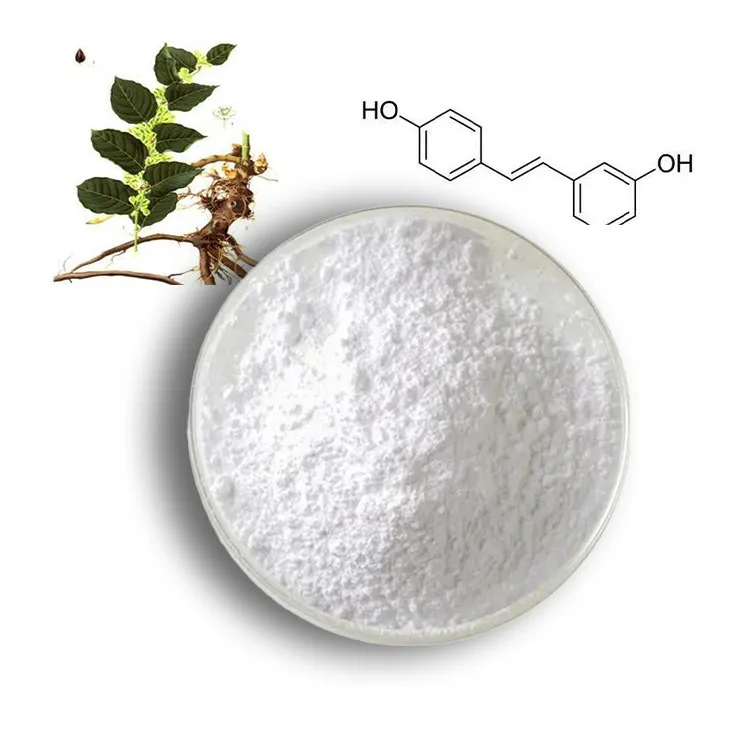
Table of Contents
What Is Resveratrol and Why Is It a Star Longevity Ingredient?
The Science Behind Resveratrol and Sirtuin Activation
Clinical Evidence for Cardiovascular and Metabolic Health
Resveratrol for Anti-Aging and Longevity: What Research Shows
Natural Sources: Japanese Knotweed vs. Grape Seed vs. Red Wine
Recommended Dosage for Different Health Applications
Bioavailability Challenges and Solutions
How to Source Premium Resveratrol extract from China
Quality Testing, Standardization and Regulatory Compliance
Why Greensky Is Your Trusted Resveratrol Supply Partner
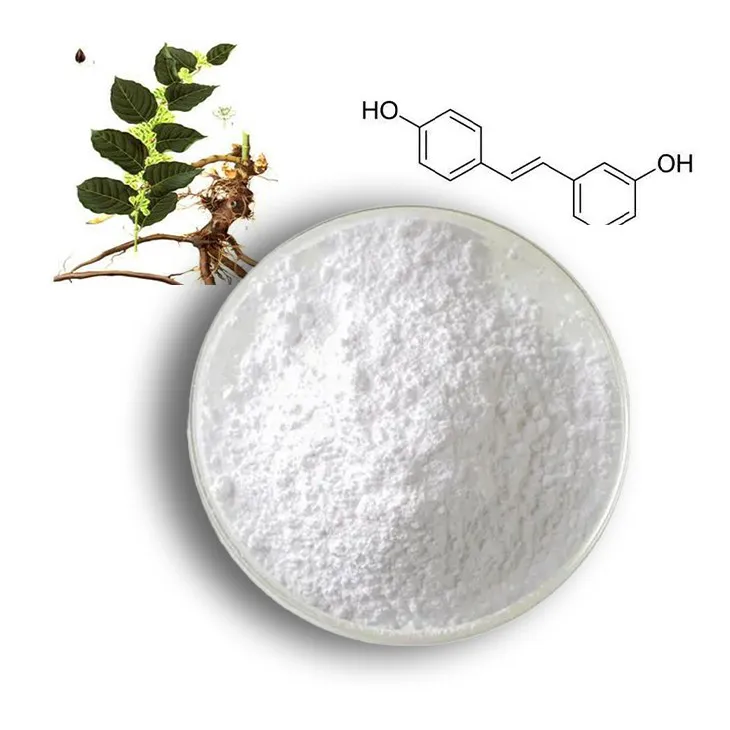
1. What Is Resveratrol and Why Is It a Star Longevity Ingredient?
Resveratrol (白藜芦醇) is a naturally occurring polyphenolic compound classified as a stilbenoid. It was first isolated from the roots of Veratrum grandiflorum in 1940, but it wasn't until the "French Paradox" discovery in the 1990s that resveratrol gained widespread scientific and commercial attention.
The "French Paradox" refers to the observation that French populations have relatively low rates of cardiovascular disease despite consuming diets high in saturated fats — a phenomenon partially attributed to regular red wine consumption, which contains resveratrol.
Since then, resveratrol has become one of the most extensively researched natural compounds, with over 10,000 scientific publications exploring its potential health benefits, particularly in the areas of cardiovascular health, metabolic function, and longevity.
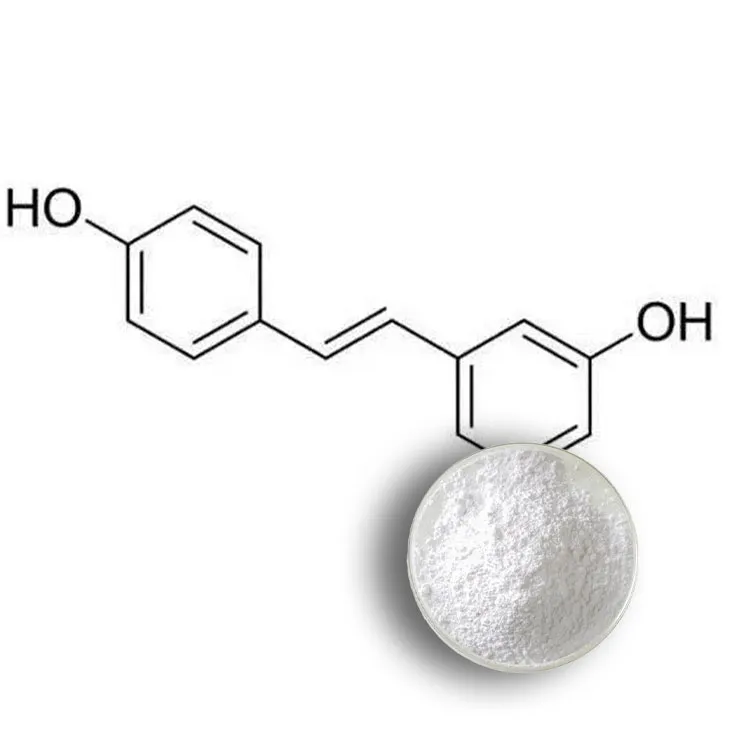
2. The Science Behind Resveratrol and Sirtuin Activation
Resveratrol's most groundbreaking discovery came in 2003, when researchers at Harvard Medical School found that resveratrol activates SIRT1 (sirtuin 1), a protein associated with longevity and cellular health.
Key Molecular Mechanisms:
Sirtuin Activation (SIRT1, SIRT3): Mimics caloric restriction at the cellular level, promoting DNA repair and cellular maintenance
AMPK Activation: Regulates cellular energy metabolism, similar to the effects of exercise
NF-κB Inhibition: Reduces chronic inflammation, a key driver of aging
Nrf2 Pathway Activation: Enhances endogenous antioxidant defense systems
eNOS Upregulation: Improves endothelial function and nitric oxide production
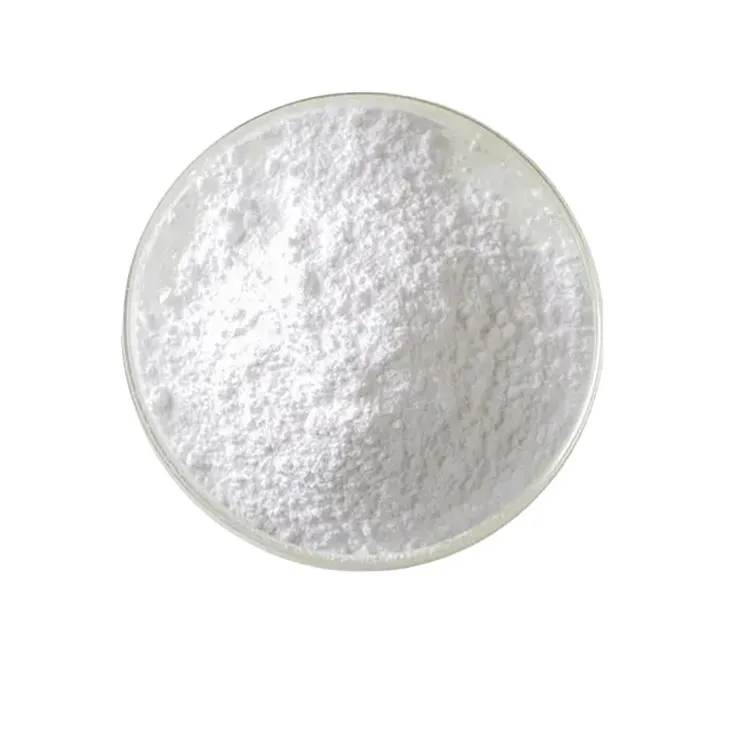
3. Clinical Evidence for Cardiovascular and Metabolic Health
Cardiovascular Benefits:
A 2015 meta-analysis in the British Journal of Nutrition found that resveratrol supplementation significantly reduced systolic blood pressure in hypertensive patients
Research published in the Journal of Nutrition demonstrated improved endothelial function and arterial elasticity
Studies show reduced LDL oxidation, a critical step in atherosclerosis development
Resveratrol supports healthy platelet aggregation and blood flow
Metabolic Health:
Clinical trials demonstrate improved insulin sensitivity in individuals with metabolic syndrome
Research shows reduced fasting blood glucose and HbA1c levels
Studies indicate support for healthy body weight management through AMPK activation
A 2018 study in Molecular Nutrition & Food Research found that 1,000 mg/day of trans-resveratrol for 45 days significantly improved metabolic markers
4. Resveratrol for Anti-Aging and Longevity: What Research Shows
Cellular-Level Evidence:
Resveratrol extends lifespan in yeast, worms, and fruit flies in laboratory studies
Mammalian studies show improved healthspan markers, including mitochondrial function and insulin sensitivity
Human studies are ongoing, with promising early results for biomarkers of aging
Key Anti-Aging Applications:
Skin Health: Topical and oral resveratrol protects against photoaging and supports collagen production
Cognitive Health: Crosses the blood-brain barrier; studies show neuroprotective effects
Bone Health: Emerging evidence for osteoblast stimulation and bone density support
Cellular Autophagy: Promotes cellular cleanup and renewal processes
Notable Research:
A study at Washington University School of Medicine found that resveratrol supplementation improved markers of muscle mitochondrial function in older adults, comparable to the effects of caloric restriction
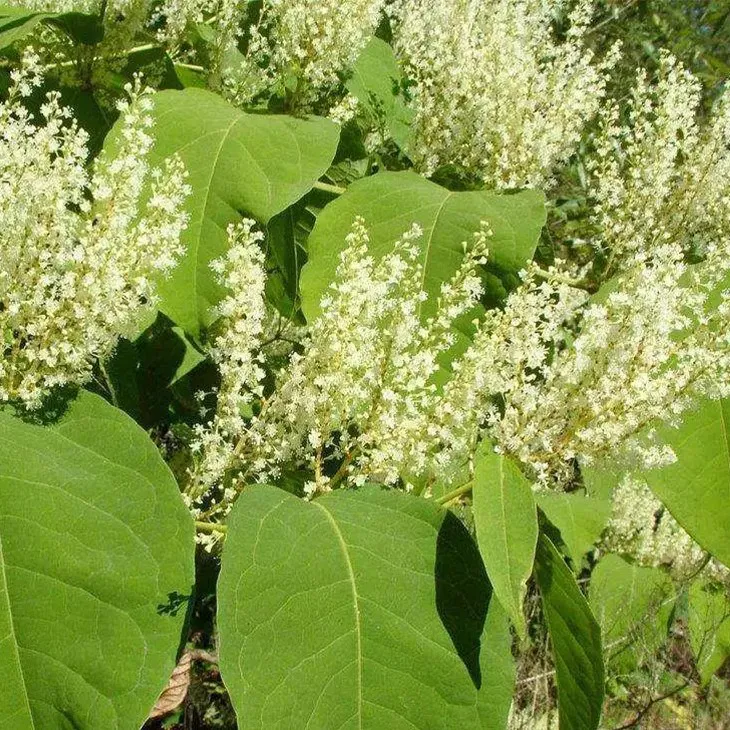
5. Natural Sources: Japanese Knotweed vs. Grape Seed vs. Red Wine
Source Resveratrol Content Cost Key Characteristics Japanese Knotweed (Polygonum cuspidatum) 5-15% in root extract Low-Moderate Primary commercial source; sustainable cultivation Grape Seed Extract 0.1-1% Moderate Contains proanthocyanidins; lower resveratrol yield Red Wine 0.1-14 mg/L High (per unit resveratrol) Not practical for supplement production Trans-Resveratrol (synthetic) 98-99% High Chemically identical to natural form
Industry Standard: Japanese Knotweed (Polygonum cuspidatum) root extract is the primary commercial source of natural resveratrol, offering the best balance of yield, cost, and sustainability.
6. Recommended Dosage for Different Health Applications
Application Daily Dosage Notes General Antioxidant Support 50-100 mg Daily maintenance Cardiovascular Support 100-500 mg Clinical study range Metabolic Health 500-1,000 mg Higher dose for insulin sensitivity Anti-Aging / Longevity 250-500 mg Sustained daily intake Skin Health (Oral) 50-200 mg Combined with topical application Cognitive Support 200-500 mg Emerging research area
Important: Most clinical studies use trans-resveratrol (the biologically active isomer), which should be verified through HPLC testing.
7. Bioavailability Challenges and Solutions
Resveratrol faces several bioavailability challenges that formulators must address:
Challenges:
Rapid Metabolism: Extensive first-pass metabolism in the liver (glucuronidation and sulfation)
Low Oral Bioavailability: Estimated at less than 1% in free form
Short Half-Life: Rapid clearance from the bloodstream
Solutions:
Micronization: Reducing particle size to improve dissolution and absorption
Liposomal Delivery: Encapsulation in phospholipid bilayers enhances absorption
Piperine Combination: Black pepper extract inhibits glucuronidation, increasing bioavailability
Quercetin Synergy: Co-administration with Quercetin may enhance resveratrol absorption
Phytosome Technology: Complexation with phospholipids for improved delivery
Sublingual Delivery: Bypasses first-pass metabolism
8. How to Source Premium Resveratrol extract from China
Key Selection Criteria:
Raw Material: Japanese Knotweed root should be sustainably sourced and properly identified
Isomer Ratio: Trans-resveratrol should be ≥ 98% of total resveratrol content
Extraction Method: Ethanol extraction with proper purification is standard
Standardization: Verify content via independent HPLC testing
Solvent Residue: Ensure compliance with ICH Q3C guidelines for residual solvents
Heavy Metals: ICP-MS testing for As, Pb, Cd, Hg
Pesticide Residues: Multi-residue screening for EU and US market compliance
9. Quality Testing, Standardization and Regulatory Compliance
Essential Testing:
HPLC: Trans-resveratrol content (should be ≥ 98% of total)
HPLC: Cis-resveratrol content (should be minimal)
Residual Solvents: Ethanol, methanol per ICH Q3C
Heavy Metals: ICP-MS per USP <232>/<233>
Microbiological: USP <61>/<62> testing
Pesticide Residues: EU MRL compliance
Certifications Required:
ISO22000, BRCGS, GMP, HALAL, Kosher
Organic certification (Ecocert) for organic-grade products
10. Why Greensky Is Your Trusted Resveratrol Supply Partner
Greensky Bio brings 20+ years of plant extract expertise to resveratrol sourcing:
Our Advantages:
Sustainable Sourcing: Japanese Knotweed from verified cultivation sources
Advanced Purification: Multi-step purification achieving ≥ 98% trans-resveratrol
Comprehensive Testing: In-house HPLC laboratory for content verification
Multiple Specifications: 50%, 90%, 98% trans-resveratrol available
Production Capacity: 500+ tons annual plant extract production
Global Certifications: ISO22000, BRCGS, Ecocert Organic, GMP
Export Experience: Serving markets in Europe, USA, South Korea, and Russia
Technical Support: Formulation guidance for optimal bioavailability
Available Products:
Resveratrol extract 50% (Japanese Knotweed)
Resveratrol Extract 90% (Japanese Knotweed)
Trans-Resveratrol 98% (High-Purity)
Contact Greensky Bio today for samples, COA, and competitive B2B pricing.
Greensky Bio — Natural Plant Extract Manufacturer Since 2004
- ▶ Hesperidin
- ▶ Citrus Bioflavonoids
- ▶ Plant Extract
- ▶ lycopene
- ▶ Diosmin
- ▶ Grape seed extract
- ▶ Sea buckthorn Juice Powder
- ▶ Fruit Juice Powder
- ▶ Hops Extract
- ▶ Artichoke Extract
- ▶ Mushroom extract
- ▶ Astaxanthin
- ▶ Green Tea Extract
- ▶ Curcumin
- ▶ Horse Chestnut Extract
- ▶ Other Product
- ▶ Boswellia Serrata Extract
- ▶ Resveratrol
- ▶ Marigold Extract
- ▶ Grape Leaf Extract
- ▶ New Product
- ▶ Aminolevulinic acid
- ▶ Cranberry Extract
- ▶ Red Yeast Rice
- ▶ Red Wine Extract
- ▶ blog
-
Lemon Juice Powder
2026-10-31
-
Cayenne Pepper Extract
2026-10-31
-
Artichoke Extract
2026-10-31
-
Red Date Extract
2026-10-31
-
Cocoa Extract
2026-10-31
-
Pomegranate Extract
2026-10-31
-
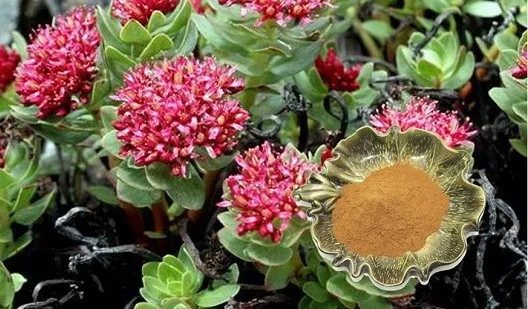
Rhodiola Rosea Extract
2026-10-31
-
Phyllanthus Emblica Extract
2026-10-31
-
Echinacea Extract
2026-10-31
-
Maca Extract
2026-10-31