- 0086-571-85302990
- [email protected]





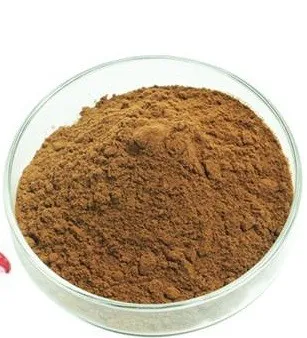
Cayenne Pepper Extract
1. Introduction
Capsaicin — the fiery compound that gives chili peppers their characteristic heat — has been used for thousands of years in traditional medicine across Asia, the Americas, and Africa. Today, cayenne pepper extract (Capsicum annuum) stands as one of the most scientifically validated botanical ingredients, with extensive clinical research supporting its role in metabolic health, pain management, and cardiovascular wellness. Hangzhou Greensky Biological Tech Co., Ltd offers premium standardized cayenne pepper extract with verified capsaicinoid content, backed by ISO22000, BRCGS, and Ecocert Organic certifications.
2. What Is Cayenne Pepper Extract?
Cayenne pepper extract is a concentrated preparation derived from the dried fruits of Capsicum annuum L., a species of the Solanaceae (nightshade) family. The extract is standardized to deliver precise levels of capsaicinoids — the bioactive compounds responsible for both the pungency and the therapeutic effects of chili peppers.
2.1 Botanical Information
| Item | Details |
|---|---|
| Botanical Name | Capsicum annuum L. |
| Family | Solanaceae |
| Part Used | Fruit (dried) |
| Origin | China, India, Mexico |
| CAS No. | 404-86-4 (Capsaicin) |
| Common Names | Cayenne pepper, red pepper, chili pepper |
2.2 Active Capsaicinoid Profile
The capsaicinoid complex consists of several structurally related compounds:
| Capsaicinoid | Typical Content | Scoville Contribution |
|---|---|---|
| Capsaicin | ≥ 4.0% | ~60% of total heat |
| Dihydrocapsaicin | ≥ 1.5% | ~35% of total heat |
| Nordihydrocapsaicin | 0.2-0.5% | ~3% |
| Homocapsaicin | 0.1-0.3% | ~1% |
| Homodihydrocapsaicin | 0.1-0.2% | ~1% |
| Total Capsaicinoids | ≥ 6.0% | ~90,000-100,000 SHU |
2.3 Specifications
| Parameter | Specification | Test Method |
|---|---|---|
| Appearance | Red to orange-red fine powder | Visual |
| Total Capsaicinoids | ≥ 6.0% | HPLC |
| Capsaicin | ≥ 4.0% | HPLC |
| Dihydrocapsaicin | ≥ 1.5% | HPLC |
| Moisture | ≤ 5.0% | KF / Oven-dry |
| Water Activity (aw) | ≤ 0.50 | AOAC 978.18 |
| Ash | ≤ 8.0% | High-temperature ignition |
| Particle Size | 95% through 80 mesh | Sieving |
| Bulk Density | 400-600 g/L | ISO 697 |
| Solvent Residue | Complies with USP <467> | GC |
2.4 Quality Control Testing
Our cayenne pepper extract undergoes rigorous quality testing:
Active compound verification: HPLC quantification of individual capsaicinoids
Microbiological screening: Total plate count ≤ 10,000 CFU/g; Mold & yeast ≤ 1,000 CFU/g; Salmonella, S. aureus negative
Heavy metals: Pb ≤ 2.0 mg/kg; As ≤ 1.0 mg/kg; Hg ≤ 0.1 mg/kg; Cd ≤ 0.5 mg/kg (ICP-MS)
Pesticide residues: Compliant with EU Regulation 396/2005 (GC-MS / LC-MS/MS)
Mycotoxins: Aflatoxins ≤ 10 μg/kg; Ochratoxin A ≤ 5 μg/kg (HPLC-FLD)
Irradiation: Negative (EN 1784/1785)
2.5 Certificate of Analysis
A representative COA for our Cayenne Pepper Extract 6% Capsaicinoids:
| Test Item | Result | Specification | Status |
|---|---|---|---|
| Total Capsaicinoids | 6.2% | ≥ 6.0% | ✓ Pass |
| Capsaicin | 4.3% | ≥ 4.0% | ✓ Pass |
| Dihydrocapsaicin | 1.7% | ≥ 1.5% | ✓ Pass |
| Moisture | 3.8% | ≤ 5.0% | ✓ Pass |
| Ash | 6.5% | ≤ 8.0% | ✓ Pass |
| Heavy Metals | Compliant | — | ✓ Pass |
| Microbiological | Compliant | — | ✓ Pass |
| Pesticide Residues | Compliant | EU 396/2005 | ✓ Pass |
3. Core Benefits & Mechanisms of Action
3.1 Metabolic Support & Thermogenesis
Capsaicin's most well-documented effect is its ability to increase energy expenditure through dietary-induced thermogenesis. It activates the transient receptor potential vanilloid 1 (TRPV1) channel, which triggers the sympathetic nervous system to release catecholamines (adrenaline and noradrenaline). These hormones stimulate β3-adrenergic receptors on adipocytes, promoting the breakdown of stored triglycerides into free fatty acids — a process known as lipolysis.
A meta-analysis published in Chemical Senses (2014) found that capsaicin supplementation increased daily energy expenditure by approximately 50 kcal and significantly reduced appetite, particularly in individuals not habituated to spicy foods. Another study in the American Journal of Clinical Nutrition (2009) demonstrated that capsaicinoids enhanced fat oxidation by up to 16% during the postprandial period.
Key findings:
↑ Energy expenditure by ~50 kcal/day
↑ Fat oxidation by up to 16%
↓ Appetite and calorie intake, especially in non-habituated consumers
↑ Core body temperature (thermogenic effect)
3.2 Topical Analgesic & Pain Relief
Topical capsaicin is an FDA-approved treatment for neuropathic pain, including post-herpetic neuralgia and diabetic peripheral neuropathy. The mechanism involves the depletion of substance P, a neuropeptide responsible for transmitting pain signals from peripheral nerves to the central nervous system.
When applied to the skin, capsaicin initially activates TRPV1 receptors, causing a burning sensation. With continued use, however, the nerve endings become desensitized — a phenomenon called defunctionalization — and substance P stores are depleted, resulting in significant pain relief.
Clinical trials published in Pain (2010) and the Journal of Pain Research (2017) have demonstrated that capsaicin-containing topical formulations (0.025%-0.1%) provide meaningful pain reduction in patients with osteoarthritis, rheumatoid arthritis, and neuropathic pain conditions.
3.3 Cardiovascular Health
Emerging research suggests capsaicin may support cardiovascular wellness through multiple pathways:
Blood pressure regulation: A 2010 study in Cell Metabolism found that TRPV1 activation by capsaicin promoted the production of nitric oxide (NO) in endothelial cells, leading to vasodilation and reduced blood pressure.
Lipid metabolism: Animal studies published in the Journal of Nutritional Biochemistry (2015) demonstrated that capsaicin reduced serum cholesterol and triglyceride levels by upregulating LDL receptor expression in the liver.
Anti-inflammatory effects: Capsaicin inhibits NF-κB signaling, a master regulator of inflammatory responses linked to atherosclerosis.
3.4 Anti-Inflammatory & Antioxidant Properties
Beyond capsaicin itself, cayenne pepper extract contains a rich profile of carotenoids (including β-carotene and capsanthin), vitamin C, and flavonoids that contribute to its antioxidant capacity. The extract has been shown to:
Inhibit COX-2 and 5-LOX enzyme activity, reducing prostaglandin and leukotriene production
Scavenge free radicals through its carotenoid and phenolic content
Modulate inflammatory cytokine expression (TNF-α, IL-6, IL-1β)
A study in the Journal of Agricultural and Food Chemistry (2013) found that cayenne pepper extract exhibited antioxidant activity comparable to synthetic antioxidants (BHT/BHA) in lipid peroxidation assays.
4. Wide-Ranging Applications
4.1 Dietary Supplements & Nutraceuticals
Cayenne pepper extract is one of the most popular ingredients in metabolic and weight management supplements. It is commonly formulated into:
Capsules & tablets: 50-500 mg standardized extract per serving
Liquid drops: For sublingual or beverage addition
Combination formulas: Paired with Green Tea Extract, green coffee bean, or garcinia cambogia for synergistic thermogenic effects
Pre-workout supplements: For enhanced metabolic rate and energy
4.2 Functional Foods & Beverages
Energy drinks: Capsaicin microencapsulation allows stable incorporation into liquid formats
Meal replacement shakes: Added for metabolic boost and appetite control
Functional snacks: Energy bars, gummies with capsaicin
Culinary seasonings: Standardized heat level for consistent flavor profiles
4.3 Topical Analgesics & Personal Care
Pain relief creams & gels: 0.025%-0.1% capsaicin for osteoarthritis, muscle soreness, and neuropathic pain
Warming balms: Sports recovery products, massage creams
Scalp treatments: Capsaicin stimulates blood circulation in the scalp; research in Journal of Dermatological Science (2007) showed capsaicin promoted hair growth in murine models
Lip plumping cosmetics: Temporary vasodilation creates a fuller appearance
4.4 Animal Nutrition
Feed additives: Capsaicin has been studied for its ability to improve gut health and feed efficiency in poultry and swine
Palatability enhancers: In small amounts, can improve feed intake in certain species
5. How to Choose a High-Quality Cayenne Pepper Extract
When sourcing cayenne pepper extract for commercial applications, consider the following quality criteria:
5.1 Standardized Capsaicinoid Content
Not all extracts are created equal. The key differentiator is verified capsaicinoid content through HPLC testing. Look for suppliers who provide:
Individual capsaicin and dihydrocapsaicin percentages (not just "total")
Batch-specific COAs with actual test results (not ranges)
Third-party verification from recognized laboratories (SGS, Eurofins)
5.2 Extraction Method & Solvent Safety
The extraction process significantly impacts product quality:
Ethanol extraction is the industry gold standard — it effectively extracts capsaicinoids while leaving behind unwanted pigments and waxes
Verify solvent residue compliance with USP <467> or ICH Q3C guidelines
Avoid products extracted with hexane or other toxic solvents unless thoroughly removed and tested
5.3 Physical Specifications
Particle size: Finer powders (80-100 mesh) ensure better dispersion and bioavailability in capsule/tablet formulations
Water activity: ≤ 0.50 prevents microbial growth during storage
Color consistency: Standardized red-orange coloration indicates uniform extraction and raw material sourcing
5.4 Regulatory Compliance
Ensure your supplier can provide documentation for:
FDA facility registration (for US market)
EU Novel Food compliance (capsaicin has established use in the EU)
GRAS status (Generally Recognized As Safe for use in foods)
Organic certification (EU/USDA) if marketing as organic
Kosher & Halal certification for broader market access
5.5 Safety & Handling
⚠️ Important: Cayenne pepper extract is a potent ingredient. Proper PPE (gloves, mask, goggles) is required during handling. Suppliers should provide Safety Data Sheets (SDS) and handling guidelines.
6. About Greensky Bio — Your Trusted Capsaicin Extract Partner
As a professional natural plant extract manufacturer established in 2004, Hangzhou Greensky Biological Tech Co., Ltd brings over two decades of expertise to the cayenne pepper extract supply chain. Our commitment to quality and service includes:
6.1 Quality Assurance
In-house testing: HPLC analysis for capsaicinoid content on every batch
Third-party verification: Independent testing reports from SGS and Eurofins available
Comprehensive safety screening: Heavy metals, pesticides, mycotoxins, microbiology — all tested per international standards
Traceability: Full lot tracking from raw material sourcing through finished product
6.2 Certifications
| Certification | Status |
|---|---|
| ISO 22000 / HACCP | ✓ Certified |
| BRCGS | ✓ Certified |
| Ecocert Organic | ✓ Certified |
| Non-GMO | ✓ Available |
| Kosher | ✓ Available |
| Halal | ✓ Available |
| FDA Facility Registration | ✓ Registered |
6.3 Customization & Service
Custom specifications: Available in 1%, 3%, 6%, 10%, and 95% (pure capsaicin) concentrations
Custom formulations: Blending with other botanical extracts upon request
Flexible packaging: 10g samples, 1kg trial orders, 25kg bulk packaging
Technical support: Application guidance, formulation assistance, regulatory documentation
6.4 Supply Capacity
Annual capacity: Stable supply with consistent quality
Lead time: 3-5 days for samples, 15-25 days for bulk orders
Global shipping: Experienced in export documentation and logistics
7. Conclusion & Get a Quote
Cayenne pepper extract is a scientifically validated, multi-functional botanical ingredient with applications spanning metabolic health, pain management, functional foods, and personal care. With over 2,000 published studies supporting its mechanisms of action, capsaicin continues to gain traction among formulators, supplement brands, and pharmaceutical companies worldwide.
Ready to explore cayenne pepper extract for your next product?
Contact us today to receive:
Free sample (10g) for your evaluation
Complete COA and specification sheet
Third-party testing reports (SGS, Eurofins)
Competitive quotation based on your volume requirements
Technical support from our experienced team
Whether you're developing a metabolic support supplement, a topical analgesic, or a functional food product, our standardized cayenne pepper extract delivers consistent potency, verified quality, and full regulatory compliance.
Our team of experts is ready to provide technical guidance, custom formulations, and tailored solutions for your specific application needs.