- 0086-571-85302990
- [email protected]





Resveratrol
1. Introduction
The so-called "French Paradox" — the observation that French populations exhibit relatively low rates of cardiovascular disease despite diets rich in saturated fats — sparked decades of scientific investigation, ultimately pointing to resveratrol, a naturally occurring polyphenol found in grape skins, red wine, and several other plant species. Since its discovery in 1940 and the landmark 1997 study demonstrating its cancer chemopreventive properties (Jang et al., Science), resveratrol has become one of the most intensively studied natural compounds in longevity science, cardiovascular health, and anti-aging research, with over 10,000 peer-reviewed publications to date. Hangzhou Greensky Biological Tech Co., Ltd — established in 2004 as a professional natural plant extract manufacturer — offers trans-resveratrol in multiple specifications (10%, 20%, 50%, 98%), backed by ISO22000, BRCGS, Ecocert Organic, and SGS-GMP certifications.
2. What Is Resveratrol?
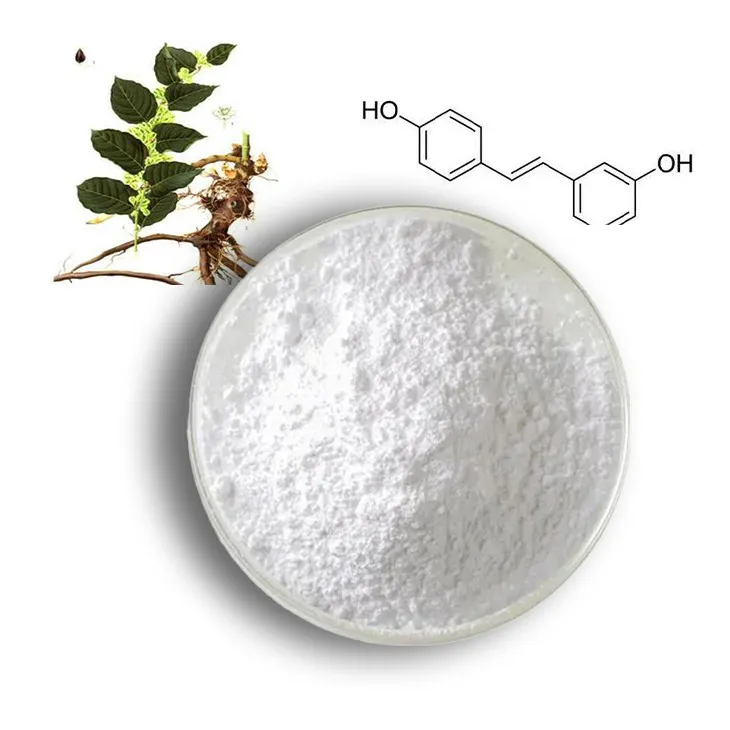
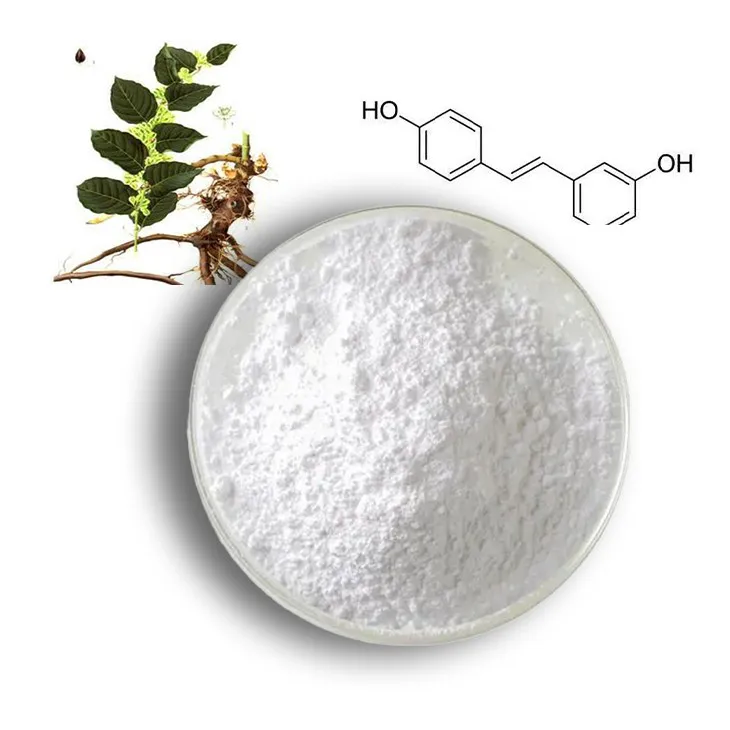
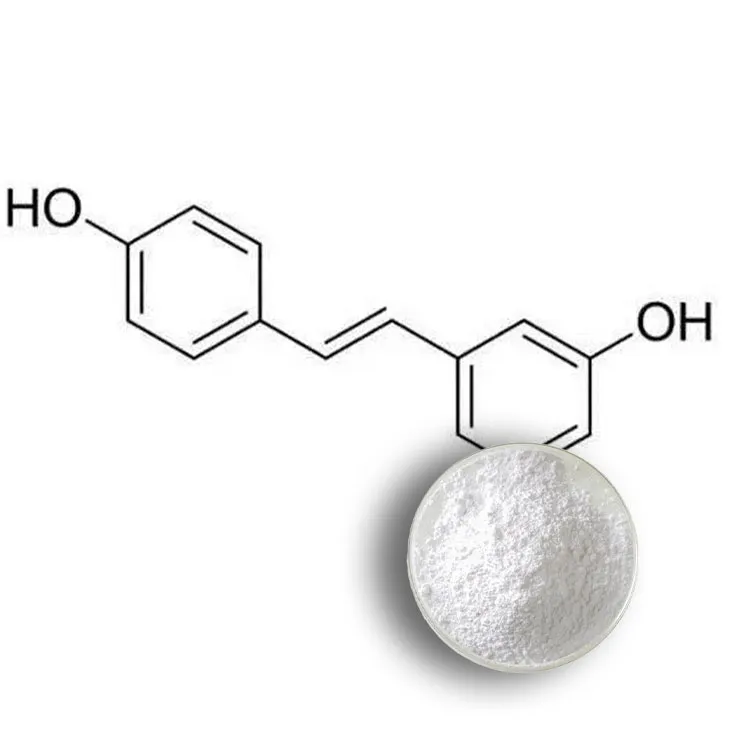
Resveratrol (3,5,4′-trihydroxystilbene) is a naturally occurring stilbenoid polyphenol that functions as a phytoalexin — a defensive compound produced by plants in response to stress, injury, fungal infection, or UV radiation.
2.1 Botanical Information
| Item | Details |
|---|---|
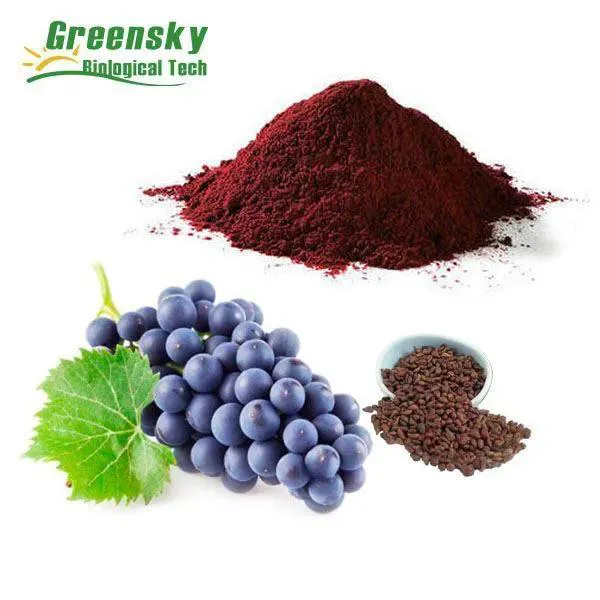
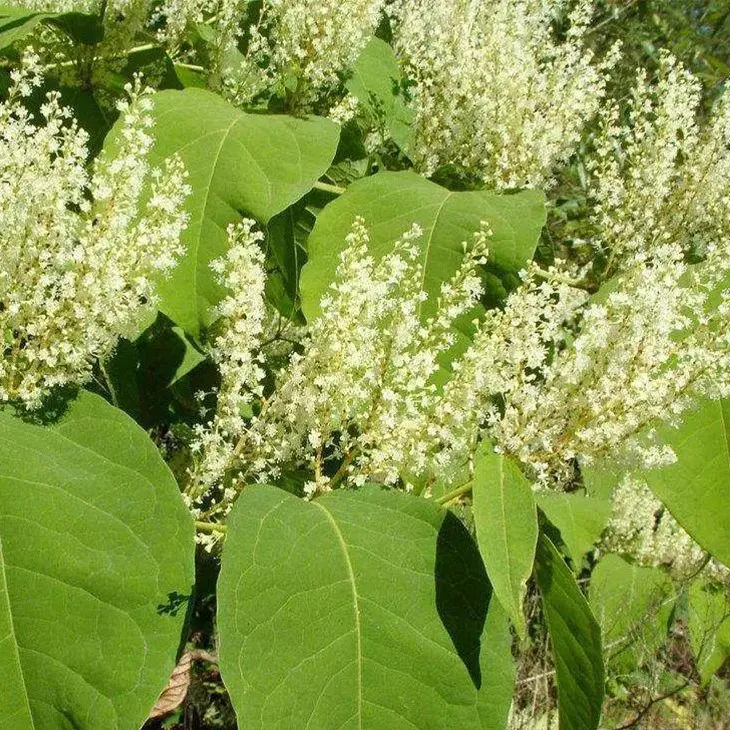
| Latin Name | Vitis vinifera L. (grape); Polygonum cuspidatum Sieb. et Zucc. (Japanese knotweed) |
| Family | Vitaceae (grape) / Polygonaceae (knotweed) |
| Common Names | Grape skin extract, Japanese knotweed root extract, Red wine polyphenol |
| Main Growing Regions | Grapes: France, Italy, Spain, Chile, California; Knotweed: China, Japan, Korea |
| Extraction Part | Grape skins (post-winemaking byproduct); Japanese knotweed roots and rhizomes |
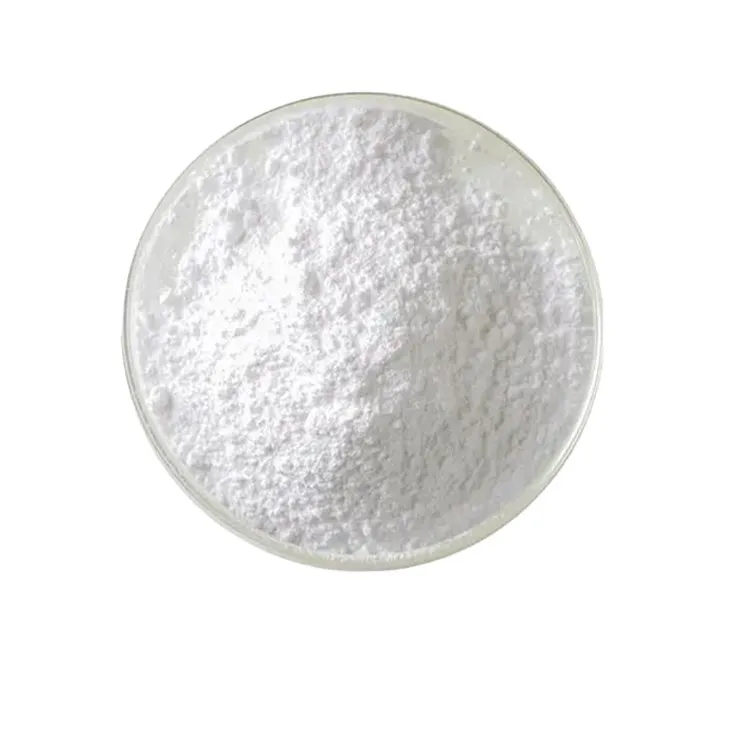
| Appearance | White to off-white crystalline powder (high purity); light brown powder (lower purity) |
| CAS Number | 501-36-0 |
| Molecular Formula | C₁₄H₁₂O₃ |
| Molecular Weight | 228.25 g/mol |
2.2 Key Active Compounds
| Compound | Class | Function |
|---|---|---|
| Trans-Resveratrol | Stilbenoid polyphenol | Primary bioactive isomer; SIRT1 activation, antioxidant |
| Cis-Resveratrol | Stilbenoid polyphenol | Less bioactive isomer; converts to trans form under UV exposure |
| Resveratrol-3-O-glucoside (Piceid) | Stilbenoid glucoside | Natural glycosylated form in plants |
| Pterostilbene | Stilbenoid dimethyl ether | Methoxylated analog; enhanced bioavailability |
| ε-Viniferin | Resveratrol dimer | Oligomeric stilbenoid with anti-inflammatory activity |
2.3 Standard Specifications
| Specification | Standard |
|---|---|
| Trans-Resveratrol (HPLC) | 10%, 20%, 50%, 98% |
| Trans:Cis Ratio | ≥ 98:2 (for 98% grade) |
| Moisture | ≤ 1.0% (98% grade); ≤ 5.0% (lower grades) |
| Ash | ≤ 0.5% |
| Heavy Metals | ≤ 10 ppm |
| Arsenic (As) | ≤ 0.5 ppm |
| Lead (Pb) | ≤ 1.0 ppm |
| Pesticide Residues | Compliant with USP/EP limits |
| Solvent Residues | Compliant with ICH Q3C guidelines |
| Microbial Limits | Total plate count ≤ 1,000 CFU/g; Yeast & Mold ≤ 100 CFU/g |
2.4 Certificate of Analysis (COA) — Representative for Resveratrol 98%
| Test Item | Standard | Result | Method |
|---|---|---|---|
| Description | White to off-white crystalline powder | Complies | Visual |
| Trans-Resveratrol (HPLC) | ≥ 98.0% | 98.5% | HPLC-UV |
| Cis-Resveratrol | ≤ 1.0% | 0.3% | HPLC-UV |
| Loss on Drying | ≤ 1.0% | 0.4% | USP <731> |
| Residue on Ignition | ≤ 0.5% | 0.1% | USP <281> |
| Heavy Metals | ≤ 10 ppm | < 5 ppm | ICP-MS |
| Arsenic | ≤ 0.5 ppm | < 0.1 ppm | ICP-MS |
| Lead | ≤ 1.0 ppm | < 0.2 ppm | ICP-MS |
| Total Plate Count | ≤ 1,000 CFU/g | < 100 CFU/g | USP <61> |
| Yeast & Mold | ≤ 100 CFU/g | < 10 CFU/g | USP <61> |
3. Core Health Benefits & Mechanisms of Action
3.1 Sirtuin Activation & Longevity Science
Resveratrol's most celebrated property is its ability to activate sirtuins — a family of NAD⁺-dependent deacetylase enzymes linked to longevity, metabolic regulation, and cellular stress resistance.
SIRT1 Activation: Resveratrol directly activates SIRT1 (Sirtuin 1), mimicking the effects of caloric restriction — a well-established longevity intervention (Howitz et al., 2003, Nature). This was the first identification of a small-molecule SIRT1 activator.
AMPK Pathway: Resveratrol activates AMPK, which in turn increases NAD⁺ levels, creating a positive feedback loop that further enhances SIRT1 activity (Cantó et al., 2009, Cell Metabolism).
FOXO Transcription Factors: SIRT1 activation leads to deacetylation and activation of FOXO transcription factors, promoting stress resistance, DNA repair, and apoptosis of damaged cells (Brunet et al., 2004, Science).
Mitochondrial Biogenesis: Through the SIRT1–PGC-1α axis, resveratrol promotes mitochondrial biogenesis and function, improving cellular energy metabolism (Lagouge et al., 2006, Cell).
3.2 Cardiovascular Protection
Resveratrol supports cardiovascular health through multiple complementary mechanisms:
Endothelial Function: Enhances endothelial nitric oxide synthase (eNOS) activity, promoting nitric oxide (NO) production and vasodilation (Wallace et al., 2006, Hypertension).
Anti-Platelet Aggregation: Inhibits platelet aggregation by suppressing thromboxane A2 synthesis and reducing platelet adhesiveness (Pace-Asciak et al., 1991, Journal of Agricultural and Food Chemistry).
LDL Oxidation Prevention: As a potent antioxidant, resveratrol prevents the oxidation of LDL cholesterol — a critical step in atherosclerotic plaque formation (Frankel et al., 1993, The Lancet).
Anti-Inflammatory: Suppresses NF-κB signaling and reduces vascular inflammation, a key driver of atherosclerosis (Blanco-Colio et al., 2007, Atherosclerosis).
Clinical Evidence: A meta-analysis of randomized controlled trials found that resveratrol supplementation significantly reduced systolic blood pressure (−2.87 mmHg) at doses ≥ 150 mg/day, particularly in younger populations (Liu et al., 2019, Pharmacological Research).
3.3 Antioxidant & Anti-Aging
Free Radical Scavenging: Resveratrol's three hydroxyl groups donate hydrogen atoms to neutralize reactive oxygen species (ROS), including superoxide anion (O₂⁻·), hydroxyl radical (·OH), and peroxyl radicals (Leonard et al., 2003, Journal of Agricultural and Food Chemistry).
Nrf2 Pathway: Activates the Nrf2/ARE antioxidant response pathway, upregulating endogenous antioxidant enzymes (SOD, CAT, GPx, HO-1) (Csiszar et al., 2009, American Journal of Physiology).
Collagen Protection: Inhibits matrix metalloproteinases (MMP-1, MMP-3, MMP-9) that degrade collagen and elastin in skin, supporting skin firmness and reducing wrinkle formation (Bhattarai et al., 2019, Molecules).
Telomere Protection: Resveratrol has been shown to reduce telomere attrition rate in human cells by protecting telomeric DNA from oxidative damage (Hubbard et al., 2022, Antioxidants).
3.4 Neuroprotection & Cognitive Health
Blood-Brain Barrier Penetration: Resveratrol crosses the blood-brain barrier, as demonstrated in human PET imaging studies (Wang et al., 2019, Scientific Reports).
Amyloid-β Reduction: Reduces amyloid-β plaque formation and tau protein hyperphosphorylation in Alzheimer's disease models (Karuppagounder et al., 2009, Neurochemistry International).
BDNF Enhancement: Increases brain-derived neurotrophic factor (BDNF) expression, supporting neuronal survival, synaptic plasticity, and cognitive function (Tang et al., 2020, Frontiers in Aging Neuroscience).
Clinical Evidence: A Phase 2 clinical trial found that high-dose resveratrol (1 g twice daily) was well-tolerated and showed evidence of reduced neuroinflammation and preserved hippocampal volume in mild-to-moderate Alzheimer's patients (Turner et al., 2015, Neurology).
3.5 Anti-Inflammatory & Immune Modulation
COX-2 Inhibition: Resveratrol inhibits cyclooxygenase-2 (COX-2), reducing prostaglandin E2 (PGE2) production and inflammation (Subbaramaiah et al., 1998, Journal of Biological Chemistry).
NF-κB Suppression: Blocks nuclear translocation of NF-κB, reducing the expression of pro-inflammatory cytokines (TNF-α, IL-1β, IL-6) (Holmes et al., 2016, Molecular Nutrition & Food Research).
NLRP3 Inflammasome: Suppresses NLRP3 inflammasome activation, a key driver of chronic low-grade inflammation associated with aging ("inflammaging") (Yuan et al., 2019, Frontiers in Immunology).
3.6 Metabolic Health & Weight Management
Adipogenesis Inhibition: Resveratrol suppresses adipocyte differentiation by downregulating PPARγ and C/EBPα transcription factors (Park et al., 2008, Biochemical and Biophysical Research Communications).
White-to-Brown Fat Conversion: Promotes browning of white adipose tissue, increasing energy expenditure through UCP1 activation (Wang et al., 2018, Molecular Metabolism).
Insulin Sensitivity: Improves insulin signaling via AMPK activation and SIRT1-mediated deacetylation of insulin receptor substrates.
Clinical Evidence: A meta-analysis of 11 RCTs found that resveratrol supplementation significantly reduced fasting glucose (−0.33 mmol/L), fasting insulin (−1.91 μIU/mL), and HOMA-IR in diabetic patients (Zhou et al., 2021, Clinical Nutrition).
4. Wide-Ranging Application Areas
4.1 Anti-Aging & Longevity Supplements
Resveratrol is a cornerstone ingredient in the growing longevity and healthy-aging supplement market:
Sirtuin Activation Capsules: Typically dosed at 100–500 mg trans-resveratrol per serving, often combined with NAD⁺ precursors (NMN, NR) and PQQ.
Longevity Blends: Combined with Quercetin, fisetin, Curcumin, and EGCG for comprehensive senolytic and anti-aging formulations.
Caloric Restriction Mimetics: Positioned as natural CR mimetics for consumers seeking the benefits of caloric restriction without dietary restriction.
4.2 Cardiovascular Health Supplements
Heart Health Formulations: Combined with CoQ10, omega-3 fatty acids, garlic extract, and hawthorn for comprehensive cardiovascular support products.
Blood Pressure Support: Paired with olive leaf extract, hibiscus, and magnesium for natural blood pressure management formulations.
Cholesterol Management: Combined with red yeast rice, plant sterols, and berberine for lipid metabolism support.
4.3 Functional Foods & Beverages
Anti-Aging Functional Beverages: Resveratrol-enriched drinks targeting the health-conscious consumer seeking longevity benefits.
Red Wine Alternatives: Non-alcoholic beverages formulated with resveratrol to deliver the "French Paradox" benefits without alcohol.
Meal Supplements: Added to nutritional powders and bars for metabolic and antioxidant support.
4.4 Cosmetics & Anti-Aging Skincare
Resveratrol is a premium active ingredient in anti-aging cosmetic formulations:
Anti-Wrinkle Serums: Resveratrol's collagen-protective and antioxidant properties make it a key ingredient in premium anti-aging serums and creams.
Skin Brightening Products: Inhibits tyrosinase activity, reducing hyperpigmentation and promoting even skin tone.
UV Protection Formulations: Resveratrol's antioxidant activity provides photoprotective effects, complementing sunscreen actives.
Anti-Acne Products: Anti-inflammatory and antimicrobial properties support acne-prone skin management.
4.5 Sports Nutrition & Recovery
Exercise Performance: Resveratrol has been shown to improve mitochondrial function and exercise capacity in animal models and some human studies.
Post-Exercise Recovery: Antioxidant and anti-inflammatory properties may reduce exercise-induced muscle damage and accelerate recovery.
4.6 Animal Nutrition
Poultry & Swine Health: Resveratrol supplementation improves growth performance, reduces oxidative stress, and enhances immune function in livestock (Gao et al., 2021, Antioxidants).
Aquaculture: Used as a natural antioxidant and growth promoter in fish and shrimp feed.
5. Key Factors for Choosing High-Quality Resveratrol
5.1 Source Material: Grape Skin vs. Japanese Knotweed
Two primary commercial sources exist, each with distinct characteristics:
| Factor | Japanese Knotweed | Grape Skin |
|---|---|---|
| Resveratrol Content | High (naturally concentrated in roots) | Lower (requires concentration from winemaking byproduct) |
| Cost | Lower | Higher |
| Sustainability | Invasive species; harvesting benefits ecosystems | Upcycles winemaking waste |
| Isomer Profile | Higher trans-resveratrol content | Contains beneficial co-polyphenols |
| Market Preference | Cost-effective for bulk supplement manufacturing | Preferred for "wine-derived" premium positioning |
Both sources yield high-quality trans-resveratrol when properly extracted and purified.
5.2 Trans vs. Cis Isomer
Trans-Resveratrol is the biologically active isomer and the form used in virtually all clinical research.
Cis-Resveratrol has significantly lower bioactivity and forms upon UV exposure of trans-resveratrol.
Quality Indicator: Premium resveratrol products specify the trans:cis ratio (≥ 98:2 for 98% grade).
5.3 Purity Grades & Application Matching
| Grade | Typical Purity | Best For |
|---|---|---|
| Standard | 10%–20% | General dietary supplements, cost-sensitive formulations |
| Intermediate | 50% | Mid-range supplements, functional foods |
| Pharmaceutical | 98% | Premium supplements, clinical-grade formulations, research |
5.4 Extraction Methods
Solvent Extraction: Ethanol or methanol extraction from Japanese knotweed roots, followed by chromatographic purification for high-purity grades.
Supercritical CO₂ Extraction: Emerging technology offering solvent-free extraction with high selectivity for trans-resveratrol.
Membrane Separation: Advanced purification technique achieving 98%+ purity with minimal solvent use.
5.5 Stability & Handling
Light Sensitivity: Resveratrol degrades under UV exposure (trans → cis conversion). Products should be stored in opaque, airtight containers.
Oxidation: Susceptible to oxidation; antioxidant co-formulation (e.g., vitamin C, tocopherols) recommended in finished products.
Shelf Life: 24 months when stored properly (cool, dark, dry conditions).
5.6 Third-Party Testing
Reputable suppliers provide comprehensive testing reports from accredited laboratories covering:
Trans/cis isomer ratio (HPLC)
Heavy metals (ICP-MS)
Pesticide residues (GC-MS/LC-MS)
Residual solvents (GC-MS, ICH Q3C compliance)
Microbial limits
Moisture and ash
6. About Greensky Biochem — Your Trusted Resveratrol Supplier
Hangzhou Greensky Biological Tech Co., Ltd, established in 2004, is a professional manufacturer and exporter of natural plant extracts with over two decades of experience. Our resveratrol product line is backed by:
Our Advantages for Resveratrol:
Multi-Grade Portfolio: We supply trans-resveratrol at 10%, 20%, 50%, and 98% purity, allowing customers to select the optimal grade for their application and cost structure.
Dual-Source Options: Both Japanese knotweed and grape skin-derived resveratrol available, supporting different market positioning strategies.
Comprehensive Certifications: ISO22000, BRCGS, Ecocert Organic, Kosher, Halal, and SGS-GMP.
Analytical Capability: In-house HPLC and LC-MS/MS equipment for real-time quality monitoring and rapid batch release.
Technical Documentation: Full technical packages including COA, MSDS, stability data, and regulatory compliance documentation.
Custom Solutions: Custom particle sizes, blends, and encapsulation services available to match your manufacturing requirements.
Stable Supply Chain: Long-term partnerships with certified cultivation bases and winemaking cooperatives ensure consistent raw material quality and reliable year-round supply.
7. Conclusion & Call to Action
Resveratrol remains one of the most extensively researched natural compounds in human health — with over 10,000 peer-reviewed publications spanning longevity science, cardiovascular health, neuroprotection, metabolic regulation, and anti-aging skincare. Its unique ability to activate sirtuins, modulate AMPK signaling, and provide multi-target antioxidant and anti-inflammatory protection makes it an exceptionally versatile ingredient for health and wellness product development.
Whether you are formulating a longevity supplement, a cardiovascular health product, a premium anti-aging skincare line, or a functional beverage, Hangzhou Greensky Biological Tech Co., Ltd offers the quality, consistency, and technical expertise to bring your product to market.
Ready to explore Resveratrol for your next product?
Contact us today for the latest pricing and availability
Request free samples for your formulation testing
Ask for full COA, stability data, and technical documentation
Our expert team is available for custom specification discussions and formulation guidance
Hangzhou Greensky Biological Tech Co., Ltd — Natural Ingredients, Trusted Quality Since 2004.