- 0086-571-85302990
- [email protected]





Echinacea Extract
1. Introduction
Echinacea (Echinacea purpurea, E. angustifolia, E. pallida) — commonly known as the purple coneflower — is one of the most widely used herbal supplements in the world. Native to North America and long utilized by Indigenous peoples for wound healing and infection support, echinacea has become the flagship botanical for immune health. Modern clinical research has extensively studied its immunomodulatory properties, and today, Echinacea Extract is a cornerstone ingredient in immune-support formulations across the globe.
Hangzhou Greensky Biological Tech Co., Ltd — a professional natural plant extract manufacturer established in 2004 — offers premium standardized Echinacea Extract with verified active compound content, backed by ISO22000, BRCGS, Ecocert Organic, and SGS-GMP certifications.
2. What Is Echinacea Extract?
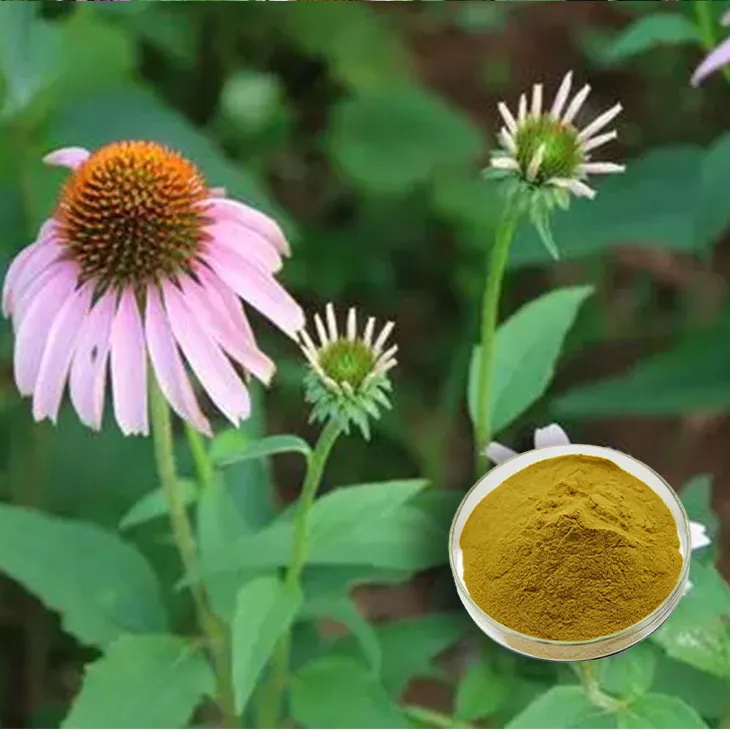
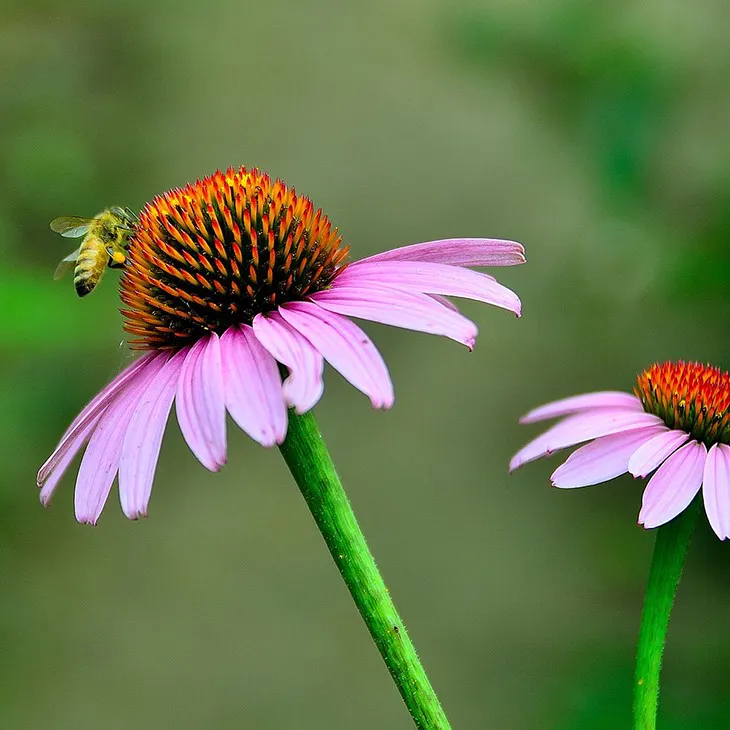
Echinacea extract is a concentrated preparation derived from the aerial parts (flowers, leaves, stems) and/or roots of three primary Echinacea species: Echinacea purpurea (purple coneflower), Echinacea angustifolia (narrow-leaved coneflower), and Echinacea pallida (pale purple coneflower). Each species contributes a unique profile of bioactive compounds.
2.1 Botanical Information
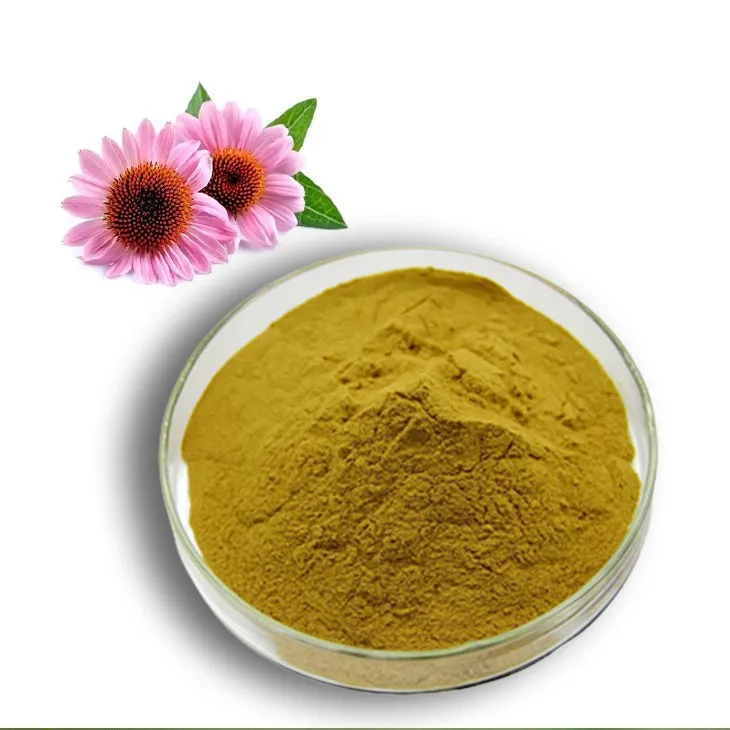
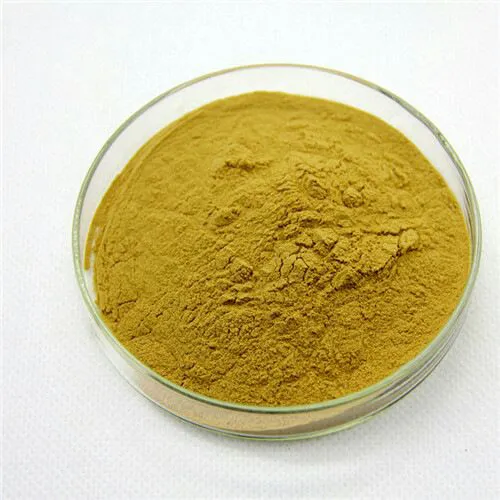
Item Details Latin Name Echinacea purpurea (L.) Moench / E. angustifolia DC. / E. pallida (Nutt.) Nutt. Family Asteraceae (Compositae) Common Name Purple Coneflower, Echinacea Source Plant Echinacea spp. (cultivated primarily in North America, Europe, and China) Main Growing Regions United States (Great Plains), Canada, Germany, China Extraction Part Aerial parts (flowers, leaves) and/or roots Appearance Brown to dark brown fine powder Odor Characteristic herbal aroma
2.2 Key Active Compounds
Compound Detail Alkamides Isobutylamides (e.g., dodeca-2E,4E,8Z,10E/Z-tetraenoic acid isobutylamide); primarily in roots Phenolic Compounds Cichoric acid, caftaric acid, echinacoside, chlorogenic acid Polysaccharides Arabinogalactans, heteroxylans; primarily in aerial parts Glycoproteins Water-soluble immunomodulatory proteins Total Phenols 0.5% – 4.0% (as cichoric acid, UV-Vis) Alkamide Content 0.05% – 0.5% (HPLC)
2.3 Standard Specifications
Specification Standard Total Phenols 0.5%, 1.0%, 2.0%, 4.0% (as cichoric acid, UV-Vis) Alkamides 0.05%, 0.1%, 0.25%, 0.5% (HPLC) Polysaccharides 10%, 20%, 30% (UV-Vis) Moisture ≤ 8.0% Ash Content ≤ 10.0% Heavy Metals Pb ≤ 2.0 ppm; As ≤ 1.0 ppm; Cd ≤ 0.5 ppm; Hg ≤ 0.1 ppm Microbiological TPC < 10,000 CFU/g; Yeast & Mold < 1,000 CFU/g; E. coli negative; Salmonella negative Particle Size 95% through 80 mesh
2.4 Production Process
Raw Material Selection: Echinacea plants are harvested at optimal maturity — roots typically after 3–4 years of growth for maximum alkamide content, and aerial parts during flowering for peak phenolic compound levels.
Drying: Harvested material is dried at controlled low temperatures (below 45°C) to preserve heat-sensitive alkamides and phenolic compounds.
Grinding: Dried material is ground to a uniform particle size for efficient extraction.
Extraction: Multi-solvent extraction (ethanol-water for alkamides and phenols; water for polysaccharides) under controlled temperature and time parameters.
Filtration & Concentration: Extract is filtered to remove insoluble material and concentrated under vacuum.
Purification: The concentrated extract undergoes membrane filtration and/or resin adsorption to enrich target compounds.
Spray Drying: The purified concentrate is spray-dried with a food-grade carrier to produce a free-flowing powder.
Standardization: Active compound content is verified and adjusted to target specification through precise blending.
Quality Testing: HPLC for alkamide and phenolic compound quantification, UV-Vis for polysaccharide content, heavy metals, microbiological screening, and pesticide residue testing.
2.5 Certificate of Analysis (Typical)
Test Item Result Specification Appearance Brown fine powder Complies Total Phenols (as cichoric acid) 4.1% ≥ 4.0% Alkamides (HPLC) 0.26% ≥ 0.25% Moisture 5.2% ≤ 8.0% Ash 7.5% ≤ 10.0% Heavy Metals Complies Complies Microbiological Pass Pass
3. Core Benefits & Mechanisms of Action
3.1 Immune System Modulation — The Signature Benefit
Echinacea is the most extensively researched botanical for immune support, and its mechanisms are well-documented:
Macrophage Activation: Echinacea polysaccharides, particularly arabinogalactans, activate macrophages — key immune cells responsible for phagocytosis (engulfing and destroying pathogens). Activated macrophages increase production of nitric oxide and reactive oxygen species that combat invading microorganisms.
Cytokine Production: Alkamides in echinacea interact with cannabinoid receptor type 2 (CB2) on immune cells, modulating the production of cytokines including IL-2, IL-6, IL-10, and TNF-α. This creates a balanced immune response — enhancing defense without excessive inflammation.
Natural Killer (NK) Cell Enhancement: Studies have shown that echinacea extracts increase NK cell activity, which plays a critical role in early defense against viral infections and tumor cells.
Clinical Evidence: A comprehensive meta-analysis published in The Lancet Infectious Diseases (2007) reviewed 14 randomized controlled trials and found that echinacea reduced the odds of developing the common cold by 58% and reduced the duration of cold symptoms by an average of 1.4 days.
Reference: Shah SA, Sayers S, Handa S. Echinacea for the prevention and treatment of upper respiratory tract infections: A systematic review and meta-analysis. Lancet Infect Dis. 2007;7(7):473-480. doi:10.1016/S1473-3099(07)70160-3
3.2 Upper Respiratory Tract Infection Support
Beyond general immune modulation, echinacea has specific benefits for respiratory health:
Symptom Reduction: Multiple clinical trials have demonstrated that echinacea supplementation at the onset of cold symptoms reduces symptom severity and duration. A study published in Evidence-Based Complementary and Alternative Medicine (2012) found that echinacea extract reduced cold duration by 26% when taken at the first sign of symptoms.
Antiviral Activity: Research has shown that echinacea extracts exhibit direct antiviral activity against respiratory viruses, including rhinovirus and respiratory syncytial virus (RSV), by interfering with viral receptor binding and entry.
Anti-Inflammatory Effects in the Respiratory Tract: Echinacea polyphenols reduce inflammation in the respiratory epithelium, easing symptoms such as sore throat, nasal congestion, and cough.
Reference: Jawad A, et al. Echinacea purpurea: A traditional herbal medicine with immune enhancing and anti-inflammatory properties — a review. Evid Based Complement Alternat Med. 2012;2012:841285. doi:10.1155/2012/841285
3.3 Antioxidant & Anti-Inflammatory Effects
Free-Radical Scavenging: Cichoric acid, the predominant phenolic compound in E. purpurea, is a potent antioxidant that scavenges free radicals and protects cells from oxidative damage. Research published in the Journal of Agricultural and Food Chemistry demonstrated that cichoric acid has superior antioxidant activity compared to many common dietary antioxidants.
Anti-Inflammatory Activity: Alkamides and phenolic compounds in echinacea inhibit cyclooxygenase (COX) enzymes and reduce prostaglandin production, contributing to anti-inflammatory effects relevant to joint health and general wellness.
Skin Health: Topical application of echinacea extract has been studied for its ability to reduce skin inflammation, improve hydration, and protect against UV-induced oxidative damage.
Reference: Hu C, Kitts DD. Antioxidant, prooxidant, and cytotoxic activities of solvent-fractionated dandelion (Taraxacum officinale) flower and echinacea (Echinacea purpurea) extracts. J Agric Food Chem. 2004;52(18):5749-5756. doi:10.1021/jf049366r
3.4 Wound Healing & Skin Repair
Traditional use of echinacea for wound healing has modern scientific support:
Tissue Regeneration: Echinacea polysaccharides promote fibroblast proliferation and collagen synthesis, accelerating wound healing.
Antimicrobial Activity: Alkamides exhibit broad-spectrum antimicrobial activity against common wound pathogens, including Staphylococcus aureus and Candida albicans.
Anti-Inflammatory Action: Reduced inflammation at the wound site supports faster tissue repair and reduced scarring.
Reference: Sharma M, Hudson JB. Antiviral and antimicrobial properties of Echinacea extracts. Planta Med. 2010;76(8):778-783. doi:10.1055/s-0029-1240798
4. Wide-Ranging Application Areas
4.1 Dietary Supplements & Immune Health Products
Echinacea extract is the leading botanical ingredient for immune-support formulations worldwide:
Capsules and tablets (standardized extract, often combined with vitamin C, zinc, and elderberry)
Liquid extracts and tinctures (traditional format with rapid absorption)
Gummies (growing rapidly, especially in the children's immune support segment)
Lozenges and throat sprays (direct respiratory tract delivery)
Effervescent tablets and powder sachets
4.2 Functional Foods & Beverages
Immune-boosting functional drinks
Wellness tea blends (echinacea is a popular herbal tea ingredient)
Fortified juices and health shots
Seasonal immune-support snack products
4.3 Cosmetic & Personal Care
Anti-inflammatory skincare formulations (soothing creams and serums)
After-sun products (reduces UV-induced skin inflammation)
Wound healing and repair creams
Natural anti-aging formulations (antioxidant protection)
4.4 Animal Nutrition & Pet Health
Companion animal immune-support supplements
Feed additives for poultry and livestock (natural immune enhancer)
Pet treats with immune and anti-inflammatory benefits
5. How to Choose a High-Quality Echinacea Extract
When sourcing echinacea extract, buyers should evaluate the following key quality indicators:
5.1 Species Verification & Botanical Identity
Three Echinacea species are commercially used, each with distinct compound profiles. Ensure your supplier can verify species identity through:
HPLC fingerprinting (alkamide and phenolic compound profiles differ by species)
DNA barcoding for species authentication
Microscopic analysis of plant material
5.2 Standardized Active Compound Content
Look for extracts with standardized active compound content — typically total phenols (as cichoric acid), alkamides, and/or polysaccharides. Standardization ensures consistent bioactive potency and reliable outcomes.
5.3 Extraction Method
Low-temperature extraction and multi-solvent processes preserve the full spectrum of bioactive compounds. Ethanol-water extraction captures both lipophilic alkamides and hydrophilic phenolic compounds, providing a comprehensive extract.
5.4 Third-Party Testing & Certifications
Premium echinacea extract should come with:
Full Certificate of Analysis (COA) with HPLC alkamide profiling, phenolic compound analysis, heavy metals, microbiological, and pesticide residue data
ISO 22000, HACCP, and/or GMP certifications
Organic certification (USDA Organic, Ecocert) where applicable
Non-GMO, Kosher, and Halal certifications
5.5 Plant Part Specification
Different plant parts contain different compounds. Roots are richest in alkamides; aerial parts (especially flowers) are richest in phenolic compounds. Specify the plant part(s) used based on your target application.
5.6 Supply Chain Traceability
A reliable supplier can trace echinacea raw material back to certified growers, with documentation of species, growing region, harvest date, and cultivation practices.
6. About Greensky Bio — Your Trusted Echinacea Extract Supplier
As a professional natural plant extract manufacturer established in 2004, Hangzhou Greensky Biological Tech Co., Ltd brings over two decades of expertise to every batch of echinacea extract we produce.
Our Advantages:
Stringent Quality Control: Every batch undergoes comprehensive testing — from species verification through HPLC fingerprinting and DNA barcoding, to alkamide and phenolic compound quantification, to finished product analysis — ensuring consistent active compound content, purity, and safety.
Certified Production: ISO22000, BRCGS (Grade A), Ecocert Organic, SGS-GMP, FDA-registered, Kosher, and Halal certified facilities.
R&D Capabilities: Our in-house research team continuously optimizes extraction processes — including multi-solvent extraction and resin-based enrichment — to maximize the full spectrum of bioactive compounds while meeting the latest pharmacopeial standards.
Customized Solutions: We offer customized specifications for total phenols, alkamides, and polysaccharides, as well as tailored particle sizes and carrier systems to match your specific formulation needs.
Stable Supply: Long-term partnerships with certified echinacea growers in North America and Europe ensure reliable raw material supply year-round.
Regulatory Support: We provide comprehensive documentation packages including COAs, TSE/BSE statements, allergen statements, GMO-free declarations, and more.
7. Conclusion & Call to Action
Echinacea extract stands as the most researched and widely used botanical ingredient for immune support, with a robust body of clinical evidence supporting its immunomodulatory, antiviral, and anti-inflammatory properties. With growing consumer demand for natural, evidence-based immune health solutions, premium standardized echinacea extract is an essential ingredient for any immune support product portfolio.
Interested in learning more about our premium Echinacea Extract?
Contact us today for the latest pricing and free samples
Our technical team is ready to provide formulation support and customized active compound specifications
Request a full documentation package including COA, HPLC profiles, certificates, and specification sheets
Greensky Bio — Delivering Nature's Best, Verified by Science.
| name | Echinacea Extract |
| Exterior | dark brown to greenish-brown powder |
| Attributes | herbal extracts, plant extracts, echinacosides |
| purity | 0.4%~4% Echinacosides 4% Polyphenols |
| Product ingredients | Echinacosides, polysaccharides, alkamides |
| source | Extracted from the aerial parts of Echinacea purpurea (purple coneflower) |
| use | Immune support, cold and flu relief, dietary supplements |
| Test Methods | High-performance liquid chromatography (HPLC), UV-visible spectroscopy |