- 0086-571-85302990
- [email protected]






What certifications should a rosemary extract supplier hold?
2026-08-14
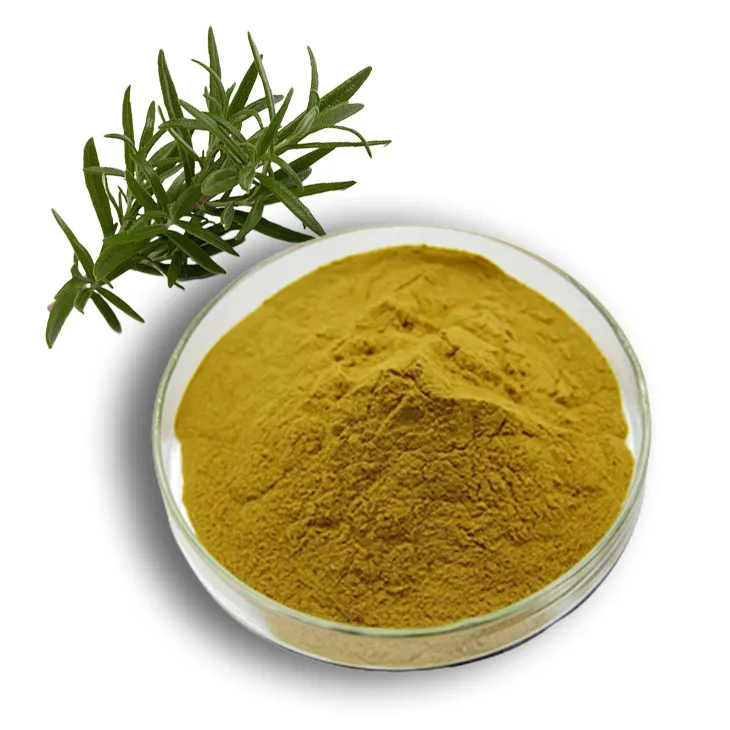
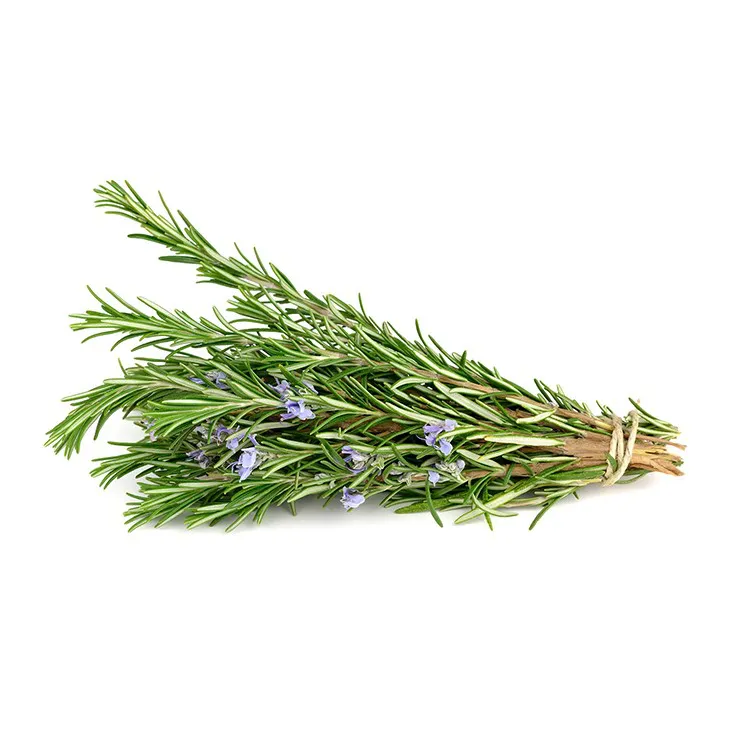
Rosemary extract has become one of the most widely used natural antioxidants in the food, beverage, dietary supplement, and cosmetics industries. As buyers shift toward clean-label ingredients, more and more procurement teams are asking a practical question before placing an order: what certifications should a Rosemary extract supplier hold? The answer matters far beyond paperwork. Certifications are the fastest way to judge whether a supplier can deliver a safe, consistent, and legally marketable product in your target market. This guide walks through the key certifications to look for, what each one actually covers, and how to verify them before you commit.
Why certifications matter in Rosemary extract sourcing
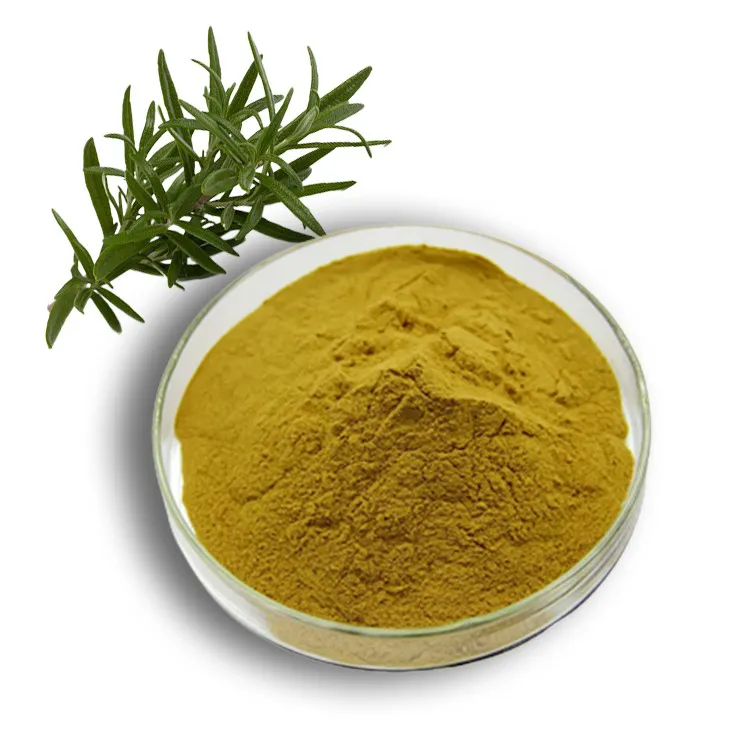
Rosemary is a soil-grown crop, which means the quality of the extract depends on raw material control, extraction methods, and production hygiene. A supplier that holds recognized certifications has passed independent audits of its facilities, processes, and documentation. For a rosemary extract supplier, certifications also reduce your own risk: they help you pass customer audits, support regulatory submissions, and protect your brand from contamination or compliance failures. In short, certifications are not a luxury; they are a baseline requirement for serious B2B sourcing.
Food safety management certifications
Food safety is the first thing to check. ISO 22000 is the international standard for food safety management systems, covering everything from raw material intake to finished product release. Many reputable suppliers also run a HACCP plan, which identifies and controls hazards at each production step. For buyers supplying retailers in Europe and the UK, BRCGS certification is especially valuable, as it is a Global Food Safety Initiative (GFSI) recognized standard that many large retailers require from their ingredient suppliers. When you evaluate a rosemary extract manufacturer, ask whether its food safety system is certified by an independent body and whether the certificate is current.
Quality management and good manufacturing practice
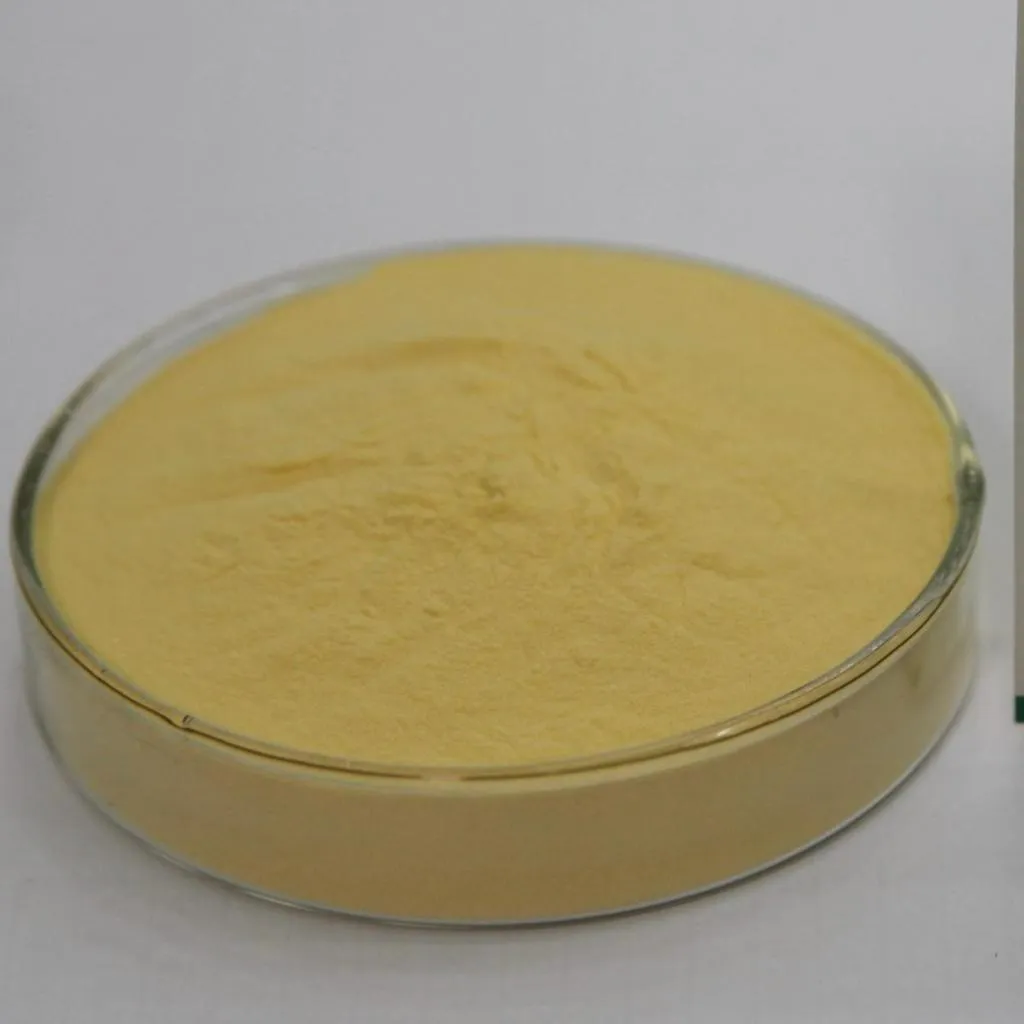
Beyond food safety, look for quality management and manufacturing standards. ISO 9001 certifies that a company has a documented quality management system with consistent processes, traceability, and continuous improvement. GMP certification, such as SGS-GMP, confirms that production follows good manufacturing practice, including clean production areas, equipment validation, and staff training. For rosemary extract, batch-to-batch consistency is critical because the active compounds, carnosic acid and rosmarinic acid, must stay within specification from one batch to the next. A supplier with certified quality systems is far more likely to deliver that consistency.
Religious and dietary certifications
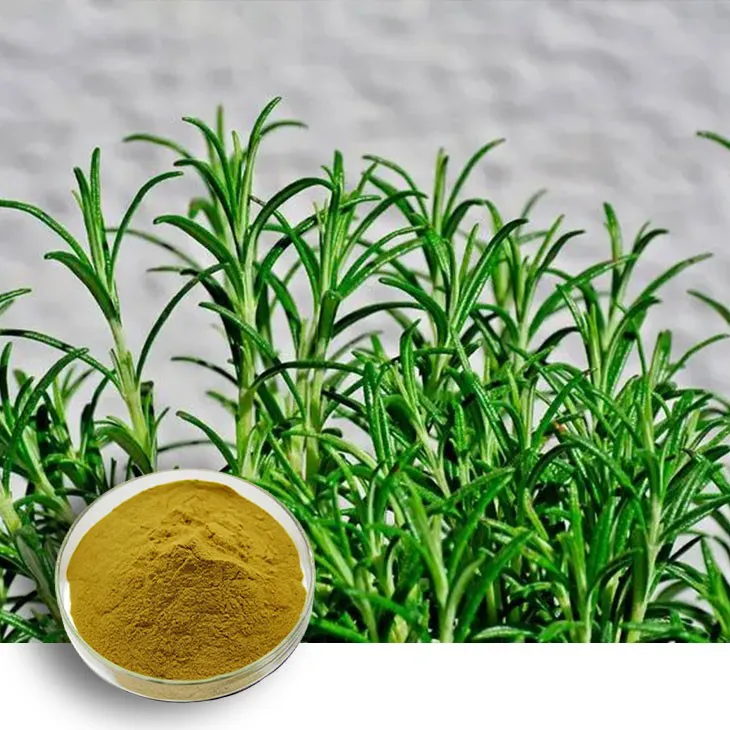
If your products are sold in Muslim-majority markets or to Kosher-observant consumers, HALAL and Kosher certifications are essential. HALAL certification confirms that the ingredient and its production process comply with Islamic dietary requirements, while Kosher certification verifies compliance with Jewish dietary law. Both are issued by recognized certification bodies and must be renewed regularly. Even if your current market does not require them, working with a supplier that already holds HALAL and Kosher certifications keeps your options open and simplifies future market expansion.
Organic certification
For brands positioning products as organic, the supplier must hold a recognized organic certification such as Ecocert Organic Standard, USDA Organic, or EU Organic. Organic certification verifies that the rosemary is grown without synthetic pesticides and that the processing facility follows organic handling rules. It is important to confirm that the certificate covers the specific product you are buying, not just the company, and that the certification body is accredited. Organic rosemary extract commands a premium in the market, but only if the documentation is complete and traceable back to the farm.
Regulatory compliance and export qualifications
Certifications also include regulatory approvals that let your product cross borders. In the United States, rosemary extract is generally recognized as safe (GRAS) by the FDA, while in the European union it is approved as the food additive E 392 with specific purity criteria and maximum use levels. A qualified supplier should provide documentation supporting these claims, including pesticide residue screening, heavy metal testing, and solvent residue analysis. For sourcing from China, an Export Food Production Enterprise Registration Certificate confirms that the factory is registered for food export, which is a practical requirement for international trade. Together, these qualifications show that the supplier understands and can support your regulatory submissions.
Supporting documents to request
Certifications are only as useful as the documents that back them. Before ordering bulk rosemary extract, request a batch-specific Certificate of Analysis (COA) that shows the active compound content measured by HPLC, along with results for heavy metals, pesticides, residual solvents, and microbiology. Ask for the Material Safety Data Sheet (MSDS) and Technical Data Sheet (TDS), as well as copies of current certificates. A reliable supplier will share these without hesitation, because they have nothing to hide.
How to verify a supplier's certifications
A certificate is easy to claim but harder to verify. Check that the certificate names the correct company and facility, confirm the issuing body is accredited and recognized in your market, and look at the validity period, because most certifications expire and require re-audit. Where possible, contact the certification body directly or search its public database. You can also ask for audit reports or arrange a factory audit of your own. These steps take little time but can save you from costly compliance problems later.
Choosing a certified rosemary extract partner
A good example of a certified supplier is Hangzhou Greensky Biological Tech. Co., Ltd., a manufacturer founded in 2004 with more than 20 years of experience in plant extracts. Greensky holds ISO22000, BRCGS, Ecocert Organic Standard, SGS-GMP, ISO9001, HALAL, and Kosher certifications, along with the Export Food Production Enterprise Registration Certificate. Its rosemary extract is produced from high-quality rosemary leaves and is widely used to extend shelf life, improve taste, and enhance nutritional value in food, beverages, health care products, and cosmetics. With vertically integrated production and an independent laboratory equipped with GC, HPLC, and UV instruments, Greensky is positioned to support buyers who need certified, consistent rosemary extract for global markets.
Conclusion
When you evaluate a rosemary extract supplier, certifications are your first and most reliable filter. Food safety standards such as ISO22000 and BRCGS, quality systems such as ISO9001 and GMP, religious certifications such as HALAL and Kosher, organic certification, and export qualifications together tell you whether a supplier can deliver a safe, consistent, and market-ready product. Always verify the certificates and request supporting documents such as batch-specific COAs. By choosing a certified partner, you protect your brand, simplify regulatory approval, and build a supply chain you can trust.
- ▶ Hesperidin
- ▶ Citrus Bioflavonoids
- ▶ Plant Extract
- ▶ lycopene
- ▶ Diosmin
- ▶ Grape seed extract
- ▶ Sea buckthorn Juice Powder
- ▶ Fruit Juice Powder
- ▶ Hops Extract
- ▶ Artichoke Extract
- ▶ Mushroom extract
- ▶ Astaxanthin
- ▶ Green Tea Extract
- ▶ Curcumin
- ▶ Horse Chestnut Extract
- ▶ Other Product
- ▶ Boswellia Serrata Extract
- ▶ Resveratrol
- ▶ Marigold Extract
- ▶ Grape Leaf Extract
- ▶ New Product
- ▶ Aminolevulinic acid
- ▶ Cranberry Extract
- ▶ Red Yeast Rice
- ▶ Red Wine Extract
- ▶ blog
-
Thunder God Vine Extract
2026-08-14
-
Maca Extract
2026-08-14
-
Troxerutin
2026-08-14
-
Ginseng Root Extract
2026-08-14
-
Agaricus Blazei Extract
2026-08-14
-
Berberis aristata Extract
2026-08-14
-
Yellow Pine Extract
2026-08-14
-
Tormentil Extract
2026-08-14
-
Milk Thistle Extract
2026-08-14
-
Nettle Root Extract
2026-08-14
