- 0086-571-85302990
- [email protected]





Gamma-Aminobutyric Acid
1. Introduction
Gamma-Aminobutyric Acid (GABA) is the brain's primary inhibitory neurotransmitter — the body's natural "brake pedal" for nervous system activity. First identified in 1950, GABA has since become one of the most widely researched and commercially significant compounds in the sleep, stress, and relaxation supplement category.
As modern life drives unprecedented levels of stress, anxiety, and sleep disruption, demand for GABA supplements has surged globally. The global GABA market is projected to exceed $600 million by 2028, driven by the growing consumer shift toward natural, non-pharmaceutical approaches to calm and sleep support.
Hangzhou Greensky Biological Tech Co., Ltd — a professional natural plant extract and amino acid manufacturer established in 2004 — offers premium high-purity GABA produced through natural fermentation, backed by ISO22000, BRCGS, Ecocert Organic, and SGS-GMP certifications.
2. What Is GABA?
GABA (γ-aminobutyric acid, C₄H₉NO₂) is a naturally occurring non-protein amino acid that functions as the primary inhibitory neurotransmitter in the mammalian central nervous system. It is found naturally in foods such as green tea (particularly matcha), tomatoes, fermented foods (kimchi, miso), and certain mushrooms.
For commercial supplement production, GABA is most commonly produced through microbial fermentation using lactic acid bacteria (particularly Lactobacillus and Bifidobacterium strains), which convert glutamic acid into GABA through the enzyme glutamate decarboxylase (GAD).
2.1 Compound Information
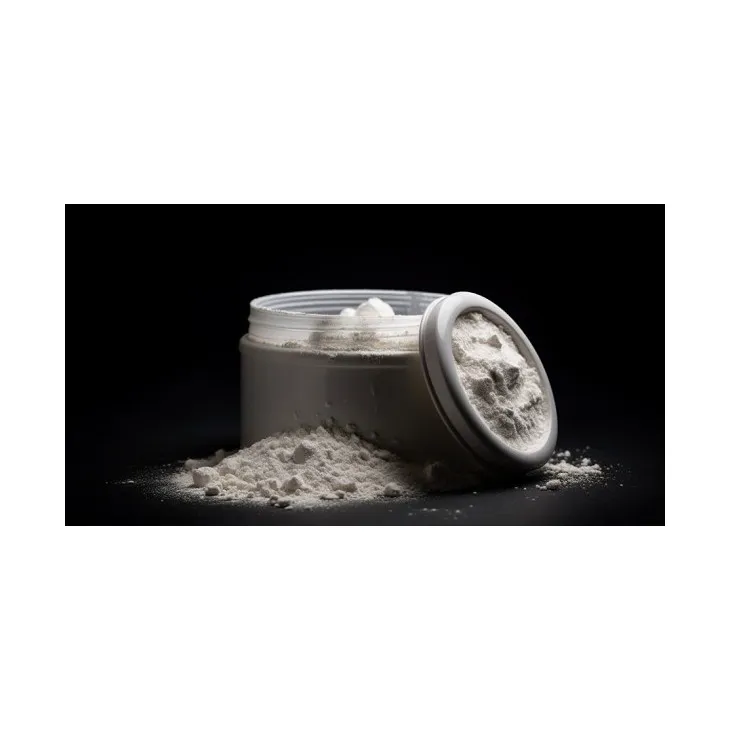
Item Details Chemical Name Gamma-Aminobutyric Acid (γ-Aminobutyric Acid) CAS Number 56-12-2 Molecular Formula C₄H₉NO₂ Molecular Weight 103.12 g/mol Appearance White to off-white crystalline powder Solubility Freely soluble in water; slightly soluble in ethanol Taste Slightly bitter, with a mild umami quality Production Method Microbial fermentation (Lactobacillus/Bifidobacterium)
2.2 Mechanism of Action
Receptor Function Relevance GABA-A Ionotropic (ligand-gated Cl⁻ channel) Primary target for fast-acting calming effects; mediates sedation and anxiolysis GABA-B Metabotropic (G-protein coupled) Slower, longer-lasting modulation; involved in muscle relaxation and pain modulation GABA-C Ionotropic (retina-specific) Less relevant for systemic supplementation
How It Works: When GABA binds to GABA-A receptors, it opens chloride ion channels, allowing negatively charged chloride ions to enter neurons. This hyperpolarizes the cell membrane, making neurons less likely to fire — effectively "turning down" overactive neural signaling.
2.3 Standard Specifications
Specification Standard GABA Purity ≥98.0%, ≥99.0% (HPLC) Appearance White crystalline powder Loss on Drying ≤0.5% Residue on Ignition ≤0.1% Heavy Metals ≤10 ppm Arsenic ≤1.0 ppm Microbiological Total plate count <1,000 CFU/g; E. coli negative; Salmonella negative Melting Point 195-200°C (with decomposition)
2.4 Production Process (Fermentation)
Strain Selection: Specific strains of Lactobacillus brevis, Lactobacillus plantarum, or Bifidobacterium are selected for high GAD enzyme activity.
Fermentation Medium: L-glutamic acid (or monosodium glutamate) is prepared as the substrate in a controlled fermentation tank.
Fermentation: Under optimized temperature (30-37°C), pH (4.0-5.0), and anaerobic conditions, the bacterial strains convert glutamic acid to GABA.
Filtration: The fermentation broth is filtered to remove bacterial cells and insoluble material.
Purification: Multi-step purification including ion exchange chromatography and activated carbon treatment to achieve ≥98% purity.
Crystallization: GABA is crystallized from the purified solution under controlled conditions.
Drying: Crystals are dried under vacuum at low temperature to preserve molecular integrity.
Quality Testing: HPLC analysis for purity, plus full safety panel testing.
2.5 Certificate of Analysis (Typical)
Test Item Result Specification Appearance White crystalline powder Complies GABA (HPLC) 99.2% ≥98.0% Loss on Drying 0.2% ≤0.5% Residue on Ignition 0.05% ≤0.1% Heavy Metals <3 ppm ≤10 ppm Arsenic <0.5 ppm ≤1.0 ppm Total Plate Count 200 CFU/g <1,000 CFU/g E. coli Negative Negative Salmonella Negative Negative
3. Core Benefits & Mechanisms of Action
3.1 Sleep Quality Improvement
GABA is perhaps best known for its role in promoting restful sleep.
Mechanism: GABA reduces the firing rate of neurons throughout the brain, creating the conditions necessary for sleep onset and maintenance. Specifically, GABAergic signaling in the ventrolateral preoptic nucleus (VLPO) of the hypothalamus is a key driver of sleep initiation (Nature Reviews Neuroscience, 2008).
Clinical Evidence:
A study by Hayakawa et al. (2015) found that 100-300 mg of GABA reduced sleep latency (time to fall asleep) by an average of 5.3 minutes and increased total sleep time.
Research published in Phytomedicine (2020) demonstrated that a GABA-containing blend improved sleep quality scores by 30% in adults with self-reported sleep difficulties.
EEG studies confirm that GABA supplementation increases alpha wave activity and decreases beta wave activity, indicating a shift toward relaxed, pre-sleep brain states.
3.2 Stress Relief & Anxiety Support
GABA is the brain's natural anti-anxiety compound.
Mechanism: By binding to GABA-A receptors, supplemental GABA helps counteract the over-excitation associated with stress and anxiety. While the blood-brain barrier (BBB) permeability of GABA has been debated, emerging research suggests that GABA may act through the enteric nervous system (the "gut-brain axis") and vagus nerve signaling to produce calming effects (Scientific Reports, 2019).
Clinical Evidence:
A double-blind, placebo-controlled study (Abdou et al., 2006) found that GABA supplementation increased alpha brain wave activity within 60 minutes, indicating a relaxed mental state.
Research on GABA-enriched foods demonstrated significant reductions in salivary chromogranin A (a stress biomarker) following GABA intake (Biomedical Research, 2009).
A 2021 review in Nutrients concluded that GABA supplementation shows "promising evidence" for stress reduction and mood support.
3.3 Blood Pressure Support
Vasodilation: GABA acts on GABA-A receptors in blood vessel walls, promoting relaxation and vasodilation.
Clinical evidence: A study by Inoue et al. (2003) found that GABA-enriched milk (containing 12 mg GABA per day) significantly reduced both systolic and diastolic blood pressure in hypertensive subjects over 8 weeks.
Renin-angiotensin modulation: GABA may modulate the renin-angiotensin system, a key regulator of blood pressure.
3.4 Cognitive Support & Mental Clarity
Balanced neural activity: By reducing excessive neural noise, GABA may indirectly support focus, mental clarity, and cognitive performance.
Neuroprotection: GABAergic signaling protects neurons from excitotoxicity (overstimulation-induced cell death), which is implicated in neurodegenerative conditions.
Mood support: Adequate GABA levels are associated with improved mood and emotional regulation.
3.5 Exercise Recovery & Growth Hormone
Growth hormone support: Some studies suggest that GABA supplementation before exercise may increase growth hormone (GH) secretion (Medicine & Science in Sports & Exercise, 2008).
Recovery: The calming and anti-stress effects of GABA may support post-exercise recovery by reducing cortisol levels.
4. Wide-Ranging Applications
4.1 Sleep & Relaxation Supplements
GABA is one of the fastest-growing ingredients in the sleep and stress category:
Sleep support capsules: Standalone GABA or combined with melatonin, L-theanine, or valerian root
Calming gummies: Increasingly popular format, especially for younger consumers
Stress relief formulas: Combined with adaptogens (Ashwagandha, Rhodiola) for comprehensive stress support
Capsules, tablets, softgels, powders: Compatible with all standard supplement formats
Recommended daily intake: 100-500 mg per day, typically taken 30-60 minutes before bedtime
4.2 Functional Foods & Beverages
Relaxation beverages: GABA-infused waters, teas, and functional drinks (particularly popular in Japan and South Korea)
Calming chocolates & confectionery: Premium dark chocolate with added GABA for evening indulgence
Relaxation gummies: One of the fastest-growing formats in the US and European markets
Functional snacks: GABA-enriched crackers, bars, and cereal
4.3 Infant & Children's Nutrition (Japan Market)
GABA has been approved as a food ingredient in Japan since 1997
Used in infant formulas and children's nutritional products for calming and digestive support
Japanese regulations recognize GABA as Generally Recognized as Safe (GRAS equivalent)
4.4 Cosmetics & Personal Care
Anti-aging formulations: GABA's muscle-relaxing properties are explored in topical anti-wrinkle products
Scalp care: Soothing formulations for sensitive scalp conditions
Relaxation bath products: GABA-enriched bath salts and soak products
5. Key Factors in Choosing a Quality GABA Supplier
5.1 Purity Verification
GABA should be verified at ≥98% purity by HPLC. Some lower-quality suppliers may offer products with significant impurities from incomplete fermentation purification.
HPLC-verified purity — not just titration methods
Batch-specific COA with full impurity profile
Residual solvent testing if any organic solvents are used in purification
5.2 Fermentation vs. Chemical Synthesis
Method Advantages Considerations Microbial fermentation (Recommended) Natural process; generally preferred for supplements; non-GMO options available Higher production cost Chemical synthesis Lower cost May not be acceptable for "natural" product positioning; potential impurity concerns
At Greensky Bio, we produce GABA through natural microbial fermentation, ensuring a clean, natural product suitable for premium supplement and food applications.
5.3 Regulatory Status by Market
Market Status United States GRAS (Generally Recognized as Safe); dietary supplement ingredient European Union Novel Food approved; food supplement ingredient Japan Approved food ingredient since 1997 (FOSHU category) China Approved as a new food raw material (新食品原料) since 2009 South Korea Approved functional food ingredient
5.4 Supplier Qualifications
When evaluating a GABA supplier, verify:
Fermentation process documentation and strain identification
GMP manufacturing (SGS-GMP or equivalent)
Food safety certifications (ISO22000, BRCGS, HACCP)
Heavy metals and microbiological testing on every batch
Regulatory compliance documentation for target markets
5.5 Why Greensky Bio?
Advantage Detail 20+ years of experience Established in 2004; deep expertise in amino acids and botanical extracts Full quality certifications ISO22000, BRCGS, Ecocert Organic, SGS-GMP, FDA registered Natural fermentation process Clean, sustainable production using selected lactic acid bacteria strains High purity (≥98-99%) HPLC-verified purity with full impurity profiling Multiple applications Suitable for supplements, functional foods, beverages, and cosmetics Global regulatory support Documentation for US, EU, Japan, and Asian markets Third-party testing Every batch tested by independent laboratories
6. About Greensky Bio
Hangzhou Greensky Biological Tech Co., Ltd has been a leading manufacturer of natural plant extracts and amino acids since 2004. With over two decades of experience, we specialize in:
Research & Development: Our in-house R&D center continuously develops new fermentation processes, purification methods, and application-specific formulations.
Quality Control: Every batch undergoes rigorous testing for purity, heavy metals, pesticides, and microbiological safety — at our facility and through independent third-party labs.
Customization: We offer custom particle sizes, blend formulations, and encapsulation services to meet your exact product requirements.
Global Compliance: Our products meet the regulatory standards of the US FDA, European Food Safety Authority (EFSA), Japan's FOSHU program, and other international bodies.
Sustainable Production: Our fermentation-based processes are environmentally sustainable and produce clean, natural ingredients.
7. Conclusion & Call to Action
GABA (Gamma-Aminobutyric Acid) represents one of the most versatile and clinically supported natural ingredients for sleep, stress relief, and relaxation applications. From reducing sleep latency and calming overactive minds to supporting blood pressure and exercise recovery, its applications span dietary supplements, functional beverages, confectionery, cosmetics, and beyond.
With the global sleep and stress supplement market projected to exceed $100 billion by 2030, GABA is positioned as a core ingredient for brands looking to capture this rapidly growing category.
If you are interested in GABA, contact us today for the latest pricing and free samples.
High purity (≥98-99%) HPLC-verified GABA
Natural fermentation process — clean and sustainable
Full COA, third-party testing, and regulatory documentation available
Custom specifications and private labeling supported
Free samples for qualified inquiries
Our expert team is ready to provide technical support, customized solutions, and competitive pricing for your GABA needs.
Email: [email protected] Website: www.greenskybio.com
8. Frequently Asked Questions (FAQ)
Q1: Does GABA cross the blood-brain barrier?
A: This has been debated in scientific literature. While early studies suggested limited BBB permeability, more recent research suggests that GABA may exert effects through the enteric nervous system (gut-brain axis), vagus nerve signaling, and circumventricular organs that lack a complete blood-brain barrier. Regardless of the exact mechanism, clinical studies consistently demonstrate measurable calming and sleep-supporting effects from oral GABA supplementation.
Q2: What is the recommended daily dose of GABA?
A: Typical supplemental doses range from 100-500 mg per day. For sleep support, 200-300 mg taken 30-60 minutes before bedtime is most common. For stress relief during the day, 100-200 mg doses may be used.
Q3: Is GABA safe for long-term use?
A: GABA has an excellent safety profile. It has been used as a food ingredient in Japan since 1997 and has GRAS status in the United States. No significant adverse effects have been reported in clinical studies at recommended doses.
Q4: Can GABA be combined with other sleep ingredients?
A: Yes, GABA is commonly combined with melatonin, L-theanine, valerian root, passionflower, and magnesium in multi-ingredient sleep formulas. Greensky Bio can provide custom blend formulations.
Q5: What is the difference between fermentation-derived and chemically synthesized GABA?
A: Fermentation-derived GABA is produced through natural microbial processes and is generally preferred for "natural" product positioning. Chemically synthesized GABA may contain different impurity profiles and may not meet "natural" labeling requirements in certain markets.