- 0086-571-85302990
- [email protected]






How do plant extracts for food additives compare with synthetic additives?
2026-08-15
Every packaged food on the shelf carries a set of quiet decisions made long before it reached the store. Which preservative keeps the oil fresh, which colorant gives the drink its hue, which sweetener delivers the taste without the calories — these choices shape not only the product but how consumers feel about the brand behind it. For decades, synthetic additives handled these jobs cheaply and reliably. Today the balance is shifting, and plant extracts are taking over roles that were once reserved for their chemical counterparts.
What are synthetic additives, and why are they under pressure?
Synthetic additives are substances produced through chemical processes and added to food for technological or organoleptic purposes — extending shelf life, stabilizing texture, adding color, or improving taste. The list is familiar to anyone who reads labels: the antioxidants BHA and BHT, sulfites and nitrates used to preserve meat, synthetic azo-dyes that give candy and drinks their bright colors, and artificial sweeteners such as aspartame and saccharin.
These ingredients work well and cost little, which is why they became industry standard. But their reputation has been eroding for years. Some synthetic additives have been linked to allergic reactions, and concerns about long-term consumption have led regulators to impose strict usage limits and consumers to scrutinize ingredient lists more closely than ever. The result is a growing demand for what the industry calls "clean label" products — formulations built around recognizable, natural ingredients.
What do plant extracts bring to the table?
Plant extracts are concentrated bioactive compounds obtained from fruits, vegetables, herbs, spices, and other botanical sources. They deliver the same functional benefits as synthetic additives — antioxidant protection, antimicrobial activity, natural color, flavor, and sweetness — but they come from nature rather than a chemical reactor. Because most plant extracts are recognized as safe food ingredients, they fit naturally into clean-label formulations and simplify the story a brand can tell on its packaging.
For manufacturers, the practical question is no longer whether natural alternatives exist, but how they perform in real production conditions. The comparison below looks at the main functional categories side by side.
Antioxidants and preservatives: Rosemary extract versus BHA and BHT
Synthetic antioxidants like BHA and BHT have been the default choice for protecting oils, fats, and processed foods from oxidation. They are effective, but they have attracted persistent health concerns, and some markets have moved to restrict their use. Rosemary extract has become one of the best-studied natural replacements. Rich in carnosic acid and rosmarinic acid, it shields fats and oils from rancidity and extends shelf life in meat products, snacks, seasonings, and plant-based foods — without the baggage attached to its synthetic counterparts.
Sweeteners: stevia versus artificial sweeteners
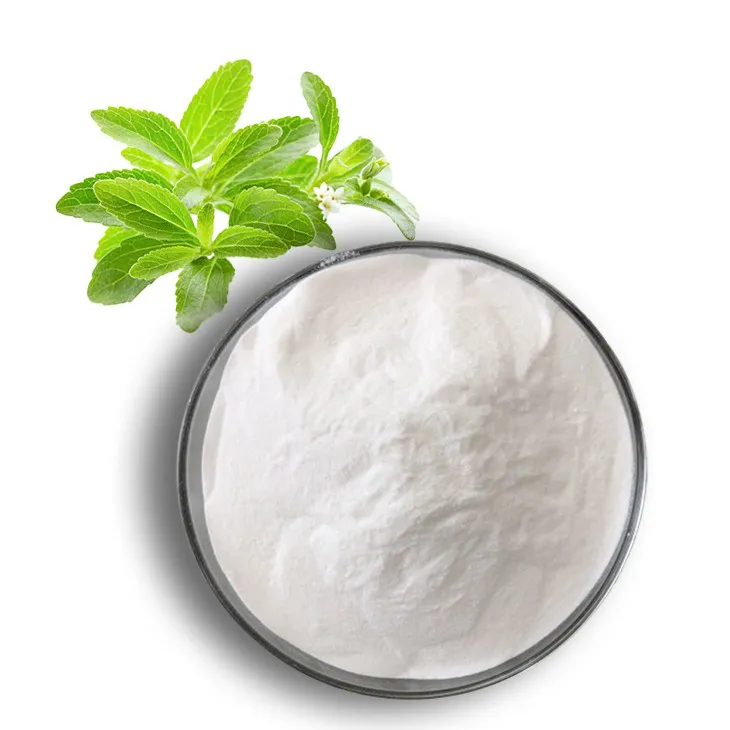
Artificial sweeteners deliver intense sweetness at almost no caloric cost, but they carry a stigma that many consumers now actively avoid. Stevia extract, derived from the leaves of Stevia rebaudiana, offers a natural alternative that is hundreds of times sweeter than sugar while contributing almost no calories. It has become a staple in beverages, dairy products, and confectionery, and its plant origin gives formulators a clean-label answer to a category that was once dominated by synthetic chemistry.
Colorants and flavorings: natural pigments and botanical extracts
Synthetic azo-dyes have faced scrutiny over potential toxicity, pushing many brands to look for natural color sources. Plant-derived pigments such as beta-carotene, Lycopene, and anthocyanins deliver vibrant hues while adding antioxidant value to the finished product. The same logic applies to flavor. Botanical extracts produce authentic, complex flavor profiles that synthetic flavoring agents struggle to replicate, and they often contribute functional benefits at the same time.
What manufacturers should weigh before switching
Moving from synthetic additives to plant extracts is rarely a one-for-one swap. Four factors deserve attention during the transition:
- Cost. Natural extracts generally cost more per unit than synthetic additives. The premium is often justified by clean-label positioning, but it needs to be built into the product economics from the start.
- Stability. Natural colorants and antioxidants can be more sensitive to heat, light, and pH than their synthetic equivalents. Proper formulation, encapsulation, and packaging help protect them through the supply chain.
- Standardization. Plant material varies from harvest to harvest. Working with a supplier that standardizes active compounds ensures every batch performs the same way in your process.
- Documentation. Regulatory submissions and customer audits require consistent quality data. A manufacturer with in-house laboratories and recognized certifications can provide the paperwork that keeps your products moving.
Why the source of your plant extracts matters
The comparison between plant extracts and synthetic additives is only as strong as the ingredient supply behind it. A reliable manufacturer brings three things that make natural formulations practical at scale: standardized active compounds, documented quality, and the capacity to deliver consistent volumes. That is why many food producers turn to established suppliers with vertical integration — research, development, production, and quality control under one roof — rather than sourcing from multiple intermediaries.
Greensky, a Hangzhou-based manufacturer founded in 2004, is one such supplier. Its production facilities include a 100,000-class clean area that meets food-grade requirements, and its independent laboratory is equipped with GC, HPLC, and UV instruments for rigorous quality control. The company holds ISO22000, BRCGS, Ecocert Organic, SGS-GMP, ISO9001, HALAL, and Kosher certifications, and its catalog spans more than 170 products across plant extracts, fruit juice powders, and functional food raw materials. For food manufacturers exploring natural alternatives, this combination of certification, testing capability, and product range makes it a practical partner for clean-label development.
The verdict
Plant extracts and synthetic additives both have a place in food production, and neither is about to disappear. But the comparison is no longer just about cost and function. It is about consumer trust, regulatory direction, and long-term brand value. For manufacturers ready to move toward cleaner formulations, plant extracts offer a proven, scalable path forward — provided they are sourced from a supplier that can guarantee consistency, quality, and compliance at every step.
- ▶ Hesperidin
- ▶ Citrus Bioflavonoids
- ▶ Plant Extract
- ▶ lycopene
- ▶ Diosmin
- ▶ Grape seed extract
- ▶ Sea buckthorn Juice Powder
- ▶ Fruit Juice Powder
- ▶ Hops Extract
- ▶ Artichoke Extract
- ▶ Mushroom extract
- ▶ Astaxanthin
- ▶ Green Tea Extract
- ▶ Curcumin
- ▶ Horse Chestnut Extract
- ▶ Other Product
- ▶ Boswellia Serrata Extract
- ▶ Resveratrol
- ▶ Marigold Extract
- ▶ Grape Leaf Extract
- ▶ New Product
- ▶ Aminolevulinic acid
- ▶ Cranberry Extract
- ▶ Red Yeast Rice
- ▶ Red Wine Extract
- ▶ blog
-
Beetroot juice Powder
2026-08-15
-
Soy Extract
2026-08-15
-
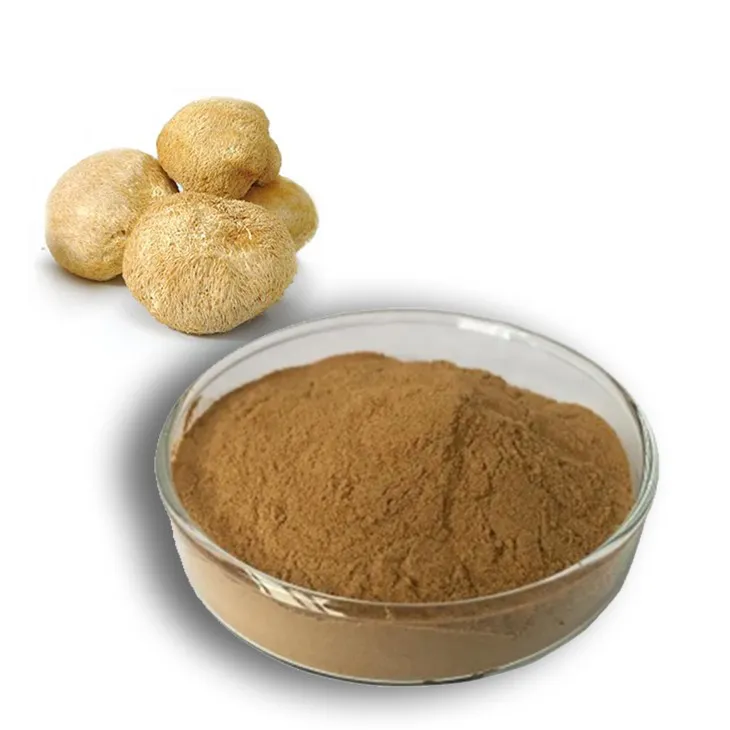
Hericium erinaceus extract powder
2026-08-15
-
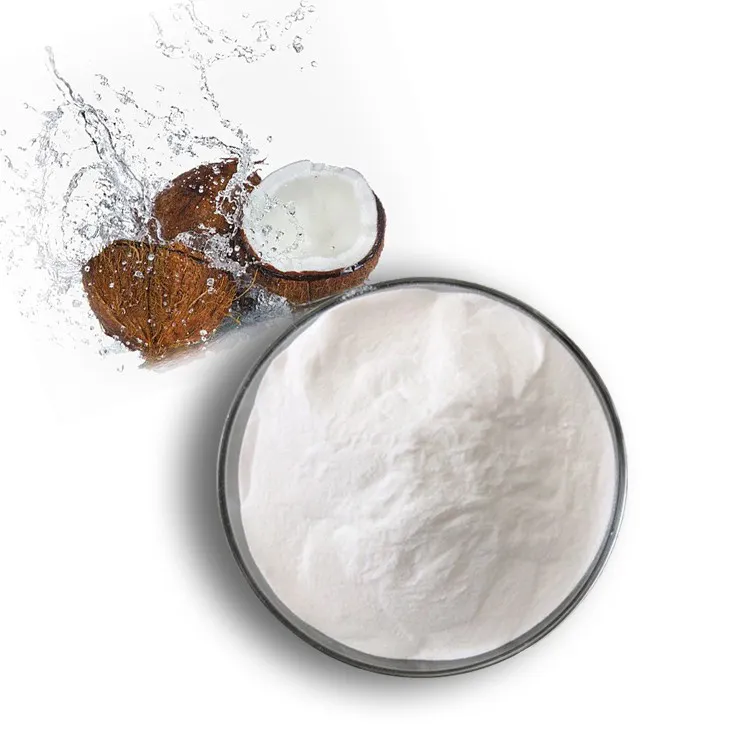
Coconut Water Powder
2026-08-15
-
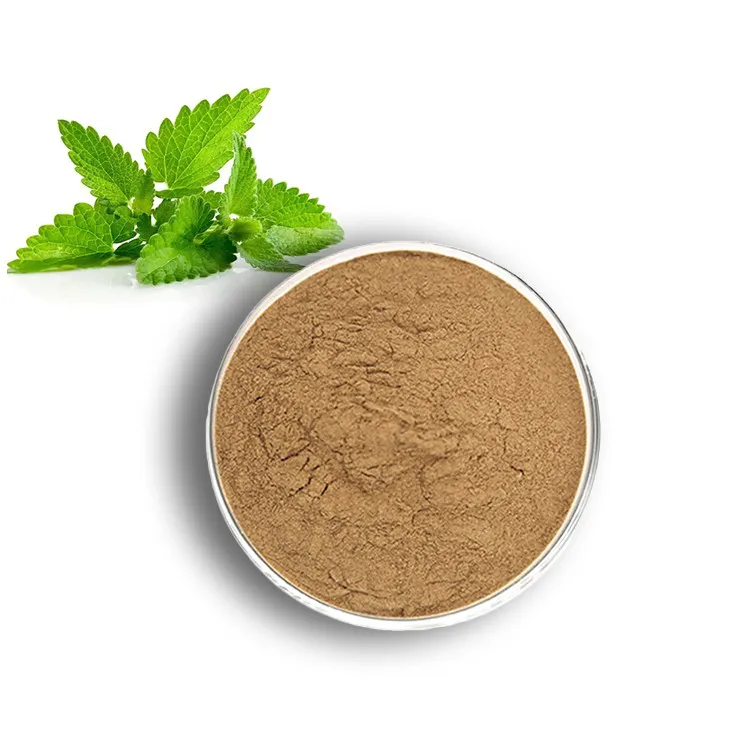
Lemon Balm Extract
2026-08-15
-
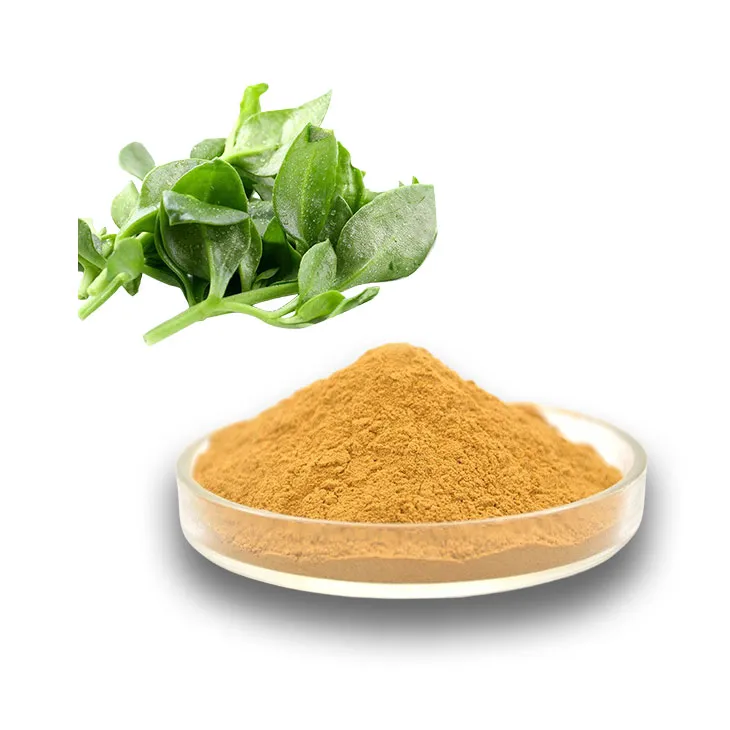
Andrographis Paniculata Extract Powder
2026-08-15
-
Aguaje Extract
2026-08-15
-
Maitake Mushroom Extract
2026-08-15
-
Lemon Extract
2026-08-15
-
Feverfew Extract
2026-08-15
