- 0086-571-85302990
- [email protected]




What Is Astaxanthin? Carotenoid Antioxidant Science, Skin Health & B2B Sourcing Guide (2026)
2026-10-13
Meta Title: What Is Astaxanthin? Antioxidant Science & B2B Sourcing Guide (2026)Meta Description: Comprehensive guide to natural Astaxanthin from Haematococcus pluvialis. Covers antioxidant science, skin & eye health benefits, extraction methods & quality sourcing for B2B buyers.Keywords: astaxanthin manufacturer, Haematococcus pluvialis extract, natural carotenoid bulk, antioxidant supplement wholesale, astaxanthin oil supplier, king of carotenoids, marine antioxidant
What Is Astaxanthin?
Astaxanthin (3,3′-dihydroxy-β,β′-carotene-4,4′-dione) is a naturally occurring red-orange carotenoid pigment widely regarded as one of the most powerful antioxidants in nature — often called the "king of the carotenoids." Originally discovered in the vibrant flesh of wild salmon, lobster, krill, and flamingos, astaxanthin is the pigment responsible for the characteristic pink-red coloration of these organisms.
For nutraceutical manufacturers, cosmetic formulators, and functional food developers, natural astaxanthin from Haematococcus pluvialis microalgae represents a premium botanical ingredient with extraordinary antioxidant capacity, broad-spectrum health benefits, and growing consumer demand. The global astaxanthin market is projected to reach USD 2.0–2.5 billion by 2030, driven by expanding applications in dietary supplements, skincare, sports nutrition, and aquaculture.
This comprehensive guide explores the science of astaxanthin, its multi-system health benefits, production methods, quality parameters, and essential considerations for B2B sourcing from a certified manufacturer.
What Makes Astaxanthin Unique Among Carotenoids?
Astaxanthin belongs to the xanthophyll class of carotenoids, but its molecular structure gives it exceptional properties that distinguish it from other well-known carotenoids:
Unique Molecular Architecture
Hydroxyl groups (-OH) on both ionone rings enable hydrogen bonding with cell membrane surfaces
Keto groups (C=O) on both rings allow interaction with the lipid bilayer interior
Extended conjugated double-bond chain (13 double bonds) provides exceptional electron delocalization for free radical neutralization
This unique structure allows astaxanthin to span the entire cell membrane — scavenging free radicals from both the lipid bilayer interior and the aqueous exterior simultaneously. No other carotenoid achieves this dual-positioning capability.
Antioxidant Power Comparison
Scientific research demonstrates astaxanthin's extraordinary singlet oxygen quenching capacity:
Antioxidant Relative Singlet Oxygen Quenching Capacity Astaxanthin 1× (baseline — most powerful) Beta-carotene 1/10th of astaxanthin Lutein 1/10th of astaxanthin Canthaxanthin 1/10th of astaxanthin α-Tocopherol (Vitamin E) 1/100th of astaxanthin Vitamin C 1/6,000th of astaxanthin
Reference: Naguib, Y.M. (2000). Antioxidant activities of astaxanthin and related carotenoids. Journal of Agricultural and Food Chemistry, 48(4), 1150–1154.
Critical Safety Advantage
Unlike beta-carotene, which can act as a pro-oxidant at high concentrations or in the presence of high oxygen partial pressure, astaxanthin never exhibits pro-oxidant activity — even at very high concentrations. This makes astaxanthin uniquely safe for high-dose supplementation.
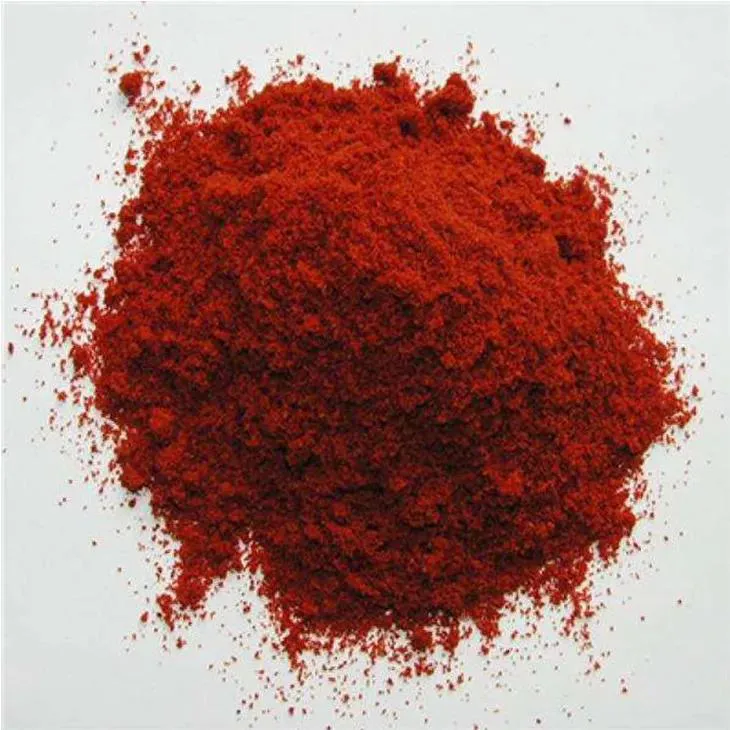
Natural Sources of Astaxanthin: Haematococcus pluvialis Is the Gold Standard
Source Astaxanthin Content Commercial Viability Haematococcus pluvialis (microalgae) 3–5% dry weight (stress-induced); up to 8% in optimized conditions Primary commercial source; highest natural concentration; sustainable cultivation Phaffia rhodozyma (yeast) 0.5–1% dry weight Lower concentration; primarily used in aquaculture feed Krill oil Trace amounts (0.1–0.5%) Expensive; limited scalability; not practical for bulk supplement production Salmon flesh 3–8 mg/kg (wet weight) Dietary source only; not viable for extract production Synthetic astaxanthin 98%+ purity Petrochemical-derived; not approved for human supplements in many markets; used in aquaculture
For human dietary supplements, cosmetics, and functional foods, natural astaxanthin from Haematococcus pluvialis is the only acceptable source. It provides the all-trans isomer configuration found in nature, with full regulatory acceptance for human consumption.
GreenSky Bio sources natural astaxanthin oil from sustainably cultivated Haematococcus pluvialis, extracted using supercritical CO₂ technology — the industry gold standard for purity and potency.
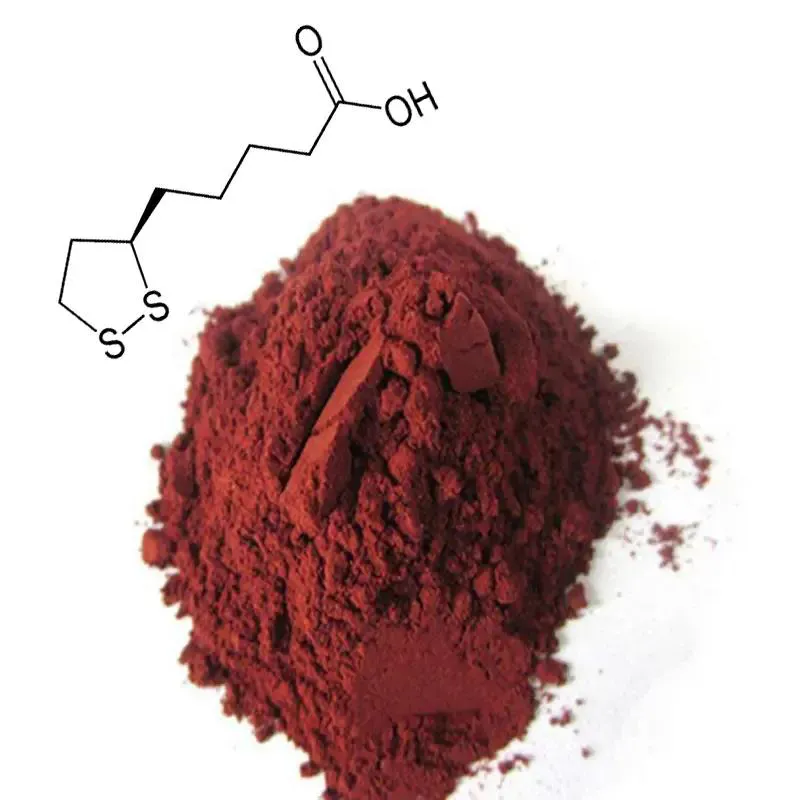
How Astaxanthin Works: Mechanisms of Action
Superior Free Radical Neutralization
Astaxanthin's extended conjugated double-bond system enables it to neutralize multiple free radicals simultaneously. Its ability to span the cell membrane allows it to:
Scavenge singlet oxygen from both the lipid bilayer and aqueous phases
Protect membrane phospholipids from peroxidation
Preserve membrane fluidity and integrity under oxidative stress
Anti-Inflammatory Modulation
Astaxanthin reduces inflammation through multiple pathways:
Inhibition of NF-κB activation, reducing expression of pro-inflammatory cytokines (TNF-α, IL-1β, IL-6)
Suppression of COX-2 and iNOS enzyme expression
Reduction of C-reactive protein (CRP) levels in clinical studies
Modulation of MAPK signaling pathways
Mitochondrial Protection
Astaxanthin accumulates in mitochondria and protects these energy-producing organelles from oxidative damage:
Preserves mitochondrial membrane potential
Supports ATP production efficiency
Reduces mitochondrial ROS generation during physical exertion
UV Photoprotection (Internal Sunscreen Effect)
Unlike topical sunscreens, astaxanthin provides photoprotection from within:
Reduces UV-induced DNA damage in skin cells
Decreases matrix metalloproteinase-1 (MMP-1) expression, protecting collagen from degradation
Suppresses UV-induced inflammatory responses in skin tissue
Complements topical sunscreens for comprehensive photoprotection
Top Science-Supported Benefits of Astaxanthin
1. Skin Health & Anti-Aging
Astaxanthin has become a flagship ingredient in the rapidly growing "beauty-from-within" and nutricosmetics markets:
Wrinkle reduction: Clinical studies show significant improvement in wrinkle depth after 6–12 weeks of oral supplementation (4–6 mg/day)
Skin elasticity: Enhanced elasticity and firmness through collagen preservation and elastin protection
Moisture retention: Improved skin hydration via enhanced barrier function and reduced transepidermal water loss (TEWL)
Age spot reduction: Decreased melanin aggregation and improved skin tone evenness
UV protection: Oral astaxanthin supplementation provides measurable internal photoprotection, complementing topical sunscreens
A landmark 2012 study by Tominaga et al. (Acta Biochimica Polonica) demonstrated that combined oral (6 mg/day) and topical astaxanthin application significantly improved skin condition in all measured parameters — wrinkles, elasticity, moisture content, and age spot size — compared to placebo.
2. Eye Health & Visual Function
Astaxanthin crosses the blood-retinal barrier and accumulates in retinal tissue, providing targeted ocular benefits:
Eye strain relief: Clinical studies show significant improvement in eye fatigue symptoms, particularly for digital screen users
Accommodation improvement: Enhanced ciliary muscle function for faster focus adjustment
Retinal protection: Antioxidant protection against age-related macular degeneration (AMD) risk factors
Blood flow enhancement: Improved retinal capillary blood flow supports overall ocular health
Japanese clinical research has established astaxanthin as an effective intervention for digital eye strain — a growing concern in our screen-dominated era.
3. Sports Performance & Recovery
Astaxanthin's mitochondrial and anti-inflammatory benefits make it a valuable sports nutrition ingredient:
Endurance enhancement: Improved fat utilization during exercise preserves glycogen stores
Recovery acceleration: Reduced muscle damage markers (CK, LDH) and inflammation post-exercise
Lactate reduction: Lower blood lactate levels during sustained exercise
Joint support: Anti-inflammatory activity supports joint comfort during high-impact training
Research has shown that 4 mg/day of astaxanthin for 90 days significantly improved 20-meter shuttle run times in trained athletes, demonstrating measurable performance benefits.
4. Cardiovascular Health
Astaxanthin supports cardiovascular function through multiple mechanisms:
LDL oxidation prevention: Potent antioxidant protection against oxidized LDL formation
HDL improvement: Clinical studies show increased HDL cholesterol levels
Blood pressure support: Improved endothelial function and arterial elasticity
Blood flow enhancement: Reduced platelet aggregation supports healthy circulation
5. Cognitive Health & Neuroprotection
Astaxanthin crosses the blood-brain barrier and provides neuroprotective benefits:
Protection against oxidative stress-induced neuronal damage
Support for cognitive function in aging populations
Potential role in reducing neuroinflammation associated with cognitive decline
Astaxanthin Production: From Microalgae to Premium Oil
Cultivation Process
Green Phase: H. pluvialis is cultivated in closed photobioreactors under optimal growth conditions (light, temperature, nutrients) to build biomass
Stress Induction: Nutrient deprivation, high light intensity, and salinity stress trigger astaxanthin accumulation as a protective response
Red Cyst Phase: Cells accumulate astaxanthin up to 3–5% of dry weight, turning deep red
Supercritical CO₂ Extraction
The industry-standard extraction method:
Harvesting & Drying: Red cyst cells are harvested, washed, and dried
Cell Wall Disruption: Mechanical disruption (bead milling) breaks the tough algal cell wall
Supercritical CO₂ Extraction: CO₂ at critical temperature and pressure selectively extracts astaxanthin as a clean, solvent-free oleoresin
Standardization: The concentrated extract is diluted into carrier oils (sunflower oil, MCT oil) to achieve standardized concentrations (5%, 10%)
This process yields a premium astaxanthin oil with:
Zero solvent residues
Preserved all-trans isomer configuration
Maximum bioactivity retention
Superior stability
Quality Testing
GreenSky Bio's astaxanthin oil undergoes comprehensive testing in our independent laboratory:
Astaxanthin content verification (HPLC, UV at 476 nm)
Isomer ratio analysis (all-trans vs. cis isomers)
Heavy metal analysis (Pb, As, Cd, Hg via ICP-MS)
Pesticide residue screening
Microbiological testing (TAMC, TYMC, E. coli, Salmonella, S. aureus)
Residual solvent testing (ND for supercritical CO₂ extraction)
Astaxanthin Oil Specifications
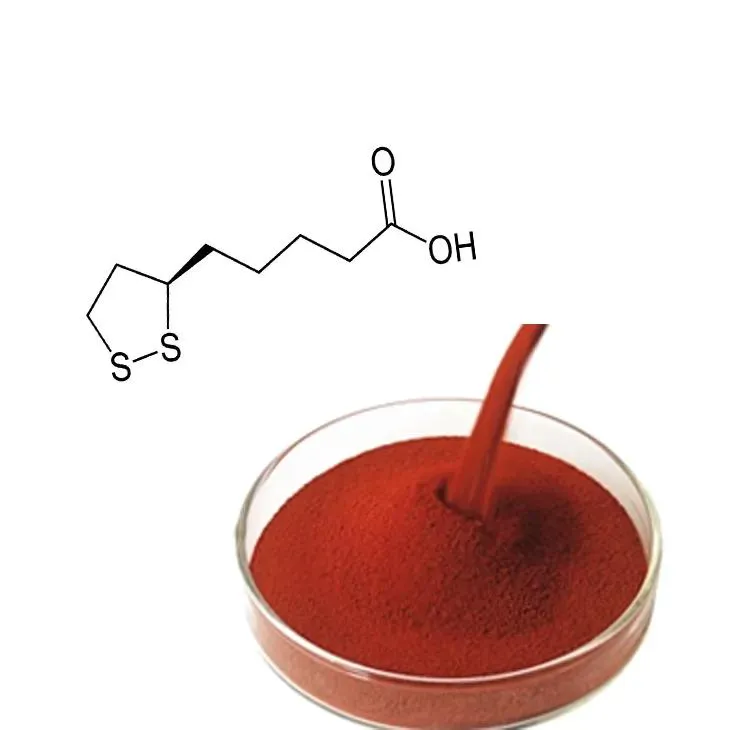
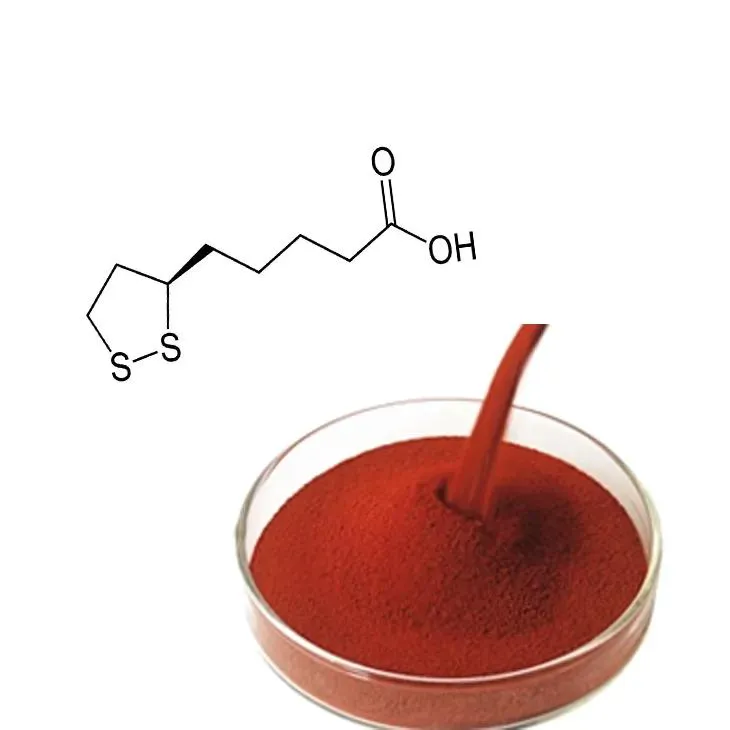
Specification Standard Product Name Natural Astaxanthin Oil (from Haematococcus pluvialis) Active Ingredient Astaxanthin (free form + esters) Standardization 5%, 10% (HPLC) Appearance Dark red to brownish-red viscous oil Carrier Oil Sunflower oil / MCT oil Extraction Method Supercritical CO₂ (solvent-free) Assay Method HPLC (UV detection at 476 nm) Isomer Profile Predominantly all-trans configuration Shelf Life 24 months (nitrogen-flushed, refrigerated storage)
Market Trends: Growing Demand for Astaxanthin
The global astaxanthin market is projected to grow at a CAGR of 12–15% through 2030, significantly outpacing many other carotenoids. Key growth drivers include:
Beauty-from-within trend: Oral nutricosmetics featuring astaxanthin for skin health are one of the fastest-growing supplement categories
Digital eye strain: Increasing screen time drives demand for astaxanthin-based eye health products
Sports nutrition: Athletes and fitness enthusiasts seek natural recovery and performance solutions
Aging population: Growing demand for anti-aging and longevity supplements
Clean label movement: Consumers prefer natural carotenoids over synthetic alternatives
Expanded applications: Aquaculture feed, pet nutrition, and functional food fortification
GreenSky Bio serves the European, American, Korean, and Russian markets — the primary growth regions — with a reliable supply chain backed by ISO22000, BRCGS, Ecocert Organic, and SGS-GMP certifications.
Recommended Dosage for Astaxanthin Supplements
Based on clinical research and industry standards:
General Antioxidant Support: 2–4 mg/day
Skin Health & Anti-Aging: 4–6 mg/day (clinical studies show benefits at 6 mg/day)
Eye Health & Visual Function: 4–12 mg/day
Sports Performance & Recovery: 4–12 mg/day (higher doses for competitive athletes)
Cardiovascular Health: 6–12 mg/day
Astaxanthin is fat-soluble and should be taken with meals containing dietary fats for optimal absorption. Softgel delivery with carrier oil is the most effective format.
FAQ: Astaxanthin
Q: What is the difference between natural and synthetic astaxanthin?
Natural astaxanthin from Haematococcus pluvialis contains the all-trans isomer configuration found in nature and is approved for human dietary supplements. Synthetic astaxanthin is derived from petrochemicals, contains a mix of isomers, and is generally restricted to aquaculture feed use. For human supplements, natural astaxanthin is the only acceptable source.
Q: How should astaxanthin oil be stored?
Astaxanthin oil is sensitive to light, heat, and oxygen. It should be stored in nitrogen-flushed, light-proof containers at 2–8°C (refrigerated). Properly stored, standardized astaxanthin oil maintains potency for 24 months.
Q: Can astaxanthin be combined with other antioxidants?
Yes. Astaxanthin is commonly combined with lutein and zeaxanthin (eye health formulas), vitamin C and vitamin E (general antioxidant blends), collagen peptides (beauty-from-within products), and omega-3 fatty acids (cardiovascular formulations). Our R&D team provides compatibility guidance.
Q: Is astaxanthin safe for long-term use?
Yes. Clinical studies at doses up to 40 mg/day for 30 days, and 6–12 mg/day for several months, have confirmed an excellent safety profile with no significant adverse effects. Astaxanthin does not exhibit pro-oxidant activity even at high doses.
Q: What is the best delivery format for astaxanthin supplements?
Softgel capsules containing astaxanthin oil in a carrier (MCT oil, sunflower oil) are the most effective delivery format due to astaxanthin's fat-soluble nature. Powder formats (microencapsulated astaxanthin) are available for tablet compression and functional food fortification.
Partner with GreenSky Bio for Premium Astaxanthin Oil
As a professional natural plant extract manufacturer since 2004, GreenSky Bio offers natural astaxanthin oil with:
Multiple standardizations: 5% and 10% astaxanthin (HPLC verified)
Supercritical CO₂ extraction: Solvent-free, maximum purity
International certifications: ISO22000, BRCGS, Ecocert Organic, SGS-GMP, Halal, Kosher
Full analytical documentation: COA with HPLC assay, isomer analysis, and comprehensive safety testing
Reliable global supply: Serving European, American, Korean, and Russian markets
Technical formulation support: Custom specifications and application guidance from our R&D team
Whether you're developing a premium beauty-from-within supplement, sports nutrition product, or eye health formula, our natural astaxanthin oil delivers the potency, purity, and consistency your brand demands.
for a free sample, technical consultation, or pricing information.
TAGS: astaxanthin, Haematococcus pluvialis, natural carotenoid, antioxidant supplement, skin health, eye health, marine antioxidant, king of carotenoids, beauty from within, astaxanthin oil manufacturer
Related Products:
- ▶ Hesperidin
- ▶ Citrus Bioflavonoids
- ▶ Plant Extract
- ▶ lycopene
- ▶ Diosmin
- ▶ Grape seed extract
- ▶ Sea buckthorn Juice Powder
- ▶ Fruit Juice Powder
- ▶ Hops Extract
- ▶ Artichoke Extract
- ▶ Mushroom extract
- ▶ Astaxanthin
- ▶ Green Tea Extract
- ▶ Curcumin
- ▶ Horse Chestnut Extract
- ▶ Other Product
- ▶ Boswellia Serrata Extract
- ▶ Resveratrol
- ▶ Marigold Extract
- ▶ Grape Leaf Extract
- ▶ New Product
- ▶ Aminolevulinic acid
- ▶ Cranberry Extract
- ▶ Red Yeast Rice
- ▶ Red Wine Extract
- ▶ blog
-
Grape Seed Extract
2026-10-13
-
Marigold Extract
2026-10-13
-
Sea buckthorn oil
2026-10-13
-
Cassia Seed Extract
2026-10-13
-
Buckthorn bark extract
2026-10-13
-
Rosemary extract
2026-10-13
-
Chia Seed Powder
2026-10-13
-
Almond Extract Powder
2026-10-13
-
Diosmin
2026-10-13
-
Cayenne Pepper Extract
2026-10-13