- 0086-571-85302990
- [email protected]






What Is Resveratrol Extract? Anti-Aging Science, Natural Sources & B2B Sourcing Guide (2026)
2026-10-11
What Is Resveratrol Extract? Anti-Aging Science, Natural Sources & B2B Sourcing Guide (2026)
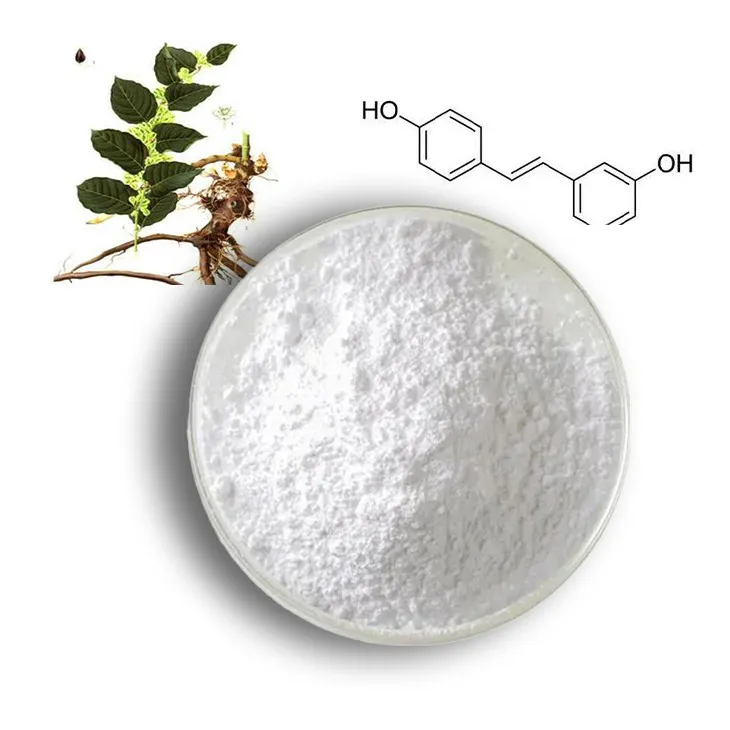
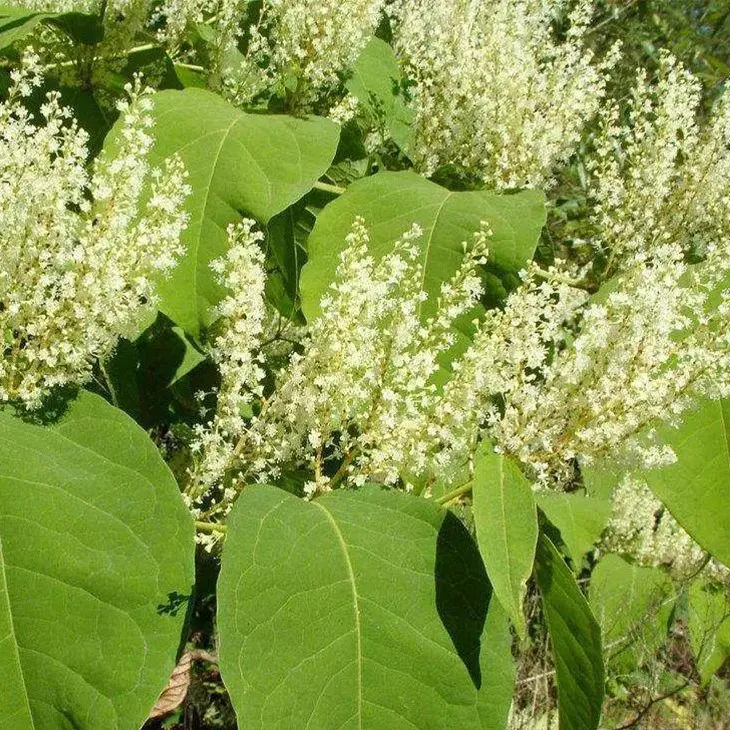
Resveratrol has emerged as one of the most celebrated natural compounds in the health and wellness industry. A polyphenolic stilbenoid found primarily in grape skins, Japanese knotweed (Polygonum cuspidatum), red wine, blueberries, and peanuts, resveratrol has captured scientific attention for its remarkable antioxidant, anti-inflammatory, and sirtuin-activating properties.
For nutraceutical manufacturers, dietary supplement brands, and cosmetic formulators, resveratrol extract represents a premium botanical ingredient with strong consumer recognition, extensive scientific backing, and versatile application potential. This comprehensive guide explores the science of resveratrol, its health benefits, and how to source high-quality trans-resveratrol for commercial product development.
What Is Resveratrol? Chemical Structure and Forms
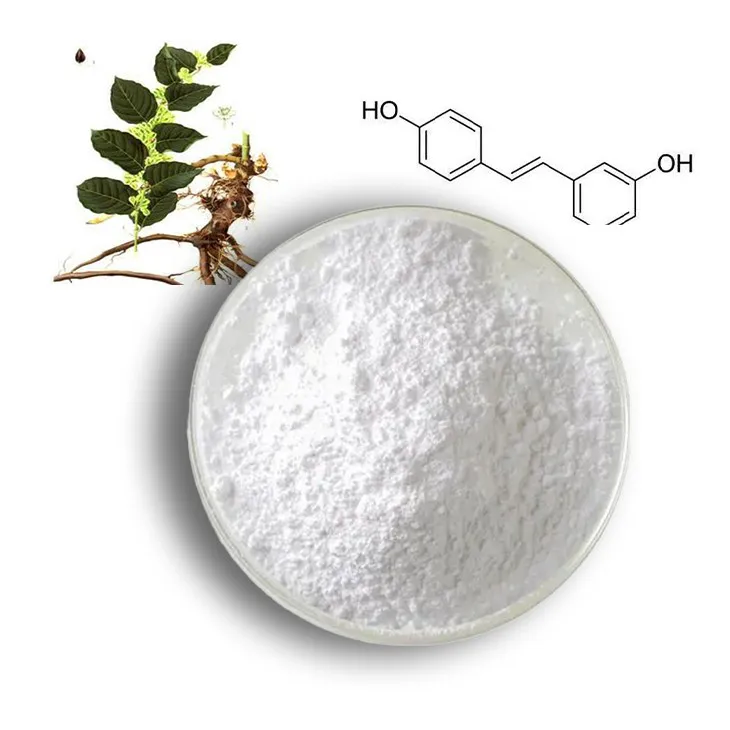
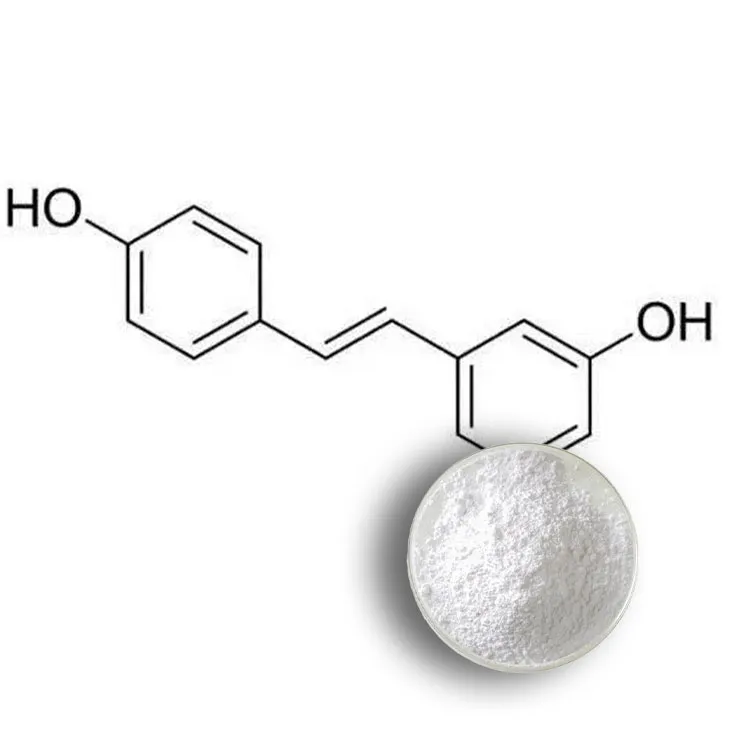
Resveratrol (3,5,4′-trihydroxystilbene) exists in two isomeric forms: trans-resveratrol and cis-resveratrol. The trans-isomer is the biologically active form and the primary target for standardized extracts. Most commercial resveratrol products are standardized to ≥98% trans-resveratrol content.
Resveratrol functions as a phytoalexin — a defense compound produced by plants in response to stress, injury, fungal infection, or UV radiation. This adaptive role explains its potent biological activity when consumed by humans.
How Resveratrol Works: Mechanisms of Action
Sirtuin Activation (SIRT1)
One of resveratrol's most significant discoveries is its ability to activate SIRT1 (sirtuin 1), a NAD+-dependent deacetylase enzyme involved in cellular longevity, DNA repair, and metabolic regulation. This mechanism, first characterized in landmark research, mimics some of the biological effects of caloric restriction — one of the most validated interventions for extending healthspan in model organisms.
Antioxidant and Anti-Inflammatory Activity
Resveratrol is a potent scavenger of free radicals and reactive oxygen species (ROS). Its polyphenolic structure enables electron donation to neutralize oxidative damage. Additionally, resveratrol modulates inflammatory signaling by:
Inhibiting NF-κB activation and downstream cytokine production
Downregulating COX-2 (cyclooxygenase-2) expression
Reducing iNOS (inducible nitric oxide synthase) activity
Modulating MAPK and JAK/STAT signaling pathways
AMPK and Metabolic Regulation
Similar to berberine, resveratrol activates AMPK, contributing to improved glucose metabolism, enhanced fatty acid oxidation, and mitochondrial biogenesis through PGC-1α upregulation.
Endothelial Function and Cardiovascular Protection
Resveratrol promotes nitric oxide (NO) production in endothelial cells, supporting vasodilation and healthy blood pressure. It also inhibits platelet aggregation and reduces oxidized LDL formation — key factors in cardiovascular health.
Top Science-Supported Benefits of Resveratrol Extract
1. Healthy Aging and Longevity Support
Resveratrol's activation of sirtuin pathways (SIRT1, SIRT3) positions it as a flagship ingredient in the rapidly growing longevity supplement market. Research has demonstrated resveratrol's ability to:
Enhance mitochondrial function and biogenesis
Support DNA repair mechanisms through PARP activation
Reduce age-related inflammatory markers (IL-6, TNF-α, CRP)
Promote autophagy — the cellular "cleanup" process that declines with age
The global anti-aging market, projected to exceed $120 billion by 2030, increasingly features resveratrol as a core ingredient in premium longevity formulations.
2. Cardiovascular Health
The "French Paradox" — the observation that French populations have relatively low cardiovascular disease rates despite a diet high in saturated fats — has been partly attributed to resveratrol intake from red wine. Clinical evidence supports resveratrol's role in:
Improving endothelial function and vascular elasticity
Reducing LDL oxidation and atherogenesis
Supporting healthy blood pressure levels
Inhibiting platelet aggregation and thrombus formation
3. Neuroprotective Effects
Resveratrol crosses the blood-brain barrier and has demonstrated neuroprotective properties in preclinical models. It may support cognitive health by:
Reducing beta-amyloid plaque formation associated with cognitive decline
Enhancing cerebral blood flow and neurovascular coupling
Activating brain-derived neurotrophic factor (BDNF) expression
Protecting neurons from oxidative stress and excitotoxicity
4. Skin Health and Anti-Photoaging
In cosmetic and nutricosmetic applications, resveratrol's antioxidant properties help protect skin from UV-induced damage. It supports collagen preservation, reduces matrix metalloproteinase (MMP) activity, and complements other anti-aging actives like hyaluronic acid and vitamin C.
5. Metabolic Health and Weight Support
Through AMPK activation and PGC-1α upregulation, resveratrol supports healthy metabolic function, including improved insulin sensitivity, enhanced mitochondrial energy production, and favorable effects on adipose tissue metabolism.
Natural Sources of Resveratrol: Comparison for B2B Sourcing
| Source | Resveratrol Content | Commercial Viability |
|---|---|---|
| Polygonum cuspidatum (Japanese Knotweed root) | 1-5% (raw); ≥98% (standardized extract) | Primary commercial source; cost-effective; abundant supply |
| Grape skin extract (Vitis vinifera) | 0.01-0.1% (raw) | Byproduct of wine/juice industry; lower concentration; premium positioning |
| Mulieris berry | Variable | Limited commercial availability; research-grade only |
| Red wine | 0.1-14 mg/L | Not practical for extract production; dietary source only |
For B2B resveratrol sourcing, Japanese knotweed (Polygonum cuspidatum) is the predominant commercial source due to its high resveratrol content, sustainable cultivation, and cost-effectiveness at scale. Our standardized trans-resveratrol extract from Polygonum cuspidatum achieves ≥98% purity verified by HPLC analysis.
Trans-Resveratrol vs. Cis-Resveratrol: Why the Isomer Matters
The distinction between trans-resveratrol and cis-resveratrol is critical for product quality and efficacy:
Trans-resveratrol is the naturally occurring, biologically active form used in virtually all clinical research. It demonstrates superior bioavailability and pharmacological activity.
Cis-resveratrol is formed when trans-resveratrol is exposed to UV light or heat. It has significantly lower biological activity and is considered a degradation product.
When sourcing resveratrol extract, always request HPLC chromatograms confirming the trans-isomer ratio. Premium suppliers should guarantee ≥98% trans-resveratrol with minimal cis-isomer contamination.
Bioavailability Considerations
Resveratrol's relatively low oral bioavailability (estimated at less than 1% for the parent compound) presents formulation challenges. However, its metabolites (resveratrol-3-O-glucuronide and resveratrol-3-sulfate) may also contribute to biological activity. Strategies to enhance resveratrol bioavailability include:
Micronization: Reducing particle size to increase dissolution rate
Liposomal Encapsulation: Protecting resveratrol in phospholipid vesicles
Piperine Co-administration: Inhibiting glucuronidation metabolism
Sustained-Release Formulations: Extending plasma exposure time
Combination with Quercetin: Synergistic bioavailability enhancement through shared metabolic pathways
Quality Standards and Certifications for Resveratrol Extract
When evaluating resveratrol extract suppliers, verify the following quality parameters:
Purity: ≥98% trans-resveratrol (HPLC)
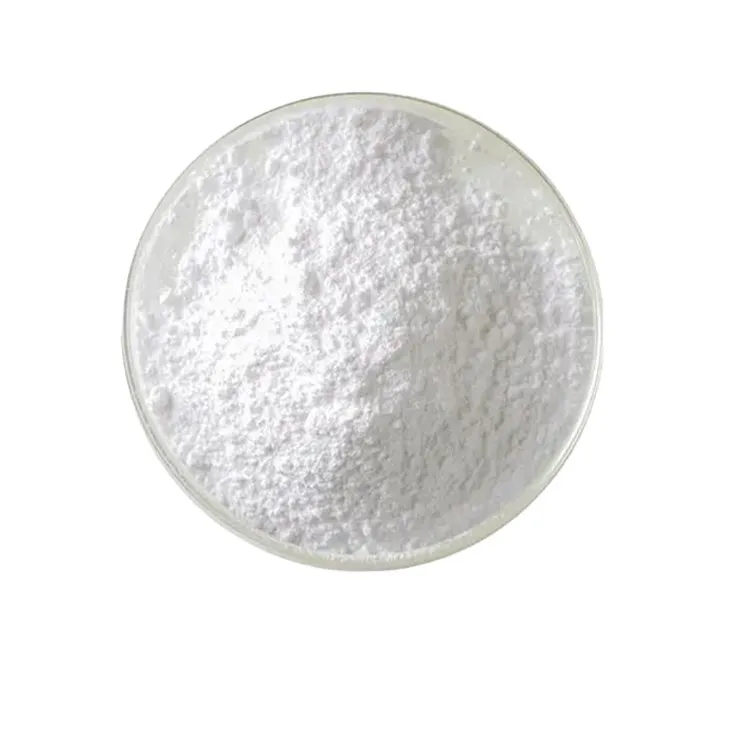
Appearance: White to off-white crystalline powder
Solubility: Soluble in ethanol, DMSO; slightly soluble in water
Certifications: ISO 22000, BRCGS, GMP, Halal, Kosher
Testing: Heavy metals (ICP-MS), residual solvents (GC), pesticides, microbiological analysis
Stability: Protected from light and moisture; proper packaging in aluminum foil bags with desiccant
GreenSky Bio's resveratrol extract is produced in our GMP-certified facility with ISO22000 and BRCGS certifications, ensuring every batch meets international quality standards for food, supplement, and cosmetic applications.
Recommended Dosage for Resveratrol Supplements
Based on clinical research and industry standards:
General Antioxidant Support: 50-100 mg/day of trans-resveratrol
Cardiovascular Health: 100-500 mg/day
Anti-Aging/Longevity: 250-1000 mg/day (higher doses used in longevity protocols)
Metabolic Health: 150-500 mg/day, typically combined with other metabolic actives
Resveratrol is fat-soluble and is best absorbed when taken with a meal containing dietary fats. Formulators should consider this when designing softgel, capsule, or powder formulations.
Market Outlook: Resveratrol in the Global Supplement Industry
The global resveratrol market is projected to grow at a CAGR of 9-11% through 2030, driven by:
Growing consumer awareness of antioxidant health benefits
Expansion of the anti-aging and longevity supplement category
Increasing scientific publications validating resveratrol's mechanisms
Rising demand for natural cosmetic active ingredients
Integration into sports nutrition and recovery formulations
Applications of Resveratrol Extract Across Industries
Dietary Supplements: Capsules, tablets, softgels, and powders for anti-aging and cardiovascular health
Functional Foods & Beverages: Fortified drinks, energy bars, and wellness shots
Cosmetics & Skincare: Serums, creams, and anti-aging topical formulations
Nutricosmetics: Oral beauty supplements for skin health from within
Sports Nutrition: Recovery formulas leveraging resveratrol's anti-inflammatory properties
FAQ: Resveratrol Extract
Q: What is the best source of resveratrol for supplements?
Japanese knotweed (Polygonum cuspidatum) is the most widely used commercial source due to its high resveratrol content and cost-effectiveness. Grape skin extract is also used for premium positioning but at lower concentrations.
Q: How stable is resveratrol extract?
Trans-resveratrol is sensitive to light, heat, and oxygen. It should be stored in sealed, light-proof packaging at temperatures below 25°C. Properly stored, standardized resveratrol powder maintains potency for 24 months.
Q: Can resveratrol be combined with other antioxidants?
Yes. Resveratrol is commonly combined with Quercetin, Curcumin, Green Tea Extract (EGCG), vitamin C, and CoQ10 for synergistic antioxidant effects. Our technical team can provide compatibility data for multi-ingredient formulations.
Q: Is synthetic resveratrol available?
Yes, biosynthetic resveratrol produced via microbial fermentation is available. However, botanical extracts from Polygonum cuspidatum remain preferred for "natural" product positioning and consumer preference.
Partner with GreenSky Bio for Premium Resveratrol Extract
As a trusted plant extract manufacturer since 2004, GreenSky Bio offers standardized trans-resveratrol extract (≥98%) with:
Full HPLC analysis and COA for every batch
ISO22000, BRCGS, GMP, Halal, and Kosher certifications
Technical formulation support from our experienced R&D team
Flexible MOQ and custom packaging options
Reliable supply chain serving European, American, and Asian markets
Whether you're developing a premium longevity supplement, cardiovascular health formula, or anti-aging skincare product, our resveratrol extract delivers the purity and consistency your brand requires.
Contact us today for a free sample, technical consultation, or pricing information.
- ▶ Hesperidin
- ▶ Citrus Bioflavonoids
- ▶ Plant Extract
- ▶ lycopene
- ▶ Diosmin
- ▶ Grape seed extract
- ▶ Sea buckthorn Juice Powder
- ▶ Fruit Juice Powder
- ▶ Hops Extract
- ▶ Artichoke Extract
- ▶ Mushroom extract
- ▶ Astaxanthin
- ▶ Green Tea Extract
- ▶ Curcumin
- ▶ Horse Chestnut Extract
- ▶ Other Product
- ▶ Boswellia Serrata Extract
- ▶ Resveratrol
- ▶ Marigold Extract
- ▶ Grape Leaf Extract
- ▶ New Product
- ▶ Aminolevulinic acid
- ▶ Cranberry Extract
- ▶ Red Yeast Rice
- ▶ Red Wine Extract
- ▶ blog
-
Black Rice Extract
2026-10-11
-
Cocoa Extract
2026-10-11
-
Nettle leaf extract
2026-10-11
-
Yellow Pine Extract
2026-10-11
-
Rosemary extract
2026-10-11
-
Hawthorn Extract
2026-10-11
-
Elderberry Extract
2026-10-11
-
Giant Knotweed Extract
2026-10-11
-
Plantain extract
2026-10-11
-
Horse Chestnut Extract
2026-10-11
