- 0086-571-85302990
- [email protected]






What Is Grape Seed Extract? OPC Science, Health Benefits & B2B Sourcing Guide (2026)
2026-10-11
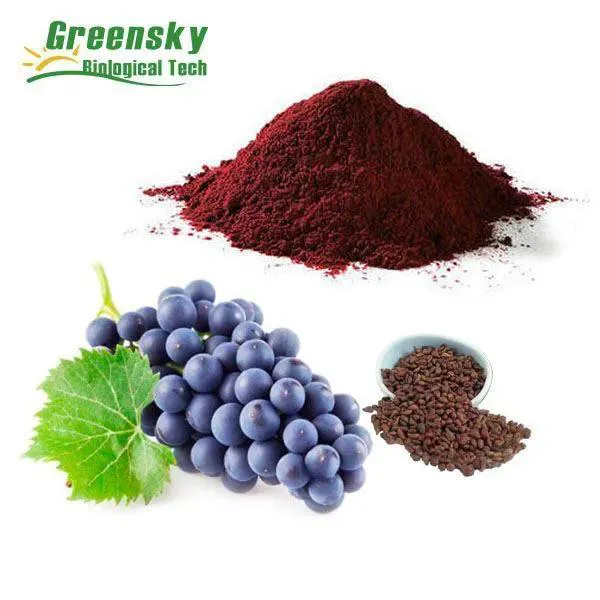
What Is Grape Seed Extract? OPC Science, Health Benefits & B2B Sourcing Guide (2026)
Grape Seed Extract (GSE) is one of the most potent natural sources of oligomeric proanthocyanidins (OPCs) — a class of polyphenolic compounds with exceptional antioxidant capacity. Derived from the seeds of Vitis vinifera (the common grape vine), Grape Seed Extract has been extensively studied for its cardiovascular, dermatological, and neuroprotective benefits.
For supplement manufacturers, cosmetic formulators, and functional food developers, grape seed extract offers a scientifically validated, consumer-recognized botanical ingredient with broad application potential. This guide covers the science of GSE, its health benefits, standardization requirements, and key considerations for B2B sourcing.
What Are Proanthocyanidins (OPCs)?
Proanthocyanidins, also known as condensed tannins, are polymers of flavan-3-ol units (primarily catechin and epicatechin). The term "oligomeric proanthocyanidins" (OPCs) refers to chains of 2-5 monomer units, which are considered the most bioavailable and biologically active forms.
Grape seeds contain some of the highest concentrations of OPCs in the plant kingdom — typically 2-10 times more concentrated than grape skin extract. This makes standardized grape seed extract one of the most effective natural antioxidant ingredients available for commercial formulation.
Antioxidant Capacity Comparison
In ORAC (Oxygen Radical Absorbance Capacity) testing, grape seed extract demonstrates significantly higher antioxidant activity than many well-known antioxidants:
Grape seed extract: ~4,000-5,000 μmol TE/100g
Green Tea Extract: ~1,200-1,500 μmol TE/100g
Vitamin C: ~1,100 μmol TE/100g
Vitamin E: ~700 μmol TE/100g
This superior antioxidant capacity makes GSE a valuable ingredient for oxidative stress management formulations.
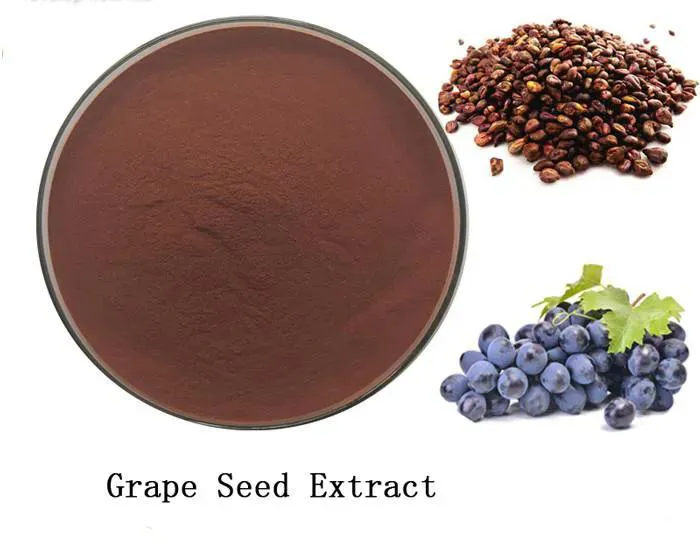
Key Health Benefits of Grape Seed Extract
1. Cardiovascular and Circulatory Health
Grape seed extract's most well-documented benefits relate to cardiovascular health. OPCs support vascular function through multiple mechanisms:
Endothelial Protection: OPCs enhance nitric oxide (NO) bioavailability, promoting vasodilation and healthy blood flow. A meta-analysis of randomized controlled trials found that GSE supplementation significantly reduced both systolic and diastolic blood pressure.
Capillary Strength: Proanthocyanidins strengthen capillary walls by protecting collagen and elastin from enzymatic degradation, reducing capillary fragility and associated conditions (bruising, varicose veins, hemorrhoids).
LDL Cholesterol Protection: OPCs inhibit the oxidation of LDL cholesterol, a critical step in atherogenesis. Oxidized LDL is significantly more atherogenic than native LDL.
Platelet Function: GSE has been shown to reduce platelet aggregation, supporting healthy blood viscosity and circulation.
2. Skin Health and Anti-Aging
Grape seed extract has become a cornerstone ingredient in both oral and topical anti-aging formulations. Its mechanisms include:
Collagen Protection: OPCs bind to collagen fibers, protecting them from degradation by matrix metalloproteinases (MMPs) and supporting skin elasticity.
UV Photoprotection: GSE reduces UV-induced skin damage by scavenging free radicals generated by sun exposure and modulating inflammatory responses.
Skin Hydration: Clinical studies have shown that oral GSE supplementation improves skin hydration, elasticity, and smoothness.
Pigmentation Management: OPCs may inhibit tyrosinase activity, supporting even skin tone and reducing hyperpigmentation.
3. Cognitive Function and Neuroprotection
Emerging research suggests that grape seed proanthocyanidins may support cognitive health by:
Crossing the blood-brain barrier and reducing neuroinflammation
Protecting neurons from oxidative stress and beta-amyloid toxicity
Improving cerebral blood flow through vascular mechanisms
Enhancing synaptic plasticity and memory-related signaling pathways
4. Eye Health
GSE's vascular and antioxidant benefits extend to ocular health. Proanthocyanidins accumulate in retinal tissue and may support:
Retinal blood vessel integrity
Protection against diabetic retinopathy
Reduction of eye strain and visual fatigue
Complementary support alongside lutein and zeaxanthin formulations
5. Anti-Inflammatory and Immune Support
OPCs modulate inflammatory signaling by inhibiting NF-κB activation, reducing COX-2 expression, and downregulating pro-inflammatory cytokines (TNF-α, IL-6, IL-1β). This makes GSE relevant for immune health and inflammation management product categories.
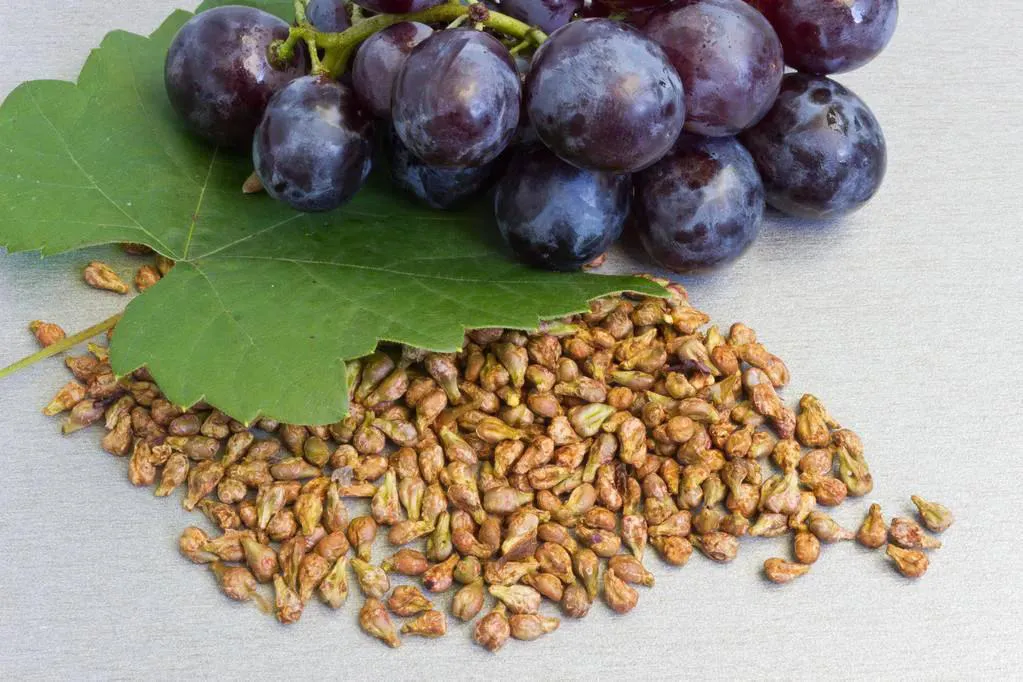
Grape Seed Extract Standardization: Understanding OPC Content
Not all grape seed extracts are equivalent. The standardization level — particularly the OPC (proanthocyanidin) content — is the most critical quality parameter:
| Standardization | OPC Content | Typical Application |
|---|---|---|
| 40% OPC (UV) | ≥40% proanthocyanidins | Entry-level supplements; cost-effective formulations |
| 50% OPC (UV) | ≥50% proanthocyanidins | Mid-range supplements; mainstream market |
| 95% OPC (HPLC) | ≥95% proanthocyanidins | Premium supplements; clinical-grade formulations; cosmetic actives |
Important note: UV-based OPC analysis tends to overestimate proanthocyanidin content compared to HPLC analysis. Always request HPLC-verified OPC content for premium product positioning. Our GSE is available in multiple standardizations with full HPLC testing documentation.
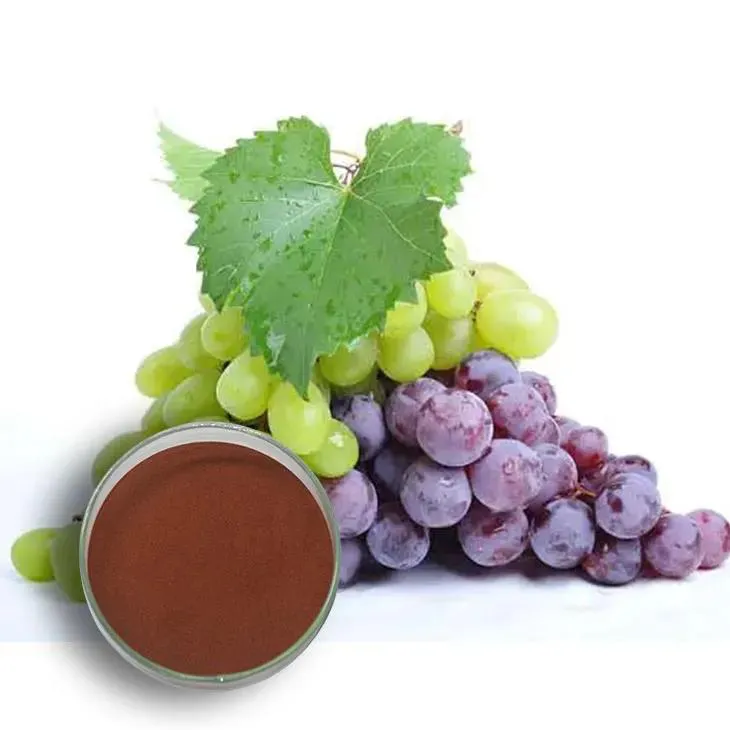
Extraction Methods: How Quality Grape Seed Extract Is Produced
The quality of grape seed extract depends significantly on the extraction methodology:
1. Raw Material Sourcing
Premium GSE begins with high-quality grape seeds, typically sourced as a byproduct of the wine and juice industry. The seeds are dried, cleaned, and milled before extraction. GreenSky Bio sources grape seeds from certified suppliers with verified pesticide-free cultivation practices.
2. Solvent Extraction
The standard industrial process uses food-grade ethanol-water mixtures to extract proanthocyanidins from ground grape seeds. Key parameters include:
Temperature control (typically 40-60°C) to preserve OPC integrity
Solvent ratio optimization for maximum yield
Multiple extraction cycles for completeness
3. Purification and Concentration
The crude extract undergoes membrane filtration and vacuum concentration to remove impurities and concentrate the active OPC fraction. Low-temperature vacuum concentration preserves the bioactivity of heat-sensitive proanthocyanidins.
4. Spray Drying
The concentrated extract is spray-dried with maltodextrin or other carriers to produce a free-flowing powder suitable for capsule filling and tablet compression.
5. Quality Testing
Every batch undergoes comprehensive testing in our independent laboratory equipped with HPLC, UV, and GC systems, including:
OPC content verification (UV and HPLC)
Heavy metal analysis (Pb, As, Cd, Hg)
Microbiological testing (total plate count, yeast/mold, E. coli, Salmonella)
Residual solvent testing
Moisture content and particle size analysis
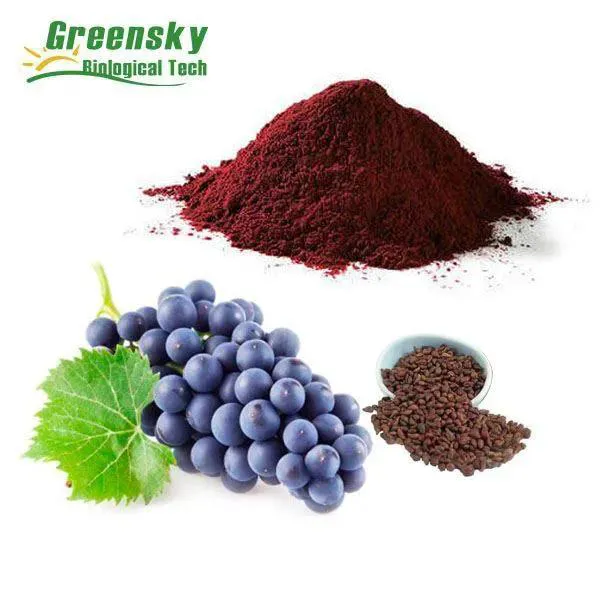
Grape Seed Extract vs. Grape Skin Extract: Key Differences
| Parameter | Grape Seed Extract | Grape Skin Extract |
|---|---|---|
| Primary Active | OPCs (proanthocyanidins) | Resveratrol, anthocyanins |
| OPC Content | 40-95% | 5-20% |
| Antioxidant Capacity | Very high (ORAC ~4,000-5,000) | Moderate (ORAC ~1,000-2,000) |
| Primary Benefits | Cardiovascular, skin, circulation | Anti-aging, cardiovascular (resveratrol-driven) |
| Color | Light brown to reddish-brown | Deep purple to red |
For formulations targeting OPC-specific benefits, grape seed extract is the superior choice. Some premium products combine both GSE and grape skin extract for comprehensive polyphenol coverage — a strategy our R&D team can support with formulation guidance.
Market Trends: Growing Demand for Grape Seed Extract
The global grape seed extract market is projected to reach USD 250-300 million by 2030, with a CAGR of 6-8%. Key growth drivers include:
Cardiovascular Health Awareness: Rising awareness of natural heart health solutions drives GSE demand
Beauty-from-Within Trend: Oral nutricosmetics featuring GSE for skin health are growing rapidly
Sports Nutrition: Athletes and fitness enthusiasts use GSE for recovery and vascular support
Clean Label Movement: Consumers prefer plant-derived antioxidants over synthetic alternatives
Eye Health Category: GSE's vascular benefits complement lutein and zeaxanthin formulations
Recommended Dosage for Grape Seed Extract Supplements
Based on clinical research and industry standards:
General Antioxidant Support: 50-100 mg/day of standardized GSE (40-50% OPC)
Cardiovascular Health: 100-300 mg/day of standardized GSE (≥50% OPC)
Skin Health: 100-200 mg/day of standardized GSE (≥95% OPC preferred)
Venous Insufficiency: 150-300 mg/day in clinical studies
Eye Health Support: 50-150 mg/day, combined with other eye health nutrients
Quality Certifications for Grape Seed Extract
When sourcing GSE for commercial use, verify the following certifications and documentation:
ISO 22000: Food safety management system
BRCGS: Global food safety standard
GMP Compliance: Good Manufacturing Practice
Halal & Kosher: Dietary compliance for global markets
Organic (Ecocert): For organic-certified products
Full COA: Certificate of Analysis with HPLC verification
GreenSky Bio's grape seed extract is produced in our GMP-certified facility with ISO22000, BRCGS, and Ecocert Organic certifications — ensuring quality that meets European, American, and Asian regulatory requirements.
FAQ: Grape Seed Extract
Q: What is the difference between UV and HPLC testing for OPC content?
UV-based analysis (typically the vanillin or DMAC method) measures total proanthocyanidin-related compounds and tends to overestimate OPC content. HPLC provides more precise quantification of specific proanthocyanidin oligomers. For premium product claims, HPLC verification is recommended.
Q: Can grape seed extract be combined with other ingredients?
Yes. GSE is commonly combined with vitamin C (synergistic collagen support), resveratrol (comprehensive grape polyphenols), pycnogenol/French maritime pine bark extract (similar OPC profile), and coenzyme Q10 (cardiovascular synergy).
Q: Is grape seed extract safe?
Grape seed extract has an excellent safety profile. Clinical studies at doses up to 600 mg/day for 6 months have shown no significant adverse effects. Mild gastrointestinal discomfort may occur at high doses. GSE may have mild blood-thinning effects, so consultation with a healthcare professional is recommended for individuals on anticoagulant medications.
Q: What is the shelf life of grape seed extract powder?
Properly packaged in sealed aluminum foil bags with desiccant and stored at room temperature (below 25°C), standardized GSE maintains potency for 24 months. The proanthocyanidins are relatively stable but should be protected from moisture and excessive heat.
Partner with GreenSky Bio for Premium Grape Seed Extract
As an established plant extract manufacturer since 2004, GreenSky Bio offers standardized grape seed extract with:
Multiple OPC standardizations (40%, 50%, 95% by HPLC)
Full traceability from grape source to finished extract
ISO22000, BRCGS, GMP, Halal, Kosher, and Ecocert Organic certifications
In-house laboratory testing (HPLC, UV, GC, ICP-MS)
Custom formulation and private-label support
Reliable supply for global markets (EU, USA, South Korea, Russia)
Whether you're developing a cardiovascular supplement, beauty-from-within product, or sports nutrition formula, our grape seed extract delivers the quality and consistency your brand needs.
Contact us today to request a free sample, discuss your specifications, or schedule a technical consultation with our team.
- ▶ Hesperidin
- ▶ Citrus Bioflavonoids
- ▶ Plant Extract
- ▶ lycopene
- ▶ Diosmin
- ▶ Grape seed extract
- ▶ Sea buckthorn Juice Powder
- ▶ Fruit Juice Powder
- ▶ Hops Extract
- ▶ Artichoke Extract
- ▶ Mushroom extract
- ▶ Astaxanthin
- ▶ Green Tea Extract
- ▶ Curcumin
- ▶ Horse Chestnut Extract
- ▶ Other Product
- ▶ Boswellia Serrata Extract
- ▶ Resveratrol
- ▶ Marigold Extract
- ▶ Grape Leaf Extract
- ▶ New Product
- ▶ Aminolevulinic acid
- ▶ Cranberry Extract
- ▶ Red Yeast Rice
- ▶ Red Wine Extract
- ▶ blog
-
Kupilu Extract
2026-10-11
-
American Ginseng Root Extract
2026-10-11
-
Red Wine Extract
2026-10-11
-
Epimedium extract powder
2026-10-11
-
Horse Chestnut Extract
2026-10-11
-
Lily extract
2026-10-11
-
Sea buckthorn Juice Powder
2026-10-11
-
Nattokinase
2026-10-11
-
Curcumin
2026-10-11
-
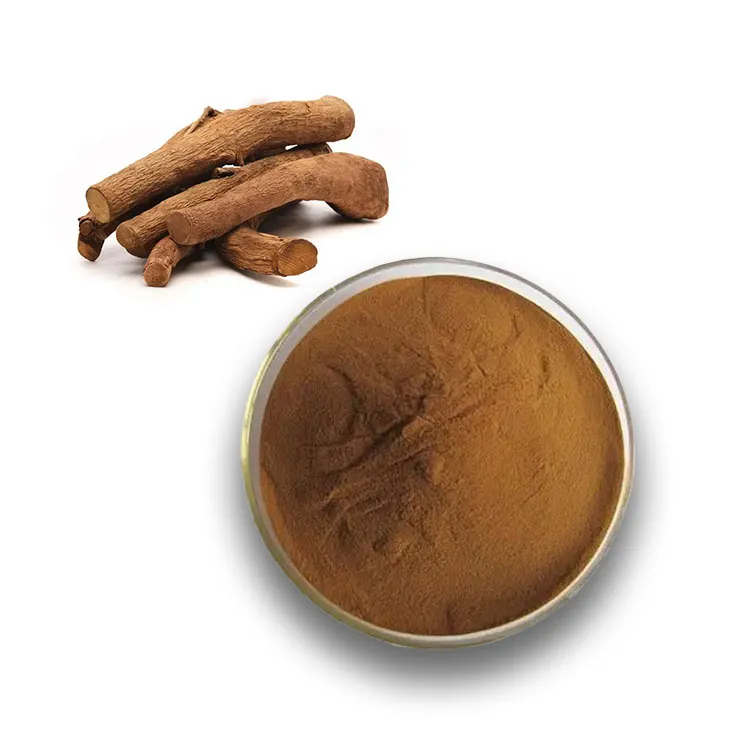
Tongkat Ali Extract Powder
2026-10-11
