- 0086-571-85302990
- [email protected]




Magnolia Bark Extract (Honokiol & Magnolol): Complete Guide to Stress Relief, Sleep Support & B2B So
2026-11-22
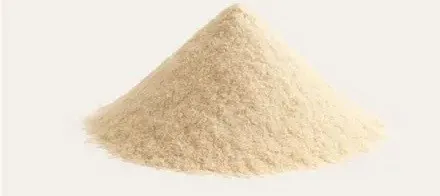
Table of Contents
What Is Magnolia Bark Extract and Its Role in Traditional Chinese Medicine?
Active Compounds: Honokiol, Magnolol, and Other Lignans
GABAergic Activity: How Magnolia Bark Supports Calmness and Sleep
Clinical Evidence for Stress, Anxiety, and Mood Support
Sleep Quality Improvement: Mechanisms and Outcomes
Neuroprotective and Anti-Inflammatory Properties
Antimicrobial and Oral Health Applications
Standardization: Choosing Between Honokiol, Magnolol, and Combined Specifications
Quality Standards, Certifications and Regulatory Compliance
Applications in Supplements, Functional Foods, and Cosmetics
How to Source Premium Magnolia Bark Extract: A Buyer's Guide
Why Choose Greensky as Your Magnolia Bark Extract Supplier
1. What Is Magnolia Bark Extract and Its Role in Traditional Chinese Medicine?
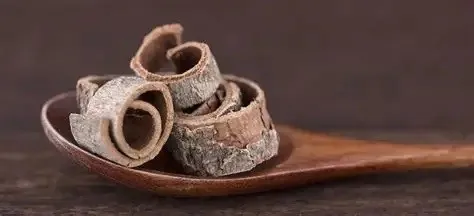
Magnolia Bark Extract is derived from the bark of Magnolia officinalis (厚朴, Houpo), a deciduous tree native to China and Japan. In Traditional Chinese Medicine (TCM), Magnolia bark has been used for over 2,000 years as a key herb for regulating Qi (vital energy), relieving chest and abdominal fullness, calming the spirit, and promoting digestive function.
Modern scientific research has identified the bioactive lignans honokiol and magnolol as the primary active compounds responsible for Magnolia bark's therapeutic effects. These biphenolic compounds have demonstrated anxiolytic, sedative, anti-inflammatory, antioxidant, and neuroprotective activities, making Magnolia bark extract one of the most versatile and commercially important botanicals in the stress relief and sleep support supplement categories.
The global Magnolia bark extract market is growing rapidly, projected to reach USD 45 million by 2028, driven by the increasing demand for natural alternatives to pharmaceutical anxiolytics and sleep aids, as well as expanding applications in oral care and cosmetic products.
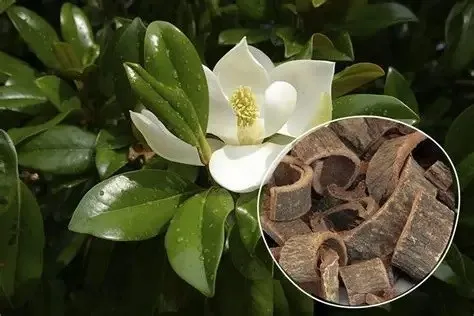
2. Active Compounds: Honokiol, Magnolol, and Other Lignans
2.1 Honokiol
Honokiol (3′,5-di-2-propenyl-[1,1′-biphenyl]-2,4′-diol) is a low-molecular-weight neolignan with remarkable pharmacological properties:
Molecular weight: 266.34 g/mol — small enough to cross the blood-brain barrier efficiently
Lipophilicity: Highly lipophilic, enabling rapid absorption and tissue penetration
Key activities: GABA-A receptor modulation, neuroprotection, anti-anxiety, anti-inflammatory, anti-cancer (preclinical)
2.2 Magnolol
Magnolol (5,5′-di-2-propenyl-[1,1′-biphenyl]-2,2′-diol) is an isomer of honokiol with similar but distinct pharmacological properties:
Key activities: Anti-inflammatory, antioxidant, anti-bacterial, anti-allergic, bone health support
Synergy with honokiol: The combination of honokiol and magnolol produces greater biological effects than either compound alone
2.3 Other Compounds
Magnolia bark also contains obovatol, 4-O-methylhonokiol, and various essential oils that may contribute to the overall therapeutic profile. However, honokiol and magnolol are the primary marker compounds used for extract standardization.
3. GABAergic Activity: How Magnolia Bark Supports Calmness and Sleep
3.1 GABA-A Receptor Modulation
One of the most well-characterized mechanisms of honokiol and magnolol is their ability to modulate the GABA-A receptor — the same receptor targeted by pharmaceutical benzodiazepines (e.g., diazepam, alprazolam). However, Magnolia bark compounds work differently:
Allosteric modulation: Honokiol binds to a distinct site on the GABA-A receptor, enhancing the effect of endogenous GABA without directly activating the receptor
Selectivity: Unlike benzodiazepines, honokiol shows preferential activity at GABA-A receptor subtypes associated with anxiolysis rather than sedation, potentially explaining its calming effects without excessive drowsiness
No tolerance development: Preclinical studies suggest that honokiol does not produce the receptor downregulation and tolerance associated with chronic benzodiazepine use
3.2 Comparison with Pharmaceutical Anxiolytics
| Property | Honokiol/Magnolol | Benzodiazepines |
|---|---|---|
| Mechanism | Allosteric GABA-A modulation | Direct GABA-A receptor activation |
| Dependency risk | Low (no tolerance in preclinical studies) | High (tolerance and dependence common) |
| Side effects | Minimal at recommended doses | Drowsiness, cognitive impairment, motor coordination issues |
| Withdrawal | Not reported | Significant (anxiety, insomnia, seizures) |
This favorable safety profile positions Magnolia bark extract as a compelling natural alternative for consumers seeking stress and anxiety support without the risks associated with pharmaceutical options.
4. Clinical Evidence for Stress, Anxiety, and Mood Support
4.1 Human Studies on Stress and Anxiety
Study 1 (n = 28, stressed adults):
Intervention: Magnolia bark extract (standardized to honokiol and magnolol) daily for 4 weeks
Results: Significant reduction in self-reported stress and anxiety scores; improved mood and sleep quality
Study 2 (pilot, n = 19):
Intervention: Magnolia bark extract + Ashwagandha Extract combination for 30 days
Results: Significant reduction in cortisol levels, improved stress resilience, and enhanced sleep quality
4.2 Preclinical Evidence
Anxiolytic effects: Honokiol demonstrates anxiolytic activity in multiple animal models (elevated plus maze, open field test) at doses comparable to low-dose diazepam
Antidepressant-like effects: Honokiol shows antidepressant-like activity in the forced swim test, potentially through serotonergic and noradrenergic modulation
Anticonflict effects: Honokiol increases punished responding in animal conflict tests, a standard measure of anxiolytic activity
5. Sleep Quality Improvement: Mechanisms and Outcomes
5.1 Mechanisms of Sleep Support
Magnolia bark extract supports healthy sleep through multiple pathways:
GABAergic sedation: Honokiol's modulation of GABA-A receptors promotes the transition from wakefulness to sleep
Cortisol reduction: Magnolia bark extract has been shown to reduce cortisol levels, helping to calm the hyperarousal state that prevents sleep onset
Sleep architecture: Animal studies suggest honokiol may increase slow-wave sleep (deep sleep) duration, the most restorative sleep stage
5.2 Clinical Outcomes
In clinical studies using Magnolia bark-containing formulations:
Sleep onset latency: Reduced time to fall asleep by 20–30 minutes
Sleep quality: Improved subjective sleep quality scores (PSQI)
Daytime functioning: Reduced daytime sleepiness and improved alertness (likely due to improved sleep architecture)
5.3 Synergistic Combinations for Sleep
Magnolia bark extract is frequently combined with other sleep-supporting botanicals:
Magnolia bark + GABA: Dual GABAergic support for enhanced calming effects
Magnolia bark + L-theanine: Combined GABA modulation and alpha-wave promotion for relaxed alertness transitioning to sleep
Magnolia bark + Ashwagandha + Melatonin: Triple-action approach targeting stress reduction, GABAergic calming, and circadian regulation
6. Neuroprotective and Anti-Inflammatory Properties
6.1 Neuroprotection
Honokiol has emerged as a promising neuroprotective compound in preclinical research:
Alzheimer's disease models: Honokiol reduces amyloid-beta production by inhibiting BACE1 (β-secretase) and prevents amyloid-beta-induced neurotoxicity
Parkinson's disease models: Honokiol protects dopaminergic neurons from oxidative stress and inflammation
Stroke models: Honokiol reduces cerebral infarct volume and improves neurological outcomes in rodent stroke models
Blood-brain barrier: Honokiol's small molecular weight (266 Da) and high lipophilicity enable excellent blood-brain barrier penetration — a significant advantage over many other neuroprotective compounds
6.2 Anti-Inflammatory Activity
Both honokiol and magnolol inhibit NF-κB activation, reducing the production of pro-inflammatory cytokines (TNF-α, IL-1β, IL-6). This anti-inflammatory activity contributes to:
Neuroinflammation reduction: Protecting neurons from chronic inflammatory damage
Systemic inflammation: Supporting overall inflammatory balance, which is relevant to metabolic health, cardiovascular health, and autoimmune conditions
6.3 Antioxidant Activity
The phenolic structure of honokiol and magnolol provides potent free radical scavenging activity. In ORAC assays, Magnolia bark extract demonstrates significant antioxidant capacity, and these compounds also upregulate endogenous antioxidant enzymes (SOD, catalase) through Nrf2 pathway activation.
7. Antimicrobial and Oral Health Applications
Magnolol has demonstrated significant antibacterial activity against oral pathogens:
Anti-cavity activity: Magnolol inhibits the growth of Streptococcus mutans and other cariogenic bacteria, reducing acid production and enamel demineralization
Anti-periodontal activity: Magnolol inhibits Porphyromonas gingivalis, a key pathogen in periodontal disease
Anti-halitosis: Magnolol reduces volatile sulfur compound-producing bacteria, addressing the root cause of bad breath
Commercial products: Magnolia bark extract is already incorporated into several commercial toothpaste, mouthwash, and chewing gum products in Asia
This antimicrobial profile creates a significant additional market opportunity for Magnolia bark extract in the oral care industry, beyond its primary applications in dietary supplements.
8. Standardization: Choosing Between Honokiol, Magnolol, and Combined Specifications
| Specification | Marker Compounds | Primary Application |
|---|---|---|
| Honokiol Standardized | ≥ 50% Honokiol (HPLC) | Premium stress relief and sleep support supplements |
| Magnolol Standardized | ≥ 50% Magnolol (HPLC) | Oral care products, anti-inflammatory formulations |
| Combined (Honokiol + Magnolol) | ≥ 90% Total (HPLC) | General stress and sleep support products |
| Low-dose Combined | ≥ 20% Total (HPLC) | Cost-effective supplement formulations |
| Crude Extract | ~5–15% Total (HPLC) | Traditional preparations, food applications |
9. Quality Standards, Certifications and Regulatory Compliance
| Parameter | Specification |
|---|---|
| Appearance | White to off-white fine powder |
| Honokiol content | As specified (HPLC) |
| Magnolol content | As specified (HPLC) |
| Loss on drying | ≤ 2.0% |
| Heavy metals | Pb < 1.0 ppm, As < 0.5 ppm, Cd < 0.3 ppm, Hg < 0.1 ppm |
| Residual solvents | Compliant with ICH Q3C |
| Microbiological | Total plate count < 1,000 CFU/g; E. coli, Salmonella: negative |
| Pesticide residues | Compliant with EU and USP limits |
Greensky's production facility holds ISO 22000, BRCGS, Ecocert Organic, SGS-GMP, HALAL, and Kosher certifications, ensuring Magnolia bark extract quality for global regulatory compliance.
10. Applications in Supplements, Functional Foods, and Cosmetics
10.1 Dietary Supplements
Sleep support formulas: Magnolia bark extract (honokiol standardized) + GABA + melatonin
Stress and anxiety support: Magnolia bark extract + Ashwagandha Extract + L-theanine
Mood support products: Magnolia bark extract + Rhodiola Rosea Extract + 5-HTP
Relaxation beverages: Low-dose Magnolia bark extract in functional teas and calm-down drinks
10.2 Oral Care Products
Toothpaste and mouthwash: Magnolol as the active antibacterial ingredient
Chewing gum: Magnolia bark extract for cavity prevention and breath freshening
10.3 Cosmetics and Personal Care
Anti-aging creams: Honokiol's antioxidant and anti-inflammatory properties for skin health
Anti-acne products: Magnolol's antibacterial activity against Propionibacterium acnes
10.4 Typical Dosage
For stress and sleep support, clinical studies have used Magnolia bark extract in the range of 200–400 mg per day (standardized to honokiol and magnolol), typically taken in the evening or divided between morning and evening doses.
11. How to Source Premium Magnolia Bark Extract: A Buyer's Guide
11.1 Botanical Authentication
Ensure the extract is derived from Magnolia officinalis Rehder & E.H. Wilson bark. DNA barcoding and HPLC fingerprinting can confirm the correct botanical source and distinguish it from other Magnolia species.
11.2 Extraction Method
Supercritical CO₂ extraction and ethanol extraction are the preferred methods for Magnolia bark, producing high-purity honokiol and magnolol extracts with minimal solvent residue. Ask suppliers about their extraction and purification methods.
11.3 Stability Considerations
Honokiol and magnolol are relatively stable compounds, but extracts should be stored in sealed, light-protected containers to prevent oxidation. Request stability data from your supplier — typically 24 months in sealed packaging at room temperature.
12. Why Choose Greensky as Your Magnolia Bark Extract Supplier
Hangzhou Greensky Biological Tech. Co., Ltd., established in 2004, brings over 20 years of expertise in plant extract research, development, and production. Our Magnolia bark extract advantages include:
Full specification range: From crude extracts (~5–15% total) to high-purity honokiol (≥ 50%) and magnolol (≥ 50%) standards
Advanced purification: Multi-step extraction and column chromatography for pharmaceutical-grade purity
Comprehensive testing: In-house HPLC laboratory with full compound profiling and batch-specific COA
Global certifications: ISO 22000, BRCGS, Ecocert Organic, SGS-GMP, HALAL, Kosher
$30M+ export volume: Proven track record serving global supplement, oral care, and cosmetic brands
Complementary product range: We also supply GABA, Ashwagandha Extract, and other sleep/stress support ingredients for comprehensive formulation solutions
Contact Greensky Bio for Magnolia Bark Extract specifications, samples, and competitive B2B pricing.
- ▶ Hesperidin
- ▶ Citrus Bioflavonoids
- ▶ Plant Extract
- ▶ lycopene
- ▶ Diosmin
- ▶ Grape seed extract
- ▶ Sea buckthorn Juice Powder
- ▶ Fruit Juice Powder
- ▶ Hops Extract
- ▶ Artichoke Extract
- ▶ Mushroom extract
- ▶ Astaxanthin
- ▶ Green Tea Extract
- ▶ Curcumin
- ▶ Horse Chestnut Extract
- ▶ Other Product
- ▶ Boswellia Serrata Extract
- ▶ Resveratrol
- ▶ Marigold Extract
- ▶ Grape Leaf Extract
- ▶ New Product
- ▶ Aminolevulinic acid
- ▶ Cranberry Extract
- ▶ Red Yeast Rice
- ▶ Red Wine Extract
- ▶ blog
-
Liposomal NMN
2026-11-22
-
Green coffee bean Extract
2026-11-22
-
Garcinia Cambogia Extract
2026-11-22
-
Gamma-Aminobutyric Acid
2026-11-22
-
Bilberry Extract
2026-11-22
-
Citrus Aurantium Extract
2026-11-22
-
Acerola Juice Powder
2026-11-22
-
Nettle Root Extract
2026-11-22
-
Resveratrol
2026-11-22
-
Ginseng Root Extract
2026-11-22