- 0086-571-85302990
- [email protected]




Ashwagandha Extract: Complete Guide to Adaptogenic Stress Relief, Clinical Science & B2B Sourcing (2
2026-11-14
Table of Contents
What Is Ashwagandha Extract and Why Is It the World's Leading Adaptogen?
Active Compounds: Withanolides, Alkaloids, and Withaferin A
Clinical Evidence for Stress, Anxiety, and Cortisol Reduction
Sleep Quality, Cognitive Function, and Physical Performance Benefits
Quality Markers: How to Identify Premium Ashwagandha Root Extract
Ashwagandha Extract Applications in Modern Wellness Products
How Greensky Produces Standardized Ashwagandha Extract
B2B Sourcing Guide: Selecting the Right Ashwagandha Supplier
Frequently Asked Questions
What Is Ashwagandha Extract and Why Is It the World's Leading Adaptogen?
Ashwagandha (Withania somnifera), also known as Indian ginseng or winter cherry, is one of the most important herbs in Ayurvedic medicine. The term "ashwagandha" translates to "smell of the horse," referring both to the root's distinctive aroma and the traditional belief that it imparts the strength and vitality of a horse.
As an adaptogen, ashwagandha helps the body resist and adapt to physical, chemical, and biological stressors. The global ashwagandha extract market has experienced explosive growth, driven by rising consumer awareness of stress management, sleep health, and natural cognitive support.
Hangzhou Greensky Biological Tech. Co., Ltd. — a natural plant extract manufacturer with over 20 years of experience and nearly $30 million USD in annual exports — produces standardized ashwagandha root extract for clients worldwide.
Active Compounds: Withanolides, Alkaloids, and Withaferin A
Ashwagandha's pharmacological activity is attributed to a complex profile of bioactive compounds:
Withanolides (Steroidal Lactones)
Withanolides are the primary marker compounds used to standardize ashwagandha extract. Over 40 withanolides have been identified in Withania somnifera, with the most significant being:
Withanolide A — Supports cognitive function and neuronal health. Demonstrates neuroprotective and memory-enhancing properties in preclinical models.
Withanolide B — Contributes to the herb's adaptogenic and anti-stress activity.
Withaferin A — The most biologically potent withanolide, with well-documented anti-inflammatory and anti-proliferative properties.
Alkaloids
Ashwagandha contains several tropane alkaloids including:
Isopelletierine
Anaferine
Anahygrine
These alkaloids contribute to the herb's overall pharmacological profile and may have synergistic effects with withanolides.
Standardization Levels
Specification Withanolide Content Application 5% Withanolides 5% (HPLC) Standard dietary supplements 10% Withanolides 10% (HPLC) Premium supplements, clinical-grade formulations 2.5% Withanolides 2.5% (HPLC) Food and beverage applications
Clinical Evidence for Stress, Anxiety, and Cortisol Reduction
Stress and Cortisol Management
The strongest clinical evidence for ashwagandha centers on its ability to reduce stress and lower cortisol levels:
A 2019 RCT (Chandrasekhar et al.) found that participants taking 300 mg of full-spectrum ashwagandha root extract twice daily experienced a 44% reduction in perceived stress scores compared to placebo over 60 days.
A 2012 Study demonstrated that ashwagandha supplementation significantly reduced serum cortisol levels by an average of 27.9% compared to baseline, compared to a 7.9% reduction in the placebo group.
A 2021 Systematic Review analyzed 12 randomized controlled trials and concluded that ashwagandha significantly reduces both perceived stress and serum cortisol levels, with effects most pronounced at doses of 250–600 mg/day over 8+ weeks.
Anxiety Reduction
Clinical trials have consistently shown ashwagandha's anxiolytic effects:
A 2019 study published in Cureus found that ashwagandha root extract significantly reduced Hamilton Anxiety Rating Scale (HAM-A) scores compared to placebo.
Ashwagandha modulates GABAergic signaling, providing a natural calming effect without the sedation associated with pharmaceutical anxiolytics.
Sleep Quality, Cognitive Function, and Physical Performance Benefits
Sleep Improvement
Ashwagandha's species name "somnifera" literally means "sleep-inducing" in Latin. Clinical evidence supports its role in sleep health:
A 2019 RCT found that ashwagandha root extract significantly improved sleep onset latency, sleep efficiency, and overall sleep quality in adults with insomnia.
A 2021 Study demonstrated significant improvements in sleep quality scores after 8 weeks of ashwagandha supplementation, with effects attributed to the herb's GABA-mimetic activity and cortisol-lowering effects.
Cognitive Function and Memory
Withanolide A has been shown to promote neurite outgrowth and synaptic reconstruction in neuronal cell models.
Clinical studies indicate improvements in executive function, attention, and information processing speed with ashwagandha supplementation.
Physical Performance and Recovery
A 2015 RCT found that ashwagandha supplementation (300 mg twice daily) significantly increased VO2 max, muscle strength, and recovery in healthy adults engaged in resistance training.
A 2021 Study demonstrated that ashwagandha improved cardiorespiratory endurance and quality of life in healthy adults.
Quality Markers: How to Identify Premium Ashwagandha Root Extract
When sourcing ashwagandha extract, evaluate these critical parameters:
Withanolide Quantification — Ensure HPLC-based withanolide quantification (not just UV). Request individual withanolide profiling (Withanolide A, Withaferin A).
Root vs. Leaf — Root extract is the clinically studied form. Verify that the extract is derived from root, not leaf.
Heavy Metals — Lead < 1.0 ppm, Arsenic < 0.5 ppm, Cadmium < 0.5 ppm, Mercury < 0.1 ppm.
Pesticide Residues — Must comply with EU MRL standards and USP <561>.
Microbiological Standards — Total plate count < 1,000 CFU/g, absence of pathogens.
Particle Size — D90 < 80 mesh for optimal capsule filling and tablet compression.
Withaferin A Levels — Some applications require low-Withaferin A extracts (< 0.1%) for safety considerations.
Ashwagandha Extract Applications in Modern Wellness Products
Dietary Supplements
Ashwagandha is the leading ingredient in stress relief, sleep support, and adaptogenic supplement categories. Formats include capsules, tablets, gummies, sublingual drops, and powdered drink mixes.
Functional Beverages
Ashwagandha is increasingly incorporated into adaptogenic beverage formulations, including relaxation teas, sleep drinks, and functional water products. Water-soluble extract technologies enable clear beverage applications.
Personal Care
Ashwagandha's antioxidant properties are leveraged in anti-aging skincare, hair care formulations, and stress-relief topical products.
How Greensky Produces Standardized Ashwagandha Extract
At Jiangxi Greensky Food Co., Ltd., ashwagandha root extract is produced under strict GMP-aligned conditions:
6-ton multi-functional extraction tanks for consistent, large-scale extraction
Column chromatography systems for precise withanolide standardization
Spray drying and vacuum drying systems for optimal powder characteristics
100,000-class clean area ensuring food-grade production standards
In-house analytical laboratory equipped with HPLC, GC, and UV for comprehensive quality testing
All batches undergo full specification testing before release. Certifications include ISO 22000, BRCGS, Ecocert Organic Standard, and SGS-GMP.
B2B Sourcing Guide: Selecting the Right Ashwagandha Supplier
Key considerations when sourcing ashwagandha extract:
Standardization Methodology — Verify that withanolide content is determined by validated HPLC methods (USP or in-house validated). UV-only methods can overestimate withanolide content.
Botanical Authentication — Ensure the supplier verifies Withania somnifera identity through morphological, microscopic, and/or DNA-based methods to prevent adulteration.
Supply Chain Transparency — Traceability from raw material sourcing through finished extract is essential for quality assurance.
Regulatory Documentation — Complete COA, SDS, allergen statements, and organic certificates should be provided with each shipment.
Export Capability — Greensky serves markets across Europe, the United States, South Korea, and Russia, with proven logistics and regulatory compliance experience.
Technical Partnership — Look for suppliers who offer formulation support, stability data, and market intelligence — not just product supply.
Frequently Asked Questions
Q1: What is the standard dosage for ashwagandha root extract?A: Clinical studies typically use 250–600 mg/day of standardized root extract (5–10% withanolides), divided into 1–2 doses. For sleep support, evening dosing is often preferred.
Q2: Is ashwagandha extract safe for long-term use?A: Ashwagandha has a long history of traditional use and a strong modern safety record. Clinical trials of up to 12 months have not identified significant safety concerns. Consult a healthcare provider for specific medical conditions.
Q3: Can ashwagandha be combined with other adaptogens?A: Yes. Ashwagandha is commonly combined with Rhodiola rosea, Bacopa monnieri, and L-theanine in multi-adaptogen formulations. Synergistic effects have been documented in several studies.
Q4: What is the difference between KSM-66 and generic ashwagandha extract?A: KSM-66 is a branded, patented ashwagandha extract with specific manufacturing processes. Greensky produces unbranded, standardized ashwagandha root extract that meets the same withanolide specifications, offering flexibility for private-label applications.
Q5: Does Greensky offer organic-certified ashwagandha extract?A: Yes. Our facility holds Ecocert Organic certification, and we can supply organic-certified ashwagandha root extract for clients requiring organic ingredient sourcing.
- ▶ Hesperidin
- ▶ Citrus Bioflavonoids
- ▶ Plant Extract
- ▶ lycopene
- ▶ Diosmin
- ▶ Grape seed extract
- ▶ Sea buckthorn Juice Powder
- ▶ Fruit Juice Powder
- ▶ Hops Extract
- ▶ Artichoke Extract
- ▶ Mushroom extract
- ▶ Astaxanthin
- ▶ Green Tea Extract
- ▶ Curcumin
- ▶ Horse Chestnut Extract
- ▶ Other Product
- ▶ Boswellia Serrata Extract
- ▶ Resveratrol
- ▶ Marigold Extract
- ▶ Grape Leaf Extract
- ▶ New Product
- ▶ Aminolevulinic acid
- ▶ Cranberry Extract
- ▶ Red Yeast Rice
- ▶ Red Wine Extract
- ▶ blog
-
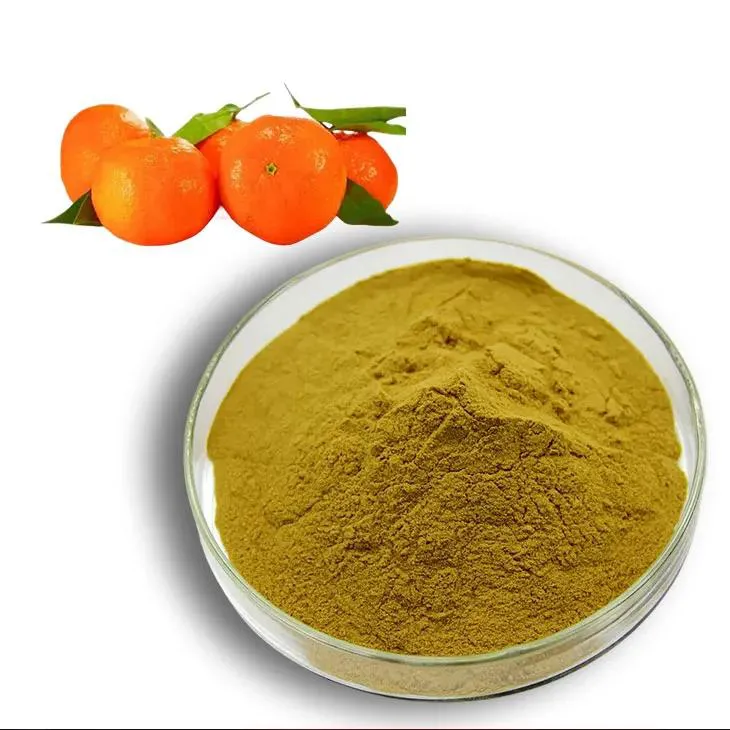
Citrus bioflavonoids
2026-11-14
-
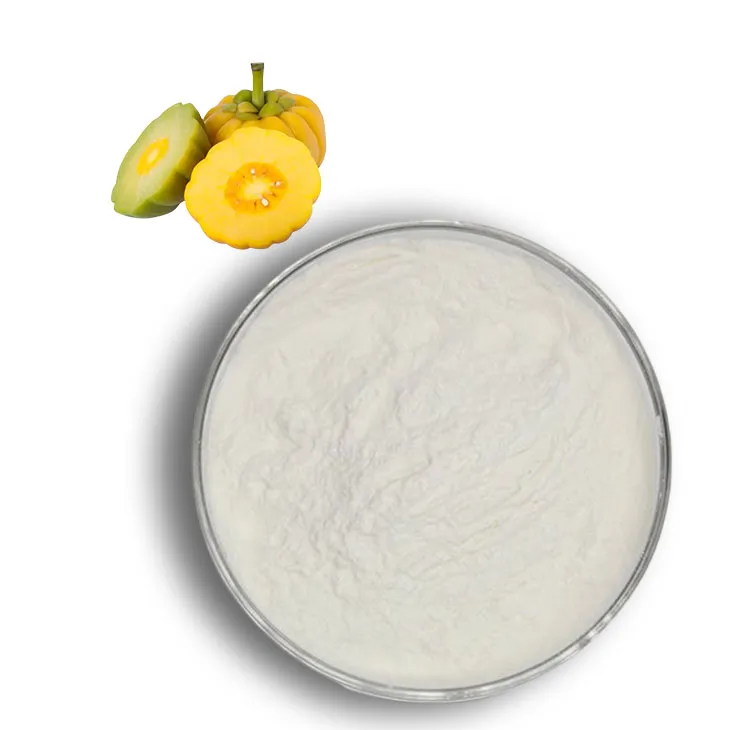
Garcinia Cambogia Extract
2026-11-14
-
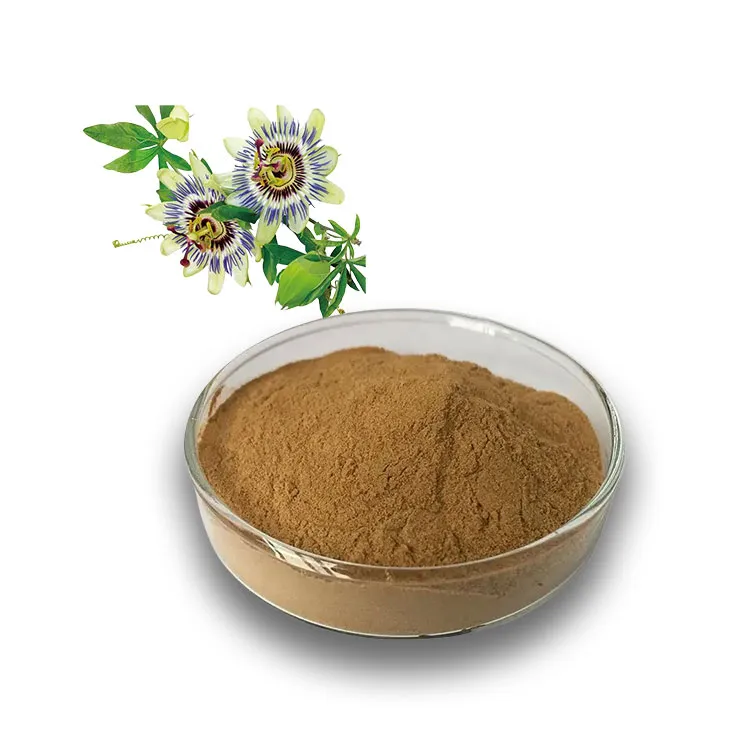
Passionflower Extract
2026-11-14
-
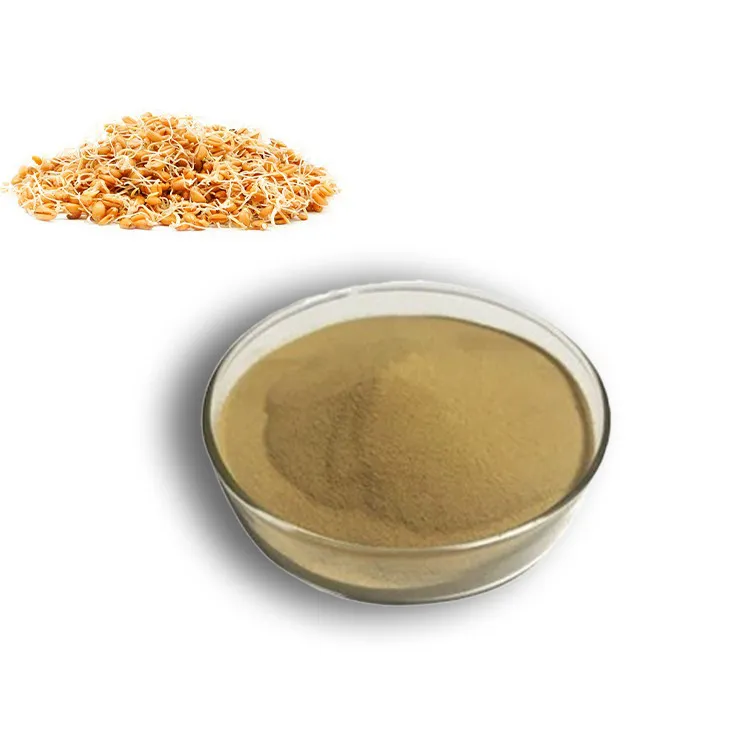
Wheat Germ Extract
2026-11-14
-
Andrographis Paniculata Extract Powder
2026-11-14
-
Tongkat Ali Extract
2026-11-14
-
Hawthorn Extract
2026-11-14
-
Plantain extract
2026-11-14
-
Red Wine Extract
2026-11-14
-

Lion's Mane Mushroom Extract
2026-11-14