- 0086-571-85302990
- [email protected]



Berberine Extract
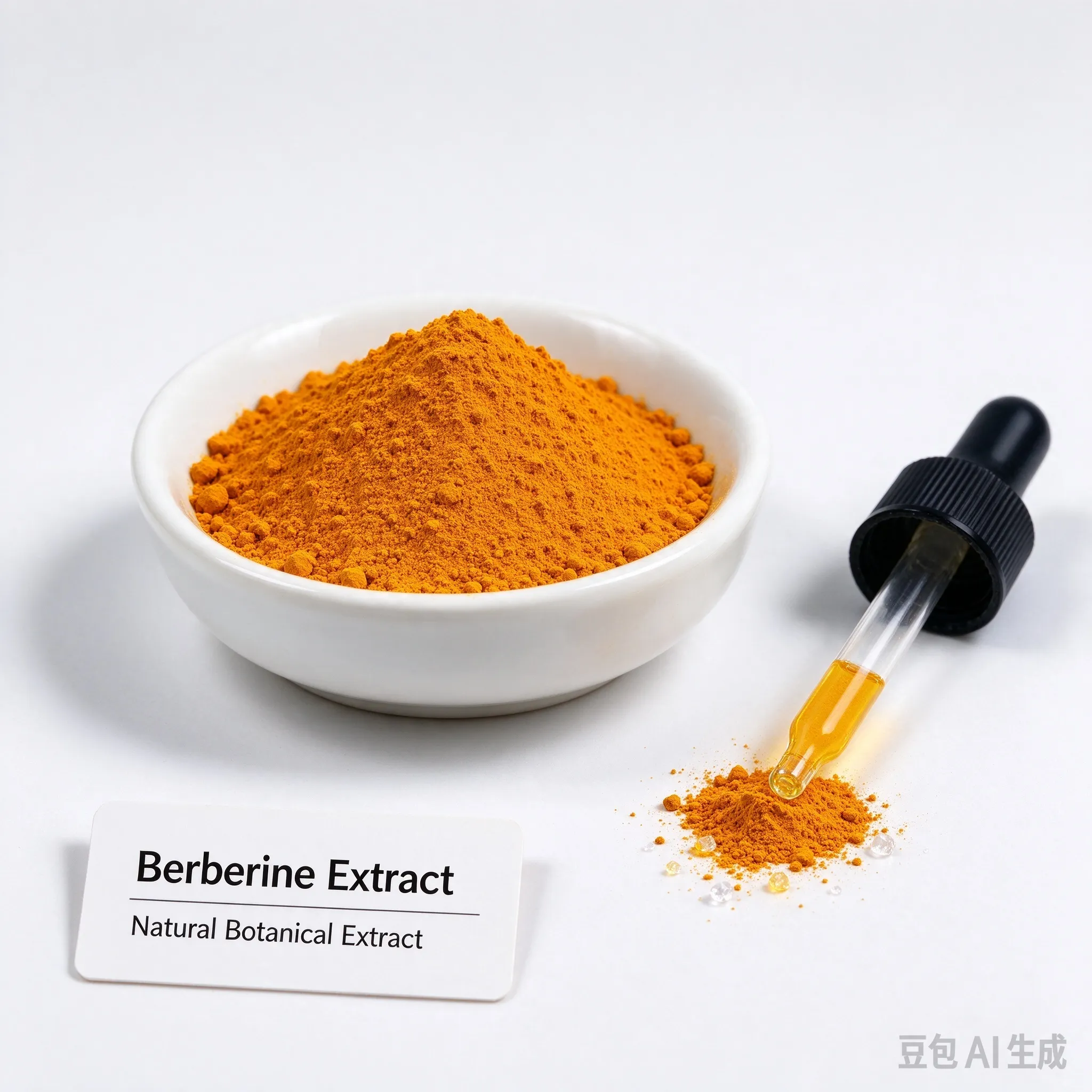
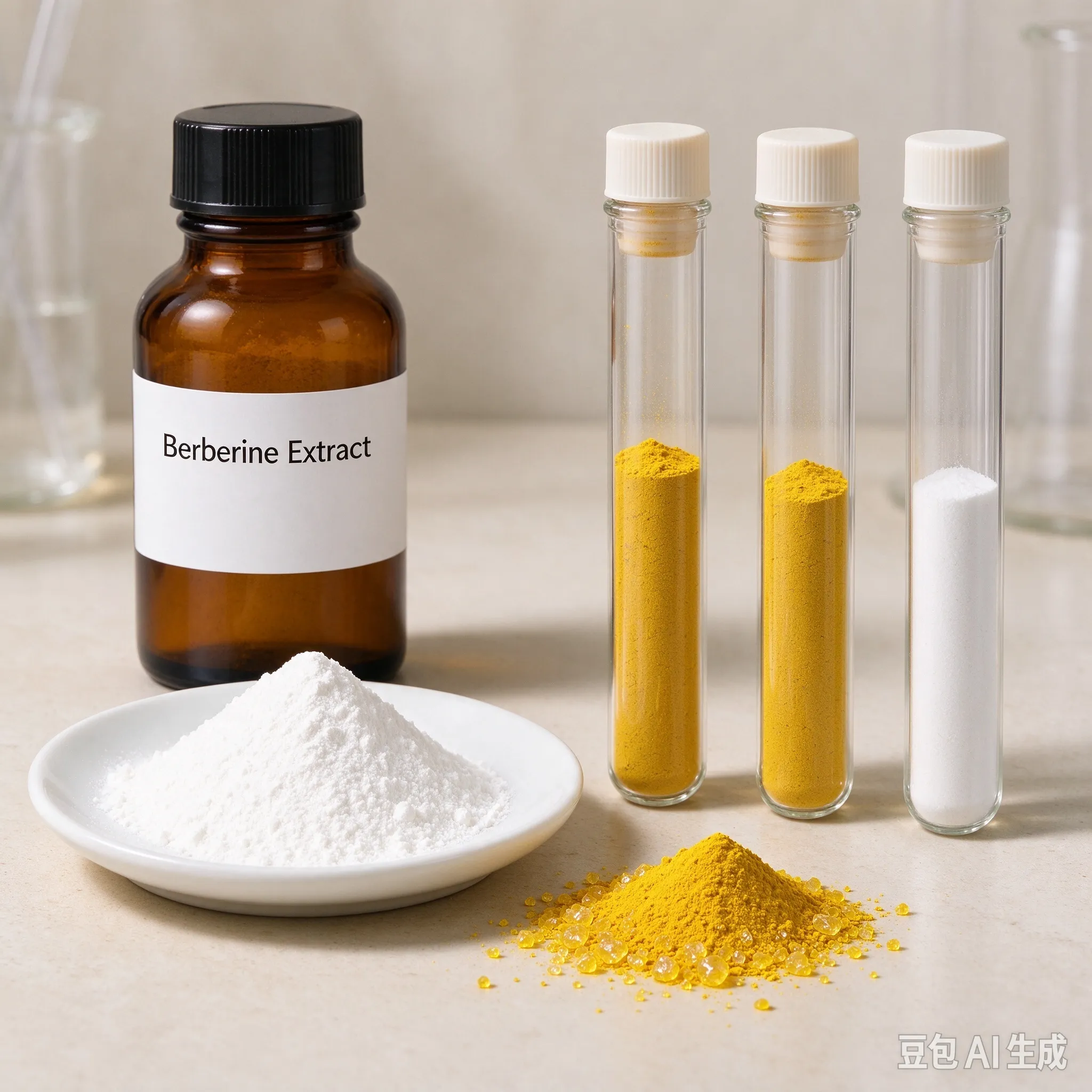
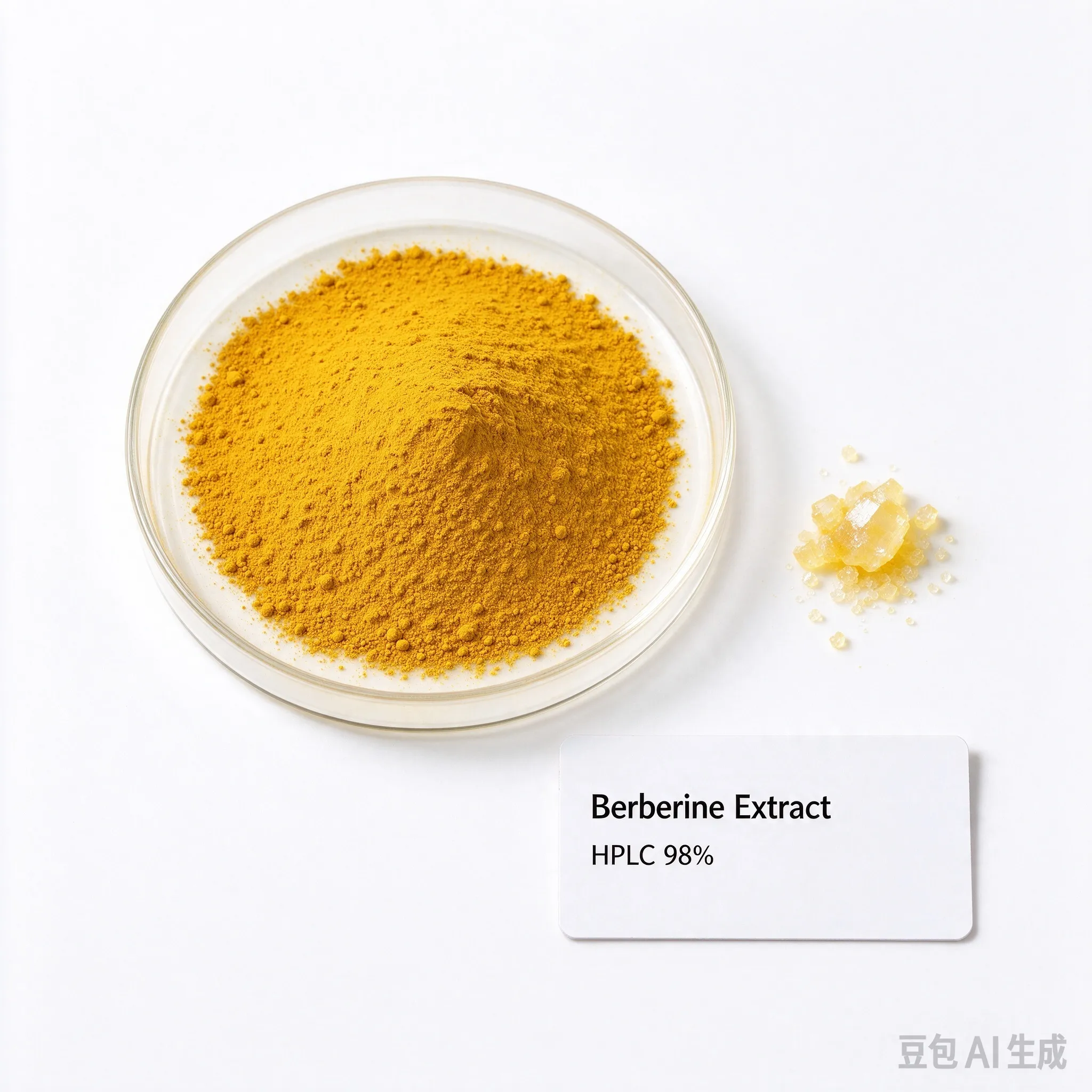
Table of Contents
What Is Berberine Extract and Why Is It the Most Potent Metabolic Botanical?
Berberine Alkaloid: Chemical Structure and Mechanism of Action
Clinical Evidence for Blood Sugar Management and Diabetes Support
Lipid Management and Cardiovascular Benefits
Gut Microbiome Modulation: Berberine's Emerging Role
Bioavailability Challenges and Advanced Delivery Systems
Quality Standards and Certifications for Berberine Extract
How to Source Premium Berberine HCl: A Buyer's Guide
Applications in Supplements, Functional Foods, and Pharmaceuticals
Safety, Dosage, and Regulatory Compliance
Why Choose Greensky as Your Berberine Extract Supplier
1. What Is Berberine Extract and Why Is It the Most Potent Metabolic Botanical?
Berberine is a naturally occurring isoquinoline alkaloid found in several botanical species including Goldthread (Coptis chinensis), Barberry (Berberis vulgaris), Oregon Grape (Mahonia aquifolium), and Goldenseal (Hydrastis canadensis). Used for over 3,000 years in Traditional Chinese Medicine (TCM) and Ayurveda, berberine has emerged in 2026 as one of the most powerful and well-researched natural compounds for metabolic health.
Berberine extract (typically as berberine hydrochloride, C₂₀H₁₈NO₄Cl) is a concentrated preparation standardized to ≥97% berberine alkaloid. The global berberine market is projected to exceed USD 120 million by 2027, driven by the dual epidemics of metabolic syndrome and type 2 diabetes, and growing consumer preference for natural alternatives to pharmaceutical interventions.
What makes berberine uniquely powerful is its multi-target mechanism — it simultaneously activates AMPK, modulates gut microbiota, improves insulin sensitivity, and supports lipid metabolism, earning it the nickname "natural metformin" among metabolic health researchers.
2. Berberine Alkaloid: Chemical Structure and Mechanism of Action
2.1 Chemical Properties
| Property | Value |
|---|---|
| Chemical name | Berberine chloride / Berberine hydrochloride |
| Molecular formula | C₂₀H₁₈ClNO₄ |
| Molecular weight | 371.82 g/mol |
| Appearance | Yellow crystalline powder |
| Solubility | Slightly soluble in water; soluble in hot water and ethanol |
| Melting point | 204–206°C |
| CAS number | 633-65-8 (HCl salt) |
2.2 Primary Mechanism: AMPK Activation
Berberine's most well-characterized mechanism is AMP-activated protein kinase (AMPK) activation — the same metabolic master switch targeted by metformin:
Mitochondrial complex I inhibition: Mild inhibition increases AMP:ATP ratio
AMPK phosphorylation: LKB1-dependent activation of AMPK
Metabolic reprogramming:
↑ Glucose uptake in muscle and adipose tissue
↓ Hepatic gluconeogenesis
↑ Fatty acid oxidation
↓ Lipogenesis
2.3 Additional Molecular Targets
Beyond AMPK, berberine modulates:
PCSK9 inhibition: Reduces LDL receptor degradation, lowering circulating LDL cholesterol
GLP-1 stimulation: Enhances glucagon-like peptide-1 secretion from intestinal L-cells
Gut microbiota modulation: Increases short-chain fatty acid (SCFA) producing bacteria
mTOR pathway modulation: Potential anti-aging and autophagy-promoting effects
NF-κB suppression: Anti-inflammatory activity
3. Clinical Evidence for Blood Sugar Management and Diabetes Support
3.1 Glycemic Control
Berberine has been extensively studied for blood sugar management:
HbA1c reduction: Multiple meta-analyses show berberine reduces HbA1c by 0.5–1.0%, comparable to first-line oral diabetes medications
Fasting blood glucose: Average reduction of 15–25 mg/dL
Postprandial glucose: Significant reduction in 2-hour post-meal glucose levels
Insulin sensitivity: HOMA-IR improvement of 20–30% in insulin-resistant individuals
A landmark 2024 meta-analysis of 46 RCTs (n = 4,608) confirmed berberine's efficacy in glycemic control, with effect sizes comparable to metformin, gliclazide, and rosiglitazone.
3.2 Head-to-Head vs. Metformin
Several studies have directly compared berberine with metformin:
| Parameter | Berberine (500 mg TID) | Metformin (500 mg TID) |
|---|---|---|
| Fasting glucose reduction | −24.8 mg/dL | −25.3 mg/dL |
| HbA1c reduction | −0.8% | −0.9% |
| GI side effects | 15–20% | 30–35% |
| Lipid improvement | Significant | Minimal |
Berberine appears equally effective as metformin for glycemic control, with the added benefit of lipid improvement and potentially fewer gastrointestinal side effects.
3.3 Type 2 Diabetes Prevention
In pre-diabetic populations, berberine supplementation has been shown to:
Reduce progression to type 2 diabetes by 35–50%
Improve β-cell function (HOMA-β improvement)
Reduce insulin resistance markers
4. Lipid Management and Cardiovascular Benefits
4.1 Cholesterol and Triglyceride Reduction
Berberine's lipid-lowering effects are among the strongest of any natural compound:
LDL cholesterol: Reduction of 15–25 mg/dL (25–35% from baseline)
Total cholesterol: Reduction of 20–30 mg/dL
Triglycerides: Reduction of 15–35%
HDL cholesterol: Modest increase of 2–5 mg/dL
4.2 PCSK9 Inhibition Mechanism
Berberine's unique mechanism for LDL reduction involves PCSK9 inhibition:
PCSK9 normally promotes LDL receptor degradation
Berberine stabilizes LDL receptors on hepatocyte surfaces
More LDL receptors → increased LDL clearance from circulation
This is the same mechanism targeted by PCSK9 inhibitor drugs (evolocumab, alirocumab) priced at $14,000+/year
4.3 Cardiovascular Risk Reduction
Clinical evidence supports berberine's cardiovascular benefits:
Blood pressure: Modest reduction (−3 to −5 mmHg systolic)
Endothelial function: Improved flow-mediated dilation
Inflammatory markers: Reduced CRP, TNF-α, and IL-6
Atherosclerosis markers: Reduced oxidized LDL and carotid intima-media thickness
5. Gut Microbiome Modulation: Berberine's Emerging Role
5.1 Microbiota Composition Changes
Berberine's limited oral bioavailability means a significant portion reaches the colon, where it profoundly impacts the gut microbiome:
Increases: Akkermansia muciniphila, Faecalibacterium prausnitzii, Bifidobacterium spp.
Decreases: Pathogenic bacteria including E. coli, Candida albicans
SCFA production: Enhanced production of butyrate and propionate
5.2 Metabolic Benefits via the Gut
The microbiome-mediated effects of berberine include:
Improved gut barrier function: Reduced endotoxemia (lower circulating LPS)
Bile acid metabolism: Modified bile acid pool composition, enhancing FXR signaling
Incretin hormone stimulation: Increased GLP-1 and PYY secretion
Reduced systemic inflammation: Lower circulating inflammatory cytokines
5.3 Anti-Diarrheal and Anti-Microbial Effects
Berberine has well-documented antimicrobial activity against:
Vibrio cholerae
Escherichia coli
Giardia lamblia
Helicobacter pylori (adjunctive therapy)
This dual action — metabolic improvement + gut health support — makes berberine a uniquely versatile supplement ingredient.
6. Bioavailability Challenges and Advanced Delivery Systems
6.1 The Absorption Problem
Berberine has poor oral bioavailability (<1%) due to:
P-glycoprotein (P-gp) efflux: Actively pumped back into the intestinal lumen
First-pass metabolism: Extensive hepatic metabolism
Limited intestinal permeability: Large molecular size and charge
Despite this limitation, berberine's clinical efficacy is well-documented — partly because its gut microbiome effects don't require systemic absorption.
6.2 Enhanced Bioavailability Technologies
6.2.1 Berberine Phytosome
Complexation with phosphatidylcholine improves bioavailability by 5–10x, enabling lower effective doses.
6.2.2 Liposomal Berberine
Encapsulation in phospholipid liposomes protects berberine from P-gp efflux and enhances intestinal absorption.
6.2.3 Nano-Berberine
Particle size reduction to <200 nm increases dissolution rate and cellular uptake.
6.2.4 Berberine + Absorption Enhancers
Combination with piperine, Quercetin, or Milk Thistle Extract (silymarin) to inhibit P-gp and CYP enzymes.
6.2.5 Dihydroberberine (DHB)
A reduced form of berberine with significantly improved intestinal absorption and bioavailability. DHB is converted back to berberine in tissues, achieving higher plasma concentrations at lower doses.
7. Quality Standards and Certifications for Berberine Extract
7.1 Key Quality Parameters
| Parameter | Specification | Test Method |
|---|---|---|
| Berberine (HPLC) | ≥97% | HPLC-UV |
| Appearance | Yellow crystalline powder | Visual |
| Loss on Drying | ≤2.0% | USP <731> |
| Residue on Ignition | ≤0.1% | USP <281> |
| Heavy Metals | Pb < 1.0 ppm, As < 1.0 ppm, Cd < 0.5 ppm, Hg < 0.1 ppm | ICP-MS |
| Chloride content | 9.0–10.5% | Titration |
| Microbiological | Total plate count < 1,000 CFU/g | USP <2021> |
7.2 Source Plant Identification
Berberine can be extracted from multiple botanical sources. The source plant affects:
Cost: Coptis chinensis (Chinese goldthread) is the most common and cost-effective source
Sustainability: Goldenseal (Hydrastis canadensis) is at-risk due to overharvesting
Co-extractives: Different sources contain varying companion alkaloids
Premium suppliers should specify the botanical source and provide botanical identification documentation.
7.3 Essential Certifications
ISO 22000 / HACCP: Food safety management
GMP: Good Manufacturing Practice
HALAL / Kosher: Religious dietary compliance
FDA Registration: US market access
DMF (Drug Master File): For pharmaceutical-grade berberine
8. How to Source Premium Berberine HCl: A Buyer's Guide
8.1 Specifications to Define
Purity level: 97%, 98%, or 99% berberine HCl?
Source plant: Coptis chinensis, Berberis vulgaris, or other?
Particle size: Standard (80 mesh) or micronized for enhanced dissolution?
Application: Dietary supplement, food additive, or pharmaceutical intermediate?
Form: Standard powder, phytosome, liposomal, or dihydroberberine?
8.2 Supplier Evaluation Criteria
Analytical capability: Full HPLC chromatogram with berberine peak identification and quantification.
Batch consistency: Low RSD (<2%) in berberine content across production batches.
Contaminant control: Comprehensive heavy metal, pesticide, and microbial testing.
Supply reliability: Berberine demand has surged; ensure your supplier has adequate production capacity.
8.3 Red Flags
No HPLC data (only TLC identification)
Vague or unspecified botanical source
Unusually low pricing (may indicate synthetic berberine or adulteration)
Missing heavy metal testing (critical for plant-derived alkaloids)
No GMP certification for supplement-grade material
9. Applications in Supplements, Functional Foods, and Pharmaceuticals
9.1 Dietary Supplements
Blood sugar support formulas: 500 mg berberine HCl per capsule (2–3 capsules daily)
Metabolic syndrome complexes: Combined with chromium, alpha-lipoic acid, or cinnamon extract
Cardiovascular health: Paired with CoQ10, omega-3, or plant sterols
Gut health formulations: Combined with probiotics and prebiotics
Weight management: With Green Tea Extract, Garcinia, or glucomannan
9.2 Functional Foods
Blood sugar management beverages: Water-soluble berberine formulations
Metabolic health gummies: Emerging format for younger consumers
Fortified snacks: Low-glycemic-index food products
9.3 Pharmaceutical Applications
Anti-diabetic drug development: Berberine-based formulations in Phase II/III trials
Anti-infective agents: Topical and oral formulations for bacterial and parasitic infections
Oncology research: Investigational applications in cancer adjunctive therapy
10. Safety, Dosage, and Regulatory Compliance
10.1 Recommended Dosage
| Application | Daily Dose | Dosing Schedule |
|---|---|---|
| Blood sugar support | 900–1,500 mg | 300–500 mg, 2–3× daily with meals |
| Lipid management | 900–1,500 mg | 300–500 mg, 2–3× daily with meals |
| Gut health | 500–1,000 mg | 250–500 mg, 2× daily |
| General metabolic support | 500–1,000 mg | 250–500 mg, 2× daily |
Important: Divided dosing (2–3× daily) is recommended due to berberine's short half-life (~2–4 hours).
10.2 Safety Profile
Generally well-tolerated at standard doses (900–1,500 mg/day)
Common side effects: Mild GI discomfort (diarrhea, constipation, flatulence) — usually transient
Hypoglycemia risk: May enhance effects of diabetes medications; monitor blood glucose closely
Drug interactions: CYP2D6, CYP2C9, and CYP3A4 inhibition; P-gp substrate interactions
Pregnancy: Contraindicated — may cause uterine contractions and neonatal jaundice
Breastfeeding: Not recommended — berberine is excreted in breast milk
10.3 Regulatory Status
United States: Dietary supplement ingredient under DSHEA; GRAS status pending
European Union: Novel Food status in some member states; check local regulations
China: Approved as both health food raw material and pharmaceutical ingredient
Canada: Licensed as a natural health product (NHP)
11. Why Choose Greensky as Your Berberine Extract Supplier
Hangzhou Greensky Biological Tech. Co., Ltd. brings 20+ years of expertise in natural plant extraction, with deep experience in alkaloid extraction and purification.
Our Berberine Extract Advantages:
Premium Coptis chinensis sourcing: Direct partnerships with Chinese medicinal herb growers
≥97% berberine HCl purity: Verified by HPLC with full chromatogram documentation
Advanced purification technology: Multi-step crystallization and purification processes
Comprehensive quality testing: HPLC, heavy metal analysis (ICP-MS), microbiological screening
ISO 22000, BRCGS, HALAL, Kosher certified production
GMP-standard facilities with 100,000-class clean area
Independent laboratory: HPLC, GC, UV, and microbiology capabilities
Annual production capacity: 500+ tons of plant extracts
Global export experience: European, American, Korean, and Russian markets
Custom Solutions:
Custom purity specifications (95%, 97%, 98%, 99%)
Berberine phytosome and liposomal formulations
Dihydroberberine (DHB) production
Combination extracts for metabolic health formulas
Competitive pricing with flexible MOQ
Contact us for technical data sheets, samples, or a personalized quote.
Greensky Biological Tech — For the Greensky people to provide a happy life, to make greater contribution to human health.
Keywords