- 0086-571-85302990
- [email protected]



Rhodiola Rosea Extract: Complete Guide to Adaptogenic Science, Stress Management & B2B Sourcing (202
2026-11-03
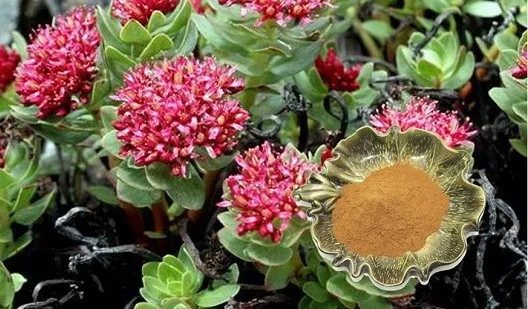
Table of Contents
What Is Rhodiola Rosea Extract and Why Is It the Premier Adaptogenic Herb?
Active Compounds: Rosavins, Salidroside, and the Standardization Debate
Clinical Evidence for Stress Reduction and Mental Performance
Physical Endurance and Exercise Performance Benefits
Mood, Anxiety, and Depression: What the Research Shows
Quality Standards and Certifications for Rhodiola Rosea Extract
How to Source Premium Rhodiola Extract: A Buyer's Guide
Applications in Supplements, Sports Nutrition, and Cognitive Health
Safety, Dosage, and Regulatory Compliance
Why Choose Greensky as Your Rhodiola Rosea Extract Supplier
1. What Is Rhodiola Rosea Extract and Why Is It the Premier Adaptogenic Herb?
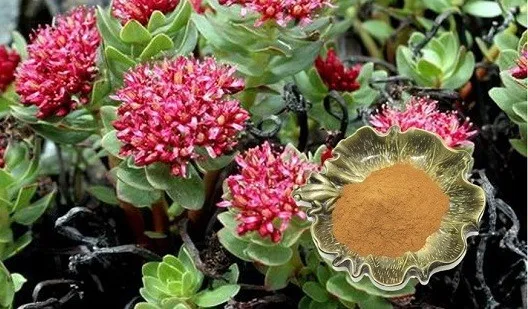
Rhodiola rosea (also known as Arctic root, golden root, or rose root) is a perennial flowering plant in the Crassulaceae family, native to the cold, mountainous regions of Europe, Asia, and North America. Growing at altitudes of 2,300–4,500 meters in the Arctic and sub-Arctic regions, this hardy plant has been used for centuries by Scandinavian, Russian, and Chinese traditional medicine systems to enhance physical endurance, mental performance, and resilience to stress.
In 1947, Soviet scientists classified Rhodiola rosea as an adaptogen — a substance that increases the body's non-specific resistance to physical, chemical, and biological stressors. This classification launched decades of research, making Rhodiola one of the most scientifically validated adaptogenic herbs available today.
Rhodiola rosea extract is a standardized preparation of the root and rhizome, typically standardized to specific levels of rosavins and salidroside — the two primary marker compounds. The global Rhodiola market is projected to reach USD 150 million by 2028, driven by rising demand for natural stress management solutions, cognitive enhancers, and sports performance supplements.
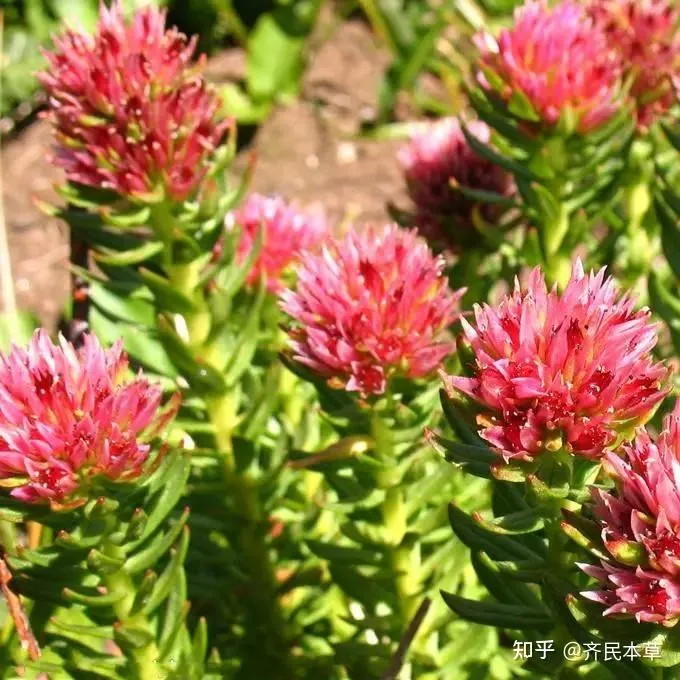
2. Active Compounds: Rosavins, Salidroside, and the Standardization Debate
2.1 Key Bioactive Compounds
Compound Chemical Class Primary Activity Rosavin (Rosavin A, B, C) Phenylpropanoid glycoside Unique to R. rosea; adaptogenic, anxiolytic Rosin Phenylpropanoid Antioxidant, anti-fatigue Rosarin Phenylpropanoid glycoside Adaptogenic, stress-buffering Salidroside (Rhodioloside) Phenylethanoid glycoside Neuroprotective, anti-aging, antioxidant Tyrosol Phenylethanoid Antioxidant, cardioprotective
2.2 The Standardization Question
Rhodiola extracts are typically standardized using one of three approaches:
Option A: Rosavins + Salidroside (3:1 ratio)
3% rosavins + 1% salidroside — This is the "gold standard" ratio found in wild Rhodiola roots
Most commonly used in clinical research
Represents the natural compound ratio in the raw material
Option B: Salidroside Only
0.8–3% salidroside — Some manufacturers standardize to salidroside alone
Salidroside is the most extensively studied single compound
Easier analytical control but may miss rosavin contributions
Option C: High-Strength Extracts
5–10% rosavins + 2–5% salidroside — Concentrated extracts for premium formulations
Lower daily dose required
More expensive but more cost-effective per mg of active
2.3 Why the 3:1 Ratio Matters
The 3% rosavins : 1% salidroside ratio mirrors the natural composition of authentic Rhodiola rosea roots. Research suggests that the synergistic interaction between rosavins and salidroside produces superior adaptogenic effects compared to either compound alone. When sourcing, always verify this ratio is maintained.
2.4 Species Authentication
Critical warning: Several related Rhodiola species (R. kirilowii, R. crenulata, R. sachalinensis) contain different phytochemical profiles and lack the characteristic rosavins. Only Rhodiola rosea L. contains rosavins. Authentication via HPLC fingerprinting is essential to prevent species substitution.
3. Clinical Evidence for Stress Reduction and Mental Performance
3.1 Stress and Burnout
Multiple RCTs demonstrate Rhodiola's anti-stress efficacy:
Burnout syndrome: A 2024 RCT (n = 101) found that 400 mg/day Rhodiola extract (SHR-5) significantly reduced burnout scores (PMS scale) after 4 weeks, with continued improvement at 12 weeks
Cortisol modulation: Rhodiola reduces salivary cortisol levels during acute stress exposure
Stress-related fatigue: Improved subjective well-being and reduced fatigue in stressed populations
3.2 Cognitive Performance Under Stress
Rhodiola's cognitive benefits are most pronounced during stress and fatigue:
Mental fatigue: Improved performance on cognitive tasks during night-shift work and prolonged concentration
Processing speed: Faster reaction times and reduced errors in demanding cognitive tasks
Working memory: Enhanced short-term memory performance under stress conditions
A notable study by the Swedish Institute for Health Economics found that physicians working night shifts who received Rhodiola extract showed significantly less mental fatigue and maintained cognitive performance compared to placebo.
3.3 Mechanisms of Action
Rhodiola's adaptogenic effects involve multiple pathways:
HPA axis modulation: Regulates cortisol and stress hormone release
Monoamine optimization: Inhibits MAO-A and MAO-B, increasing serotonin, dopamine, and norepinephrine availability
β-endorphin elevation: Enhances natural opioid peptide levels
Nitric oxide modulation: Improves cerebral blood flow
Heat shock protein (HSP70) induction: Cellular stress resistance
Akt/FOXO signaling: Cellular longevity pathways
4. Physical Endurance and Exercise Performance Benefits
4.1 Endurance Enhancement
Clinical and sports science research supports Rhodiola's ergogenic effects:
Time to exhaustion: Increased by 3–7% in cycling and running tests
VO2 max improvement: Modest but significant increases in maximal oxygen uptake
Lactate threshold: Delayed onset of blood lactate accumulation
Recovery acceleration: Reduced muscle damage markers (CK, LDH) post-exercise
4.2 Mechanisms for Athletic Performance
ATP production optimization: Enhanced mitochondrial energy production
Glycogen sparing: Shift toward fat oxidation, preserving muscle glycogen
Oxidative stress reduction: Lower exercise-induced ROS production
Central fatigue delay: Reduced serotonin turnover in the brain during prolonged exercise
4.3 Dosage for Athletic Performance
Pre-workout: 200–400 mg standardized extract 30–60 minutes before exercise
Daily maintenance: 200–600 mg/day for ongoing endurance adaptation
Cycling: Some athletes cycle Rhodiola (2–3 weeks on, 1 week off) to prevent adaptation
5. Mood, Anxiety, and Depression: What the Research Shows
5.1 Mild to Moderate Depression
Clinical evidence for Rhodiola's antidepressant effects:
A double-blind RCT (n = 89) found that 340–680 mg/day Rhodiola extract (WS® 1375) significantly reduced depression scores (HAM-D) after 6 weeks, with effects comparable to sertraline but with fewer side effects
Response rate: 65% for Rhodiola vs. 70% for sertraline
Side effect profile: Significantly fewer adverse events with Rhodiola
5.2 Anxiety Reduction
Rhodiola's anxiolytic effects are mediated through:
GABA modulation: Enhanced GABAergic activity
Serotonin regulation: Increased serotonergic neurotransmission
Cortisol reduction: Lower baseline and stress-induced cortisol
A 2024 meta-analysis concluded that Rhodiola supplementation produces moderate anxiolytic effects, particularly in generalized anxiety disorder (GAD) and adjustment disorder with anxiety.
5.3 Seasonal Affective Disorder
Rhodiola has been studied for seasonal affective disorder (SAD):
Open-label studies show significant improvement in SAD symptoms
Mechanism: Serotonin and dopamine modulation during low-light months
Typical dosing: 200–400 mg/day during autumn/winter months
6. Quality Standards and Certifications for Rhodiola Rosea Extract
6.1 Key Quality Parameters
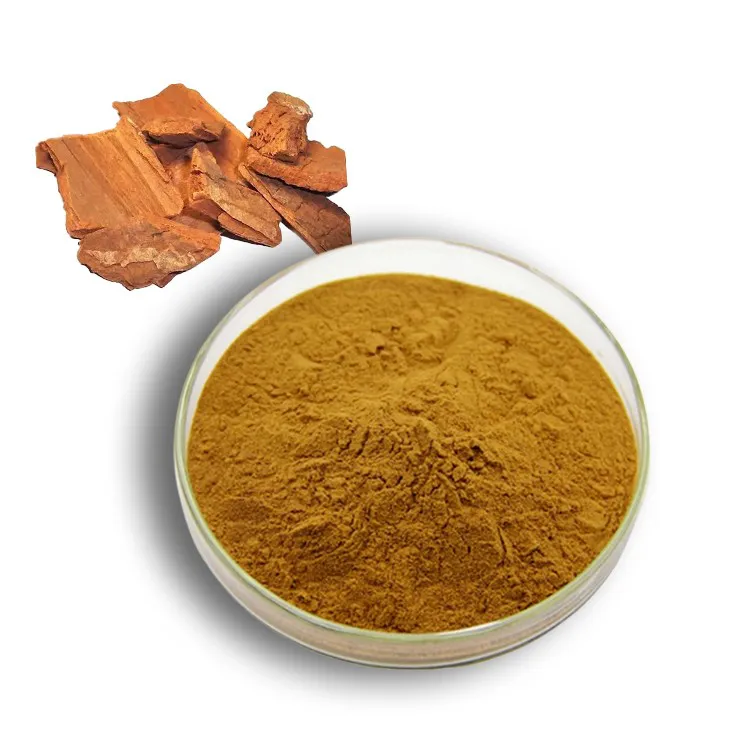
Parameter Specification Test Method Rosavins (total) ≥3.0% (HPLC) HPLC-UV Salidroside ≥1.0% (HPLC) HPLC-UV Rosavin A + B + C Individual quantification HPLC-UV Appearance Brown to brownish-yellow powder Visual Loss on Drying ≤5.0% USP <731> Heavy Metals Pb < 1.0 ppm, As < 1.0 ppm, Cd < 0.5 ppm, Hg < 0.1 ppm ICP-MS Pesticide Residues Compliant with USP <561> GC-MS/LC-MS Microbiological Total plate count < 1,000 CFU/g USP <2021>
6.2 Botanical Authentication
Essential testing for authentic Rhodiola rosea:
HPLC fingerprint: Confirms presence of rosavins (absent in other Rhodiola species)
DNA barcoding: Confirms species identity at the genetic level
TLC comparison: Visual confirmation against reference standard
6.3 Sustainable Sourcing
Rhodiola rosea is classified as vulnerable in some regions due to overharvesting:
Wild-harvested: Most traditional source but sustainability concerns exist
Cultivated: Increasing availability of farmed Rhodiola; preferred for sustainability
Certified sustainable: Look for wildcrafting certifications or cultivation documentation
6.4 Essential Certifications
ISO 22000 / HACCP: Food safety management
BRCGS: Global food safety standard
Organic certification: For cultivated Rhodiola
HALAL / Kosher: Religious dietary compliance
FDA Registration: US market access
GMP: Good Manufacturing Practice
7. How to Source Premium Rhodiola Extract: A Buyer's Guide
7.1 Specifications to Define
Standardization: 3% rosavins + 1% salidroside (standard), or higher strength?
Extraction method: Water-ethanol extraction is standard; verify solvent removal
Source: Wild-harvested or cultivated? Geographic origin?
Particle size: Standard (80 mesh) or micronized?
Application: Capsule, tablet, liquid, or gummy format?
7.2 Supplier Evaluation Criteria
Species authentication: Mandatory HPLC fingerprint confirming R. rosea (not a related species).
Rosavin-to-salidroside ratio: Verify the 3:1 ratio is maintained, not just total percentage.
Batch-to-batch consistency: Request COAs from 3+ consecutive production batches.
Sustainability documentation: Increasingly important for brand positioning and regulatory compliance.
7.3 Red Flags
No individual rosavin quantification (only total rosavins)
Missing species authentication documentation
Unusually low pricing (may indicate R. crenulata or R. kirilowii substitution)
No salidroside testing (some adulterants contain rosavins but lack salidroside)
No sustainability or sourcing documentation
8. Applications in Supplements, Sports Nutrition, and Cognitive Health
8.1 Dietary Supplements
Stress management formulas: 200–400 mg per serving, combined with ashwagandha or L-theanine
Cognitive enhancement: Paired with bacopa, ginkgo, or lion's mane
Mood support: Combined with SAMe, 5-HTP, or St. John's Wort
Energy and vitality: With B-vitamins, CoQ10, or ginseng
8.2 Sports Nutrition
Pre-workout supplements: 200–400 mg for endurance and focus
Recovery formulas: Combined with tart cherry, Curcumin, or BCAAs
Adaptogenic blends: Multi-adaptogen stacks for athletes
8.3 Functional Beverages
Stress-relief drinks: Rhodiola-infused sparkling waters and teas
Energy beverages: Natural energy alternative to high-caffeine drinks
Nootropic beverages: Cognitive enhancement drink category
8.4 Cosmetics
Anti-aging creams: Salidroside's antioxidant and collagen-protective effects
Stress-relief skincare: Topical adaptogen applications emerging
9. Safety, Dosage, and Regulatory Compliance
9.1 Recommended Dosage
Application Daily Dose Standardization Stress management 200–400 mg 3% rosavins + 1% salidroside Cognitive enhancement 200–600 mg 3% rosavins + 1% salidroside Athletic performance 200–400 mg (pre-workout) 3% rosavins + 1% salidroside Mood support 340–680 mg SHR-5 or WS® 1375 extract General adaptogenic support 100–300 mg 3% rosavins + 1% salidroside
9.2 Safety Profile
Well-tolerated at recommended doses with minimal side effects
Mild side effects: Dizziness, dry mouth, restlessness (rare, dose-dependent)
Stimulating effect: May cause insomnia if taken late in the day — recommend morning/early afternoon dosing
Bipolar disorder: May trigger manic episodes; contraindicated
Drug interactions: May interact with SSRIs, MAOIs, and blood pressure medications
Pregnancy/lactation: Insufficient safety data; avoid use
9.3 Regulatory Status
United States: Dietary supplement ingredient under DSHEA; GRAS status for some extracts
European Union: Approved as a traditional herbal medicinal product (THMPD) in several EU countries
Sweden: EMA monograph established for traditional use in stress and fatigue
Russia: Registered pharmaceutical for decades; extensive clinical research base
China: Approved as health food raw material
10. Why Choose Greensky as Your Rhodiola Rosea Extract Supplier
Hangzhou Greensky Biological Tech. Co., Ltd. brings 20+ years of expertise in natural plant extraction, with strong capabilities in adaptogenic herb processing.
Our Rhodiola Extract Advantages:
Premium raw material sourcing: Sustainably sourced Rhodiola rosea from high-altitude regions
Accurate standardization: 3% rosavins + 1% salidroside verified by HPLC with full fingerprint analysis
Species authentication: HPLC fingerprinting and DNA barcoding to ensure authentic R. rosea
Advanced extraction: Water-ethanol extraction with low-temperature concentration to preserve heat-sensitive rosavins
Comprehensive quality testing: HPLC (full rosavin profile), heavy metal analysis, pesticide screening
ISO 22000, BRCGS, HALAL, Kosher certified
GMP-standard production with 100,000-class clean area
Annual capacity: 500+ tons of plant extracts
Global export experience: European, American, Korean, and Russian markets
Custom Solutions:
Custom standardization levels (3:1, 5:2, or higher)
Organic certified Rhodiola extract (cultivated source)
Combination extracts with other adaptogens
Liquid extract and tincture formats
Competitive pricing with flexible MOQ
Contact us for samples, technical specifications, or a customized quote.
Greensky Biological Tech — For the Greensky people to provide a happy life, to make greater contribution to human health.
Keywords
- ▶ Hesperidin
- ▶ Citrus Bioflavonoids
- ▶ Plant Extract
- ▶ lycopene
- ▶ Diosmin
- ▶ Grape seed extract
- ▶ Sea buckthorn Juice Powder
- ▶ Fruit Juice Powder
- ▶ Hops Extract
- ▶ Artichoke Extract
- ▶ Mushroom extract
- ▶ Astaxanthin
- ▶ Green Tea Extract
- ▶ Curcumin
- ▶ Horse Chestnut Extract
- ▶ Other Product
- ▶ Boswellia Serrata Extract
- ▶ Resveratrol
- ▶ Marigold Extract
- ▶ Grape Leaf Extract
- ▶ New Product
- ▶ Aminolevulinic acid
- ▶ Cranberry Extract
- ▶ Red Yeast Rice
- ▶ Red Wine Extract
- ▶ blog
-
Scutellaria Extract
2026-11-03
-
Natural grape seed extract
2026-11-03
-
Bitter Melon Extract
2026-11-03
-
Angelica sinensis extract
2026-11-03
-
Gamma-Aminobutyric Acid
2026-11-03
-
Cranberry Extract
2026-11-03
-
Liposomal Berberine HCl
2026-11-03
-
Ivy Extract
2026-11-03
-
Lycopene
2026-11-03
-
Acai Berry Extract
2026-11-03