- 0086-571-85302990
- [email protected]



What Is Ginkgo Biloba Extract?
2026-10-11
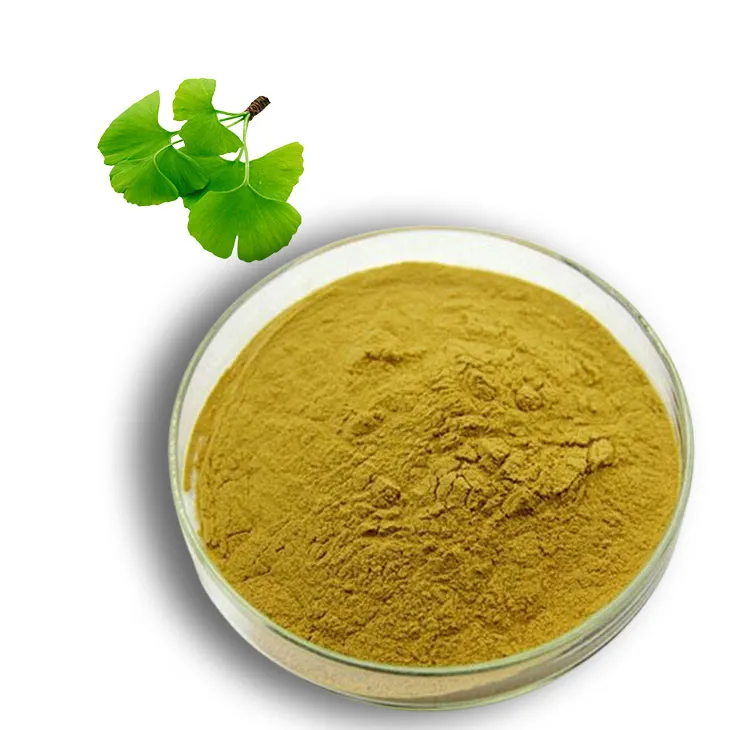
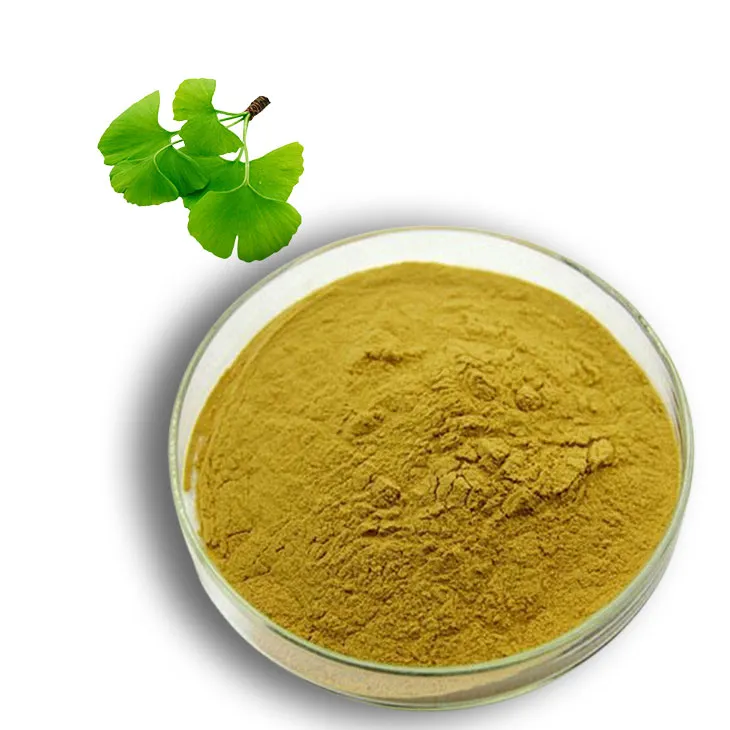
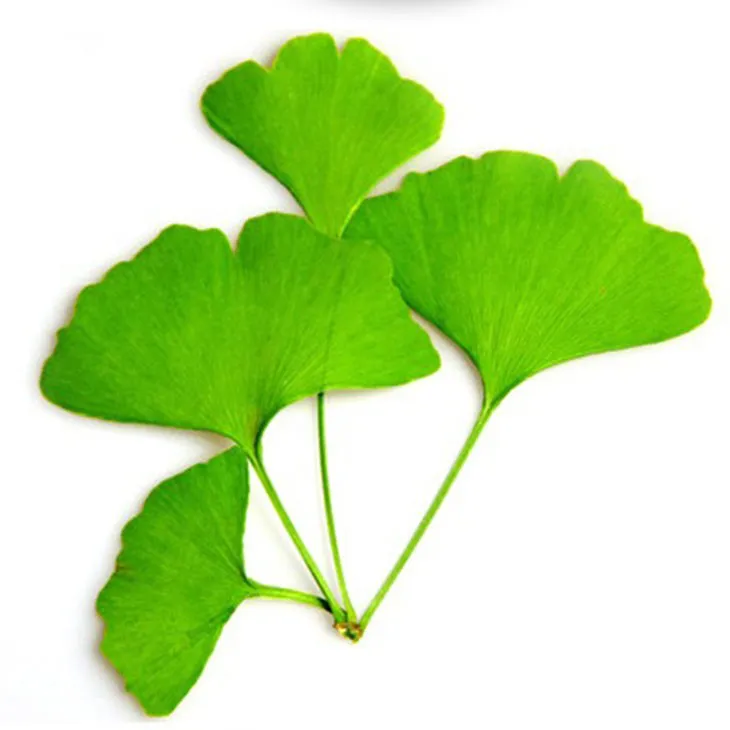
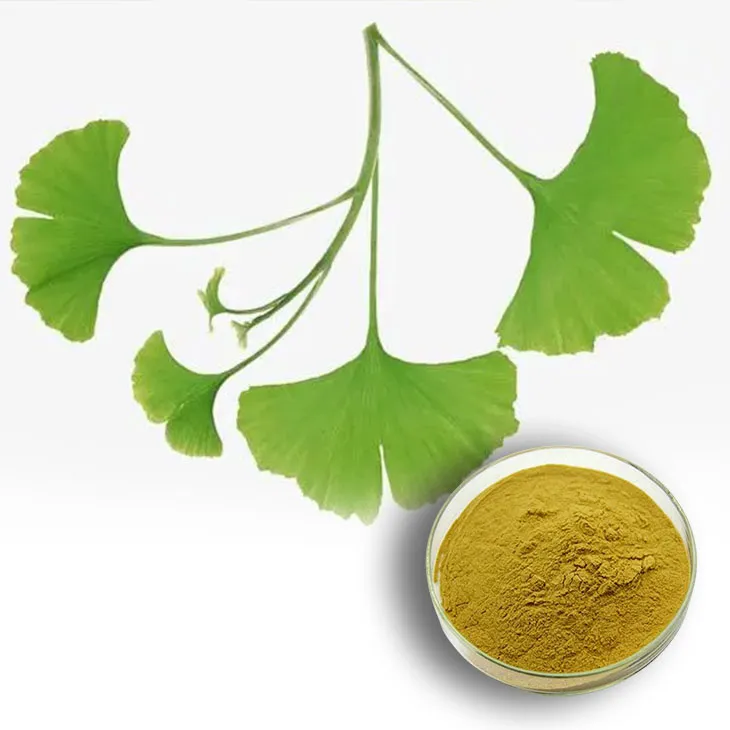
is one of the most extensively studied botanical ingredients in the world, derived from the leaves of Ginkgo biloba — the oldest living tree species, with fossils dating back over 270 million years. Native to China, Ginkgo biloba has been used in Traditional Chinese Medicine (TCM) for over 5,000 years, and its modern standardized extract has become a cornerstone of the global cognitive health and circulation supplement market.
The global Ginkgo Biloba extract market is valued at approximately USD 1.0-1.3 billion (2024) and is growing at 5-7% CAGR, driven by aging populations, increasing awareness of cognitive health, and growing demand for natural circulatory support ingredients.
Key Active Compounds: Flavone Glycosides and Terpene Lactones
The therapeutic benefits of Ginkgo biloba extract are attributed to two primary groups of bioactive compounds, which are the basis for pharmacopoeial standardization worldwide.
Compound Group Standardized Content Key Activity Flavone glycosides (Quercetin, kaempferol, isorhamnetin glycosides) 24% ± 2% Antioxidant, free radical scavenging, vascular protection Terpene lactones — Ginkgolides (A, B, C, J, M) 2.8-3.4% Platelet-activating factor (PAF) antagonism, neuroprotection Terpene lactones — Bilobalide Included in total terpene lactones Neuroprotective, myelin sheath support Organic acids (Ginkgo acids) ≤5 ppm (removed) Allergenic; must be minimized in quality extracts
Ginkgo Biloba Extract Standardization: The Global Benchmark
The 24/6 standard — 24% total flavone glycosides and 6% total terpene lactones — is the globally recognized benchmark for Ginkgo biloba extract quality, established by the European Pharmacopoeia (Ph. Eur.) and adopted by pharmacopoeias worldwide.
Standard Flavone Glycosides Terpene Lactones Ginkgo Acids Primary Market European Pharmacopoeia (EGb 761 equivalent) 22-27% 5.4-7.2% ≤5 ppm Europe, pharmaceutical US Pharmacopeia (USP) 22-27% 5.4-7.2% ≤5 ppm United States Chinese Pharmacopoeia ≥24% ≥6% ≤5 ppm China, Asia Japanese Pharmacopoeia 22-27% 5.4-7.2% ≤1 ppm Japan
Ginkgo Leaf vs. Other Plant Parts
Plant Part Active Compound Content Commercial Use Leaves (harvested in autumn) Highest flavone glycosides and terpene lactones Primary source for standardized extract Seeds (Ginkgo nuts) Contains ginkgotoxin (4'-O-methylpyridoxine) Food in East Asian cuisine; not used for extract Bark Trace amounts of actives Not commercially used Roots Different compound profile Research only
Only leaves are used for commercial Ginkgo biloba extract production. The timing of harvest (typically late autumn) significantly impacts the concentration of active compounds.
Extraction Methods
Solvent Extraction (EGb 761 Process — Industry Standard)
The extraction process modeled after the reference EGb 761 extract (developed by Dr. Willmar Schwabe GmbH) is the global standard:
Process Flow:
Raw material preparation — Dried Ginkgo leaves are cleaned, sorted, and milled to 0.5-1.0 mm particle size
Defatting — Leaves are extracted with hexane or petroleum ether to remove lipophilic compounds (waxes, chlorophyll)
Hydroalcoholic extraction — 60-70% aqueous acetone or ethanol is used at 50-70°C for 2-4 hours, 2-3 cycles
Filtration — Plant debris is removed via filtration and centrifugation
Concentration — Solvent is recovered via vacuum evaporation
Adsorption purification — The extract passes through adsorption resin columns to enrich flavone glycosides and terpene lactones while removing unwanted compounds
Ginkgo acid removal — Specialized processing reduces ginkgo acid content to ≤5 ppm
Spray drying — Produces the final standardized powder
Yield: Typically 2-4% standardized extract from dried Ginkgo leaves
Supercritical CO₂ Extraction
Used primarily for defatting and producing full-spectrum extracts:
Advantages: Solvent-free defatting, preserves volatile compounds
Limitations: Cannot efficiently extract flavone glycosides (too polar for CO₂)
Best use: Pre-treatment step before hydroalcoholic extraction
Membrane-Assisted Enrichment
Emerging technology for terpene lactone concentration:
Uses nanofiltration membranes to selectively concentrate terpene lactones
Can reduce solvent usage and energy consumption
Application: Cost-effective production of high-terpene-lactone extracts
Standardization Grades and Specifications
Common Ginkgo Biloba Extract Grades
Grade Flavone Glycosides Terpene Lactones Primary Use Standard 24/6 extract 24% ± 2% 6% ± 1% Dietary supplements, OTC medications High-terpene extract 24% ± 2% 8-10% Premium cognitive health formulations High-flavone extract 40-50% 2-3% Antioxidant-focused applications Pharmaceutical grade (EGb 761 equivalent) 22-27% 5.4-7.2% Prescription medications, clinical trials
Quality Specification Sheet (Ginkgo 24/6 Extract)
Parameter Specification Test Method Total flavone glycosides 24.0% ± 2.0% HPLC (Ph. Eur.) Total terpene lactones 6.0% ± 1.0% HPLC (Ph. Eur.) Ginkgolide A 2.8-3.2% HPLC Ginkgolide B 0.8-1.2% HPLC Ginkgolide C 0.6-1.0% HPLC Bilobalide 2.6-3.4% HPLC Ginkgo acids ≤5 ppm HPLC Moisture ≤3.0% USP <731> Heavy metals Pb ≤1.0 ppm, As ≤1.0 ppm, Cd ≤0.5 ppm, Hg ≤0.1 ppm ICP-MS Pesticide residues Compliant with EU limits GC-MS/LC-MS Microbial limits TPC <1,000 CFU/g, Yeast/Mold <100 CFU/g USP <61>, <62> Solvent residues Acetone <5,000 ppm; Ethanol <5,000 ppm GC (USP <467>)

Clinical Evidence and Dosage
Cognitive Health and Brain Function
Ginkgo biloba extract is one of the most researched botanicals for cognitive support:
Typical dosage: 120-240 mg per day (divided into 2-3 doses), standardized to 24% flavone glycosides / 6% terpene lactones
Study duration: 8 weeks to 6 months (some long-term studies up to 5+ years)
Reported outcomes: Improved attention, working memory, and processing speed in healthy adults; support for age-related cognitive decline; enhanced cerebral blood flow
Mechanism: Antioxidant protection of neurons, improved cerebral microcirculation, modulation of neurotransmitter systems, and neurotrophic factor expression
Circulatory Support
Peripheral circulation: Improved walking distance in intermittent claudication patients
Microcirculation: Enhanced blood flow to extremities, ears, and eyes
Vasoregulation: Nitric oxide-mediated vasodilation and reduced blood viscosity
Safety Profile
Generally well-tolerated: Mild gastrointestinal discomfort, headache, or skin reactions in <2% of users
Drug interactions: May interact with anticoagulants (warfarin, aspirin) due to antiplatelet activity — consultation with healthcare provider recommended
Contraindications: Not recommended before surgical procedures; caution with blood-thinning medications
Applications in the Supplement and Pharmaceutical Industries
Cognitive Health Supplements
The largest application segment, accounting for approximately 45% of Ginkgo biloba extract demand. Used in standalone products and multi-ingredient brain health formulas (often combined with Bacopa, phosphatidylserine, or omega-3 fatty acids).
Circulatory Support Products
Used in formulas targeting peripheral circulation, eye health, and ear health (tinnitus support).
Pharmaceutical Products
EGb 761 and its equivalents are approved prescription medications in several countries (notably Germany and France) for cognitive decline, peripheral arterial disease, and vertigo.
Functional Foods and Beverages
An emerging segment for Ginkgo-fortified beverages, energy drinks, and cognitive-enhancement snacks targeting professionals and students.
Why Choose Greensky Bio as Your Ginkgo Biloba Extract Supplier
Hangzhou Greensky Biological Tech Co., Ltd. has over 20 years of experience in natural plant extract manufacturing, with specialized expertise in Ginkgo biloba extract production. Our Jiangxi facility is ISO22000, BRCGS, Ecocert Organic Standard, and SGS-GMP certified, ensuring compliance with international pharmacopoeial standards.
Our Advantages
Pharmacopoeial compliance: Extracts meeting Ph. Eur., USP, and ChP standards with full analytical documentation
Ginkgo acid control: Advanced processing ensures ginkgo acid content ≤5 ppm in every batch
Consistent 24/6 ratio: Every batch verified via HPLC for both flavone glycosides and terpene lactones
Custom standardization: We can produce extracts with modified terpene lactone or flavone glycoside ratios per your specifications
Full traceability: Leaf sourcing from certified Ginkgo plantations with batch-level documentation
Production capacity: Our 6-ton extraction tanks and advanced adsorption resin systems support orders from 100 kg to multi-ton volumes
- ▶ Hesperidin
- ▶ Citrus Bioflavonoids
- ▶ Plant Extract
- ▶ lycopene
- ▶ Diosmin
- ▶ Grape seed extract
- ▶ Sea buckthorn Juice Powder
- ▶ Fruit Juice Powder
- ▶ Hops Extract
- ▶ Artichoke Extract
- ▶ Mushroom extract
- ▶ Astaxanthin
- ▶ Green Tea Extract
- ▶ Curcumin
- ▶ Horse Chestnut Extract
- ▶ Other Product
- ▶ Boswellia Serrata Extract
- ▶ Resveratrol
- ▶ Marigold Extract
- ▶ Grape Leaf Extract
- ▶ New Product
- ▶ Aminolevulinic acid
- ▶ Cranberry Extract
- ▶ Red Yeast Rice
- ▶ Red Wine Extract
- ▶ blog
-
Propolis Extract Powder
2026-10-11
-
Sea buckthorn oil
2026-10-11
-
Cayenne Pepper Extract
2026-10-11
-
Centella Asiatica Extract
2026-10-11
-
Stevia Extract
2026-10-11
-
Saw Palmetto Extract
2026-10-11
-
Green Tea Extract
2026-10-11
-
Bitter Melon Extract
2026-10-11
-
Astaxanthin
2026-10-11
-
Resveratrol
2026-10-11