- 0086-571-85302990
- [email protected]





Ginkgo Biloba Extract

Introduction
Ginkgo biloba is a living fossil — a tree species that has survived virtually unchanged for over 270 million years, predating even the dinosaurs. In traditional Chinese medicine, ginkgo seeds and leaves have been used for centuries to support lung and kidney function. Today, standardized Ginkgo biloba extract (GBE) is one of the top-selling herbal supplements in the world, with decades of clinical research supporting its use for cognitive health, circulatory support, and antioxidant defense. The global GBE market is valued at approximately USD 1.2 billion, driven by aging populations and increasing demand for brain health supplements.
Part 1: What Is Ginkgo Biloba Extract?
Botanical Profile
Attribute Detail Botanical Name Ginkgo biloba L. Common Names Ginkgo, Maidenhair tree, 银杏 (Yinxing) Family Ginkgoaceae (monotypic family — the sole living species) Native Region China (Zhejiang, Jiangsu, Hubei provinces) Major Cultivation China (largest producer), France, United States, Japan, South Korea
Extraction Part
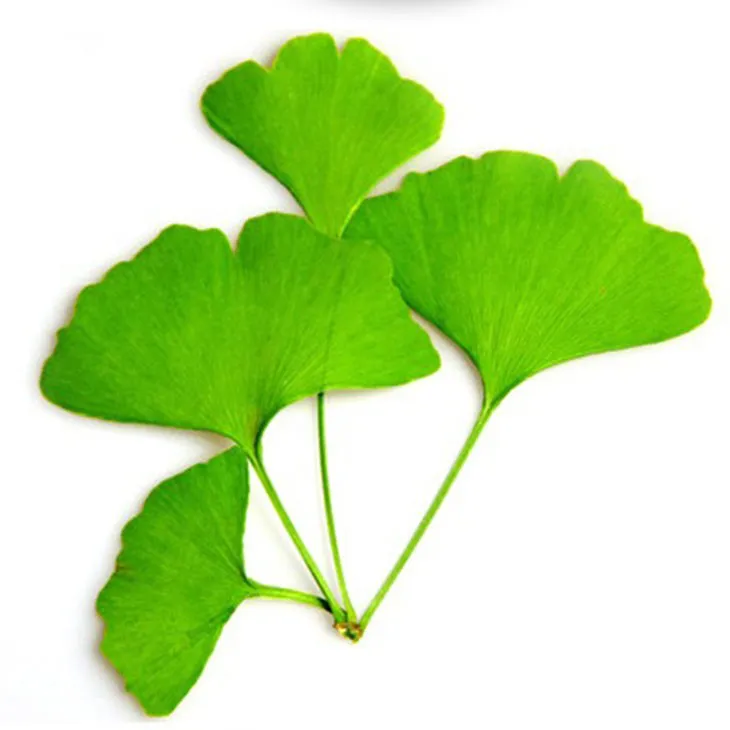
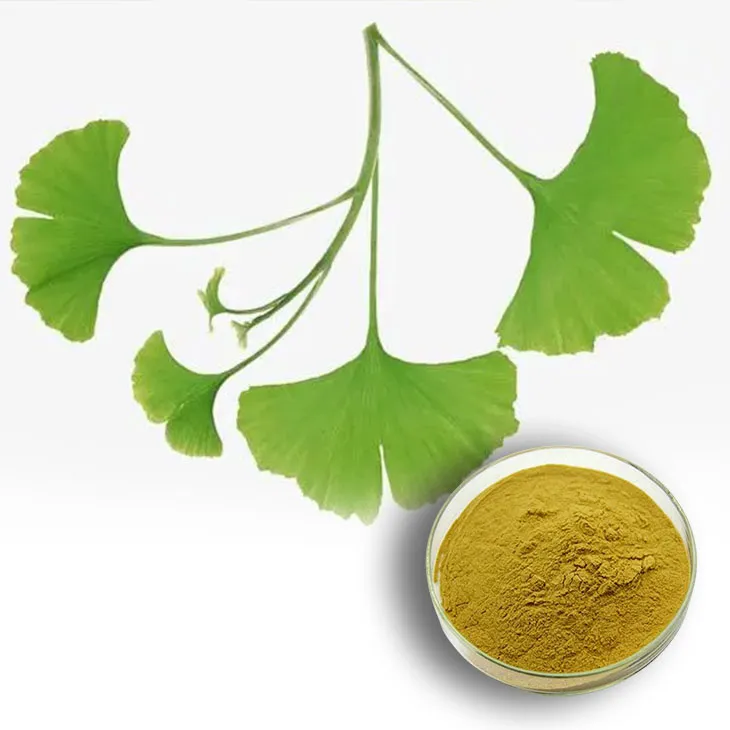
The leaves of Ginkgo biloba are harvested in late summer to early autumn when flavonoid and terpene lactone content peak. Fresh leaves are rapidly dried to prevent degradation of active compounds.
Active Compounds
Ginkgo biloba extract contains two primary classes of bioactive compounds:
Compound Class Key Components Biological Significance Flavonoid Glycosides Quercetin, kaempferol, isorhamnetin Antioxidant, free-radical scavenging, vascular protection Terpene Lactones Ginkgolides (A, B, C, J, M), Bilobalide Neuroprotection, platelet-activating factor (PAF) antagonism Organic Acids Ginkgolic acids Removed during processing (potential allergens/sensitizers)
Ginkgolide B is the most pharmacologically active ginkgolide and the most potent natural PAF antagonist known.
Bilobalide is unique to ginkgo and contributes to neuroprotective and anti-stress effects.
Standard Specifications We Offer
Product Grade Flavone Glycosides Terpene Lactones Ginkgolic Acids Standard EGb 761-type 24% ± 2% 6% ± 1% < 5 ppm USP/EP reference High-Flavone 40% 6–8% < 5 ppm Enhanced antioxidant High-Terpene 24% 10–12% < 5 ppm Neuro-focused
Custom ratios available for specific formulations.
Certificate of Analysis (Typical — 24%/6% Grade)
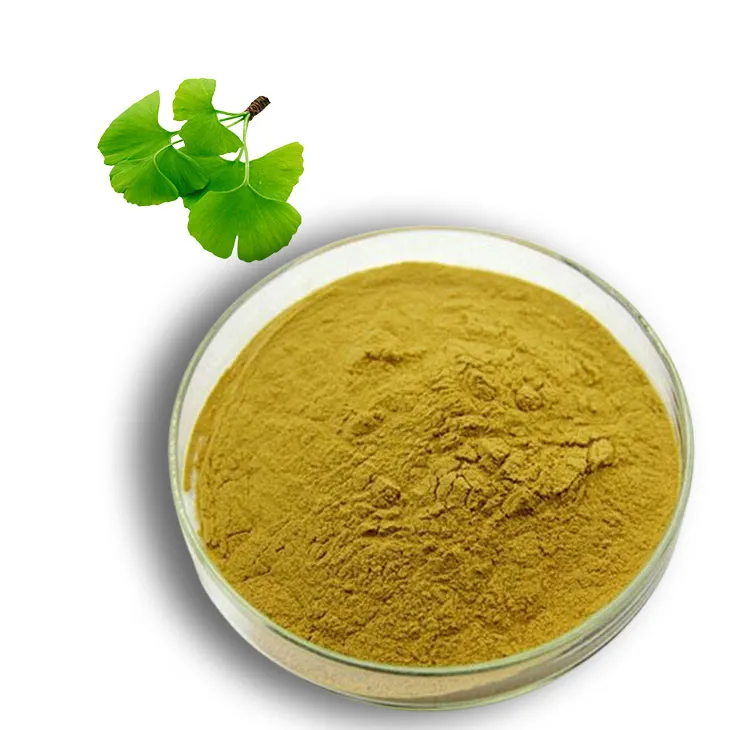
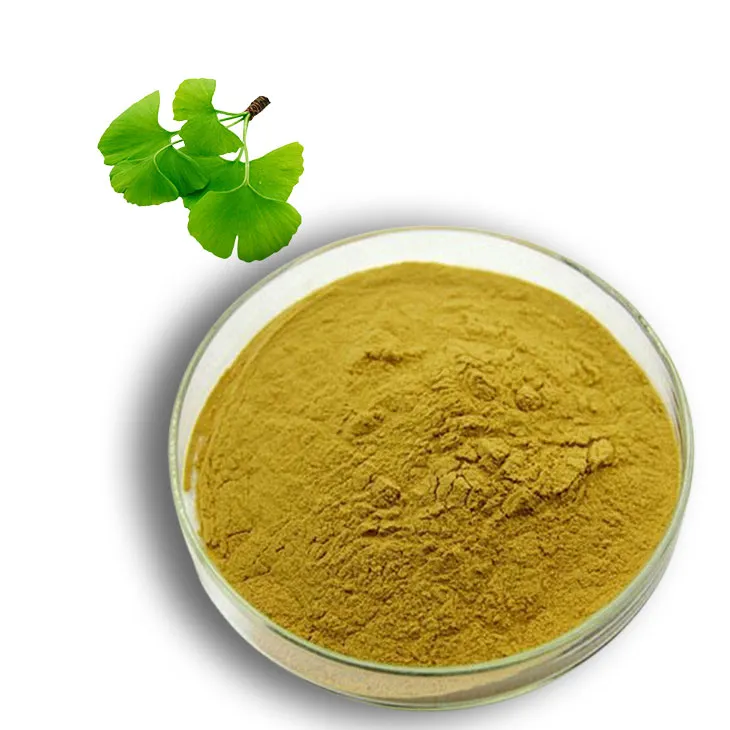
Parameter Specification Typical Result Appearance Light yellow to pale brown fine powder Conforms Odor Slight, characteristic Conforms Flavone Glycosides (HPLC) 22–26% 24.5% Terpene Lactones (HPLC) 5.4–6.6% 6.1% — Ginkgolide A ≥1.8% 2.1% — Ginkgolide B ≥0.8% 1.0% — Ginkgolide C ≥0.4% 0.6% — Bilobalide ≥2.4% 2.8% Ginkgolic Acids < 5 ppm < 1 ppm Loss on Drying ≤3.0% 2.1% Heavy Metals Compliant (Pb < 2ppm, As < 1ppm, Cd < 1ppm, Hg < 0.1ppm) Pass Pesticide Residues Multi-residue screen Pass Microbiological Compliant Pass
Part 2: Core Benefits & Mechanisms of Action
1. Cognitive Enhancement & Neuroprotection
Ginkgo biloba extract is the most extensively studied herbal ingredient for brain health:
Cerebral blood flow enhancement: Ginkgolides improve microcirculation by dilating cerebral blood vessels and reducing blood viscosity, increasing oxygen and glucose delivery to neurons.
PAF antagonism: Ginkgolide B is the most potent natural platelet-activating factor antagonist, preventing excessive platelet aggregation and microvascular thrombosis.
Neurotransmitter modulation: Influences cholinergic, serotonergic, and noradrenergic systems, supporting memory consolidation and attention.
Neurogenesis promotion: Bilobalide stimulates neurotrophic factors and promotes hippocampal neurogenesis in animal models.
Amyloid-beta protection: Reduces Aβ-induced oxidative stress and prevents Aβ oligomer formation, relevant to Alzheimer's pathology.
Clinical Evidence: The landmark GuidAge study (n=2,854, 5-year follow-up) and multiple meta-analyses of the EGb 761 extract (120–240 mg/day) have demonstrated statistically significant improvements in cognitive function and activities of daily living in patients with mild-to-moderate dementia. [PubMed: 21463954]
Meta-Analysis: A 2013 Cochrane Review of 36 RCTs concluded that GBE (240 mg/day) provided clinically meaningful benefits for dementia patients, with improvements in cognition, activities of daily living, and neuropsychiatric symptoms. [PubMed: 23633303]
2. Vision & Eye Health
Ginkgo's microcirculatory benefits extend to ocular tissues:
Glaucoma support: Improves retinal blood flow and visual field parameters in normal-tension glaucoma patients. [PubMed: 12822187]
Age-related macular degeneration (AMD): Antioxidant properties protect retinal pigment epithelial cells from oxidative damage.
Diabetic retinopathy: Reduces capillary permeability and leukostasis in early-stage diabetic retinopathy.
3. Cardiovascular & Peripheral Circulatory Support
Peripheral arterial disease (PAD): Improves pain-free walking distance in intermittent claudication patients by enhancing peripheral blood flow.
Raynaud's phenomenon: Reduces frequency and severity of vasospastic episodes.
Endothelial function: Improves nitric oxide (NO) bioavailability and reduces endothelial oxidative stress.
Anti-platelet activity: Mild anti-aggregatory effect via PAF inhibition (caution with anticoagulant medications).
4. Antioxidant & Anti-Aging Effects
The flavonoid fraction of GBE provides multi-layered antioxidant protection:
Free radical scavenging: Quercetin and kaempferol derivatives neutralize hydroxyl radicals and lipid peroxyl radicals.
Mitochondrial protection: Bilobalide protects mitochondrial respiratory chain complexes from oxidative damage.
DNA protection: Reduces 8-OHdG (a marker of oxidative DNA damage) in human studies.
5. Mood & Tinnitus (Emerging Evidence)
Generalized anxiety: A 2007 RCT (n=210) found that GBE (240 mg/day) reduced anxiety symptoms comparably to placebo over 4 weeks, with greater effect in severely anxious subgroups. [PubMed: 17684879]
Tinnitus: Mixed evidence; some studies show benefit in tinnitus of vascular origin, while others show no effect. Current consensus suggests GBE may help when tinnitus is associated with cerebrovascular insufficiency.
Part 3: Wide-Ranging Applications
Pharmaceutical & Dietary Supplements
Cognitive health capsules: 120–240 mg standardized GBE (24/6) per daily dose — the most evidence-based format.
Combination formulas: Paired with phosphatidylserine, omega-3 DHA, Bacopa monnieri, or vinpocetine for synergistic brain health support.
Ginkgo-Aspirin combinations: (Medical supervision required) Investigated for dual antiplatelet mechanisms.
Sublingual drops: Rapid-absorption formats for elderly patients with swallowing difficulties.
Cosmetics & Personal Care
Anti-aging serums: Ginkgo flavonoids protect against UV-induced skin damage and reduce photoaging.
Eye cream formulations: Microcirculatory benefits reduce periorbital dark circles and puffiness.
Scalp & hair care: Improved scalp blood circulation supports hair follicle health and nutrient delivery.
Sun protection adjunct: Antioxidant properties complement UV filters by reducing free radical-mediated skin damage.
Functional Foods & Beverages
Brain health beverages: Nootropic drinks and cognitive performance beverages incorporating GBE.
Energy & focus supplements: Combined with caffeine and L-theanine for clean cognitive enhancement.
Healthy aging nutrition: Added to senior-focused nutritional supplements for cognitive maintenance.
Animal Health
Canine cognitive dysfunction: Growing market for senior dog supplements containing GBE to support cognitive function and reduce age-related behavioral changes.
Equine performance: Investigated for improving exercise recovery and oxidative stress management in racehorses.
Research & Biotechnology
Reference standard for neuropharmacological studies
In vitro model for antioxidant and neuroprotective mechanism research
Standardized extract for clinical trial use
Part 4: How to Choose a High-Quality Ginkgo Biloba Extract
Key Quality Indicators
Factor Why It Matters Standardization (24%/6%) The EGb 761 standard (24% flavone glycosides, 6% terpene lactones) is the most clinically validated. Deviations require separate evidence. Ginkgolic Acid Content Must be <5 ppm (preferably <1 ppm). Ginkgolic acids are contact sensitizers and potential allergens. HPLC or GC-MS testing is essential. Extraction Method Acetone-water or ethanol-water extraction followed by purification column chromatography. The extraction solvent and purification process directly affect the ginkgolide:bilobalide ratio. Heavy Metal & Pesticide Testing Ginkgo leaves can accumulate heavy metals from soil. Multi-residue pesticide screening (300+ compounds) is essential. Batch Consistency Look for suppliers who provide batch-specific HPLC chromatograms showing consistent flavonoid and terpene lactone profiles. Supplier Credentials GMP, ISO 22000, pharmaceutical-grade manufacturing capabilities. Suppliers serving pharmaceutical markets demonstrate higher quality standards.
Red Flags to Avoid
Ginkgolic acid levels above 5 ppm (safety risk) Inconsistent terpene lactone ratios between batches Missing individual ginkgolide (A, B, C) and bilobalide breakdown No evidence of clinical-grade manufacturing Unusually low pricing (may indicate under-extraction or adulteration with rutin/Quercetin)
Part 5: About Us
As an experienced botanical extract manufacturer with deep expertise in Ginkgo biloba production, we offer Ginkgo Biloba Extract with the following advantages:
EGb 761-Equivalent Quality: Our 24%/6% standard matches the composition of the most clinically studied GBE worldwide, ensuring your products are backed by the full weight of published research.
Ultra-Low Ginkgolic Acids: Advanced purification technology consistently achieves ginkgolic acid levels below 1 ppm — well below the 5 ppm pharmacopeial limit, ensuring maximum safety for your consumers.
Full Terpene Lactone Profiling: Every batch includes individual quantification of Ginkgolide A, B, C, and Bilobalide by HPLC, ensuring the complete active profile is verified.
Pharmaceutical-Grade Manufacturing: Clean-room production with GMP, ISO 22000, and pharmaceutical-grade documentation support for your regulatory submissions.
Custom Specifications: High-flavone (40%), high-terpene (10-12%), and custom ratio formulations available to meet your specific product requirements.
Technical Partnership: Our R&D team provides formulation support, stability data, regulatory documentation (DMF, CEP support), and clinical literature summaries to accelerate your product development.
Global Supply: Strategic partnerships with premium ginkgo leaf growers in China's optimal cultivation zones, with year-round supply security and competitive pricing.
Conclusion & Get a Quote
Ginkgo biloba extract stands as one of the most scientifically validated botanical ingredients in modern herbal medicine. With applications spanning cognitive health, circulatory support, eye health, skincare, and beyond — the global demand for pharmaceutical-grade, consistently standardized GBE continues to expand, particularly in aging markets across North America, Europe, and Asia-Pacific.
Ready to source premium Ginkgo Biloba Extract?
Contact us today for competitive pricing, free samples, and comprehensive technical documentation.
Our team provides:
Quotations within 24 hours
Free samples for quality evaluation (up to 10g)
Custom specification development (24/6, 40/6, 24/10, and bespoke ratios)
Full regulatory documentation packages including DMF support, stability data, and clinical literature summaries