- 0086-571-85302990
- [email protected]






Which regions lead the grape seed extract market for production?
2026-08-13
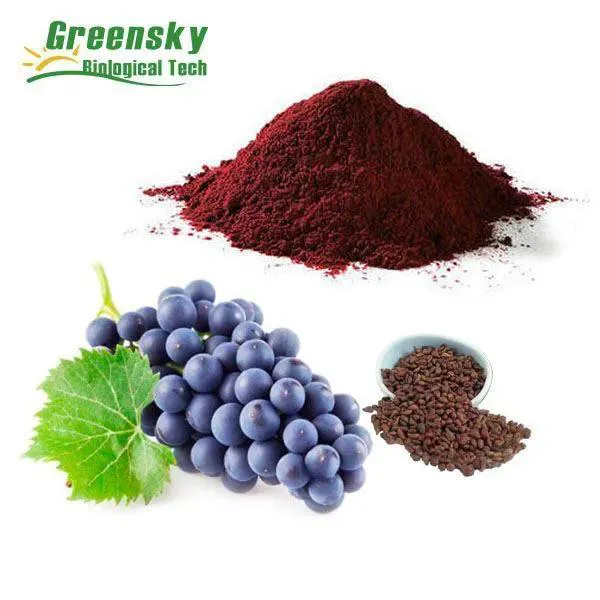
Grape Seed Extract has become one of the most sought-after botanical ingredients in the nutraceutical and cosmetics industries, prized for its rich content of proanthocyanidins and powerful antioxidant activity. But where does this ingredient actually come from? Understanding the regions that lead Grape Seed Extract production is essential for brand owners and procurement teams looking for reliable, high-quality sources of raw material.
What Grape Seed Extract is and why sourcing matters
Grape seed extract is obtained from the seeds of Vitis vinifera grapes, which are most commonly recovered as a by-product of winemaking and juice production. After grapes are pressed, the seeds are separated, dried, and processed to concentrate polyphenolic compounds, especially oligomeric proanthocyanidins (OPCs). These compounds are known for supporting cardiovascular health, defending against oxidative stress, and promoting healthy skin. Because the quality of the final extract depends heavily on the origin of the grapes, the growing and production regions play a decisive role in the purity, standardization, and traceability of every batch.
China: the leading production hub for grape seed extract
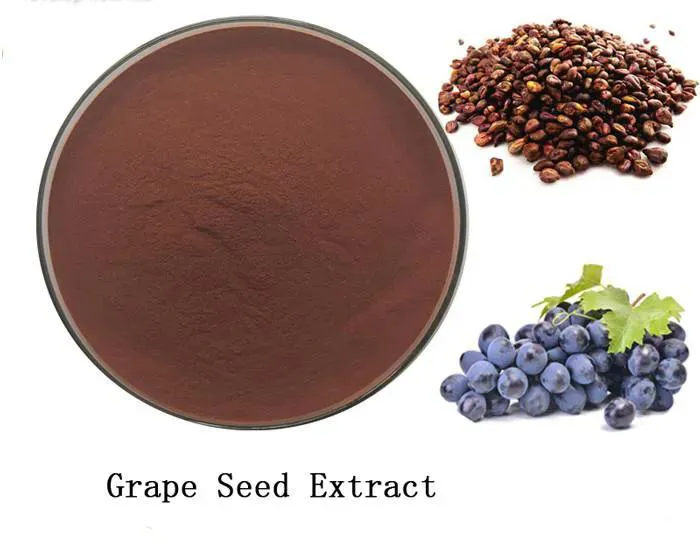
China has emerged as the global center for plant extract manufacturing, and grape seed extract is no exception. The country combines abundant raw material access, mature extraction technology, and a complete supply chain that covers everything from seed procurement to spray-dried powder. This is why so many international buyers work directly with a reliable grape seed extract supplier based in China to secure consistent supply at competitive costs. Chinese factories benefit from large-scale processing capacity and strict quality control standards, allowing them to deliver standardized extracts with documented proanthocyanidin content.
For companies that prioritize both quality and traceability, partnering with a professional grape seed extract manufacturer is a practical choice. Vertically integrated producers control every stage of the process, from raw material selection to laboratory testing, which reduces variability and ensures each shipment meets specification.
Europe: the winemaking heartland of premium seeds
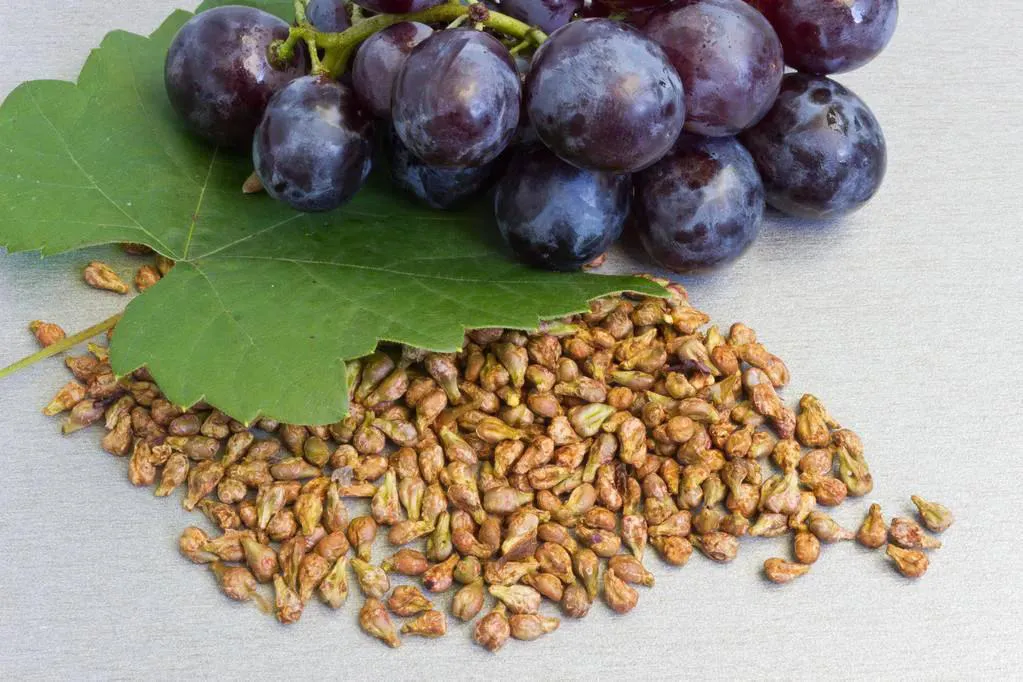
Europe, and particularly countries such as France, Italy, and Spain, is home to some of the world's most famous wine-growing regions. These areas generate enormous volumes of grape seeds as a natural by-product of winemaking, making them a major source of premium raw material. European suppliers are often associated with high-quality, traceable seeds from established vineyards, and the region also benefits from advanced research infrastructure and strict regulatory oversight. While European production tends to command higher prices, it is frequently preferred for applications where origin and clean-label attributes are a priority.
North America and South America: rising contributors
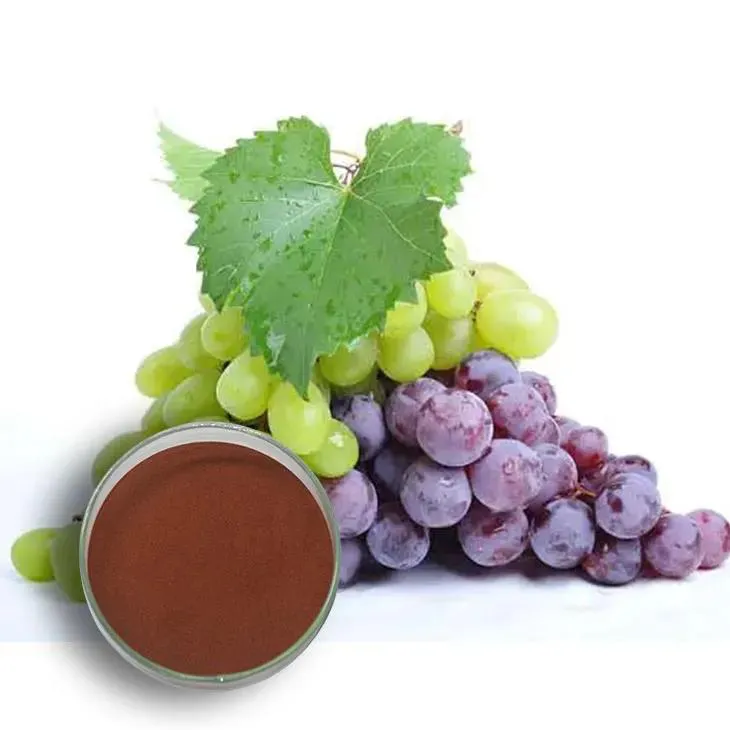
In North America, California stands out as a leading region for grape cultivation and, consequently, for grape seed extraction. The United States has a well-developed supplement industry and strong demand for natural antioxidants, which drives both domestic processing and imports. In South America, Chile and Argentina have grown steadily as grape producers, supplying seeds to the global market. These regions add diversity to the supply base and help brands secure raw material from multiple origins, reducing the risk of supply disruption.
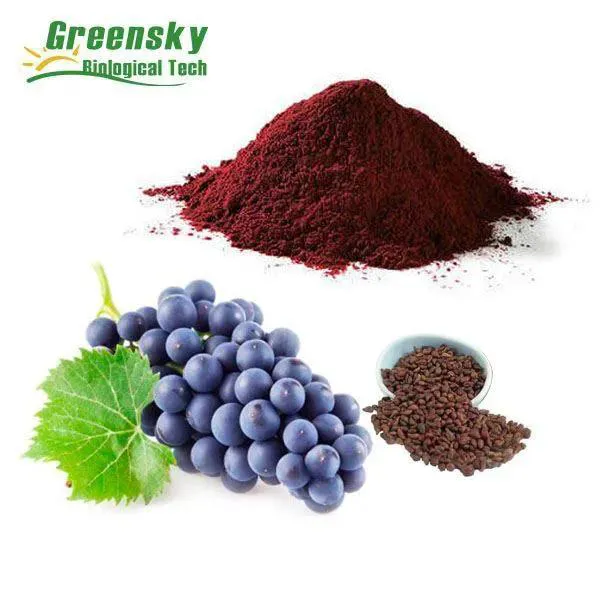
How production regions affect extract quality
The region where grapes are grown influences the polyphenol profile of the seeds, but equally important is how the seeds are processed. Consistent quality depends on standardized extraction methods, rigorous testing for solvent residues and heavy metals, and documented proanthocyanidin levels. Buyers should look for manufacturers that maintain independent laboratories equipped with advanced analytical tools and hold recognized certifications such as ISO22000, HACCP, Kosher, and Halal. Working with an experienced grape seed extract wholesale partner ensures that quality control is maintained across the entire supply chain.
Choosing the right source for your business
When selecting a production region or supplier, consider factors such as raw material traceability, processing capacity, certification, and the ability to deliver standardized extracts consistently. China remains the dominant production hub due to its scale and cost efficiency, while Europe and the Americas offer additional sourcing options for premium and organic lines. By combining a reliable regional supply base with a reputable manufacturer, brands can build a stable and high-quality grape seed extract supply for supplements, cosmetics, and functional foods.
TAGS:
- ▶ Hesperidin
- ▶ Citrus Bioflavonoids
- ▶ Plant Extract
- ▶ lycopene
- ▶ Diosmin
- ▶ Grape seed extract
- ▶ Sea buckthorn Juice Powder
- ▶ Fruit Juice Powder
- ▶ Hops Extract
- ▶ Artichoke Extract
- ▶ Mushroom extract
- ▶ Astaxanthin
- ▶ Green Tea Extract
- ▶ Curcumin
- ▶ Horse Chestnut Extract
- ▶ Other Product
- ▶ Boswellia Serrata Extract
- ▶ Resveratrol
- ▶ Marigold Extract
- ▶ Grape Leaf Extract
- ▶ New Product
- ▶ Aminolevulinic acid
- ▶ Cranberry Extract
- ▶ Red Yeast Rice
- ▶ Red Wine Extract
- ▶ blog
-
Astaxanthin
2026-08-13
-
Giant Knotweed Extract
2026-08-13
-
Baobab Fruit Extract
2026-08-13
-
Phosphatidylserine
2026-08-13
-
Uridine-5'-monophosphate Disodium salt
2026-08-13
-
Marigold Extract
2026-08-13
-
Grape Seed Extract
2026-08-13
-
Hawthorn powder
2026-08-13
-
Red Date Extract
2026-08-13
-
Liposomal NMN
2026-08-13
