- 0086-571-85302990
- [email protected]



Baobab Fruit Extract
Introduction
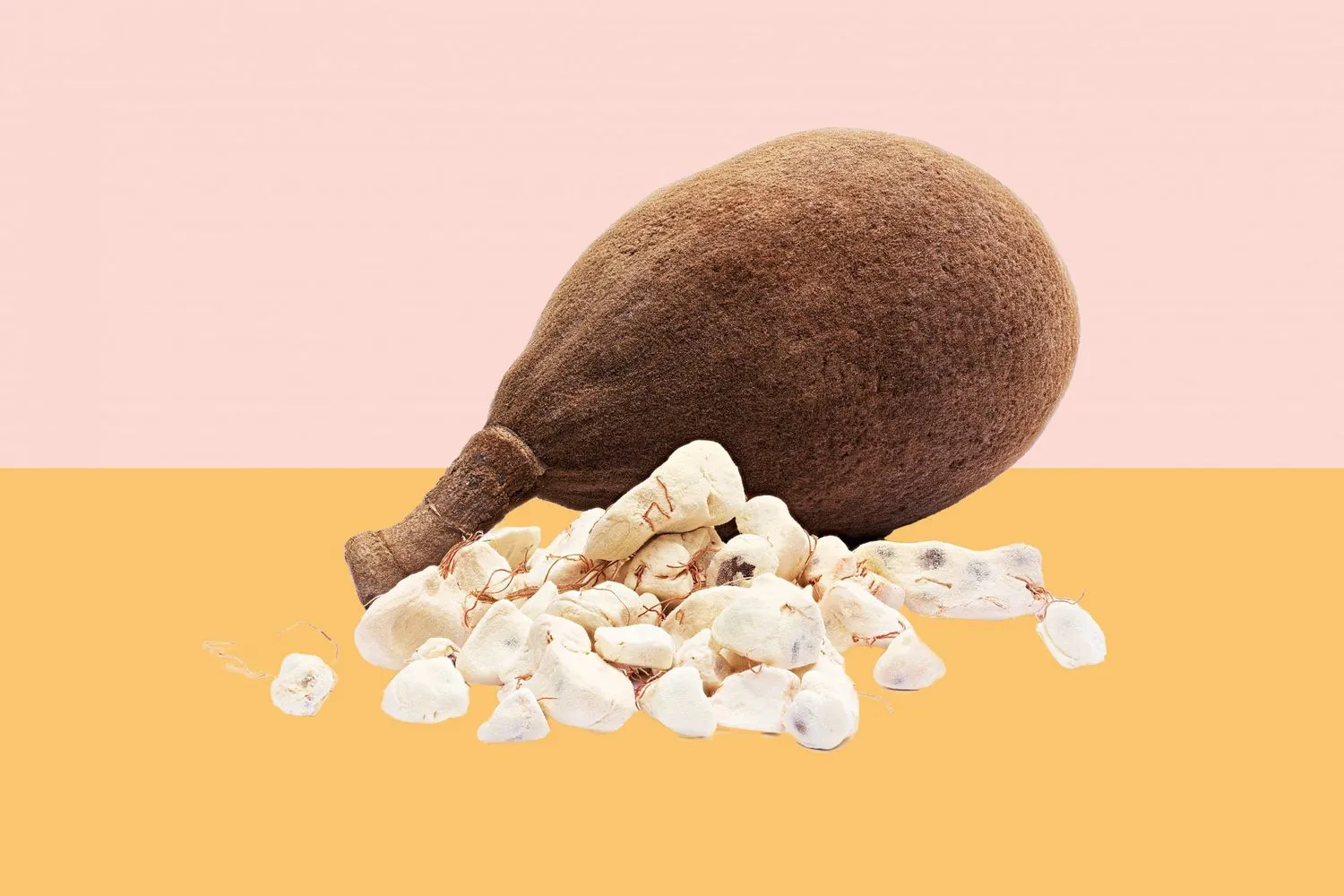
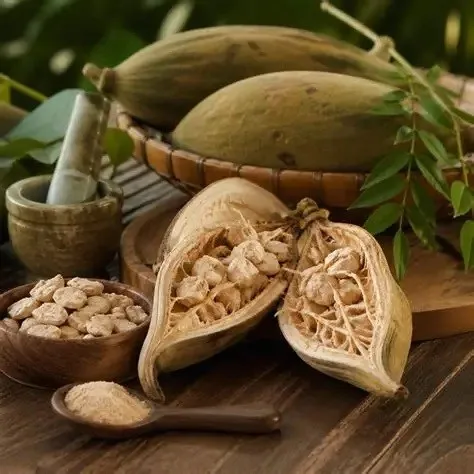
The Baobab tree (Adansonia digitata) — Africa's iconic "Tree of Life" — produces a fruit with one of the highest naturally occurring vitamin C concentrations of any plant on Earth. For centuries, African communities have relied on baobab fruit for nutrition, hydration, and traditional medicine. Today, baobab fruit extract and powder have emerged as a premium superfruit ingredient in the global health and wellness market, valued for its exceptional vitamin C content, rich prebiotic fiber profile, and potent antioxidant capacity.
Part 1: What Is Baobab Fruit Extract?
Botanical Profile
Latin name: Adansonia digitata L.
Family: Malvaceae (formerly Bombacaceae)
Common names: Baobab, Dead Rat Tree, Monkey Bread Tree, Tree of Life
Native habitat: Sub-Saharan Africa, Madagascar, and the Australian Kimberley region
Extraction part: Fruit pulp (the dried powdery substance surrounding the seeds inside the hard fruit shell)
Key Nutritional & Bioactive Profile
Baobab fruit pulp is nutritionally extraordinary:
| Component | Content (per 100g dried pulp) | Significance |
|---|---|---|
| Vitamin C (ascorbic acid) | 200–300 mg | 3–6× higher than orange juice; natural, food-matrix form |
| Dietary Fiber | 44–50 g | ~50% soluble fiber (prebiotic); ~50% insoluble |
| Polyphenols | 5,000–6,500 mg GAE/100g | Exceptional antioxidant capacity |
| Potassium | 2,000–3,000 mg | Electrolyte support; cardiovascular health |
| Calcium | 250–300 mg | Bone health support |
| Magnesium | 200–250 mg | Muscle and nerve function |
| Antioxidants (ORAC) | ~14,000 µmol TE/100g | Among highest of all fruits |
| Low Glycemic Index | GI ~20–25 | Suitable for blood sugar management |
Available Specifications
Greensky Bio offers Baobab Fruit products in multiple formats:
Baobab Fruit Powder (100% natural, spray-dried) — whole fruit pulp, unstandardized
Baobab Fruit Extract (concentrated polyphenols) — standardized to 10–20% polyphenols
Baobab Fruit Extract (vitamin C enriched) — standardized to ≥20% natural vitamin C
Baobab Fruit Extract (soluble fiber concentrate) — enriched soluble fiber fraction
Baobab Fruit Juice Powder — for beverage applications
Custom specifications and blends available
Appearance: Light tan to golden-brown fine powderProcessing: Cold-pressed dehydration; spray-drying with natural carriersTest methods: HPLC (vitamin C, polyphenols), titration (fiber), ORAC assay
Quality Documentation
Each batch includes:
Vitamin C content (HPLC verified)
Polyphenol content (Folin-Ciocalteu / HPLC)
Dietary fiber analysis (AOAC enzymatic-gravimetric method)
ORAC antioxidant capacity
Heavy metals analysis
Microbiological testing
Moisture content and water activity (critical for powder stability)
Pesticide residue screening
Aflatoxin testing (important for African-sourced botanicals)
Part 2: Core Benefits & Mechanisms of Action
1. Exceptional Natural Vitamin C Source
Baobab fruit contains 3–6 times more vitamin C per gram than oranges, in its natural food-matrix form — meaning the vitamin C is delivered alongside complementary co-factors (bioflavonoids, organic acids) that enhance bioavailability and stability.
Benefits of natural food-matrix vitamin C:
Enhanced absorption compared to synthetic ascorbic acid
Bioflavonoid co-factors support vitamin C recycling in the body
Lower risk of gastric irritation at high doses
Sustained release from the fiber-rich fruit matrix
Vitamin C is essential for collagen synthesis, immune function, iron absorption, and as a primary water-soluble antioxidant protecting cells from oxidative damage.
Key reference: Njie M, et al. "Nutritional composition of baobab (Adansonia digitata) fruit pulp and seeds from different agro-ecological zones of The Gambia." African Journal of Food Science, 2012; 6(3): 57–64.
2. Potent Antioxidant & Anti-Inflammatory Activity
Baobab fruit has one of the highest ORAC (Oxygen Radical Absorbance Capacity) values of any fruit — approximately 14,000 µmol TE/100g, compared to ~3,500 for blueberries and ~1,800 for oranges.
The polyphenol profile includes:
Catechins and epicatechins — also found in green tea
Quercetin derivatives — potent anti-inflammatory flavonoids
Gallic acid — antioxidant with antimicrobial properties
Protocatechuic acid — emerging anti-diabetic compound
A clinical study published in the Journal of Nutrition demonstrated that baobab extract consumption significantly reduced postprandial glycemic response and increased plasma antioxidant capacity in healthy adults.
Key reference: Coe SA, et al. "The polyphenol-rich baobab fruit (Adansonia digitata L.) reduces starch digestion and glycemic response in humans." Nutrition Research, 2013; 33(11): 888–896.
3. Prebiotic Fiber & Gut Health
Approximately 50% of baobab fruit's dietary fiber is soluble — primarily pectin, gum, and mucilage — which serves as a highly effective prebiotic:
Fermented by colonic bacteria to produce short-chain fatty acids (SCFAs), particularly butyrate
Supports growth of beneficial bacteria (Bifidobacterium, Lactobacillus)
Improves bowel regularity and stool consistency
The unique fiber matrix slows carbohydrate absorption, supporting blood sugar management
Research published in Nutrients confirmed that baobab fruit consumption significantly increased SCFA production and modulated gut microbiota composition in human intervention studies.
Key reference: Allegra K, et al. "Baobab (Adansonia digitata) Fruit Pulp Extract Modulates Gut Microbiota and Improves Metabolic Parameters." Nutrients, 2023; 15(4): 892.
4. Skin Health & Anti-Aging
The combination of ultra-high vitamin C, polyphenols, and essential minerals makes baobab a powerful skin health ingredient:
Vitamin C: Essential cofactor for collagen synthesis; brightens skin tone
Polyphenols: Protect against UV-induced oxidative damage
Zinc & Selenium: Support skin barrier function and wound healing
Hydration: Mucilaginous compounds provide moisturizing benefits
5. Immune System Support
Baobab fruit supports immune function through a synergistic combination of:
High-dose natural vitamin C (stimulates leukocyte function)
Polyphenol antioxidants (reduce systemic inflammation)
Prebiotic fiber (70% of immune tissue resides in the gut)
Essential minerals (zinc, iron, magnesium)
Part 3: Wide-Ranging Applications
Dietary Supplements & Nutritional Products
Vitamin C Capsules & Tablets: Natural, whole-food vitamin C alternative to synthetic ascorbic acid
Immune Support Blends: Combined with elderberry, echinacea, and zinc
Digestive Health Formulations: Prebiotic fiber + probiotic synergistic products
Antioxidant Complexes: High-ORAC multi-fruit formulations
Functional Foods & Beverages
Smoothie Powders & Meal Replacements: Natural sweet-tart flavor with nutritional density
Functional Juices & Nectars: Clean-label vitamin C enrichment
Energy & Wellness Bars: Prebiotic fiber + natural energy from fructose/glucose
Baby & Toddler Foods: Gentle, nutrient-dense fruit ingredient (EU Novel Food approved)
Bakery & Confectionery: Natural flavoring and functional ingredient
Cosmetics & Personal Care
Vitamin C Serums & Creams: Natural alternative to synthetic vitamin C derivatives
Anti-Aging Moisturizers: Antioxidant protection + collagen support
Body Scrubs & Exfoliants: Gentle fruit acid content
Hair Care Products: Nutrient-rich scalp treatments
Natural Sunscreen Adjuncts: Antioxidant protection against UV damage
Sports Nutrition
Natural Electrolyte Drinks: High potassium content + natural sugars for hydration
Recovery Formulations: Antioxidant protection against exercise-induced oxidative stress
Pre-Workout Powders: Natural energy without synthetic stimulants
Animal Nutrition
Pet Health Supplements: Antioxidant and immune support for dogs and cats
Livestock Feed Additives: Natural vitamin C source for stress management
Part 4: Choosing High-Quality Baobab Fruit Extract
Key Quality Considerations
1. Processing Method
Cold-pressed dehydration preserves heat-sensitive vitamin C
Avoid high-temperature processing that degrades ascorbic acid
Spray-drying with natural carriers (maltodextrin, acacia gum) for consistent powder flow
2. Vitamin C Verification
HPLC testing is the gold standard (more accurate than titration)
Request current COA with vitamin C content
Natural baobab vitamin C ranges from 200–300 mg/100g — be skeptical of significantly higher claims
3. Microbiological Safety
African-sourced baobab requires rigorous microbiological testing
Aflatoxin screening is essential (EU regulation)
Salmonella and E. coli testing for food-grade products
4. EU Novel Food Status
Baobab fruit pulp was approved as a Novel Food in the EU in 2008 (Commission Decision 2008/345/EC)
Confirm your supplier's compliance documentation
This approval enables use in foods, supplements, and beverages across the EU
5. Sustainability & Fair Trade
Baobab harvesting supports rural African communities (primarily women-led cooperatives)
Look for fair trade and community benefit certifications
Sustainable wild harvesting does not damage the long-lived trees
6. Fiber Content Verification
Request total dietary fiber AND soluble/insoluble fiber breakdown
AOAC 991.43 or 985.29 method preferred
Total fiber should be 44–50% for authentic baobab fruit powder
Part 5: About Greensky Bio
As a trusted supplier of premium botanical extracts and superfruit ingredients, Greensky Bio provides Baobab Fruit Extract and Powder with these competitive advantages:
Direct Sourcing: Partnerships with certified harvesting cooperatives in West Africa ensuring traceable, sustainable, and fair-trade sourcing
Quality Assurance: Comprehensive testing including HPLC vitamin C analysis, ORAC values, fiber profiling, aflatoxin screening, and full microbiological panels
Custom Processing: Multiple extract formats (standardized polyphenols, vitamin C-enriched, fiber concentrate, juice powder) tailored to your application
Regulatory Compliance: EU Novel Food documentation, FDA GRAS guidance, and market-specific regulatory support
Technical Expertise: Our R&D team provides formulation guidance for supplements, beverages, foods, and cosmetics
Certified Manufacturing: ISO 22000, HACCP, GMP, Kosher, Halal, and Organic certified facilities
Conclusion & Call to Action
Baobab fruit extract delivers an unmatched combination of natural vitamin C, prebiotic fiber, and antioxidant polyphenols — making it one of the most versatile and nutritionally dense superfruit ingredients available today. Whether you're developing immune support supplements, functional beverages, clean-label cosmetics, or sports nutrition products, baobab offers a compelling clean-label, plant-based solution with growing consumer recognition.
Interested in Baobab Fruit Extract for your next product?
Contact our team today for a free sample, competitive quote, and complete technical documentation.
Our specialists are ready to assist with:
Extract specification selection for your application
Custom concentration and formulation options
Regulatory guidance for your target markets
Volume pricing and supply chain planning