- 0086-571-85302990
- [email protected]





Phosphatidylserine
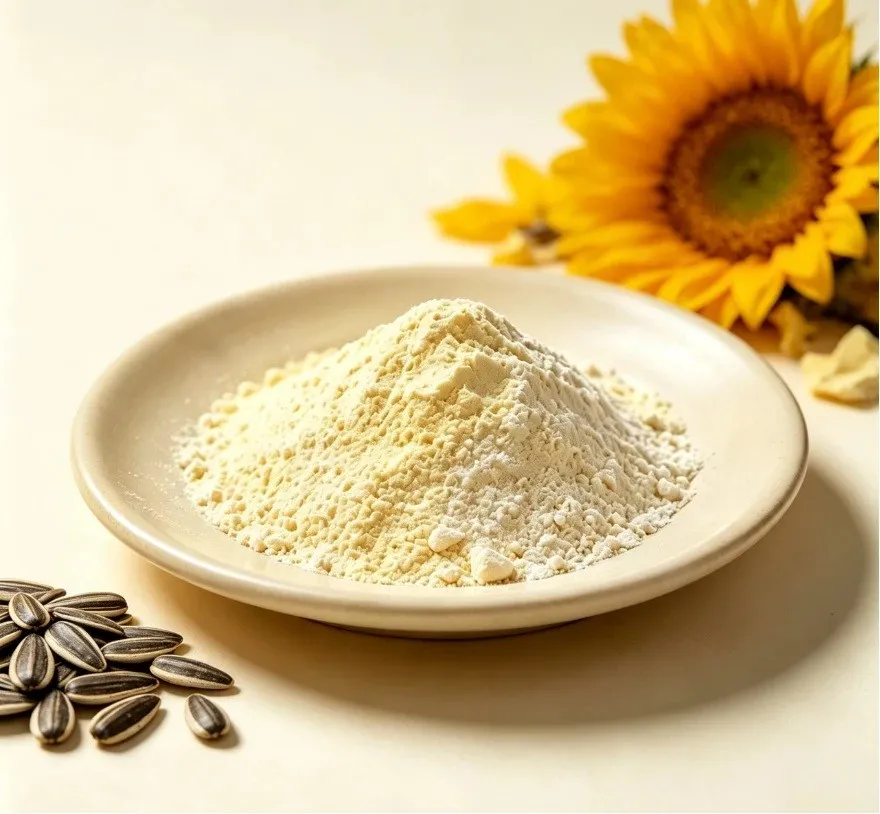
Introduction
Phosphatidylserine (PS) is one of the most researched phospholipids in nutritional neuroscience. Once predominantly sourced from bovine cortex, today's premium PS is derived from soybean or sunflower lecithin through advanced enzymatic processes, making it a safe, vegetarian-friendly ingredient. Over the past three decades, a growing body of clinical evidence has established its role in supporting cognitive function, memory retention, and stress resilience — positioning PS as a cornerstone ingredient in the global brain-health supplement market.
Part 1: What Is Phosphatidylserine (PS)?
Overview
Phosphatidylserine is an aminophospholipid that constitutes approximately 13–15% of total phospholipids in the human brain. It is a critical structural component of neuronal cell membranes and plays a vital role in cell signaling, neurotransmitter release, and membrane fluidity.
Source & Extraction
Primary sources: Soy lecithin and sunflower lecithin (modern, non-GMO preferred)
Extraction method: Enzymatic conversion of phosphatidylcholine (PC) using phospholipase D (PLD), followed by chromatographic purification
Part used: Whole lecithin fraction from soybean or sunflower seed
Key Active Components
| Component | Description |
|---|---|
| Phosphatidylserine | Target active; typically standardized to 20%, 50%, 60%, 70%, or 80% |
| Phosphatidylcholine (PC) | Co-existing phospholipid; beneficial for liver health |
| Phosphatidylethanolamine (PE) | Natural co-component of lecithin matrix |
| Free Fatty Acids | Predominantly linoleic and oleic acid |
Specifications We Offer
| Grade | PS Content | Source | Typical Application |
|---|---|---|---|
| PS-20 | 20% | Soy | General food, beverage fortification |
| PS-50 | 50% | Soy | Dietary supplements, softgels |
| PS-70 | 70% | Soy / Sunflower | Premium cognitive-health capsules |
| PS-80 | 80% | Sunflower | Clinical-grade nutraceuticals |
| PS-20 (Sunflower) | 20% | Sunflower | Allergen-free formulations |
Quality Testing
Every batch undergoes rigorous third-party analysis, including:
HPLC quantification of PS content
Residual solvent screening (GC-MS)
Heavy metals (Pb, As, Cd, Hg) per USP limits
Microbiological testing (TAMC, TYMC, E. coli, Salmonella)
Non-GMO and allergen declarations (for sunflower-derived grades)
Part 2: Core Benefits & Mechanisms of Action
1. Memory Enhancement & Cognitive Support
Phosphatidylserine integrates into neuronal membranes, enhancing membrane fluidity and facilitating the function of membrane-bound enzymes and receptors. Clinical studies have demonstrated improvements in memory recall, learning ability, and concentration in adults aged 50 and above.
Research: A double-blind, placebo-controlled study (Kato-Kataoka et al., 2010) found that 300 mg/day of soy-derived PS significantly improved memory scores in elderly subjects with memory complaints over 6 months.
2. Stress Reduction & Cortisol Management
PS has been shown to blunt the exercise-induced and stress-induced rise in cortisol, supporting the hypothalamic–pituitary–adrenal (HPA) axis. This makes it valuable for both sports nutrition and stress-management formulations.
Research: Monteleone et al. (1992) demonstrated that PS supplementation (800 mg/day) significantly attenuated ACTH and cortisol responses to physical stress in healthy men.
3. Attention & ADHD Support
Emerging evidence suggests PS may improve attention and behavioral symptoms in children with ADHD, particularly when combined with omega-3 fatty acids.
Research: Hirayama et al. (2014) reported that 200 mg/day of PS (derived from sunflower lecithin) improved attention and short-term memory in children with ADHD symptoms.
4. Exercise Recovery & Muscle Soreness
By modulating cortisol and supporting cellular energy metabolism, PS supplementation has been associated with reduced perceived muscle soreness and faster recovery after intense exercise.
Part 3: Wide-Ranging Applications
Nutraceuticals & Dietary Supplements
Softgel and capsule formulations targeting cognitive health, memory, and healthy aging
Combination products with omega-3 DHA, Ginkgo biloba, or Bacopa monnieri
Daily dosing range: 100–300 mg of PS per serving
Functional Foods & Beverages
Fortified dairy products, nutritional bars, and brain-health beverages
Water-soluble PS powder grades (20%) enable incorporation into liquid formats
Sports Nutrition
Pre- and post-workout formulations leveraging cortisol-modulating properties
Targeted at athletes and fitness enthusiasts seeking faster recovery
Infant & Pediatric Nutrition
Sunflower-derived PS is used in specialized nutritional products supporting neurodevelopment
Requires strict quality specifications (low heavy metals, non-GMO, allergen-free)
Cosmetic & Personal Care
Emerging use in anti-aging skincare for its membrane-repairing and cellular signaling properties
Incorporated into premium serums and lipid-replenishing creams
Part 4: How to Choose a High-Quality Phosphatidylserine Supplier
Purity & Potency Verification
Request a Certificate of Analysis (COA) confirming PS content via HPLC
Verify that the declared PS percentage matches independent lab results
Sunflower-derived PS should be tested for non-GMO status
Manufacturing Process
Enzymatic conversion (PLD-mediated) is the industry-standard, GRAS-approved method
Avoid suppliers using outdated solvent-extraction-only processes without enzymatic steps
Look for GMP, ISO 22000, and FSSC 22000 certified facilities
Regulatory Status
PS derived from soy lecithin has FDA GRAS (Generally Recognized As Safe) status in the United States
Approved as a Novel Food ingredient in the European Union
Japan's FOSHU system recognizes PS for cognitive health claims
Supply Chain Transparency
Traceability from raw lecithin source to finished PS powder
Batch-specific documentation including COA, MSDS, and allergen statements
Consistent supply with stability data supporting a 24-month shelf life
Part 5: About Our Company
As a specialized supplier with deep expertise in phospholipids and botanical extracts, we offer a comprehensive range of Phosphatidylserine products tailored to diverse application needs:
Full spectrum of specifications: 20%, 50%, 60%, 70%, and 80% PS from both soy and sunflower sources
Granular and powder forms: Optimized for direct compression, encapsulation, or softgel filling
Complete regulatory documentation: GRAS letters, EU Novel Food dossiers, Kosher, Halal, and non-GMO certificates
Customized solutions: Private labeling, custom blending with co-actives (DHA, omega-3, Ginkgo), and tailored particle-size specifications
Stable supply chain: Multi-source raw material procurement with strategic inventory to ensure consistent delivery
Technical support: Formulation guidance, stability testing assistance, and regulatory consulting for market entry
Conclusion & Call to Action
Phosphatidylserine stands at the intersection of nutritional science and market demand — a well-researched ingredient with proven cognitive benefits, broad application potential, and growing consumer awareness. Whether you are developing a premium brain-health supplement, a functional beverage, or a sports-recovery product, the quality of your PS source is a critical differentiator.
Interested in Phosphatidylserine for your next product? Contact us today for the latest pricing, free samples, and customized formulation support. Our technical team is ready to assist you with everything from ingredient selection to regulatory compliance.
Get a Quote | Request Free Samples | Speak to Our Experts