- 0086-571-85302990
- [email protected]





What is the best method to extract rosemary oil for cosmetic use?
2026-08-18
Rosemary has long been a favorite of formulators working with botanical ingredients, prized in cosmetics for its refreshing scent, its antioxidant character, and its gentle, well-tolerated profile on skin and hair. But behind any elegant rosemary-infused serum or scalp treatment sits a less glamorous question: how is the aromatic material actually obtained? The answer matters more than most buyers realize, because the extraction route shapes the color, the scent, the cost, and ultimately the performance of the finished cosmetic. This article walks through the main industrial methods and helps you decide which one fits a specific product goal.
The mainstream extraction methods at a glance
Four techniques dominate commercial production, and each leaves its own fingerprint on the final material.
Steam and hydro-distillation
The industry workhorse. Fresh or dried rosemary is exposed to steam, and the volatile oil carried in the vapor is condensed and separated from the water. The process is well understood, uses no organic solvents, and reliably delivers the clean, volatile fraction that most people picture as "essential oil." Its main trade-off is that heat-sensitive and heavier components can be lost to degradation or remain behind, so the profile is somewhat lighter than the plant itself.
Solvent extraction
Here rosemary is steeped in a food-grade or cosmetic-grade solvent, which pulls out both volatile oils and a broader mix of resinous, wax-like, and antioxidant components. The result is a richer oleoresin or absolute with a deeper, more rounded character. The downside is the extra processing needed to remove the solvent, so rigorous control is essential to keep residual levels fully compliant with cosmetic regulations.
Supercritical CO2 extraction
A solvent-free trailblazer. Carbon dioxide is pressurized into a supercritical state and used as the extracting agent, then simply released, leaving no solvent traces at all. Because it runs at low temperature, delicate aroma compounds survive largely intact, and the extract tends to be closer to the plant's natural makeup. It is widely regarded as the cleanest and most premium option, though the capital cost of the equipment and the running cost are noticeably higher.
Cold maceration and infusion
Gentle soaking of rosemary in a carrier oil at low temperature. It is simple, energy-efficient, and beautifully preserves fragrance for artisan products, but the yield relative to the starting material is modest, which is why it suits small-batch and premium lines rather than cost-sensitive, high-volume production.
How to choose for cosmetics
There is no single "best" method in the abstract; there is only the best method for a given formula. Three questions narrow the field quickly.
- What role must it play? If you need a crisp top note and a lightweight oil for a light leave-on serum, steam distillation is difficult to beat. If you want a full-bodied, antioxidant-rich oleoresin that carries depth through rinsing or contributes preservation strength, solvent or supercritical routes bring more to the table.
- How strict is your clean-label story? Consumers increasingly look for solvent-free claims. When that narrative is a brand pillar, supercritical CO2 extraction gives you an honest, traceable answer.
- What does stability testing show? Volatile rosemary oils can be prone to oxidation over time. Monitored, standardized production and airtight, light-protected packaging make a measurable difference to shelf life.
For most commercial cosmetic lines, the practical sweet spot is a standardized rosemary extract produced by a reliable supplier, paired with routine quality checks on color, scent, and antioxidant capacity rather than an attempt to build extraction in-house.
Why a dedicated supplier usually wins
Reproducibility is the hidden secret of good cosmetics. A botanical ingredient that drifts from batch to batch quietly rewrites your formula's performance, forcing reformulation work that few teams budget for. That is why so many brands buy from a focused manufacturer instead of installing their own stills. Working with a rosemary extract supplier with controlled sourcing, dedicated equipment, and in-house analytical labs gives you consistent composition, batch documentation, and the regulatory paperwork that customers and distributors increasingly request. When the goal is a best rosemary extract at a predictable cost, a manufacturer can often deliver a more stable product than an on-site trial setup, freeing your R&D team to focus on the formula rather than the machinery.
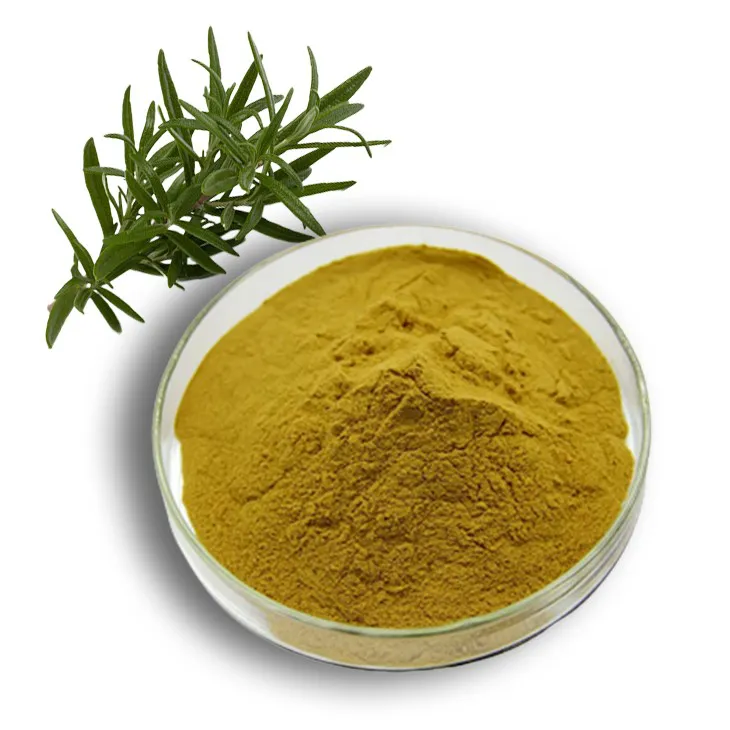
Hangzhou Greensky Biological Tech. Co., Ltd. illustrates the point. Established in 2004, the company has spent more than two decades specializing in active botanical ingredients, backed by a 100,000-class food-grade clean production area, no-radiation processing, and an independent laboratory equipped with GC, HPLC, and UV instrumentation. Its Rosemary extract line is produced under certifications including ISO22000, BRCGS, and the Ecocert Organic Standard, with export documentation prepared for global submissions. For formulators who value consistency and compliance as much as fragrance, that kind of infrastructure translates directly into fewer surprises in the lab and at audit time.
A practical check when you run trials
- Ask for the extraction method and the solvent status in writing; these two details drive most quality differences.
- Compare the color and odor of reference batches alongside the technical data sheet before locking in a source.
- Request stability and microbiological data if the ingredient will touch leave-on skin or hair applications.
- Confirm the certificate suite up front, so your downstream QA has what it needs without back-and-forth.
Rosemary is one of the most rewarding botanicals to work with, and with the right extraction and a dependable supplier, it can sit at the heart of a formulation you are proud to put on the shelf. Start with the targeted use case, let the method follow the formula, and keep the supplier's consistency front of mind; those three steps bring you most of the way to a successful launch.
TAGS:
- ▶ Hesperidin
- ▶ Citrus Bioflavonoids
- ▶ Plant Extract
- ▶ lycopene
- ▶ Diosmin
- ▶ Grape seed extract
- ▶ Sea buckthorn Juice Powder
- ▶ Fruit Juice Powder
- ▶ Hops Extract
- ▶ Artichoke Extract
- ▶ Mushroom extract
- ▶ Astaxanthin
- ▶ Green Tea Extract
- ▶ Curcumin
- ▶ Horse Chestnut Extract
- ▶ Other Product
- ▶ Boswellia Serrata Extract
- ▶ Resveratrol
- ▶ Marigold Extract
- ▶ Grape Leaf Extract
- ▶ New Product
- ▶ Aminolevulinic acid
- ▶ Cranberry Extract
- ▶ Red Yeast Rice
- ▶ Red Wine Extract
- ▶ blog
-
Mulberry Extract
2026-08-18
-
Red Wine Extract
2026-08-18
-
Konjac Powder
2026-08-18
-
Milk Thistle Extract
2026-08-18
-
Astaxanthin
2026-08-18
-
Resveratrol
2026-08-18
-
Passionflower Extract
2026-08-18
-
Longan Extract
2026-08-18
-
Beetroot Powder
2026-08-18
-
Liposomal NMN
2026-08-18