- 0086-571-85302990
- [email protected]






What is the active compound in berberis aristata extract?
2026-08-19
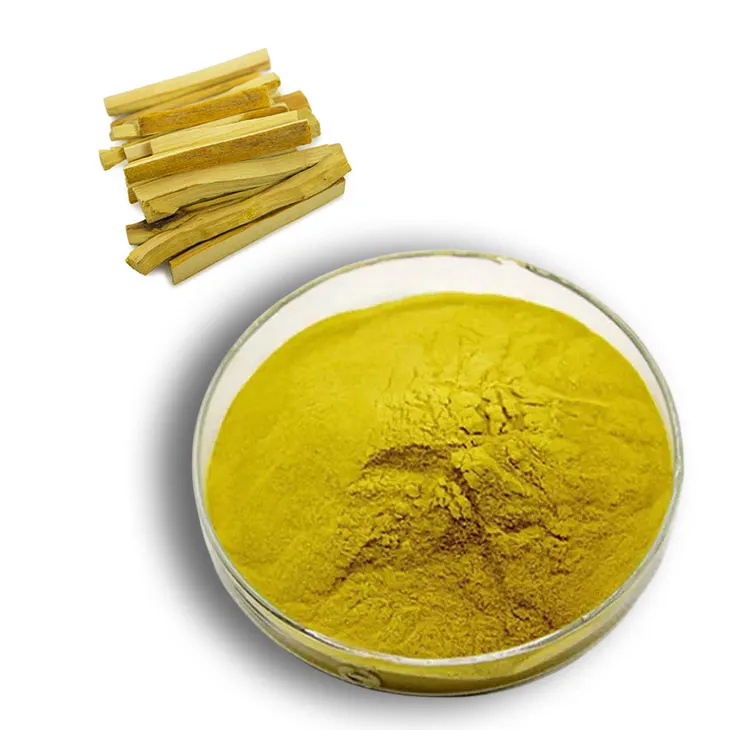
If you are sourcing botanical materials for supplements or health formulations, Berberis aristata Extract is a name that comes up again and again — and the question behind it is almost always the same: what is the active compound? The answer is straightforward yet important to get right: the primary active compound in Berberis aristata Extract is berberine, an isoquinoline alkaloid that drives most of the herb's documented biological activity.
Getting to Know Berberis aristata
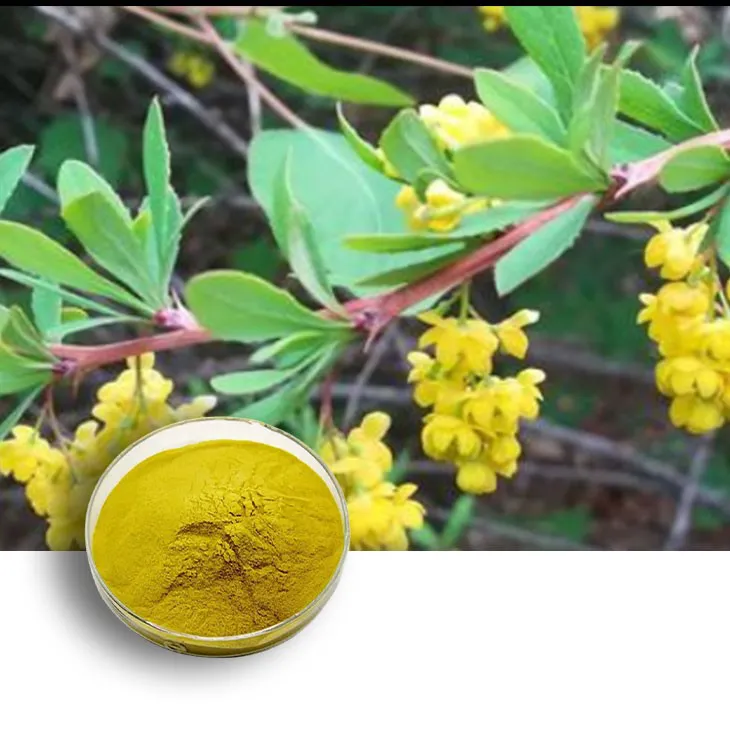
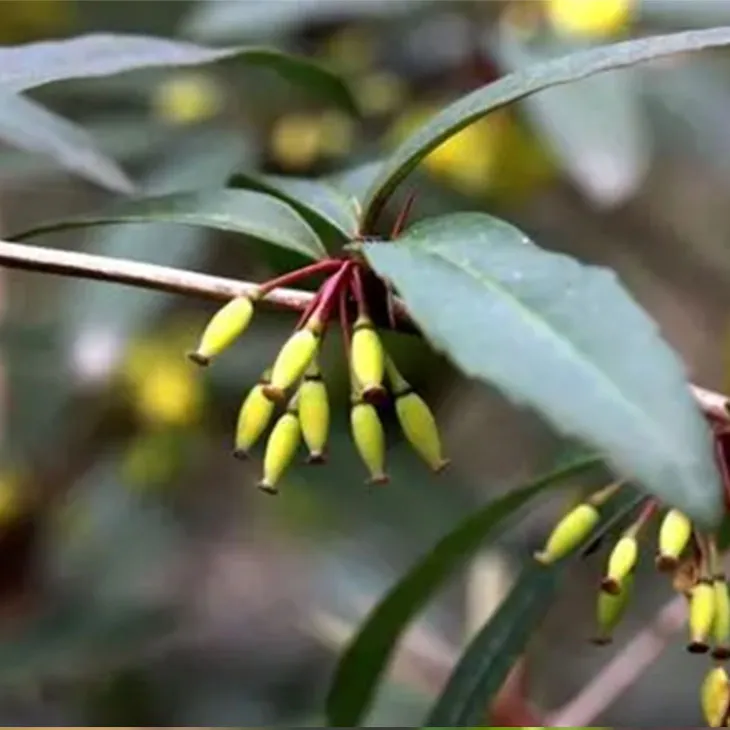
Berberis aristata, also known as Indian barberry or tree turmeric, is a thorny shrub native to the Himalayan regions of India, Nepal, and Sri Lanka. It has been a cornerstone of Ayurvedic practice for centuries, valued for digestion, infection, blood sugar, and liver support. Today it owes most of that reputation to berberine, which is concentrated mainly in the roots, stems, and bark of the plant.
Berberine: The Main Active Compound
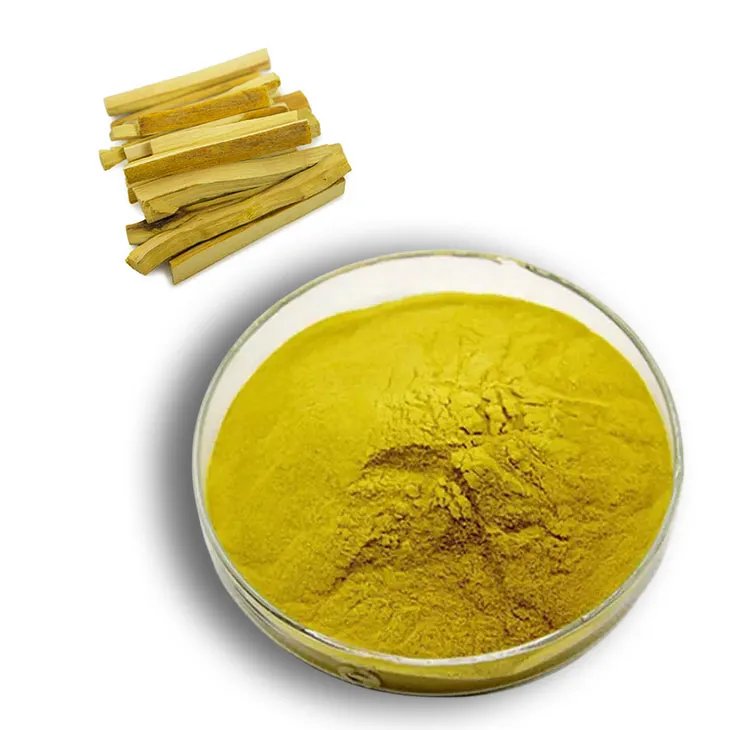
Berberine is a bitter-tasting isoquinoline alkaloid with the molecular formula C20H18NO4+. It is the compound that gives the plant's wood its bright yellow color. High-quality commercial extracts are typically standardized to 85–97% berberine content, which means that when you specify a Berberis aristata extract for a formulation, the berberine assay is the specification that really matters.
Why Berberine Works
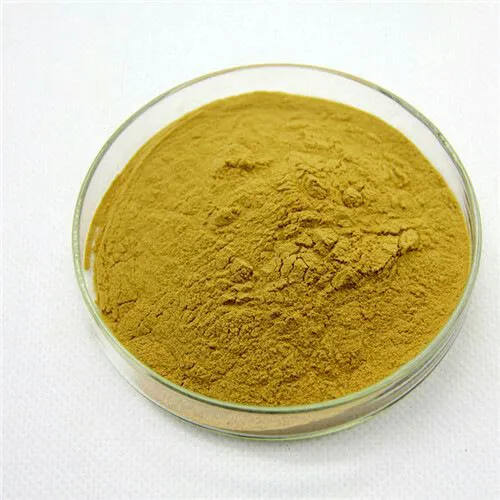
The most studied mechanism of berberine is the activation of AMPK — the same metabolic pathway targeted by the diabetes drug metformin. By activating AMPK, berberine supports glucose uptake in peripheral tissues, reduces hepatic glucose production, and helps modulate the gut microbiome. This single pathway underpins much of the herb's reputation for blood sugar and metabolic support, and it is routinely examined in clinical and preclinical trials.
Health Benefits Backing Berberine's Use
Berberine's activity is broad and multi-targeted, which is why supplement formulators value it so highly:
- Blood sugar and metabolic balance — AMPK activation and slowed carbohydrate digestion help moderate post-meal glucose spikes.
- Antimicrobial activity — berberine shows broad-spectrum action against bacteria, fungi, and gut pathogens.
- Digestive and gut support — its bitter action stimulates bile and digestive enzymes while helping balance gut microbiota.
- Anti-inflammatory and antioxidant effects — it inhibits inflammatory signaling such as NF-κB and helps neutralize oxidative stress.
- Liver support — AMPK activation in liver cells helps reduce fat accumulation and supports overall liver health.
Beyond Berberine: A Full-Spectrum Alkaloid Profile
While berberine is the star, Berberis aristata also contains other bioactive alkaloids — including palmatine, berbamine, oxyberberine, and others — along with tannins and flavonoids. This full-spectrum profile means the extract's total activity is greater than any single compound, a point formulators should keep in mind when comparing standardized versus whole-extract offerings.
What to Look for When Sourcing Berberis aristata Extract
For procurement teams, a reliable berberine supplier is defined by consistency, documentation, and verifiable quality. Because berberine content can vary widely depending on plant part and extraction method, always request a certificate of analysis that confirms the assay by HPLC. A trustworthy plant extract supplier will back that specification with in-house laboratory testing, clean production areas, and export-ready regulatory documentation.
When you choose to buy plant extracts from an experienced manufacturing partner, you get the full picture: standardized berberine content, documented purity, and supply security you can plan around.
The Bottom Line
The active compound in Berberis aristata extract is berberine, an isoquinoline alkaloid with well-documented metabolic, antimicrobial, digestive, and antioxidant activity. When sourcing, prioritize standardized, lab-verified material from a manufacturer with the certifications and control systems to guarantee every batch. That combination is what turns a simple extract into a dependable ingredient for your next formulation.
TAGS:
- ▶ Hesperidin
- ▶ Citrus Bioflavonoids
- ▶ Plant Extract
- ▶ lycopene
- ▶ Diosmin
- ▶ Grape seed extract
- ▶ Sea buckthorn Juice Powder
- ▶ Fruit Juice Powder
- ▶ Hops Extract
- ▶ Artichoke Extract
- ▶ Mushroom extract
- ▶ Astaxanthin
- ▶ Green Tea Extract
- ▶ Curcumin
- ▶ Horse Chestnut Extract
- ▶ Other Product
- ▶ Boswellia Serrata Extract
- ▶ Resveratrol
- ▶ Marigold Extract
- ▶ Grape Leaf Extract
- ▶ New Product
- ▶ Aminolevulinic acid
- ▶ Cranberry Extract
- ▶ Red Yeast Rice
- ▶ Red Wine Extract
- ▶ blog
-
Peppermint Extract Powder
2026-08-19
-
Cat Claw Extract
2026-08-19
-
Cayenne Pepper Extract
2026-08-19
-
Passionflower Extract
2026-08-19
-
Grape Seed Extract
2026-08-19
-
Phellodendron Extract
2026-08-19
-
Lavender Extract
2026-08-19
-
Fenugreek Extract Powder
2026-08-19
-
Selenium yeast
2026-08-19
-
Dan Shen Root Extract/Salvia Root Extract
2026-08-19
