- 0086-571-85302990
- [email protected]



Quercetin
1. Introduction
Quercetin (C₁₅H₁₀O₇) is one of the most abundant and extensively studied flavonoids in the plant kingdom. Found in onions, apples, capers, broccoli, tea, and red wine, this polyphenolic compound has been the subject of over 15,000 peer-reviewed scientific publications investigating its antioxidant, anti-inflammatory, immune-modulating, and cardioprotective properties.
As consumer interest in natural immune support and antioxidant protection has surged, Quercetin has become one of the fastest-growing flavonoid ingredients in the global dietary supplement market — with particular momentum following increased public awareness of immune health.
Hangzhou Greensky Biological Tech Co., Ltd — a professional natural plant extract manufacturer established in 2004 — offers premium standardized Quercetin extract (Quercetin Dihydrate ≥95%) from natural plant sources, backed by ISO22000, BRCGS, Ecocert Organic, and SGS-GMP certifications.
2. What Is Quercetin?
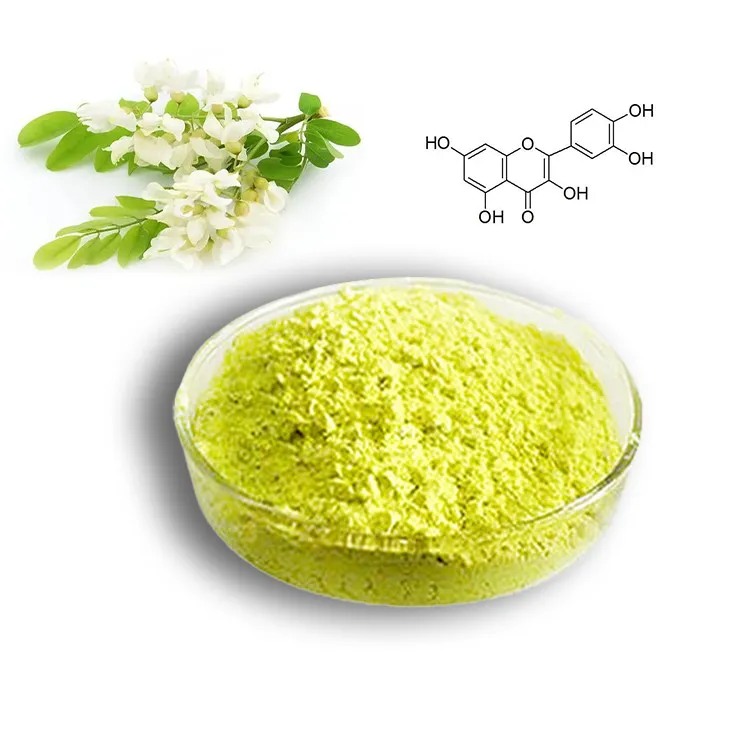
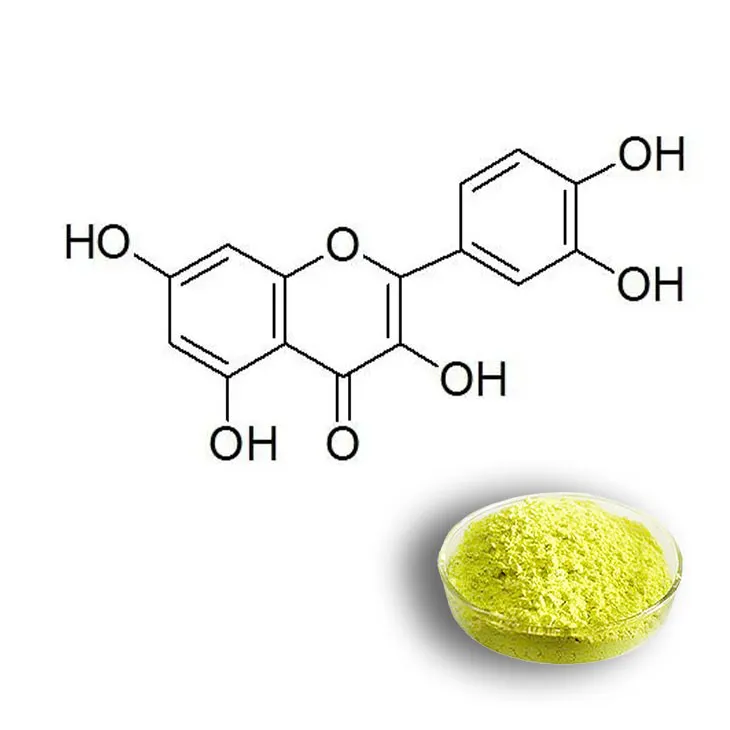
Quercetin is a flavonol — a subclass of flavonoids — that serves as one of the most potent natural antioxidants available. It belongs to the broader polyphenol family and is characterized by its distinctive three-ring chemical structure with multiple hydroxyl groups, which confer its remarkable free radical scavenging capacity.
2.1 Botanical & Compound Information
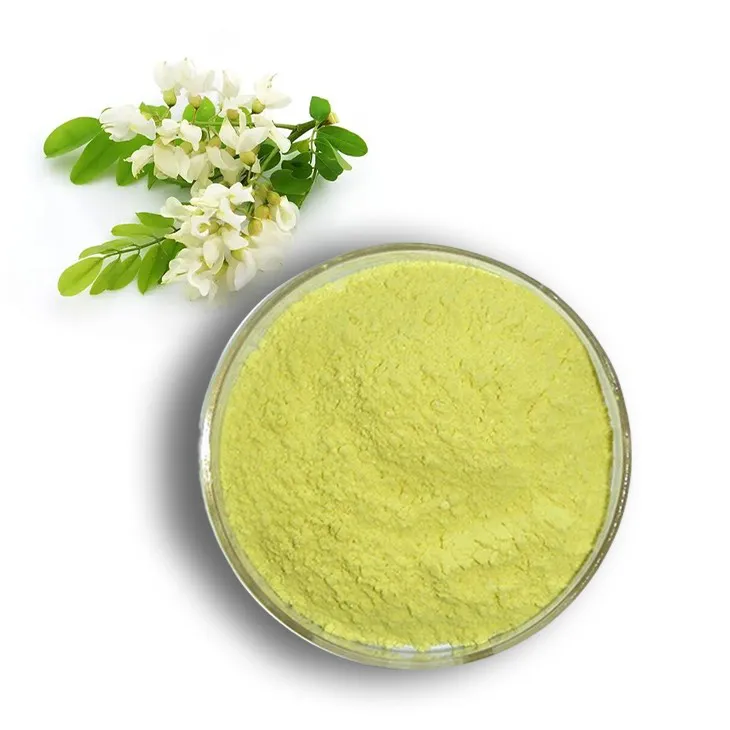
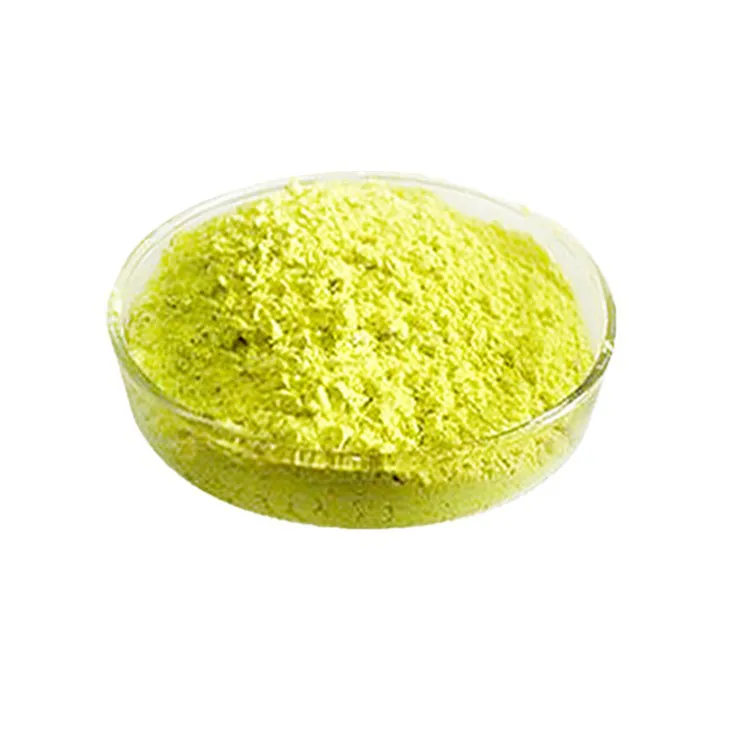
Item Details Chemical Name Quercetin (3,3',4',5,7-Pentahydroxyflavone) CAS Number 117-39-5 (anhydrous); 491-70-3 (dihydrate) Molecular Formula C₁₅H₁₀O₇ (anhydrous); C₁₅H₁₀O₇·2H₂O (dihydrate) Molecular Weight 302.24 g/mol (anhydrous); 338.27 g/mol (dihydrate) Classification Flavonol (flavonoid subclass) Appearance Yellow to greenish-yellow crystalline powder Solubility Poorly soluble in water; soluble in ethanol, DMSO Primary Plant Sources Sophora japonica (flower buds), onions, capers, apples, buckwheat, tea
2.2 Key Characteristics
Property Detail Antioxidant capacity One of the most potent dietary flavonoids; ORAC value significantly higher than vitamin C Bioavailability Generally low in free form; enhanced by formulation with lipids, piperine, or as quercetin phytosome Stability Relatively stable in dry form; sensitive to light and alkaline conditions in solution Safety profile GRAS status in the US; widely consumed in diet with excellent safety record
2.3 Standard Specifications
Specification Standard Quercetin (HPLC) ≥95.0% (Quercetin Dihydrate) Appearance Yellow to greenish-yellow fine powder Loss on Drying ≤6.0% (accounts for water of crystallization) Residue on Ignition ≤0.2% Heavy Metals ≤10 ppm Lead (Pb) ≤1.0 ppm Arsenic (As) ≤1.0 ppm Microbiological Total plate count <1,000 CFU/g; E. coli negative; Salmonella negative
2.4 Production Process
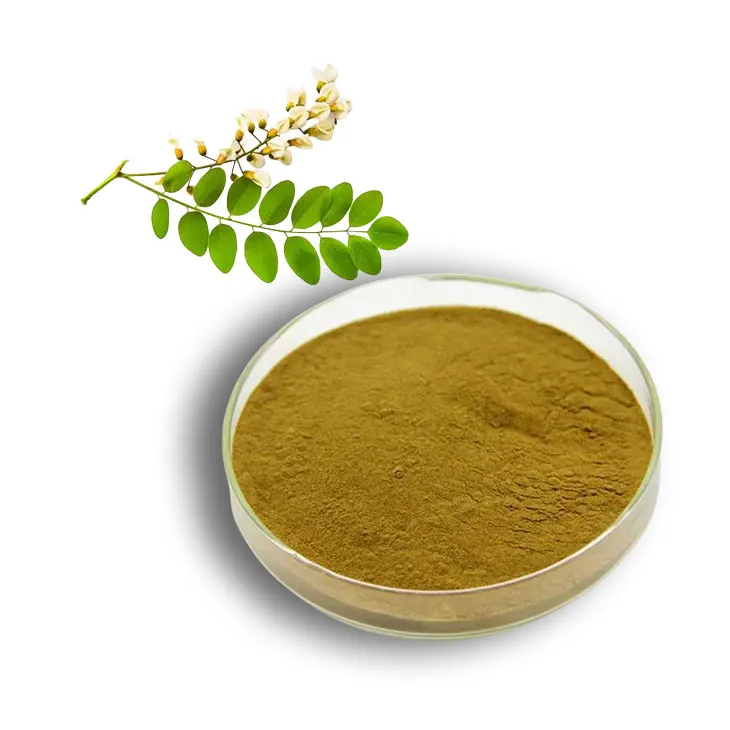
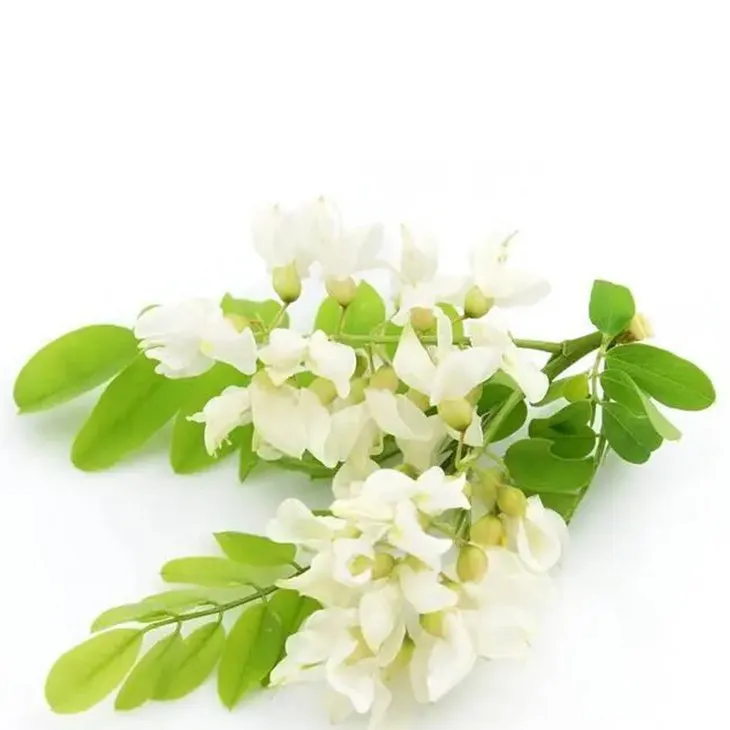
Raw Material Selection: Flower buds of Sophora japonica (Japanese pagoda tree) are the most common commercial source, selected for high quercetin (rutin) content. Onions and apples are also used for food-grade quercetin.
Extraction: The plant material is extracted using hot water or ethanol-water solvent systems to isolate quercetin glycosides (primarily rutin).
Hydrolysis: The rutin (quercetin-3-rutinoside) is hydrolyzed using acid or enzymatic methods to release free quercetin aglycone.
Purification: Multi-step purification including crystallization, filtration, and washing to achieve ≥95% purity.
Drying: The purified quercetin crystals are dried under controlled conditions to achieve the dihydrate form.
Milling & Sieving: Dried quercetin is milled to the desired particle size for optimal dispersibility.
Quality Testing: HPLC analysis for quercetin content, plus full safety panel testing.
2.5 Certificate of Analysis (Typical)
Test Item Result Specification Appearance Yellow fine powder Complies Quercetin (HPLC) 96.8% ≥95.0% Loss on Drying 5.2% ≤6.0% Residue on Ignition 0.1% ≤0.2% Heavy Metals <5 ppm ≤10 ppm Lead (Pb) <0.5 ppm ≤1.0 ppm Arsenic (As) <0.3 ppm ≤1.0 ppm Total Plate Count 500 CFU/g <1,000 CFU/g E. coli Negative Negative Salmonella Negative Negative
3. Core Benefits & Mechanisms of Action
3.1 Powerful Antioxidant Activity
Quercetin is widely recognized as one of the most potent dietary antioxidants.
Mechanism: Quercetin's chemical structure — featuring five hydroxyl groups and a C2-C3 double bond — makes it an exceptionally efficient free radical scavenger. It neutralizes reactive oxygen species (ROS) through:
Direct electron donation — quenching free radicals before they damage cellular components
Metal chelation — binding to transition metals (iron, copper) that catalyze free radical formation
Enzyme modulation — inhibiting pro-oxidant enzymes (xanthine oxidase, NADPH oxidase)
Antioxidant enzyme upregulation — indirectly supporting the body's own antioxidant defense systems
Scientific Support: Quercetin consistently ranks among the top flavonoids in ORAC (Oxygen Radical Absorbance Capacity) assays. Its antioxidant capacity is estimated to be 3-4 times greater than that of vitamin C on a molar basis (Free Radical Biology and Medicine, 1996).
3.2 Anti-Inflammatory Effects
Chronic, low-grade inflammation is a root cause of many modern diseases. Quercetin addresses inflammation at multiple levels:
NF-κB inhibition: Quercetin suppresses the NF-κB signaling pathway, a master switch for inflammatory gene expression (Biochemical Pharmacology, 2008).
COX and LOX inhibition: Quercetin inhibits both cyclooxygenase (COX-1, COX-2) and lipoxygenase (LOX) enzymes — the same enzyme families targeted by NSAID drugs — providing a natural anti-inflammatory approach.
Cytokine modulation: Reduces production of pro-inflammatory cytokines including TNF-α, IL-6, and IL-1β (Journal of Nutritional Biochemistry, 2009).
Histamine stabilization: Quercetin stabilizes mast cell membranes, reducing histamine release — making it relevant for allergic and inflammatory conditions.
3.3 Immune System Support
Quercetin has emerged as a key ingredient for natural immune support:
Antiviral activity: In vitro studies have demonstrated that quercetin can inhibit viral entry and replication of multiple virus families by interfering with viral spike protein binding and 3CL protease activity (Journal of Biomolecular Structure and Dynamics, 2020).
Zinc ionophore activity: Quercetin acts as a zinc ionophore — facilitating zinc transport into cells, where zinc exerts antiviral effects (Frontiers in Nutrition, 2020). This mechanism is similar to that of the drug hydroxychloroquine.
Immune cell modulation: Enhances natural killer (NK) cell activity and supports balanced T-cell responses.
Respiratory health: Quercetin's anti-inflammatory and antioxidant effects support healthy respiratory function, particularly during seasonal challenges.
3.4 Cardiovascular Health
Endothelial function: Quercetin improves endothelial nitric oxide production, supporting healthy blood vessel dilation (American Journal of Clinical Nutrition, 2010).
Blood pressure: Meta-analyses of randomized controlled trials have shown that quercetin supplementation (≥500 mg/day) produces modest but significant reductions in both systolic and diastolic blood pressure (PLOS ONE, 2016).
LDL oxidation: Quercetin protects LDL cholesterol from oxidative modification — a critical step in atherosclerosis development.
Platelet aggregation: Inhibits excessive platelet aggregation, supporting healthy blood flow.
3.5 Metabolic Health
Glucose metabolism: Quercetin may improve insulin sensitivity and reduce postprandial blood glucose spikes (Journal of Medicinal Food, 2014).
Adipose tissue modulation: Animal studies suggest quercetin may reduce fat accumulation and promote lipid metabolism.
Exercise performance: Some studies suggest quercetin supplementation may improve endurance performance by enhancing mitochondrial biogenesis (International Journal of Sport Nutrition and Exercise Metabolism, 2010).
3.6 Allergy & Respiratory Support
Natural antihistamine: Quercetin's mast cell-stabilizing properties make it a popular natural alternative for seasonal allergy support.
Respiratory inflammation: Reduces inflammation in respiratory tissues, supporting comfortable breathing.
Common combination: Frequently paired with bromelain (a pineapple-derived enzyme) to enhance quercetin absorption and provide complementary anti-inflammatory effects.
4. Wide-Ranging Applications
4.1 Immune Support Supplements
Quercetin is a core ingredient in the rapidly growing immune health category:
Immune defense capsules: Standalone quercetin or combined with vitamin C, zinc, and vitamin D3
Seasonal support formulas: Marketed for immune readiness during cold and flu season
Respiratory health supplements: Combined with NAC, bromelain, and elderberry
Capsules, tablets, softgels: Compatible with all standard supplement delivery formats
Recommended daily intake: 500-1,000 mg per day, typically divided into 2 doses
4.2 Antioxidant & Longevity Supplements
Daily antioxidant formulas: Core ingredient in broad-spectrum antioxidant blends
Cellular health supplements: Positioned for long-term cellular protection and healthy aging
Anti-aging formulations: Combined with resveratrol, pterostilbene, and NMN
4.3 Allergy & Respiratory Health
Natural allergy relief: Quercetin + bromelain + vitamin C is a classic allergy support combination
Respiratory comfort formulas: For seasonal respiratory wellness
Sinus support: Combined with butterbur, stinging nettle, and NAC
4.4 Sports Nutrition
Recovery supplements: Anti-inflammatory and antioxidant support for post-exercise recovery
Endurance formulas: Quercetin's potential effects on mitochondrial biogenesis make it relevant for endurance athletes
Joint health: Combined with Curcumin, boswellia, and glucosamine
4.5 Functional Foods & Beverages
Antioxidant beverages: Added to functional juices, teas, and wellness shots
Immune gummies: Quercetin is increasingly incorporated into gummy supplement formats
Fortified foods: Added to health bars, cereals, and snack products
4.6 Cosmetics & Personal Care
Anti-aging serums: Quercetin's antioxidant properties protect skin from environmental damage
Sun care formulations: Supports skin's natural defense against UV-induced oxidative stress
Anti-redness products: Anti-inflammatory effects support skin comfort and even tone
5. Key Factors in Choosing a Quality Quercetin Supplier
5.1 Purity & Source Verification
Quercetin should be verified at ≥95% purity by HPLC. The source plant matters:
Sophora japonica: Most common commercial source; high rutin content enables efficient quercetin extraction
Onion skin: Food-grade source; lower concentration but "whole food" positioning
Apple extract: Premium food-grade source; lower yield, higher cost
5.2 Bioavailability Enhancement
Quercetin has naturally poor water solubility and limited bioavailability. Quality suppliers offer:
Standard quercetin dihydrate (≥95%) — for capsule and tablet applications
Quercetin phytosome — complexed with phospholipids for enhanced absorption (2-3x improvement)
Liposomal quercetin — encapsulated in lipid vesicles for maximum bioavailability
Micronized quercetin — reduced particle size for improved dispersibility
At Greensky Bio, we can supply standard quercetin dihydrate as well as advise on bioavailability-enhanced formats through our formulation partners.
5.3 The Quercetin + Bromelain Combination
One of the most commercially successful quercetin formulations combines it with bromelain:
Component Role Typical Ratio Quercetin Primary antioxidant & immune support 500 mg Bromelain Enhances quercetin absorption + complementary anti-inflammatory 150-250 mg (2,000-2,400 GDU/g) Vitamin C (optional) Synergistic antioxidant + immune support 100-250 mg
This combination is the gold standard in the natural allergy and immune support category.
5.4 Supplier Qualifications
When evaluating a quercetin supplier, verify:
HPLC-verified purity (≥95% quercetin dihydrate)
GMP manufacturing (SGS-GMP or equivalent)
Food safety certifications (ISO22000, BRCGS, HACCP)
Heavy metals and pesticide residue testing on every batch
Plant source documentation (Sophora japonica, onion, etc.)
Stability studies demonstrating shelf-life claims
5.5 Why Greensky Bio?
Advantage Detail 20+ years of experience Established in 2004; deep expertise in flavonoid extraction Full quality certifications ISO22000, BRCGS, Ecocert Organic, SGS-GMP, FDA registered Multiple sources available Sophora japonica (primary), onion skin, apple extract options High purity (≥95%) HPLC-verified quercetin dihydrate Custom formulations Can supply pre-formulated quercetin + bromelain blends Global supply capability Consistent year-round production with reliable lead times Third-party testing Every batch tested by independent laboratories
6. About Greensky Bio
Hangzhou Greensky Biological Tech Co., Ltd has been a leading manufacturer of natural plant extracts since 2004. With over two decades of experience, we specialize in:
Research & Development: Our in-house R&D center continuously develops new extraction methods, standardized specifications, and application-specific formulations for flavonoids and polyphenols.
Quality Control: Every batch undergoes rigorous testing for active compounds, heavy metals, pesticides, and microbiological safety — at our facility and through independent third-party labs.
Customization: We offer custom standardization, particle size adjustment, proprietary blend formulation (including quercetin + bromelain pre-blends), and encapsulation services.
Global Compliance: Our products meet the regulatory standards of the US FDA, European Food Safety Authority (EFSA), and other international bodies.
Sustainable Sourcing: We prioritize sustainably sourced raw materials, with full traceability from plant source to finished extract.
7. Conclusion & Call to Action
Quercetin — one of nature's most potent flavonoid antioxidants — offers a uniquely broad spectrum of health-supporting properties: from powerful free radical neutralization and multi-pathway anti-inflammatory action to immune enhancement, cardiovascular support, and respiratory health. With over 15,000 published scientific studies, quercetin stands as one of the most evidence-backed natural ingredients available to the supplement industry.
As consumer demand for natural immune support and antioxidant protection continues to grow, quercetin remains one of the most versatile and commercially viable botanical ingredients for supplement brands worldwide.
If you are interested in Quercetin, contact us today for the latest pricing and free samples.
High purity (≥95%) quercetin dihydrate, HPLC-verified
Multiple plant source options (Sophora japonica, onion, apple)
Full COA, third-party testing, and regulatory documentation available
Custom specifications, pre-blends (quercetin + bromelain), and private labeling supported
Free samples for qualified inquiries
Our expert team is ready to provide technical support, customized solutions, and competitive pricing for your quercetin needs.
Email: [email protected] Website: www.greenskybio.com
8. Frequently Asked Questions (FAQ)
Q1: What is the difference between quercetin and rutin?
A: Rutin is quercetin bound to a sugar molecule (rutinoside) — it's a quercetin glycoside. Quercetin (aglycone) is the active form without the sugar attachment. Rutin must be hydrolyzed in the body to release free quercetin. Supplements typically use quercetin aglycone for more direct bioavailability.
Q2: What is the recommended daily dose of quercetin?
A: Typical supplemental doses range from 500-1,000 mg per day, usually divided into two doses. For immune support during seasonal challenges, 500 mg twice daily is common. For general antioxidant support, 250-500 mg daily may be sufficient.
Q3: Does quercetin have any drug interactions?
A: Quercetin may interact with certain medications, including blood thinners (warfarin), antibiotics (fluoroquinolones), and chemotherapy drugs. Users on prescription medications should consult their healthcare provider before supplementing with quercetin.
Q4: Why is quercetin often combined with bromelain?
A: Bromelain enhances quercetin's absorption in the gastrointestinal tract and provides complementary anti-inflammatory and proteolytic (protein-digesting) effects. This combination is the gold standard in natural allergy and respiratory health supplements.
Q5: Is quercetin safe for long-term use?
A: Quercetin has GRAS (Generally Recognized as Safe) status in the United States and has been consumed in the human diet for millennia through fruits and vegetables. Clinical studies using doses up to 1,000 mg/day for extended periods have not reported significant adverse effects.
Q6: Can you provide quercetin in pre-blended formulations?
A: Yes. Greensky Bio can provide custom pre-blends, including quercetin + bromelain, quercetin + vitamin C, and other proprietary combinations tailored to your product requirements.