- 0086-571-85302990
- [email protected]






What are the commercial sources of curcumin?
2026-08-13
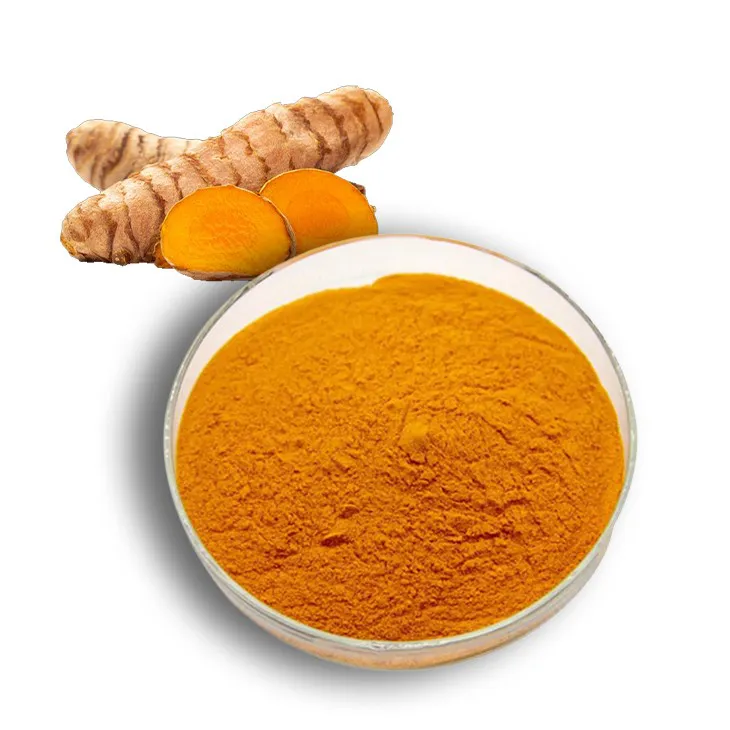
Curcumin, the bright yellow polyphenol that gives turmeric its color, has become one of the most sought-after botanical ingredients in the nutraceutical and functional food industries. For procurement teams and formulation specialists, the practical question is rarely about its benefits and more about a simple one: where does commercial Curcumin actually come from, and which Curcumin Supplier can deliver the quality and purity your product needs?
Understanding the commercial sources of Curcumin helps buyers make informed sourcing decisions, compare suppliers on an equal footing, and avoid the quality pitfalls that are common in this category. This article breaks down the main production routes, the key producing regions, and what to look for in a reliable partner.
The Main Commercial Route: Phytoextraction from Turmeric
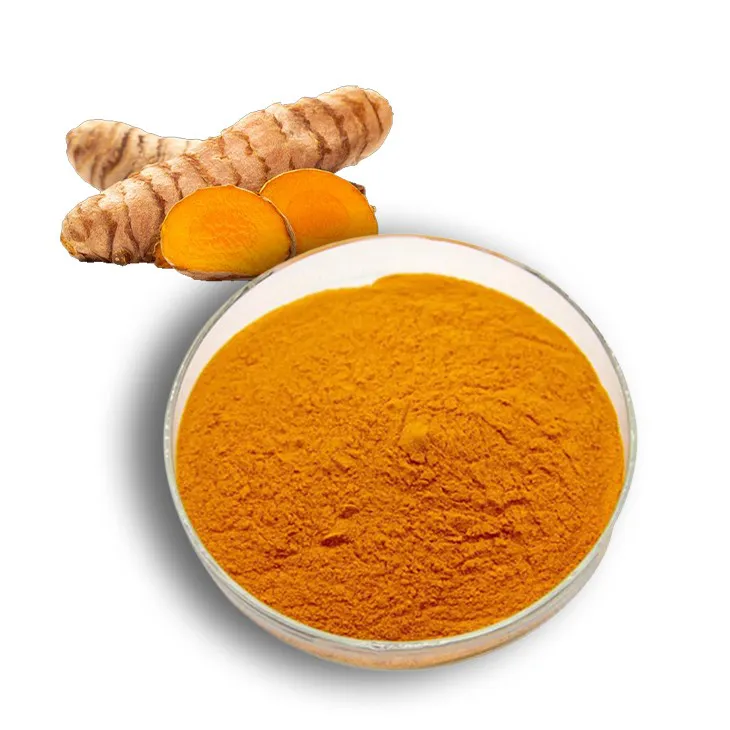
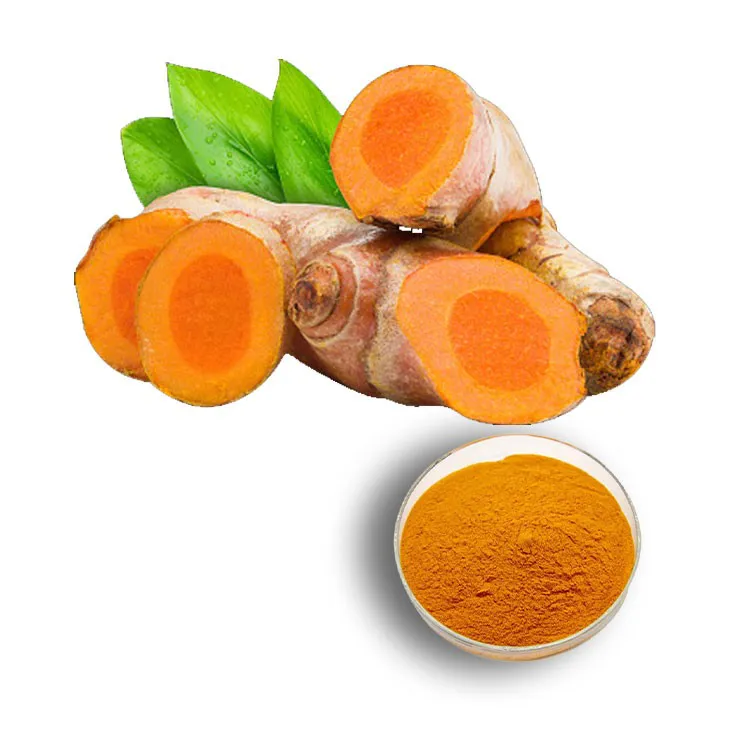
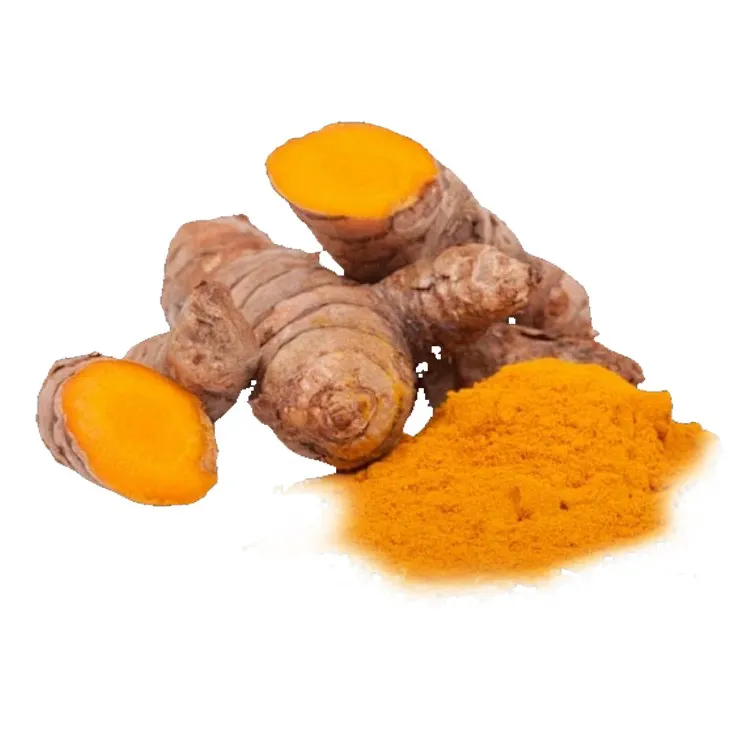
The dominant commercial source of curcumin is phytoextraction from the rhizome of Curcuma longa L., the turmeric plant. This route remains the industry mainstay because it preserves the natural profile of curcuminoids, which include curcumin, demethoxycurcumin, and bisdemethoxycurcumin, and it aligns with consumer preference for natural ingredients. Turmeric is grown widely across tropical and subtropical regions, with India and China ranking among the world's largest producers and exporters of both raw turmeric and purified Curcumin Extracts.
The extraction process normally begins with cleaning and drying premium turmeric rhizomes, followed by extraction using methods such as conventional solvent extraction, microwave-assisted extraction, ultrasonic-assisted extraction, or supercritical fluid extraction. Each method balances yield, cost, and purity differently. After extraction, the product is purified and often standardized to a specific curcuminoid content, commonly 95% total curcuminoids for nutraceutical use, before being processed into powder for use in capsules, tablets, beverages, and cosmetics.
Alternative Routes: Chemical Synthesis and Microbial Biosynthesis
Beyond plant extraction, commercial curcumin can also be produced through chemical synthesis and, more recently, microbial biosynthesis. Chemical synthesis offers a route to highly consistent material but is generally more expensive and carries a larger environmental footprint than natural extraction. Microbial biosynthesis, in which microorganisms are engineered to produce curcumin, is an emerging and promising technology, yet it is still maturing and has not displaced phytoextraction for most commercial applications. For the vast majority of food, supplement, and cosmetic products, high-quality curcumin sourced from turmeric remains the preferred, cost-effective choice.
Where Commercial Curcumin Is Produced
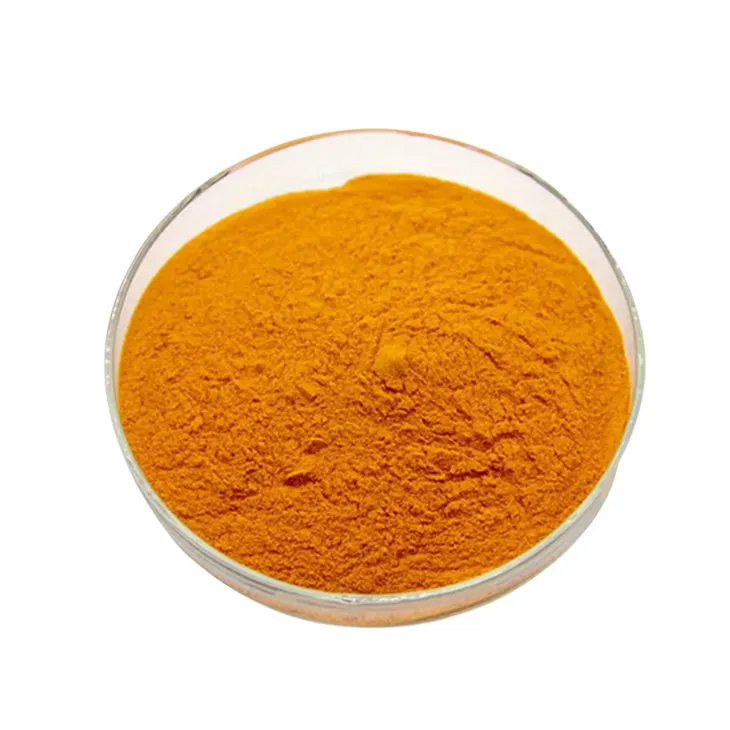
Geographically, the commercial supply of curcumin is concentrated in South and East Asia. India dominates raw turmeric cultivation, while China has built a strong position as a leading producer and exporter of processed Curcumin Extracts and standardized botanical ingredients. For overseas buyers in North America, Europe, and other regulated markets, sourcing from an experienced Chinese manufacturer offers a practical balance of purity specifications, certification coverage, and cost competitiveness. When you consider China Curcumin supply options, the key is to select a partner with verifiable production and quality systems rather than making a decision on price alone.
What To Look For in a Commercial Curcumin Supplier
Because curcumin is naturally low in water solubility and bioavailability, the quality of the raw material and the manufacturing process matter enormously. When evaluating sources, buyers should verify the curcuminoid content and purity specification, confirm that the extract is produced without extraneous solvent residues, and check that the supplier maintains recognized food-safety and quality certifications. Reliable partners should also be able to provide full export documentation to support regulatory submissions in your target market.
Why Greensky Is a Reliable Source
Hangzhou Greensky Biological Tech. Co., Ltd. has specialized in natural plant extracts since 2004, with more than 20 years of experience in researching, developing, and producing active botanical ingredients. The company operates an integrated group with wholly-owned production facilities, including a 100,000-class clean production area that meets food-grade requirements, and an independent laboratory equipped with GC, HPLC, and UV instruments for reliable quality control.
Greensky supplies curcumin standardized for curcuminoid content and offers supporting certifications including ISO22000, BRCGS, SGS-GMP, ISO9001, HALAL, and Kosher. With export value reaching nearly 30 million USD in 2023 and established markets in Europe, the United States, South Korea, and Russia, the company brings the documentation, regulatory readiness, and supply consistency that serious buyers require. Whether you need pure curcumin for a supplement formulation or a standardized turmeric extract for food applications, Greensky's vertically integrated operation can deliver from source to specification.
The commercial sources of curcumin are ultimately defined by raw turmeric production, extraction technology, and manufacturing quality. By understanding these factors and partnering with a manufacturer that controls the process from plant to finished extract, you can secure a consistent, high-quality supply that supports your product's success.
TAGS:
- ▶ Hesperidin
- ▶ Citrus Bioflavonoids
- ▶ Plant Extract
- ▶ lycopene
- ▶ Diosmin
- ▶ Grape seed extract
- ▶ Sea buckthorn Juice Powder
- ▶ Fruit Juice Powder
- ▶ Hops Extract
- ▶ Artichoke Extract
- ▶ Mushroom extract
- ▶ Astaxanthin
- ▶ Green Tea Extract
- ▶ Curcumin
- ▶ Horse Chestnut Extract
- ▶ Other Product
- ▶ Boswellia Serrata Extract
- ▶ Resveratrol
- ▶ Marigold Extract
- ▶ Grape Leaf Extract
- ▶ New Product
- ▶ Aminolevulinic acid
- ▶ Cranberry Extract
- ▶ Red Yeast Rice
- ▶ Red Wine Extract
- ▶ blog
-
Tamarind extract powder
2026-08-13
-
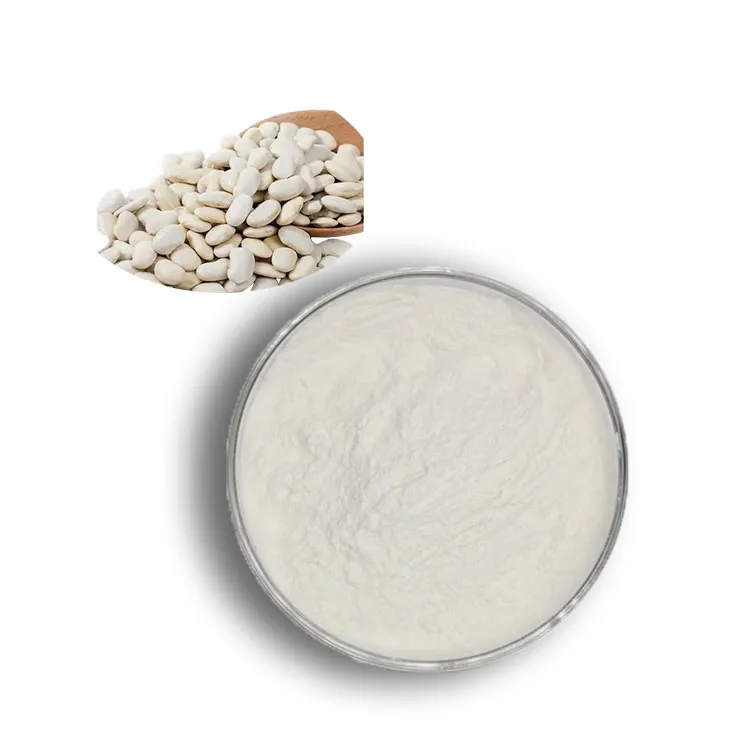
Kidney Bean Extract
2026-08-13
-
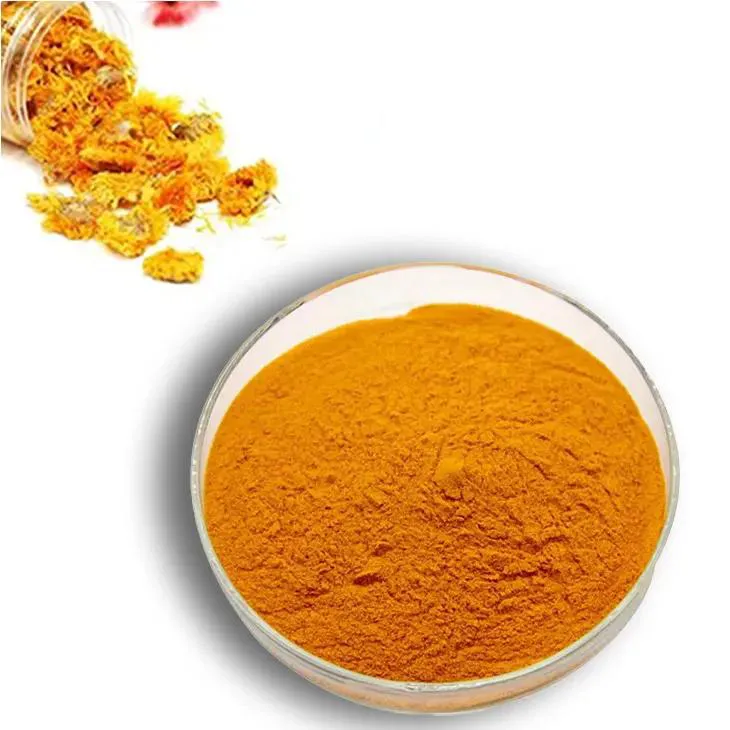
Marigold Extract
2026-08-13
-
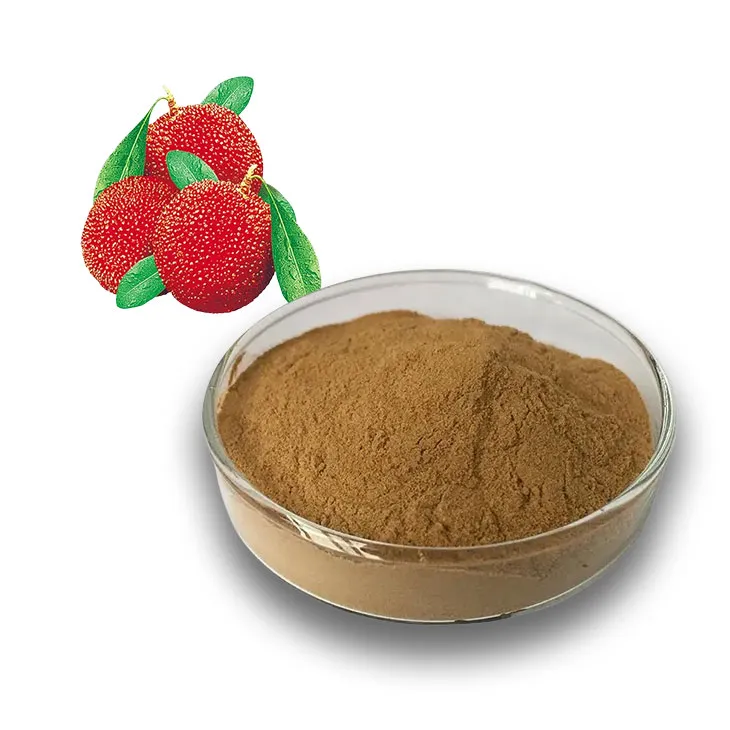
Bayberry Extract
2026-08-13
-
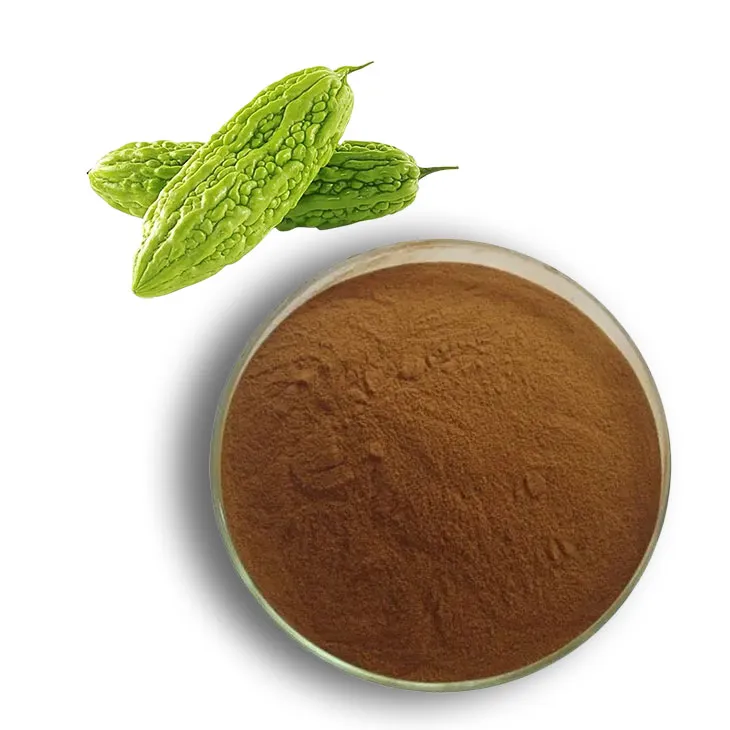
Bitter Melon Extract
2026-08-13
-
Purple Sweet Potato Extract
2026-08-13
-
Elderberry Extract
2026-08-13
-
Liposomal Berberine HCl
2026-08-13
-
Apricot Powder
2026-08-13
-
Lycopene
2026-08-13
