- 0086-571-85302990
- [email protected]






How does a quercetin supplement support immunity?
2026-08-17
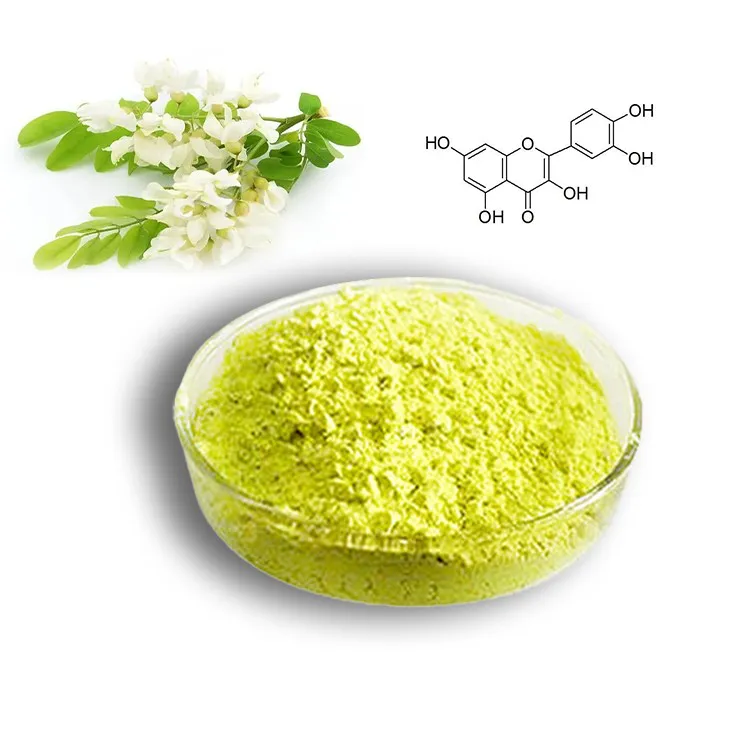
Quercetin is one of the most abundant flavonoids in the human diet, found naturally in apples, onions, berries, grapes, tea, broccoli and many other plant foods. Beyond giving these foods their rich color, this plant compound has drawn growing attention for its role in supporting the body’s immune defenses. But how does a Quercetin supplement actually support immunity? In this article, we look at the science behind Quercetin and immune health, explain what to consider when choosing a supplement, and share practical guidance for both consumers and manufacturers.
What Is Quercetin?
Quercetin is a naturally occurring flavonoid found widely in fruits, vegetables, leaves and grains. It belongs to a class of plant pigments known as flavonols, and it is best known as a powerful antioxidant that neutralizes free radicals and reduces oxidative stress. Because of these properties, quercetin is widely used in dietary supplements and functional foods.
Although a balanced diet provides some quercetin, typical daily intake is fairly modest. Estimates in the United States and China put average consumption at roughly 13–18 mg per day, which is far below the amounts used in most supplement studies. This is one reason many people turn to a concentrated quercetin supplement to reach higher, more targeted levels.
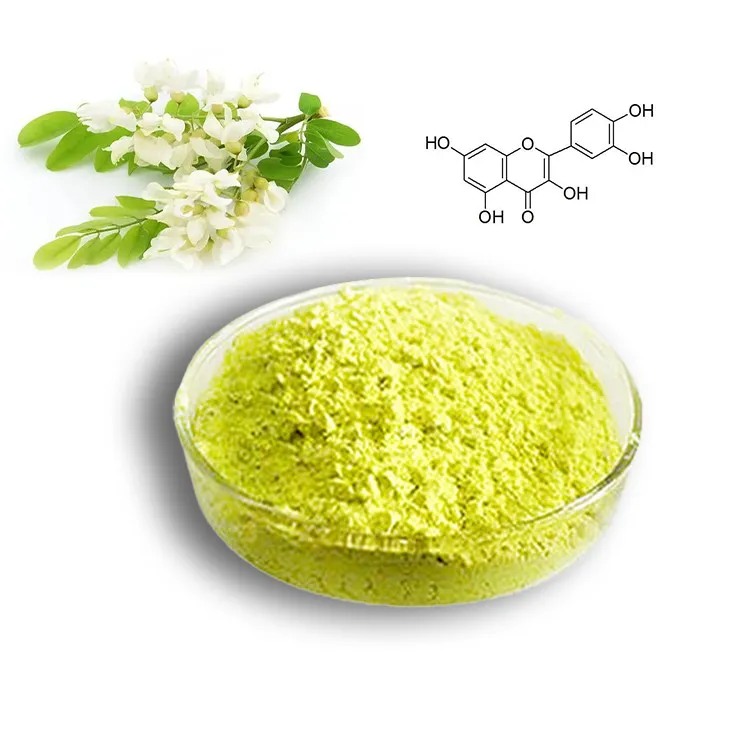
How Does Quercetin Support Immunity?
The immune system is a complex network of cells, signals and barriers that work together to defend the body. Quercetin supports this system through several complementary mechanisms.
1. Antioxidant Protection for Immune Cells
Immune cells generate reactive oxygen species as part of their normal defense activity, but when free radicals build up faster than the body can neutralize them, oxidative stress can impair immune function. As a potent antioxidant, quercetin helps neutralize free radicals and reduce oxidative stress, protecting immune cells so they can respond quickly and efficiently.
2. Supporting a Balanced Inflammatory Response
Inflammation is a normal part of the immune response, but it needs to stay in balance. Research published in the peer-reviewed journal Nutrients found that quercetin can influence the balance of T-helper cells, increasing the expression of Th1-derived interferon-gamma (IFN-γ) while down-regulating Th2-derived interleukin-4 (IL-4). In plain terms, quercetin helps keep the immune response balanced and supports a healthy inflammatory response rather than an overreactive one.
3. Supporting Key Immune Cells
Quercetin has been shown to support the activity of natural killer (NK) cells and macrophages, the frontline cells that recognize and respond to potential threats. By supporting the function of these cells, quercetin helps the body mount a faster and more coordinated defense.
4. Antiviral and Anti-Allergic Effects
In laboratory studies, quercetin has demonstrated antiviral activity against a range of viruses. It also acts as a natural mast cell stabilizer, helping to reduce the release of histamine and other mediators involved in allergic reactions. This dual action is why quercetin is a popular ingredient in seasonal wellness formulas, often paired with other botanicals such as echinacea extract.
Bioavailability: Why Formulation Matters
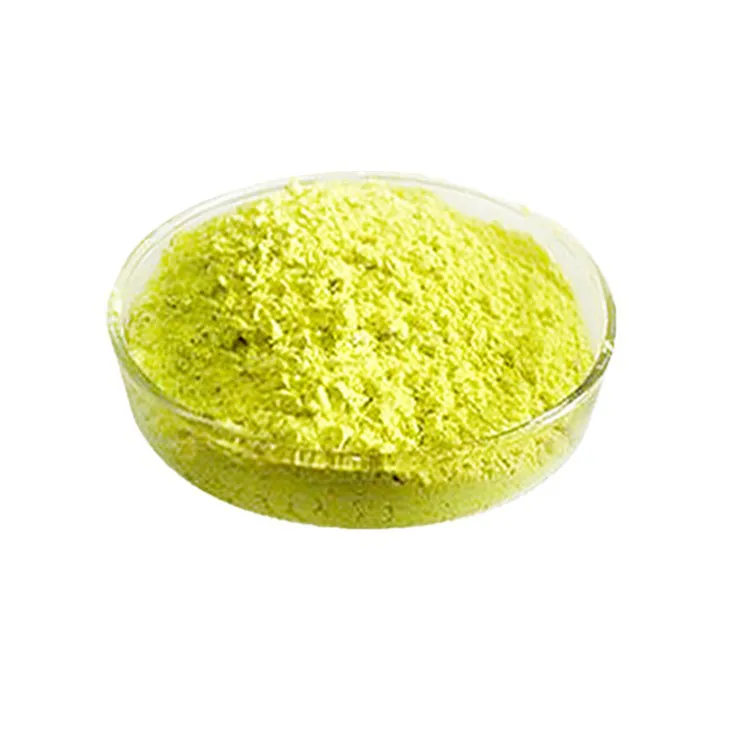
One of the challenges with quercetin is its relatively low oral bioavailability. The aglycone form is poorly soluble in water, and research suggests that only a fraction of an oral dose reaches the bloodstream. This is why formulation matters: many quality supplements combine quercetin with vitamin C, bromelain, or phospholipid-based delivery systems to improve absorption. When sourcing raw materials, purity, particle size and the form of quercetin (aglycone versus glycoside) all influence how the final product performs.
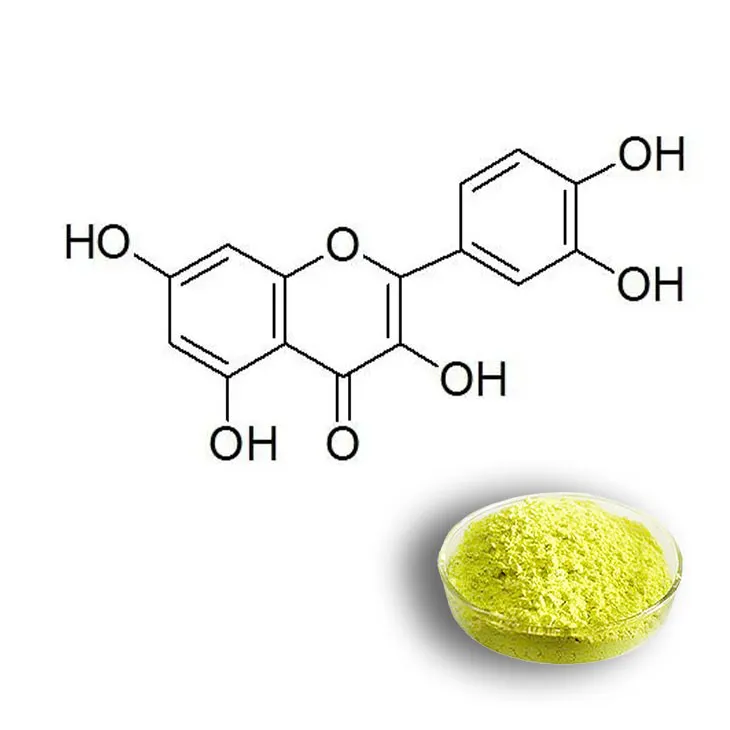
Choosing a Quality Quercetin Supplement
For consumers, the quality of a quercetin supplement comes down to the raw material behind it. Look for products made by manufacturers with transparent sourcing, independent testing and clear documentation of purity and potency.
For supplement brands and formulators, working with a reliable plant extract supplier is the foundation of an effective product. A professional manufacturer with over 20 years of experience, an independent laboratory equipped with HPLC and GC, and certifications such as ISO22000, BRCGS, HALAL and Kosher can provide quercetin and a wide range of plant extract ingredients with verified quality and full documentation for regulatory submissions.
Dosage and Safety Considerations
Quercetin is generally well tolerated when taken as directed. Common supplement doses in research range from 500 to 1000 mg per day, often divided into two servings. As with any supplement, it is wise to consult a healthcare professional before starting, especially for pregnant or nursing women and for anyone taking prescription medication.
Frequently Asked Questions
Can I get enough quercetin from food alone?
Foods such as onions, apples, capers, berries and tea are good sources, but typical daily intake is only about 13–18 mg. Supplement studies generally use much higher amounts, which is why a concentrated supplement is often used to reach meaningful levels.
How long does it take for quercetin to support immunity?
Quercetin is not an instant fix. Consistent daily use over several weeks is typically needed to see noticeable benefits, and results can vary from person to person depending on diet, lifestyle and overall health.
Is quercetin safe to take every day?
Quercetin is generally considered safe at common supplement doses, but it is always best to follow the dosage on the product label and check with a healthcare professional if you have any concerns or underlying conditions.
What should I look for in a quercetin supplement?
Look for products with clearly stated purity and potency, independent third-party testing, and transparent sourcing. For brands, choosing a certified manufacturer with full documentation makes quality control much easier.
The Bottom Line
Quercetin is a versatile flavonoid with a growing body of evidence supporting its role in immune health, from antioxidant protection and balanced inflammatory responses to support for key immune cells. Whether you are a consumer choosing a daily supplement or a brand sourcing high-quality raw materials, understanding how quercetin works is the first step.
For manufacturers and formulators looking for a dependable plant extract supplier, Greensky offers certified quercetin and a broad catalog of botanical extracts backed by more than two decades of production experience. Contact the team at [email protected] to discuss your requirements.
TAGS:
- ▶ Hesperidin
- ▶ Citrus Bioflavonoids
- ▶ Plant Extract
- ▶ lycopene
- ▶ Diosmin
- ▶ Grape seed extract
- ▶ Sea buckthorn Juice Powder
- ▶ Fruit Juice Powder
- ▶ Hops Extract
- ▶ Artichoke Extract
- ▶ Mushroom extract
- ▶ Astaxanthin
- ▶ Green Tea Extract
- ▶ Curcumin
- ▶ Horse Chestnut Extract
- ▶ Other Product
- ▶ Boswellia Serrata Extract
- ▶ Resveratrol
- ▶ Marigold Extract
- ▶ Grape Leaf Extract
- ▶ New Product
- ▶ Aminolevulinic acid
- ▶ Cranberry Extract
- ▶ Red Yeast Rice
- ▶ Red Wine Extract
- ▶ blog
-
Honeysuckle Pollen
2026-08-17
-

Lion's Mane Mushroom Extract
2026-08-17
-
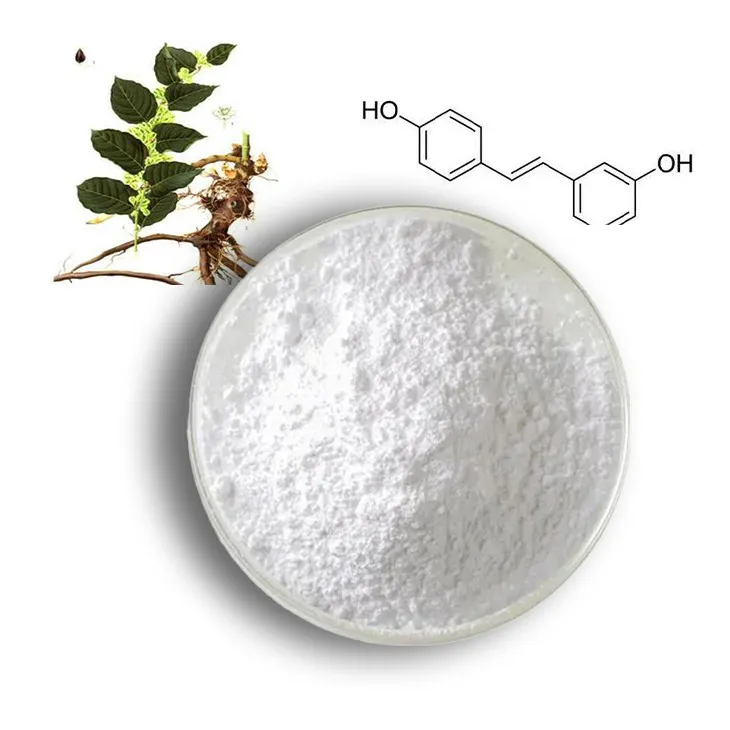
Resveratrol
2026-08-17
-
Clove Powder
2026-08-17
-
Passionflower Extract
2026-08-17
-
Gynostemma pentaphyllum extract
2026-08-17
-
Coconut Water Powder
2026-08-17
-
Moringa powder
2026-08-17
-
Echinacea Extract
2026-08-17
-
Baobab Fruit Extract
2026-08-17
