- 0086-571-85302990
- [email protected]





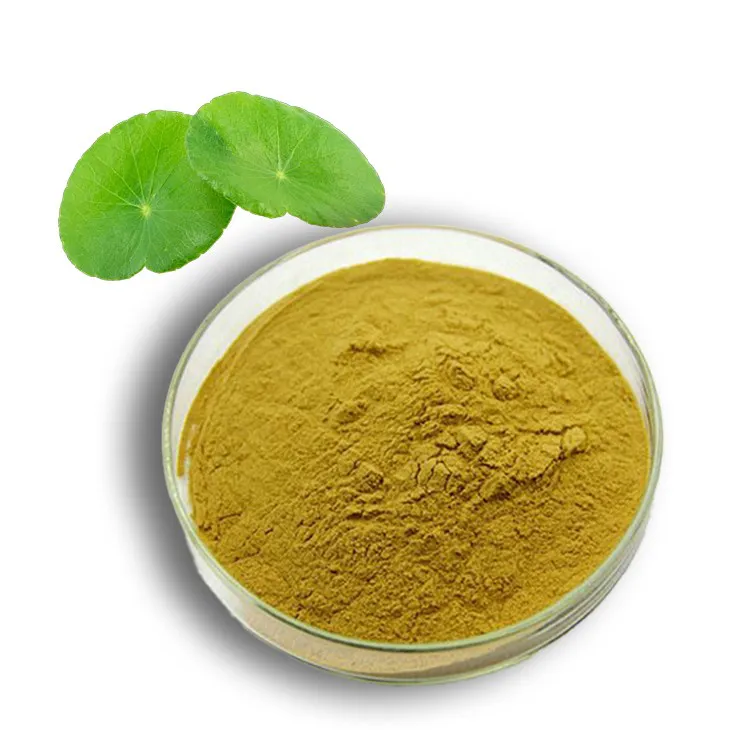
Gynostemma pentaphyllum extract
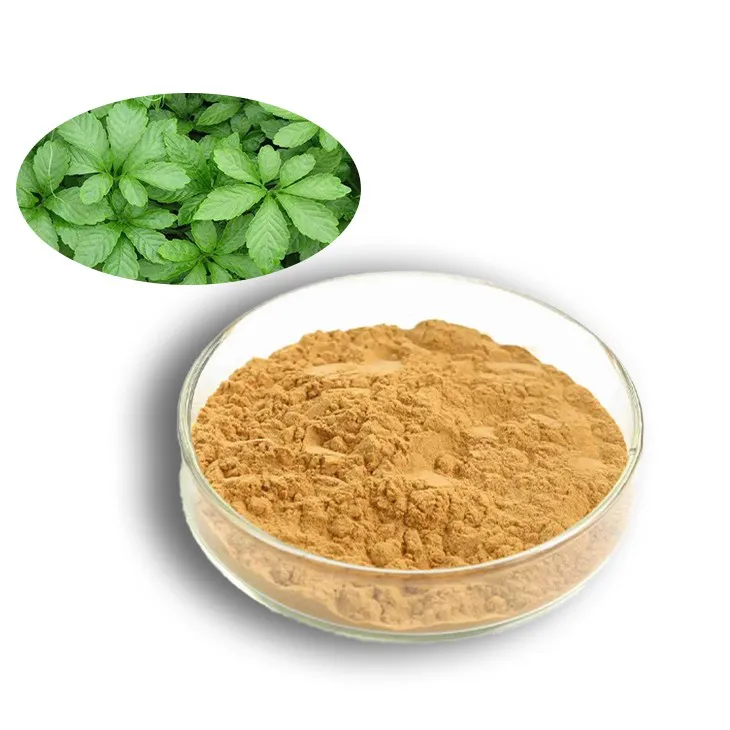
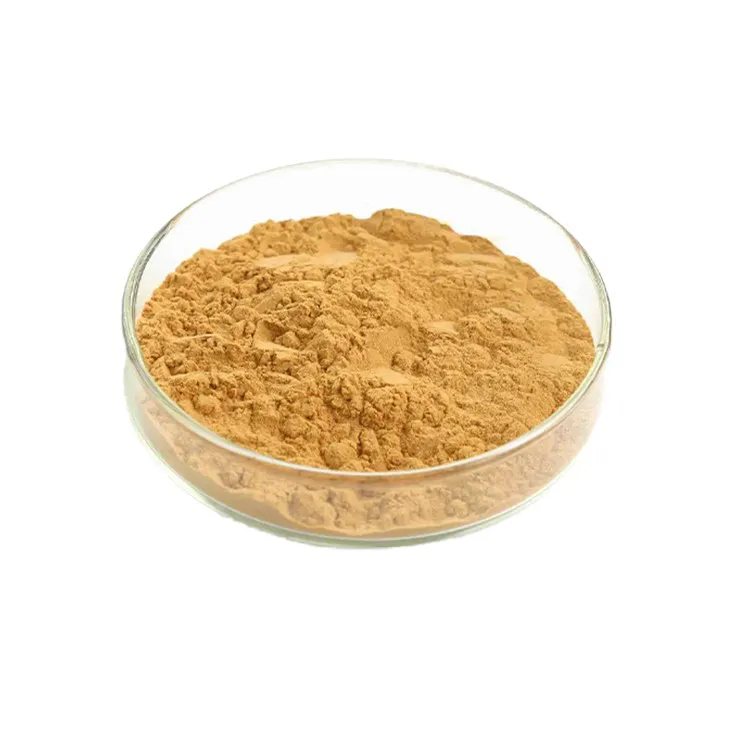
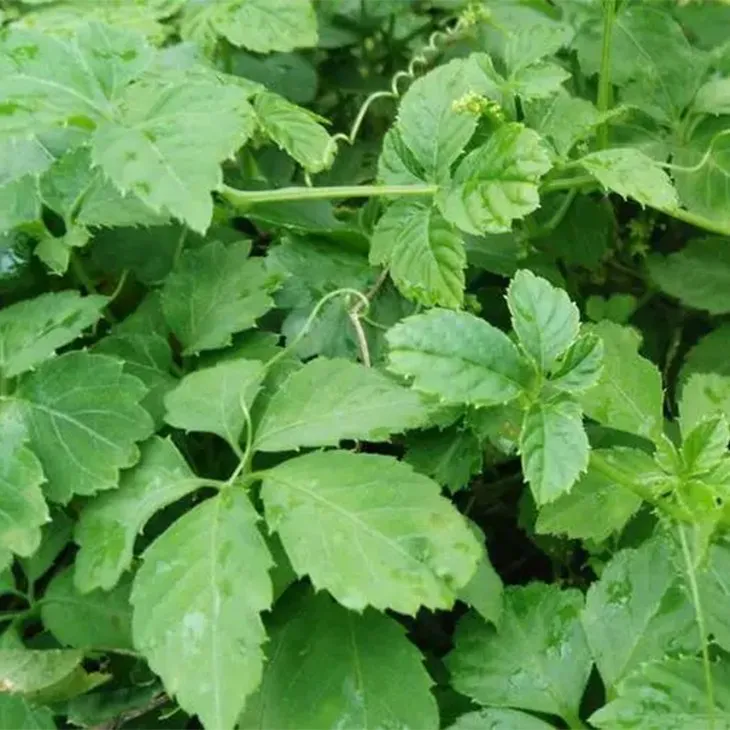
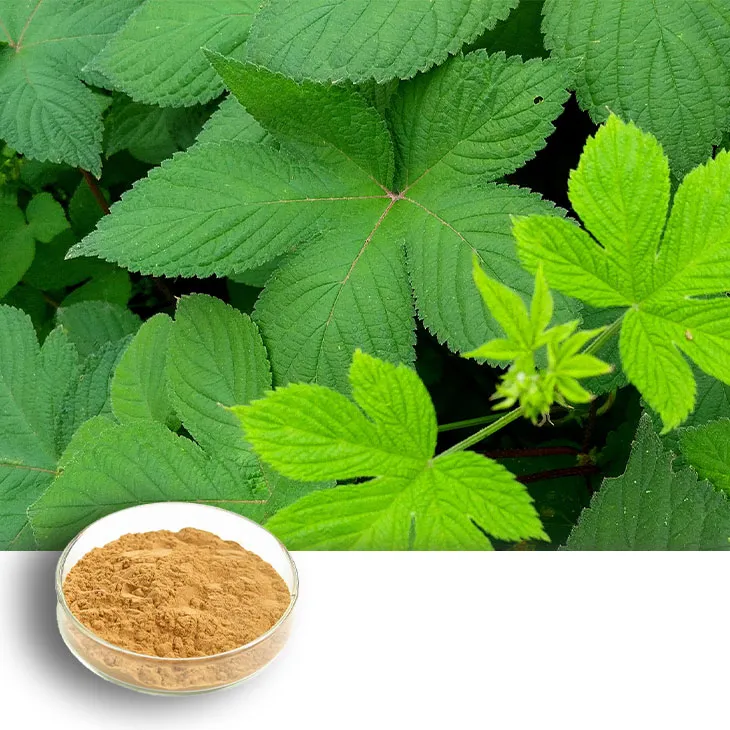
is derived from the leaves and stems of Gynostemma pentaphyllum, a climbing vine in the Cucurbitaceae family native to southern China, Japan, and Southeast Asia. Commonly known as "Jiaogulan" (绞股蓝) in Chinese — meaning "twisting blue silk" — this herb has been used in Traditional Chinese Medicine for centuries and is often called the "Southern Ginseng" due to its similar adaptogenic properties and shared active compounds (gypenosides are structurally related to ginsenosides).
The global Gynostemma extract market is valued at approximately USD 40-60 million (2024) and is growing at 8-12% CAGR, driven by increasing consumer interest in adaptogenic herbs, demand for natural cardiovascular and metabolic support ingredients, and growing awareness of traditional Chinese medicinal herbs in Western markets.
Key Active Compounds: Gypenosides
The primary bioactive compounds in Gynostemma are gypenosides — a group of over 80 dammarane-type saponins that are structurally and functionally similar to the ginsenosides found in Panax ginseng.
Compound Classification Key Activity Gypenosides I-XLIX Dammarane-type triterpene saponins Adaptogenic, cholesterol modulation, antioxidant Gypenoside III Specific gypenoside Most studied; anti-hyperlipidemic activity Gypenoside XVII Specific gypenoside Immune modulation, anti-inflammatory Flavonoids (rutin, Quercetin derivatives) Polyphenolic compounds Antioxidant, vascular support Polysaccharides Complex carbohydrates Immune support, prebiotic activity Amino acids and minerals Nutritional compounds General nutritional support
Gynostemma vs. Panax Ginseng: A Comparison
Feature Gynostemma (Jiaogulan) Panax Ginseng Active compounds Gypenosides (80+ identified) Ginsenosides (40+ identified) Chemical relationship Dammarane saponins (structurally similar to ginsenosides) Dammarane saponins Traditional classification "Southern Ginseng" (adaptogenic, cooling) "Northern Ginseng" (adaptogenic, warming) Nature (TCM) Cool/neutral Warm Side effect profile Generally well-tolerated; fewer stimulating effects May cause overstimulation, insomnia in sensitive individuals Cost Generally lower Higher (especially Korean red ginseng) Clinical research base Growing but smaller Extensive Regulatory status Dietary supplement ingredient Dietary supplement and traditional medicine
Gynostemma offers similar adaptogenic benefits to ginseng but with a gentler, more balanced profile — making it suitable for daily, long-term use without the stimulating side effects sometimes associated with Panax ginseng.
Gynostemma Species and Quality Varieties
Variety Origin Key Characteristics Commercial Value G. pentaphyllum var. pentaphyllum Southern China (Guangxi, Guangdong) Highest gypenoside content (8-15%) Primary commercial variety G. pentaphyllum var. pubescens China, Japan Moderate gypenoside content (4-8%) Secondary commercial variety G. japonicum Japan, Korea Lower gypenoside content Regional use Cultivated vs. wild — Cultivated: consistent quality; wild: higher variability Cultivated preferred for standardized extracts
Extraction Methods
Solvent Extraction (Industry Standard)
The most common commercial method for Gynostemma extract production:
Process Flow:
Raw material preparation — Dried Gynostemma leaves and stems are cleaned, sorted, and milled to 20-40 mesh
Solvent extraction — Ethanol-water mixture (50-70%) or water alone is used at 70-90°C for 2-3 extraction cycles (1-2 hours each)
Filtration — Solid residues are removed via filtration and centrifugation
Concentration — Solvent is recovered via vacuum evaporation; extract is concentrated
Adsorption purification (for higher-potency extracts) — The extract passes through macroporous adsorption resin columns to enrich gypenoside content
Spray drying — Produces the final standardized powder
Yield: Typically 5-15% extract from dried Gynostemma herb, depending on extraction method and standardization target
Water Extraction (Traditional Method)
Uses hot water only — no organic solvents
Produces a full-spectrum extract containing gypenosides, polysaccharides, flavonoids, and minerals
Lower gypenoside concentration compared to ethanol extraction
Application: Traditional herbal formulations, tea bags, food-grade products
Enzyme-Assisted Extraction
Emerging technology for improved gypenoside recovery:
Uses cellulase and β-glucosidase enzymes to break down plant cell walls and release bound gypenosides
Can increase gypenoside yield by 15-30% compared to conventional extraction
Reduces extraction temperature and time
Application: Cost-effective production of high-potency extracts
Standardization Grades and Specifications
Common Gynostemma Extract Grades
Grade Total Gypenosides Primary Use Standard extract 10-20% gypenosides General adaptogenic supplements High-potency extract 40-60% gypenosides Premium formulations, clinical-grade products Ultra-high extract 80-98% gypenosides Specialized applications, research Whole herb powder 1-5% gypenosides Tea blends, food fortification Polysaccharide-rich extract ≥30% polysaccharides Immune support formulations
Quality Specification Sheet (Gypenosides 50%)
Parameter Specification Test Method Total gypenosides ≥50% HPLC (UV detection at 203 nm) Moisture ≤5.0% USP <731> Ash ≤8.0% USP <281> Heavy metals Pb ≤1.0 ppm, As ≤1.0 ppm, Cd ≤0.5 ppm, Hg ≤0.1 ppm ICP-MS Pesticide residues Compliant with EU limits GC-MS/LC-MS Microbial limits TPC <1,000 CFU/g, Yeast/Mold <100 CFU/g USP <61>, <62> Salmonella Negative/25g USP <62> E. coli Negative/g USP <62> Solvent residues Ethanol <5,000 ppm GC (USP <467>) Particle size 95% through 80 mesh Sieve analysis
Clinical Evidence and Dosage
Cardiovascular and Metabolic Health
Gynostemma is most widely researched for its effects on cholesterol and metabolic parameters:
Typical dosage: 300-1,200 mg Gynostemma extract per day (standardized to 10-50% gypenosides)
Study duration: 4-12 weeks
Reported outcomes: Modest reductions in total cholesterol and LDL cholesterol, improved HDL/total cholesterol ratio, support for healthy blood lipid metabolism
Mechanism: Gypenosides modulate cholesterol metabolism through multiple pathways, including inhibition of cholesterol absorption, enhanced bile acid excretion, and regulation of hepatic lipid metabolism
Adaptogenic and Stress Support
Gynostemma has been traditionally used as a Qi-tonifying adaptogen
Emerging research suggests effects on cortisol regulation, energy metabolism, and stress resilience
Used in combination formulas with other adaptogens (ashwagandha, rhodiola, ginseng)
Antioxidant and Anti-Aging Applications
Gypenosides demonstrate significant free radical scavenging activity
May support cellular health and healthy aging through antioxidant mechanisms
Used in anti-aging supplement formulations
Safety Profile
Generally well-tolerated: Mild gastrointestinal discomfort or nausea reported in a small percentage of users
Traditional safety record: Centuries of use in Chinese herbal medicine with an excellent safety profile
Drug interactions: May enhance the effects of cholesterol-lowering medications — consultation with healthcare provider recommended
Pregnancy and nursing: Insufficient safety data; not recommended
Applications in the Supplement Industry
Cardiovascular Health Supplements
A growing application segment, particularly in the Asia-Pacific market. Used in cholesterol management formulas and general cardiovascular wellness products.
Adaptogenic Blends
Increasingly used in multi-herb adaptogenic formulas alongside ashwagandha, rhodiola, and holy basil for comprehensive stress support.
Traditional Chinese Medicine (TCM) Products
A staple herb in TCM formulations for Qi deficiency, fatigue, and general wellness.
Functional Foods and Teas
Gynostemma tea is one of the most popular herbal teas in China and Japan, and dried leaf products are increasingly available in Western health food markets.
Why Choose Greensky Bio as Your Gynostemma Extract Supplier
Hangzhou Greensky Biological Tech Co., Ltd. has over 20 years of experience in natural plant extract manufacturing, with growing expertise in traditional Chinese herbal extracts including Gynostemma pentaphyllum. Our Jiangxi facility is ISO22000, BRCGS, Ecocert Organic Standard, and SGS-GMP certified, ensuring the highest quality standards for every batch.
Our Advantages
Standardized gypenoside extracts: Products at 10%, 20%, 40%, 50%, and 80%+ gypenoside content, verified by HPLC
Full-spectrum options: Water-extracted and polysaccharide-rich variants available for traditional formulations
Custom standardization: We can produce extracts at specific gypenoside concentrations per your requirements
Organic options: Ecocert-certified organic Gynostemma extract available
Quality documentation: Full COA, HPLC chromatograms, heavy metal analysis, and regulatory support packages
Production capacity: Our 6-ton multi-functional extraction tanks support orders from 100 kg to multi-ton volumes
Competitive pricing: Direct from manufacturer with access to quality Gynostemma raw materials from southern China
| name | Gynostemma pentaphyllum extract |
| Exterior | greenish-brown powder |
| Attributes | plant extracts |
| purity | 95% |
| Product ingredients | Gypenosides, flavonoids, saponins |
| source | Leaves and stems of Gynostemma pentaphyllum (jiaogulan) |
| use | Traditional Chinese medicine, dietary supplements, adaptogenic herb |
| Test Methods | High performance liquid chromatography (HPLC), spectrophotometry |