- 0086-571-85302990
- [email protected]






How do I find a trusted china rosemary extract factory?
2026-08-19
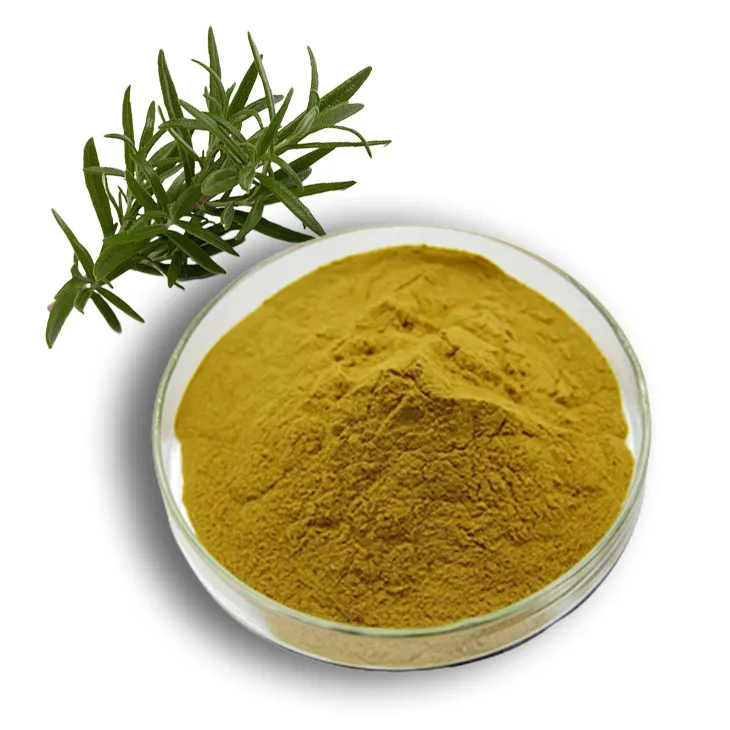
How Do I Find a Trusted China Rosemary extract Factory?
When your product formulation depends on a steady supply of Rosemary extract, China is often the first place buyers turn — and for good reason. The country concentrates some of the world's most advanced botanical extraction capacity, with manufacturers that serve food, beverage, cosmetics and dietary supplement markets on every continent. But the phrase "made in China" covers a wide range of reality: it can describe a fully integrated factory with years of production history, or a small trading desk that simply relabels powder it has never touched. Choosing a rosemary extract factory you can trust is the difference between a dependable, compliant supply and a procurement headache you will be debugging for months.
Start With the Factory, Not the Price
The single most common mistake buyers make is comparing quotes before they have verified the supplier behind them. Price matters, but it should never be your first filter. A credible China Rosemary extract factory should be able to demonstrate four things almost immediately: a verifiable operating history, a real production site you can inspect, in-house quality-control capability, and the regulatory documentation to support it. Take Hangzhou Greensky Biological Tech Co., Ltd. as an example: the company has been identifying, researching and producing active botanical ingredients since 2004, giving it more than twenty years of continuous operation. Longevity in this industry is a meaningful signal, because it usually means the manufacturer has survived audits, market shifts and repeated customer inspections — not just that it can print a low unit price today.
Look for Vertical Integration and In-House Testing
A rosemary extract supplier worth partnering with should control the chain from raw plant material to the final packed powder. Vertical integration means the company sources or grows its own botanicals, performs the extraction, runs the quality tests and packages the product under one management umbrella. Greensky operates five wholly-owned subsidiaries and maintains a 100,000-class clean production area built to food-grade standards, alongside an independent laboratory fitted with GC, HPLC and UV instruments. When a factory tests every batch internally rather than outsourcing the responsibility, you gain the batch-to-batch consistency your own label depends on. Fewer hand-offs also mean shorter lead times and far fewer surprises hiding between one supplier and the next.
Check Certifications Against Your Target Market
Certifications are one of the fastest ways to separate a genuine manufacturer from a reseller, because they are issued only after third-party inspection rather than bought off the shelf. Before you commit, map the certificates you need for the countries you actually sell into. A well-established manufacturer typically holds a broader portfolio that can cover most of these at once — systems such as ISO22000 and ISO9001 for food safety management, BRCGS for retail-facing quality, SGS-GMP for good manufacturing practice, and global religious or organic schemes such as HALAL, Kosher and Ecocert Organic.
These credentials matter most at customs and during customer audits. If your product is destined for strict markets, work with an exporter that prepares the regulatory submissions and keeps the documentation current. Exporters who assemble the full file — certificates of analysis, safety data sheets and shipping documentation — remove a large share of compliance risk before your order ever leaves the port.
Require Documents and Samples Before Any Bulk Order
A reputable supplier should send you the evidence before you send any significant money. At minimum, request a certificate of analysis for the specific batch, a sample for your own lab verification, and clarity on how the material is standardized. Different buyers need different things from their China rosemary extract: some suppliers emphasise specific active markers relevant to antioxidant shelf-life protection, while others tailor the particle size or solubility for their customers' processing lines. Ask how the factory adjusts these parameters and whether it can hold consistent specifications at scale, because a specification that varies from batch to batch will ripple through your entire production.
Consider Export Experience and Long-Term Stability
Sourcing internationally adds a layer that domestic purchasing does not: documentation, shipping logistics and dependable delivery windows. This is where a factory's actual export track record becomes your insurance policy. A manufacturer that already supplies customers across Europe, the United States, South Korea and Russia has navigated diverse regulatory and logistics requirements for years rather than for a first time. Ask about the markets the factory already serves and whether it treats export compliance as an ongoing process.
A Quick Checklist for Your Next Sourcing Call
- Ask for the manufacturing history and confirm the factory, not just the sales office, owns production assets.
- Ask how extraction and testing are performed, and whether the lab is in-house.
- Match the certification list to the markets you sell into before agreeing on price.
- Request a batch-level certificate of analysis and verify your own sample.
- Ask how active markers and particle characteristics are standardised across batches.
- Confirm the factory's export history and which regional markets it already serves.
- Require clear shipping and documentation support before the first bulk order.
Sourcing rosemary extract in bulk does not need to be a gamble. When you centre your decision on verifiable manufacturing capability, certifications, in-house testing and real export experience rather than price alone, you set your supply chain up for the long term. For buyers looking for a manufacturer with more than twenty years in botanical extraction, integrated production and a documented export history, Greensky is a case worth examining. Discuss your specifications directly with the sales team to see whether the factory can meet your marker levels, batch consistency and delivery timeline.
TAGS:
- ▶ Hesperidin
- ▶ Citrus Bioflavonoids
- ▶ Plant Extract
- ▶ lycopene
- ▶ Diosmin
- ▶ Grape seed extract
- ▶ Sea buckthorn Juice Powder
- ▶ Fruit Juice Powder
- ▶ Hops Extract
- ▶ Artichoke Extract
- ▶ Mushroom extract
- ▶ Astaxanthin
- ▶ Green Tea Extract
- ▶ Curcumin
- ▶ Horse Chestnut Extract
- ▶ Other Product
- ▶ Boswellia Serrata Extract
- ▶ Resveratrol
- ▶ Marigold Extract
- ▶ Grape Leaf Extract
- ▶ New Product
- ▶ Aminolevulinic acid
- ▶ Cranberry Extract
- ▶ Red Yeast Rice
- ▶ Red Wine Extract
- ▶ blog
-
Maca Extract
2026-08-19
-
Cat Claw Extract
2026-08-19
-
Gamma-Aminobutyric Acid
2026-08-19
-
Apricot Powder
2026-08-19
-
Cranberry Extract
2026-08-19
-
Golden Seal Extract
2026-08-19
-
Grapefruit Seed Extract Powder
2026-08-19
-
Mulberry leaf Extract
2026-08-19
-
Lycopene
2026-08-19
-
Mango flavored powder
2026-08-19
