- 0086-571-85302990
- [email protected]






Can ginseng and diabetes research support blood sugar benefits?
2026-08-14
For centuries, ginseng has been one of the most trusted herbs in traditional medicine across East Asia, prized for its ability to restore energy, support immunity, and promote overall balance. In recent decades, that ancient reputation has drawn the attention of modern researchers, who are asking a focused question: can ginseng actually help people manage blood sugar, and does the science back it up? The growing body of research suggests the answer may be yes - at least for many people living with type 2 diabetes.
What the research actually shows
The most convincing evidence comes from meta-analyses, which pool the results of many separate clinical trials into a single, more reliable conclusion. One widely cited meta-analysis of sixteen randomized controlled trials found that ginseng supplementation significantly reduced fasting blood glucose compared with a placebo. A second meta-analysis covering eight trials reported meaningful improvements in fasting glucose, postprandial insulin, and a common measure of insulin resistance.
Individual clinical trials tell a similar story. In one eight-week study, type 2 diabetes patients who took a ginseng extract enriched with the ginsenoside Rg3 saw their HbA1c fall and their fasting blood glucose drop noticeably compared with the placebo group. In another trial, participants with elevated fasting glucose who received a hydrolyzed ginseng extract experienced significant reductions in both fasting and postprandial glucose. Together, these findings give real weight to the idea that ginseng can support blood sugar management.
How ginseng may help
The active compounds behind these effects are a group of natural chemicals called ginsenosides, sometimes referred to as ginseng saponins. Researchers believe these compounds help regulate blood sugar through several pathways at once. They may support healthier insulin secretion, improve how the body takes up glucose from the blood, reduce oxidative stress, and calm chronic low-grade inflammation - all factors that play a role in type 2 diabetes. This multi-pathway action is one reason ginseng remains such an interesting area of study.
Which type of ginseng matters
Not all ginseng is the same. The two most widely studied varieties are Asian ginseng (Panax ginseng) and American ginseng. Both contain ginsenosides, but their profiles differ, and research has examined both root and leaf extracts. American ginseng, for example, has been shown to help blunt the rise in blood sugar after a meal. When shopping for a supplement, it is worth paying attention to the specific variety, the part of the plant used, and the extraction method, since these details influence the ginsenoside content and therefore the potential benefit.
Important caveats to keep in mind
It is important to read the research with a clear head. The clearest benefits have been seen in people with type 2 diabetes, while studies in people with prediabetes or in healthy adults have shown little or no effect. Research also suggests that treating blood sugar with ginseng is not a substitute for medical care - it should be seen as a potential complement to a doctor-managed plan that includes medication, diet, and exercise. Anyone taking blood-sugar-lowering drugs or managing a chronic condition should talk to a healthcare professional before adding ginseng, because it can interact with certain medications.
The importance of quality sourcing
Because ginsenoside content varies widely depending on the plant, growing region, and processing, the quality of the raw material matters enormously. For manufacturers formulating blood-sugar support products, working with reliable plant extract suppliers is essential to ensuring consistent, reproducible results. Established producers with independent laboratories and clean production facilities can help guarantee that each batch delivers the expected level of active compounds and meets food-grade safety standards.
A natural option worth taking seriously
More than a thousand years ago, ginseng was already recorded in Chinese medical texts as a remedy for what we now recognize as diabetes. Today, modern clinical evidence is lending support to that ancient insight. For people with type 2 diabetes, the available research points to genuine, if modest, benefits for blood sugar control. As always, the quality of the extract and the guidance of a healthcare provider are what separate a helpful addition to a health plan from a wasted one.
If you are a brand or formulator exploring ginseng root extract for a blood-sugar product, choosing a supplier with verifiable quality, documented ginsenoside levels, and a clean production record gives you a solid foundation to build on.
- ▶ Hesperidin
- ▶ Citrus Bioflavonoids
- ▶ Plant Extract
- ▶ lycopene
- ▶ Diosmin
- ▶ Grape seed extract
- ▶ Sea buckthorn Juice Powder
- ▶ Fruit Juice Powder
- ▶ Hops Extract
- ▶ Artichoke Extract
- ▶ Mushroom extract
- ▶ Astaxanthin
- ▶ Green Tea Extract
- ▶ Curcumin
- ▶ Horse Chestnut Extract
- ▶ Other Product
- ▶ Boswellia Serrata Extract
- ▶ Resveratrol
- ▶ Marigold Extract
- ▶ Grape Leaf Extract
- ▶ New Product
- ▶ Aminolevulinic acid
- ▶ Cranberry Extract
- ▶ Red Yeast Rice
- ▶ Red Wine Extract
- ▶ blog
-
Mulberry Extract
2026-08-14
-
Feverfew Extract
2026-08-14
-
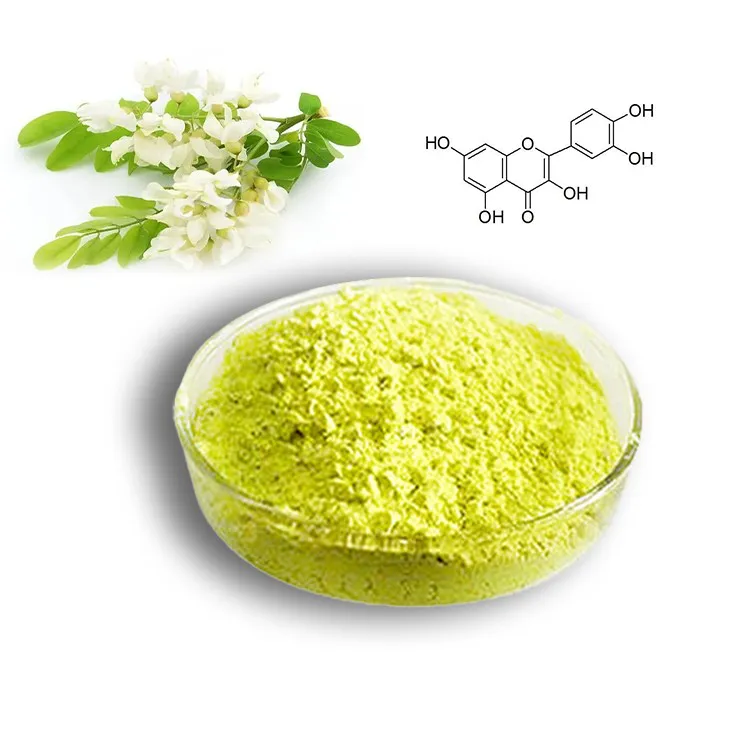
Quercetin
2026-08-14
-
Hedyotis Diffusa Extract
2026-08-14
-
Phosphatidylserine
2026-08-14
-
Golden Seal Extract
2026-08-14
-
Rosemary extract
2026-08-14
-
Lotus leaf extract
2026-08-14
-
Avocado Extract Powder
2026-08-14
-
Giant Knotweed Extract
2026-08-14
