- 0086-571-85302990
- [email protected]




Berberine Extract: Complete Guide to Blood Sugar Support, Metabolic Health & B2B Sourcing (2026)
2026-11-14
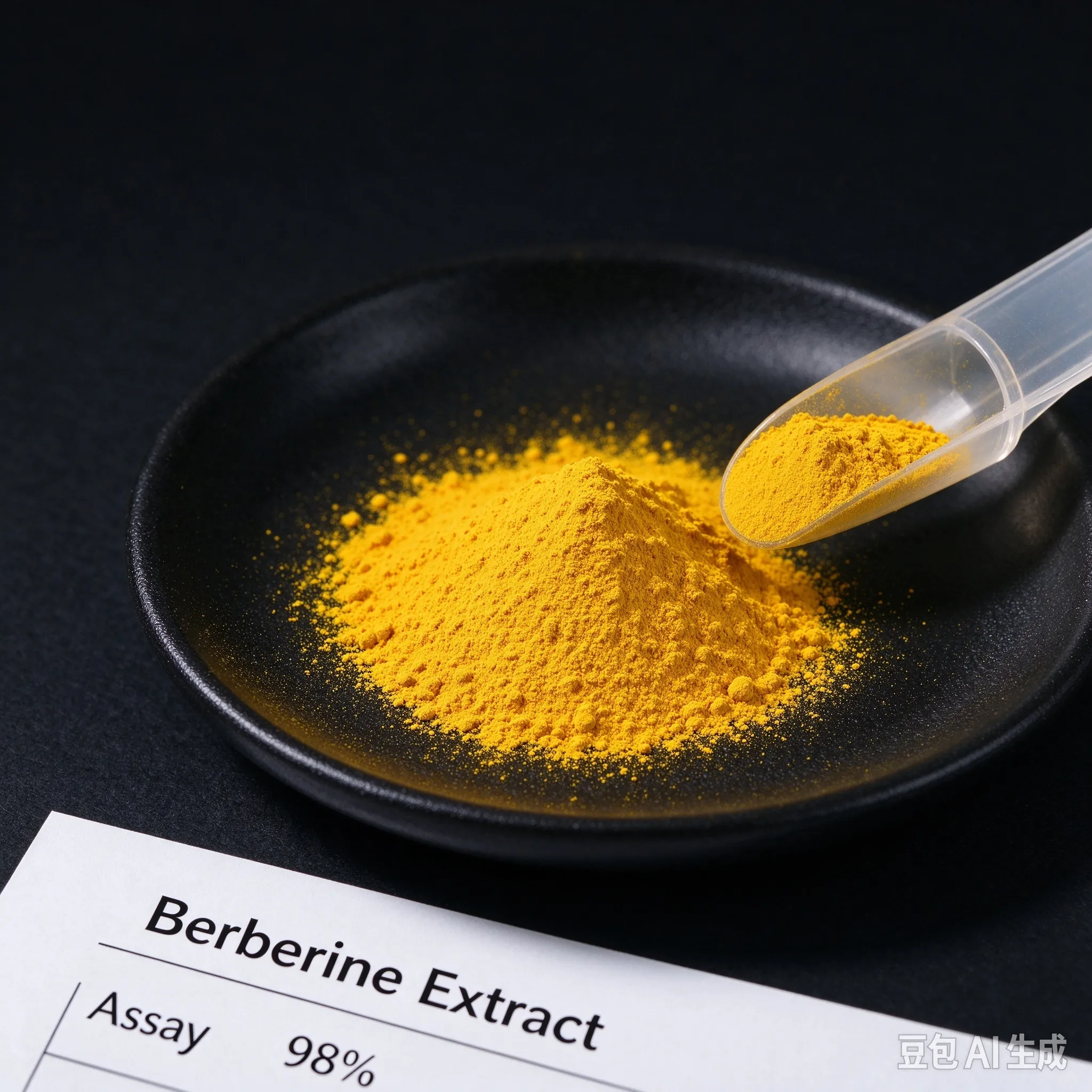
Table of Contents
What Is Berberine Extract and Why Is It Called "Nature's Metformin"?
Natural Sources: Berberis, Coptis, Goldenseal, and Oregon Grape
Active Compounds and Mechanisms of Action
Clinical Evidence for Blood Glucose and Insulin Sensitivity
Cardiovascular Benefits: Cholesterol, Blood Pressure, and Endothelial Health
Weight Management and Gut Microbiome Modulation
Anti-Aging and AMPK Activation: The Longevity Connection
Quality Standards and Certifications for Berberine HCl
How to Source Premium Berberine Extract: A Buyer's Guide
Applications in Supplements and Functional Medicine
Safety, Dosage, Drug Interactions, and Regulatory Compliance
Why Choose Greensky as Your Berberine Extract Supplier
1. What Is Berberine Extract and Why Is It Called "Nature's Metformin"?
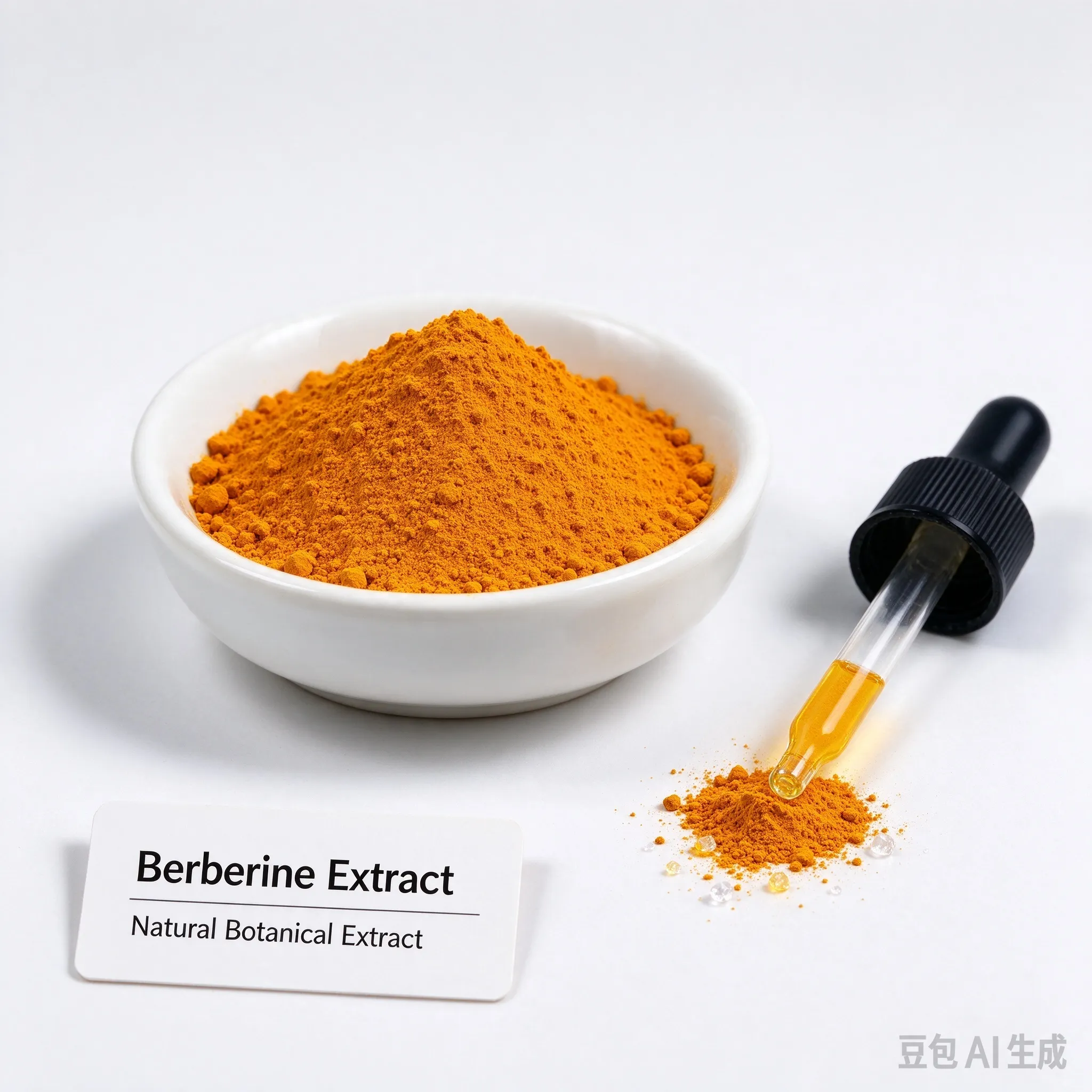
Berberine is a quaternary ammonium salt from the protoberberine group of isoquinoline alkaloids, found in the roots, rhizomes, stems, and bark of several plant species including Barberry (Berberis vulgaris), Goldthread (Coptis chinensis), Goldenseal (Hydrastis canadensis), and Oregon Grape (Mahonia aquifolium).
For over 2,500 years, berberine-containing herbs have been fundamental to Traditional Chinese Medicine (TCM), Ayurveda, and Middle Eastern herbal traditions. In TCM, Coptis chinensis (Huanglian) is one of the most commonly prescribed herbs for "clearing heat and drying dampness" — conditions that modern science now recognizes as inflammatory and metabolic disorders.
The comparison to metformin is not marketing hyperbole: multiple head-to-head clinical trials have shown that berberine can achieve comparable blood glucose-lowering effects to metformin, with the added benefits of lipid reduction and weight management. This has earned berberine the nickname "nature's metformin" among healthcare practitioners and metabolic health advocates.
The global berberine extract market is projected to reach USD 120 million by 2028, driven by the rising prevalence of metabolic syndrome, the growing interest in natural alternatives to pharmaceutical interventions, and the expanding functional medicine movement.
2. Natural Sources: Berberis, Coptis, Goldenseal, and Oregon Grape
2.1 Major Botanical Sources
Plant SpeciesPart UsedBerberine ContentRegionBerberis aristata (Indian Barberry)Root/Stem bark5–10%Himalayan regionCoptis chinensis (Chinese Goldthread)Rhizome7–13%Southwest ChinaBerberis vulgaris (European Barberry)Root bark3–8%Europe, North AfricaHydrastis canadensis (Goldenseal)Rhizome2–5%North AmericaMahonia aquifolium (Oregon Grape)Root/Stem3–6%Pacific Northwest, USATinospora cordifolia (Guduchi)Whole plant0.5–1.5%India, Southeast Asia
2.2 Sustainability Considerations
Goldenseal (Hydrastis canadensis) is listed as a species of conservation concern in many North American states due to overharvesting. For sustainable sourcing, Berberis species and Coptis chinensis (cultivated) are preferred alternatives.
Greensky prioritizes cultivated Coptis chinensis and Berberis sources for berberine extract production, ensuring sustainable supply chains that do not deplete wild plant populations.
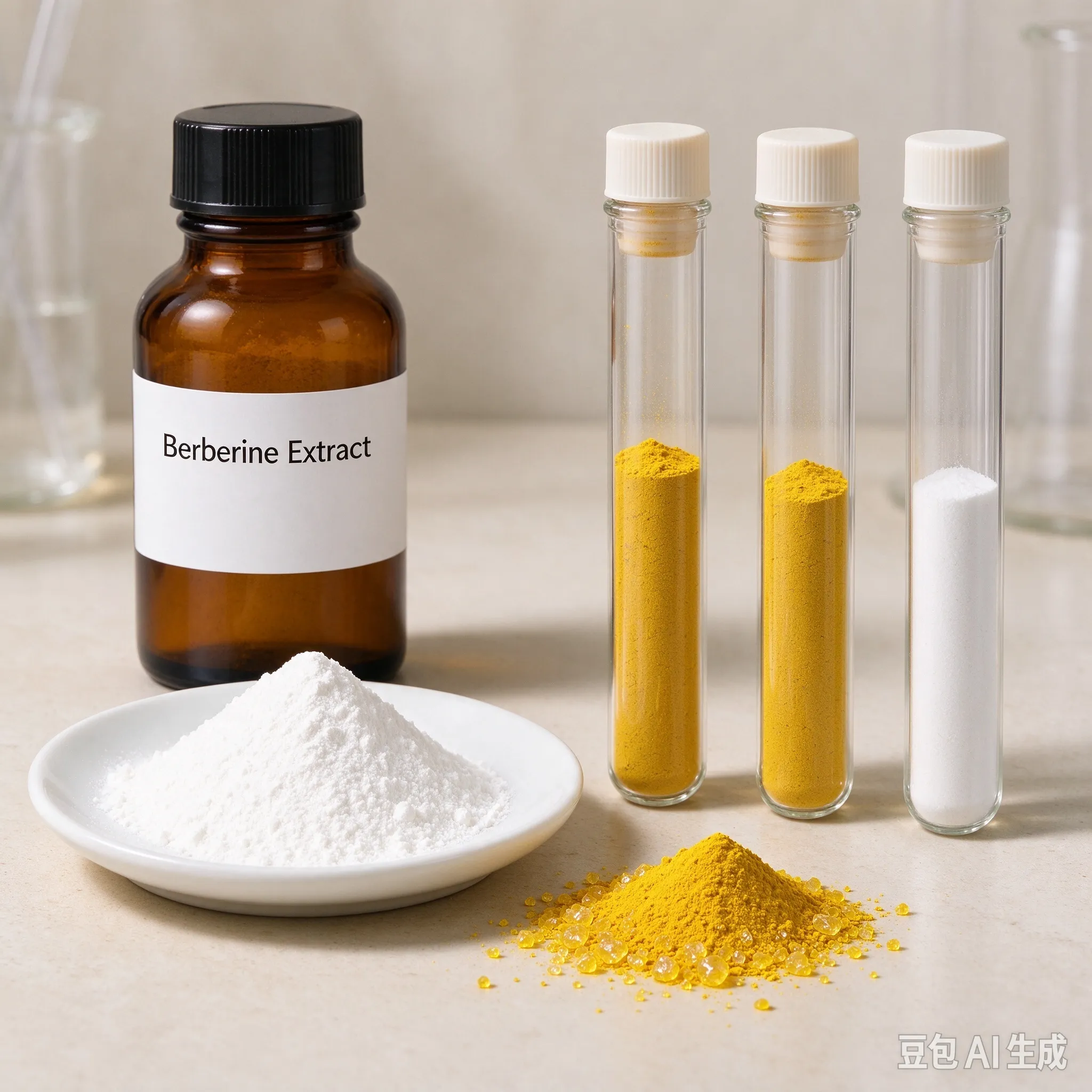
3. Active Compounds and Mechanisms of Action
3.1 Primary Alkaloid Profile
CompoundClassPrimary ActivityBerberine (Berberine HCl)Isoquinoline alkaloidAMPK activation, glucose metabolism, antimicrobialPalmatineIsoquinoline alkaloidAnti-inflammatory, neuroprotectiveJatrorrhizineIsoquinoline alkaloidAntimicrobial, antioxidantCoptisineProtoberberine alkaloidAnti-inflammatory, hepatoprotectiveEpiberberineIsoquinoline alkaloidMinor constituent, contributes to spectrum
3.2 AMPK Activation: The Master Metabolic Switch
Berberine's most significant mechanism of action is the activation of AMP-activated protein kinase (AMPK), often called the "metabolic master switch":
Glucose uptake: AMPK activation translocates GLUT4 transporters to the cell membrane, increasing cellular glucose uptake independent of insulin
Glycogen synthesis: Promotes glycogen storage in muscle and liver tissue
Gluconeogenesis inhibition: Suppresses hepatic glucose production
Fatty acid oxidation: Increases mitochondrial fatty acid β-oxidation, reducing lipid accumulation
mTOR inhibition: Downstream effect that contributes to autophagy and cellular repair processes
This multi-target mechanism explains why berberine demonstrates efficacy across glucose metabolism, lipid regulation, and body composition simultaneously.
3.3 Gut Microbiome Modulation
Emerging research reveals that berberine significantly alters gut microbiota composition:
Increases Akkermansia muciniphila: Associated with improved metabolic health and reduced inflammation
Reduces pathogenic bacteria: Broad-spectrum antimicrobial activity against E. coli, H. pylori, and Candida species
Short-chain fatty acid (SCFA) production: Promotes beneficial SCFA-producing bacteria
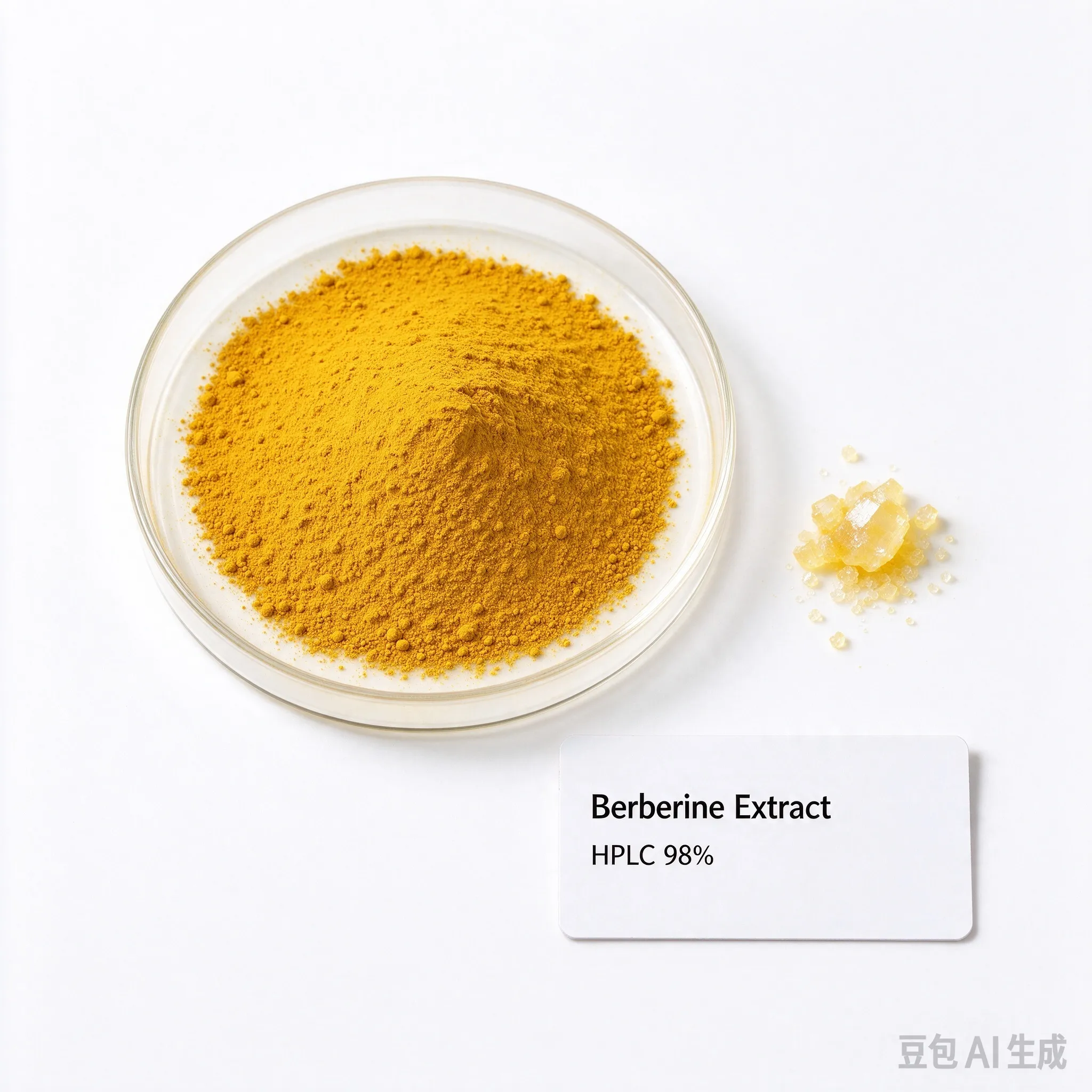
4. Clinical Evidence for Blood Glucose and Insulin Sensitivity
4.1 Head-to-Head Comparison with Metformin
The landmark trial by Yin et al. (2008) compared berberine with metformin in type 2 diabetic patients:
Study design: RCT, n = 116, type 2 diabetes
Intervention: Berberine 500 mg twice daily vs. Metformin 500 mg twice daily
Duration: 13 weeks
Results:
Fasting blood glucose: Berberine -7.1 mg/dL, Metformin -6.7 mg/dL (no significant difference)
HbA1c: Berberine -1.0%, Metformin -0.8%
Postprandial glucose: Both groups showed significant reduction
Conclusion: Berberine was non-inferior to metformin for glycemic control
4.2 Meta-Analyses
Meta-analysis (27 RCTs, n = 2,569): Berberine significantly reduced fasting blood glucose (WMD = -15.4 mg/dL), HbA1c (WMD = -0.65%), and postprandial glucose (WMD = -18.2 mg/dL) compared to placebo
Meta-analysis (14 RCTs): Berberine + lifestyle modification was superior to lifestyle modification alone for glycemic control
4.3 Prediabetes and Insulin Resistance
Study (n = 60): Berberine (500 mg three times daily) for 3 months significantly improved HOMA-IR, fasting insulin, and triglycerides in prediabetic patients
PCOS: Multiple studies show berberine improves insulin sensitivity and reduces androgen levels in women with polycystic ovary syndrome
5. Cardiovascular Benefits: Cholesterol, Blood Pressure, and Endothelial Health
5.1 Lipid-Lowering Effects
Berberine's cholesterol-lowering mechanism is distinct from statins:
LDL receptor upregulation: Berberine stabilizes LDL receptor mRNA, increasing hepatic LDL receptor expression (unlike statins, which upregulate via SREBP-2)
PCSK9 inhibition: Emerging evidence suggests berberine reduces PCSK9 expression, further enhancing LDL clearance
Clinical outcomes:
Total cholesterol: Reduction of 25–35 mg/dL across meta-analyses
LDL cholesterol: Reduction of 20–30 mg/dL
Triglycerides: Reduction of 25–40 mg/dL
HDL cholesterol: Modest increase of 2–5 mg/dL
5.2 Blood Pressure
Mechanism: Berberine increases nitric oxide (NO) bioavailability, promoting vasodilation
Clinical data: Meta-analysis of 14 RCTs shows significant reductions in systolic BP (-4.5 mmHg) and diastolic BP (-2.8 mmHg)
6. Weight Management and Gut Microbiome Modulation
6.1 Body Composition
RCT (n = 103): Berberine supplementation (500 mg three times daily) for 12 weeks resulted in significant BMI reduction (-0.7 kg/m²) and waist circumference reduction (-2.1 cm) compared to placebo
Mechanism: AMPK-mediated increase in fatty acid oxidation, reduced adipogenesis via PPAR-γ modulation, and improved insulin sensitivity
6.2 Gut Microbiome as a Mediator
The gut microbiome changes induced by berberine are increasingly recognized as a key mediator of its metabolic benefits:
Akkermansia enrichment: Strongly correlated with improved glucose tolerance and reduced adiposity
SCFA increase: Enhanced butyrate production supports intestinal barrier integrity and systemic metabolic health
Bile acid metabolism: Berberine alters bile acid profiles, which in turn modulate FXR and TGR5 signaling pathways
7. Anti-Aging and AMPK Activation: The Longevity Connection
7.1 Cellular Senescence
Senolytic activity: Berberine reduces senescence-associated secretory phenotype (SASP) factors in aged cells
Telomerase modulation: Emerging evidence suggests berberine may influence telomere maintenance through AMPK-SIRT1 axis activation
7.2 Neuroprotection
Alzheimer's models: Berberine reduces amyloid-beta accumulation and tau phosphorylation in preclinical models
Parkinson's models: Protection of dopaminergic neurons through antioxidant and anti-inflammatory mechanisms
BDNF upregulation: Increased brain-derived neurotrophic factor supports neurogenesis and synaptic plasticity
8. Quality Standards and Certifications for Berberine HCl
Parameter Standard Specification Berberine HCl content ≥97% (HPLC) Other alkaloids (Palmatine, Jatrorrhizine) Identified and quantified Heavy metals Pb < 1.0 ppm, As < 0.5 ppm, Cd < 0.3 ppm, Hg < 0.1 ppm Residual solvents Compliant with ICH Q3C Microbiological limits Total plate count < 1,000 CFU/g Loss on drying < 5.0% Appearance Yellow crystalline powder
9. How to Source Premium Berberine Extract: A Buyer's Guide
9.1 Critical Quality Considerations
Botanical authentication: Verify species via DNA barcoding or HPLC fingerprinting to prevent species substitution
Extraction method: Acid-base extraction is the traditional method; ensure proper purification to achieve pharmaceutical-grade purity
Salt form: Berberine HCl is the standard form; verify complete conversion from free base
Particle size: For capsule/tablet formulations, standardized particle size (80–200 mesh) ensures consistent filling
Stability testing: Berberine is light-sensitive; proper packaging (amber containers, aluminum foil) is essential
9.2 Sustainability Sourcing
Prefer cultivated sources: Coptis chinensis from GAP-certified cultivation bases in China
Avoid wild-harvested Goldenseal: Due to conservation status
Third-party verification: Request sustainability documentation from suppliers
10. Applications in Supplements and Functional Medicine
10.1 Metabolic Health Supplements
Blood sugar support formulas: 500 mg berberine HCl per serving, often combined with chromium, alpha-lipoic acid, or cinnamon extract
Metabolic syndrome complexes: Combined with red yeast rice (for cholesterol), CoQ10, and omega-3
Weight management formulas: Combined with Green Tea Extract, Garcinia cambogia, and fiber
10.2 Functional Medicine Protocols
SIBO treatment: Berberine is a cornerstone herb in herbal antibiotic protocols for small intestinal bacterial overgrowth
Candida management: Combined with oregano oil and caprylic acid
PCOS management: Combined with inositol, vitamin D, and NAC
11. Safety, Dosage, Drug Interactions, and Regulatory Compliance
11.1 Recommended Dosage
Application Daily Dosage Frequency Blood sugar support 1,000–1,500 mg 500 mg, 2–3 times daily with meals Cholesterol management 1,000–1,500 mg Divided doses Weight management 1,000–1,500 mg Divided doses with meals Gut health / SIBO 500–1,500 mg Under practitioner guidance
11.2 Drug Interactions
Berberine inhibits several cytochrome P450 enzymes (CYP2D6, CYP2C9, CYP3A4) and P-glycoprotein, which can affect the metabolism of:
Metformin: May enhance glucose-lowering effect — monitor blood glucose closely
Cyclosporine: Increased blood levels reported
Anticoagulants: Potential interaction with warfarin
Statins: May enhance cholesterol-lowering effect
11.3 Contraindications
Pregnancy and lactation: Berberine can cross the placenta and may cause kernicterus in newborns
Infants and young children: Risk of bilirubin displacement
Severe liver disease: Use with caution
12. Why Choose Greensky as Your Berberine Extract Supplier
Hangzhou Greensky Biological Tech. Co., Ltd. brings over 20 years of expertise as a natural plant extract manufacturer, with deep capabilities in alkaloid extraction and purification.
Our Berberine Extract Advantages:
GMP-certified production: 100,000-class clean area production under ISO22000, BRCGS, Ecocert Organic Standard, and SGS-GMP certified facilities
In-house analytical laboratory: HPLC, GC, UV equipment for comprehensive quality testing and batch release
Custom specifications: Berberine HCl ≥97%, with optional full alkaloid profile (including palmatine, jatrorrhizine, coptisine)
Global compliance: Export-ready documentation for FDA, EFSA, and other regulatory markets
Scalable supply: 500 tons annual production capacity across our plant extract facilities
Proven export track record: Serving customers in Europe, the United States, South Korea, and Russia with nearly $30 million in annual exports
- ▶ Hesperidin
- ▶ Citrus Bioflavonoids
- ▶ Plant Extract
- ▶ lycopene
- ▶ Diosmin
- ▶ Grape seed extract
- ▶ Sea buckthorn Juice Powder
- ▶ Fruit Juice Powder
- ▶ Hops Extract
- ▶ Artichoke Extract
- ▶ Mushroom extract
- ▶ Astaxanthin
- ▶ Green Tea Extract
- ▶ Curcumin
- ▶ Horse Chestnut Extract
- ▶ Other Product
- ▶ Boswellia Serrata Extract
- ▶ Resveratrol
- ▶ Marigold Extract
- ▶ Grape Leaf Extract
- ▶ New Product
- ▶ Aminolevulinic acid
- ▶ Cranberry Extract
- ▶ Red Yeast Rice
- ▶ Red Wine Extract
- ▶ blog
-
Acai Berry Extract
2026-11-14
-
Astaxanthin
2026-11-14
-
Saw Palmetto Extract
2026-11-14
-
L-Theanine
2026-11-14
-
Mango flavored powder
2026-11-14
-
Selenium yeast
2026-11-14
-
Cayenne Pepper Extract
2026-11-14
-
Green Tea Extract
2026-11-14
-
Nettle Root Extract
2026-11-14
-
Eucommia Ulmoides Extract
2026-11-14