- 0086-571-85302990
- [email protected]




What Is Berberine Extract? Blood Sugar Science, AMPK Activation & B2B Sourcing Guide (2026)
2026-10-13
Meta Title: What Is Berberine Extract? Blood Sugar Science & B2B Sourcing Guide (2026)Meta Description: Comprehensive guide to berberine HCL extract for B2B buyers. Covers AMPK activation science, blood sugar management benefits, quality standards & certified sourcing.Keywords: berberine HCL extract, blood sugar support supplement, natural AMPK activator, metabolic health botanical, berberine manufacturer China, glucose metabolism support, goldthread extract
What Is Berberine Extract?
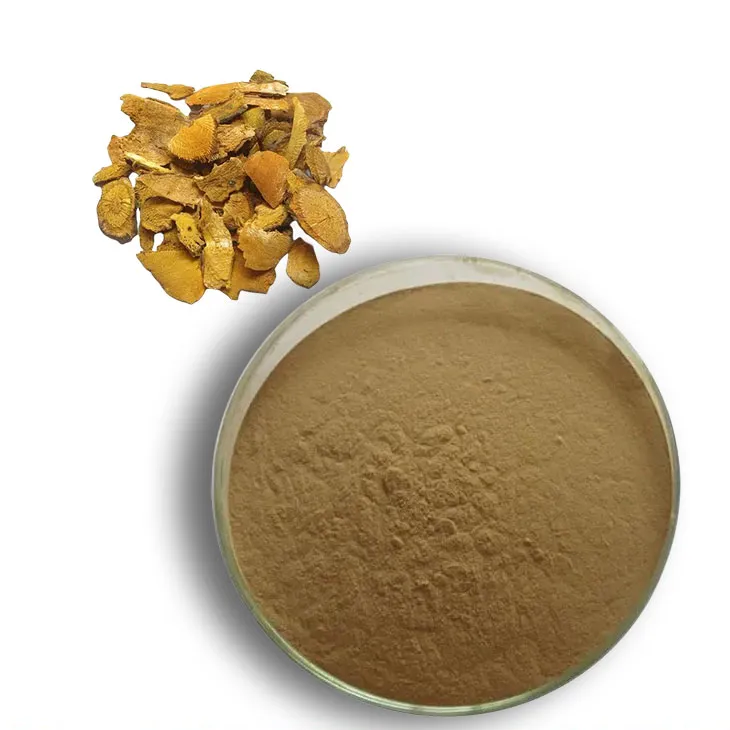
Berberine is a bright yellow isoquinoline alkaloid naturally found in several medicinal plants, including Coptis chinensis (goldthread), Berberis vulgaris (barberry), Hydrastis canadensis (goldenseal), Phellodendron amurense (Amur cork tree), and Tinospora cordifolia (guduchi). Used for over 3,000 years in Traditional Chinese Medicine (TCM) and Ayurvedic medicine, berberine has emerged in modern clinical research as one of the most effective natural compounds for blood sugar management, metabolic health, and cardiovascular support.
For dietary supplement manufacturers, nutraceutical brands, and functional food developers, berberine HCL (hydrochloride) extract represents a clinically validated, rapidly growing botanical ingredient with strong scientific backing and expanding consumer demand. The global berberine market is projected to reach USD 500–700 million by 2030, driven by rising metabolic health concerns, growing consumer preference for natural blood sugar support, and an expanding body of clinical evidence.
This comprehensive guide covers the science of berberine, its multi-system health benefits, quality parameters, and essential considerations for B2B sourcing from a certified manufacturer.
Natural Plant Sources of Berberine
Berberine is distributed across several plant families, each offering different commercial viability:
Plant Source Latin Name Berberine Content Commercial Viability Goldthread (Coptis chinensis) Coptis chinensis Franch. 5–9% (dried rhizome) Primary TCM source; high berberine content; premium positioning Barberry (European barberry) Berberis vulgaris L. 2–7% (root bark) Widely available; cost-effective; sustainable wild harvesting Goldenseal Hydrastis canadensis L. 2–5% (rhizome) At-risk species; expensive; limited scalability Amur Cork Tree Phellodendron amurense Rupr. 2–4% (stem bark) Abundant supply; good berberine yield; sustainable cultivation Guduchi (Heart-leaved moonseed) Tinospora cordifolia (Willd.) Miers 0.5–2% (stem) Lower concentration; primarily Ayurvedic use
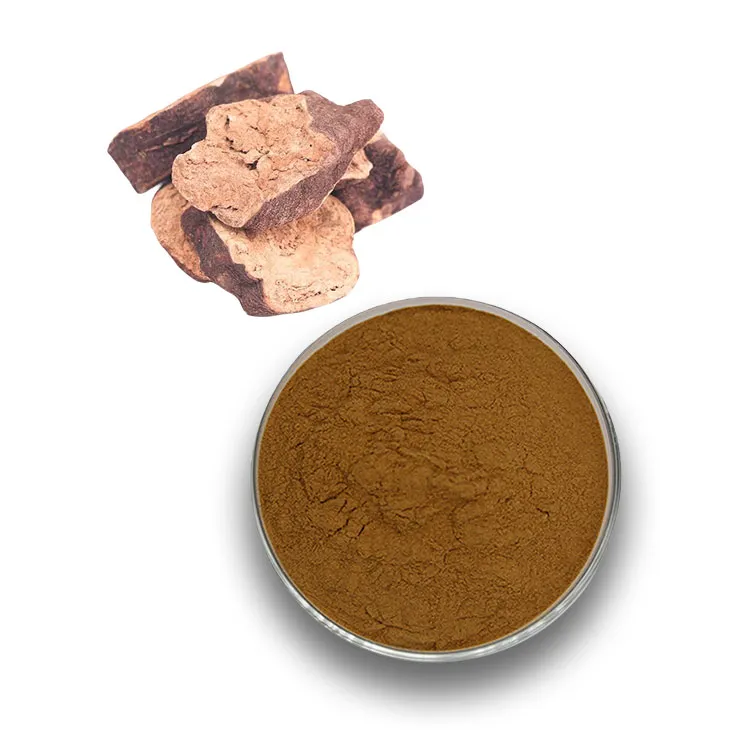
For commercial-scale berberine HCL production, barberry (Berberis vulgaris) and Amur cork tree (Phellodendron amurense) are the most practical sources, offering good berberine content, sustainable supply chains, and cost-effectiveness. Goldthread (Coptis chinensis) remains the premium source for TCM-positioned products.
GreenSky Bio sources berberine from verified, sustainably cultivated plant materials, ensuring consistent alkaloid content and full traceability from plant to finished extract.
How Berberine Works: Multi-Target Mechanisms of Action
Berberine's exceptional metabolic benefits arise from its ability to modulate multiple biological pathways simultaneously:
AMPK Activation (Primary Mechanism)
AMP-activated protein kinase (AMPK) is a master regulator of cellular energy metabolism. Berberine activates AMPK through several pathways:
Mitochondrial Complex I inhibition: Mild inhibition increases the AMP:ATP ratio, triggering AMPK activation
Calcium signaling: Berberine increases intracellular calcium, activating CaMKKβ which phosphorylates AMPK
LKB1-dependent pathway: Direct activation through the LKB1-AMPK axis
AMPK activation produces cascading metabolic benefits:
Enhanced glucose uptake in skeletal muscle and adipose tissue (via GLUT4 translocation)
Reduced hepatic glucose production (gluconeogenesis suppression)
Improved insulin sensitivity
Increased fatty acid oxidation
Mitochondrial biogenesis through PGC-1α upregulation
This AMPK-activating mechanism is shared with the pharmaceutical drug metformin, making berberine the closest natural equivalent to first-line diabetes medication.
PCSK9 Inhibition & Lipid Metabolism
Berberine uniquely upregulates hepatic LDL receptor (LDLR) expression through a mechanism distinct from statins:
PCSK9 inhibition: Berberine stabilizes LDLR mRNA, preventing PCSK9-mediated LDLR degradation
Increased LDL clearance: More LDL receptors on hepatocyte surfaces increase circulating LDL removal
Independent of HMG-CoA reductase: Unlike statins, berberine's LDL-lowering effect does not involve cholesterol synthesis inhibition
This dual-action approach — AMPK activation for glucose metabolism plus PCSK9 inhibition for lipid management — makes berberine uniquely effective for comprehensive metabolic health.
Gut Microbiome Modulation
Emerging research reveals berberine's significant impact on gut microbiota:
Antimicrobial activity: Berberine selectively inhibits pathogenic bacteria while preserving beneficial species
Microbiome diversity: Increases beneficial short-chain fatty acid-producing bacteria
Gut barrier integrity: Strengthens intestinal tight junctions, reducing endotoxin translocation
Bile acid metabolism: Modulates bile acid composition, contributing to improved lipid and glucose metabolism
Anti-Inflammatory Effects
Berberine reduces systemic inflammation through:
NF-κB pathway inhibition
Reduced production of TNF-α, IL-6, and IL-1β
Suppression of NLRP3 inflammasome activation
Modulation of macrophage polarization (M1 → M2 shift)
Gut-Derived Metabolic Effects
Berberine's poor systemic absorption (oral bioavailability <1%) may actually be advantageous:
High intestinal concentrations modulate gut hormones (GLP-1, PYY)
Increased GLP-1 secretion enhances insulin secretion and satiety
Bile acid reabsorption inhibition contributes to cholesterol reduction
The "gut-first" mechanism may explain berberine's favorable safety profile
Top Science-Supported Benefits of Berberine
1. Blood Sugar Management & Glucose Metabolism
Berberine's most extensively validated application:
Fasting blood glucose reduction: 15–25% in clinical studies (comparable to metformin)
HbA1c reduction: 0.5–1.0 percentage points over 3 months
Postprandial glucose: Significant reduction in post-meal glucose spikes
Insulin sensitivity: HOMA-IR improvement of 25–45%
Diabetic complication support: Emerging evidence for nephropathy and neuropathy support
A landmark meta-analysis published in Metabolism (2012) reviewed 27 randomized controlled trials (2,569 participants) and concluded that berberine was as effective as metformin, glipizide, and rosiglitazone in managing type 2 diabetes — with a comparable safety profile.
2. Cholesterol & Lipid Management
Berberine's PCSK9-independent LDLR upregulation provides unique lipid-lowering benefits:
Total cholesterol: 15–25% reduction
LDL-C: 20–30% reduction
Triglycerides: 20–35% reduction
HDL-C: 5–10% increase
Apolipoprotein B: Significant reduction
A 2008 study in Metabolism found that berberine (500 mg twice daily) reduced LDL-C by 25% and triglycerides by 35% over 3 months — results comparable to moderate-dose statin therapy.
3. Weight Management
Berberine's metabolic effects support healthy weight management:
Body weight reduction: Average 2–5 kg reduction over 3 months in clinical studies
Body fat reduction: Decreased visceral adipose tissue
Appetite regulation: GLP-1-mediated satiety enhancement
Metabolic rate: AMPK activation increases energy expenditure
4. Cardiovascular Health
Beyond lipid management, berberine supports cardiovascular function:
Blood pressure: Mild reduction through improved endothelial function
Arterial stiffness: Improved vascular compliance
Platelet function: Reduced platelet aggregation
Cardiac protection: Preclinical evidence for myocardial protection during ischemia
5. Gut Health & Digestive Support
Berberine's antimicrobial and anti-inflammatory properties support digestive health:
IBS/IBD support: Reduced intestinal inflammation and improved gut barrier function
SIBO management: Antimicrobial activity against small intestinal bacterial overgrowth
Gut microbiome diversity: Promotion of beneficial bacterial species
Anti-diarrheal: Traditional use validated by modern antimicrobial research
Berberine HCL Specifications & Quality Standards
Key Quality Parameters
When sourcing berberine HCL extract, verify the following specifications:
Specification Standard Berberine Content ≥95%, ≥97%, ≥98% (HPLC) Appearance Bright yellow crystalline powder Melting Point 145°C (decomposition) pH (1% solution) 6.8–7.5 Loss on Drying ≤5.0% Heavy Metals Pb ≤2 ppm, As ≤1 ppm, Cd ≤1 ppm, Hg ≤0.1 ppm Residual Solvents Compliant with ICH Q3C guidelines Microbiological Total plate count <1,000 CFU/g; E. coli negative; Salmonella negative
Extraction Process
Raw Material Preparation: Dried plant material (barberry root bark, goldthread rhizome, or Amur cork tree bark) is cleaned and milled
Acid Extraction: Plant material is extracted with dilute acid solution (typically 1% H₂SO₄) to solubilize berberine alkaloids
Purification: The acid extract is filtered and treated with salt (NaCl) to precipitate berberine hydrochloride
Crystallization: Berberine HCL crystallizes as bright yellow needles/plates
Drying & Milling: Crystals are dried and milled to specified particle size
Quality Testing: HPLC analysis for berberine content, heavy metals, microbiological safety
GreenSky Bio's berberine HCL is produced with strict quality control, achieving ≥98% purity verified by HPLC analysis. Our independent laboratory, equipped with HPLC, GC, and ICP-MS systems, provides comprehensive testing for every production batch.
Berberine vs. Metformin: Clinical Comparison
Parameter Berberine HCL Metformin Mechanism AMPK activation (multiple pathways) AMPK activation (mitochondrial Complex I) Fasting Glucose Reduction 15–25% 15–25% HbA1c Reduction 0.5–1.0% 0.5–1.5% LDL-C Reduction 20–30% Minimal effect Triglyceride Reduction 20–35% Minimal effect Weight Effect Modest weight loss Neutral to slight weight loss GI Side Effects Mild (dose-dependent) Common (diarrhea, nausea) Lactic Acidosis Risk None reported Rare but serious Regulatory Status Dietary supplement Prescription drug
Berberine's additional lipid-lowering benefits — which metformin lacks — make it particularly valuable for comprehensive metabolic health formulations targeting both glucose and lipid management.
Market Trends: Growing Demand for Berberine
The global berberine market is projected to grow at a CAGR of 10–12% through 2030. Key growth drivers include:
Diabetes epidemic: Over 537 million adults worldwide have diabetes (IDF 2021), driving demand for natural blood sugar support
Metabolic syndrome prevalence: Growing consumer awareness of AMPK activation for metabolic health
Natural health movement: Preference for plant-based alternatives to pharmaceutical interventions
Clinical validation: Expanding body of RCT evidence supporting berberine's efficacy
Functional food applications: Berberine-fortified beverages and foods emerging as a new category
Sports nutrition: AMPK activation for metabolic efficiency and body composition support
GreenSky Bio serves the European, American, Korean, and Russian markets with certified berberine HCL extract — backed by ISO22000, BRCGS, Ecocert Organic, and SGS-GMP certifications.
Recommended Dosage for Berberine Supplements
Based on clinical research and industry standards:
Blood Sugar Support: 500 mg, 2–3 times daily (with meals)
Cholesterol Management: 500 mg, 2–3 times daily
Metabolic Health (General): 500 mg, 1–2 times daily
Weight Management: 500 mg, 2–3 times daily (combined with diet and exercise)
Important: Berberine's short half-life (approximately 2–4 hours) makes divided dosing (2–3 times daily with meals) more effective than single large doses. Taking berberine with meals also maximizes its gut-derived metabolic effects.
Bioavailability Considerations
Berberine's relatively low oral bioavailability (<1%) has led to several formulation strategies to enhance absorption:
Phytosome technology: Berberine complexed with phospholipids for enhanced absorption
Piperine co-administration: Inhibits P-glycoprotein efflux, increasing berberine bioavailability
Liposomal delivery: Encapsulation in phospholipid vesicles
Sustain-release formulations: Extended-release to compensate for short half-life
Combination with Milk Thistle Extract: Silymarin may inhibit berberine efflux transporters
GreenSky Bio's technical team can provide guidance on optimal formulation strategies for specific product applications.
FAQ: Berberine Extract
Q: Is berberine safe for long-term use?
Yes. Clinical studies up to 2 years have confirmed the safety of berberine at recommended doses (500–1,500 mg/day). The most common side effects are mild gastrointestinal symptoms (constipation, flatulence, abdominal discomfort), which typically resolve with continued use or dose adjustment.
Q: Why does berberine need to be taken multiple times per day?
Berberine has a short half-life of approximately 2–4 hours. Divided dosing (2–3 times daily) maintains more consistent plasma levels and maximizes the gut-derived metabolic effects. Taking berberine with meals also enhances its GLP-1-mediated benefits.
Q: Can berberine be combined with other metabolic health ingredients?
Yes. Berberine is commonly combined with , chromium, cinnamon extract, gymnema sylvestre, and (EGCG) for synergistic metabolic support. It is also paired with for comprehensive cardiovascular formulations. Our R&D team provides compatibility and dosing guidance.
Q: What is the difference between berberine and berberine HCL?
Berberine HCL (hydrochloride) is the salt form of berberine — the most common and well-characterized form used in clinical research and commercial supplements. It offers better solubility, stability, and bioavailability compared to the free base form.
Q: Is berberine suitable for diabetic patients on medication?
Berberine's glucose-lowering effects are comparable to pharmaceutical agents. Diabetic patients on medication should consult their healthcare provider before using berberine supplements, as the combined effect may cause hypoglycemia. Blood glucose monitoring is recommended.
Partner with GreenSky Bio for Premium Berberine HCL
As a professional natural plant extract manufacturer since 2004, GreenSky Bio offers berberine HCL extract with:
Multiple purities: ≥95%, ≥97%, and ≥98% berberine (HPLC verified)
Sustainable sourcing: Verified plant materials from barberry, goldthread, and Amur cork tree
International certifications: ISO22000, BRCGS, Ecocert Organic, SGS-GMP, Halal, Kosher
Full analytical documentation: COA with HPLC assay, heavy metals, residual solvents, and microbiological testing
Reliable global supply: Serving European, American, Korean, and Russian markets
Technical formulation support: Bioavailability enhancement strategies and compatibility guidance from our R&D team
Whether you're developing a blood sugar management supplement, metabolic health formula, or cardiovascular wellness product, our berberine HCL extract delivers the purity, potency, and clinical backing your brand requires.
for a free sample, technical consultation, or pricing information.
TAGS: berberine HCL, blood sugar support, AMPK activator, metabolic health, natural diabetes support, glucose metabolism, goldthread extract, berberine manufacturer, cholesterol management, gut health
Related Products:
- ▶ Hesperidin
- ▶ Citrus Bioflavonoids
- ▶ Plant Extract
- ▶ lycopene
- ▶ Diosmin
- ▶ Grape seed extract
- ▶ Sea buckthorn Juice Powder
- ▶ Fruit Juice Powder
- ▶ Hops Extract
- ▶ Artichoke Extract
- ▶ Mushroom extract
- ▶ Astaxanthin
- ▶ Green Tea Extract
- ▶ Curcumin
- ▶ Horse Chestnut Extract
- ▶ Other Product
- ▶ Boswellia Serrata Extract
- ▶ Resveratrol
- ▶ Marigold Extract
- ▶ Grape Leaf Extract
- ▶ New Product
- ▶ Aminolevulinic acid
- ▶ Cranberry Extract
- ▶ Red Yeast Rice
- ▶ Red Wine Extract
- ▶ blog
-
Cactus Extract
2026-10-13
-
Black Pepper Extract
2026-10-13
-
Gamma-Aminobutyric Acid
2026-10-13
-
Purple Sweet Potato Extract
2026-10-13
-
Acai Berry Extract
2026-10-13
-
Fenugreek Extract Powder
2026-10-13
-
Yam Extract
2026-10-13
-
Oyster Mushroom Extract Powder
2026-10-13
-
American Ginseng Root Extract
2026-10-13
-
Buckthorn bark extract
2026-10-13