- 0086-571-85302990
- [email protected]






What Is Quercetin?
2026-10-08
What Is Quercetin?
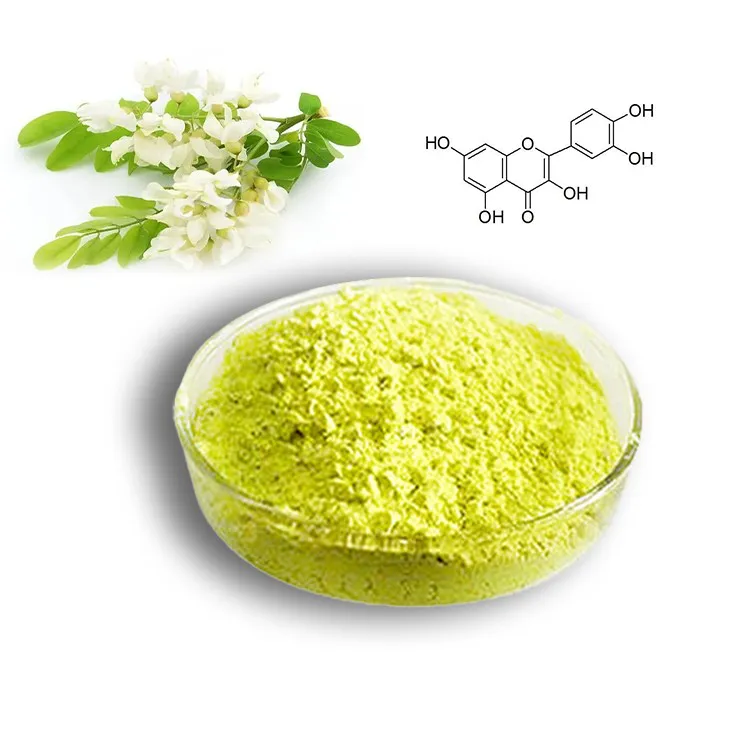
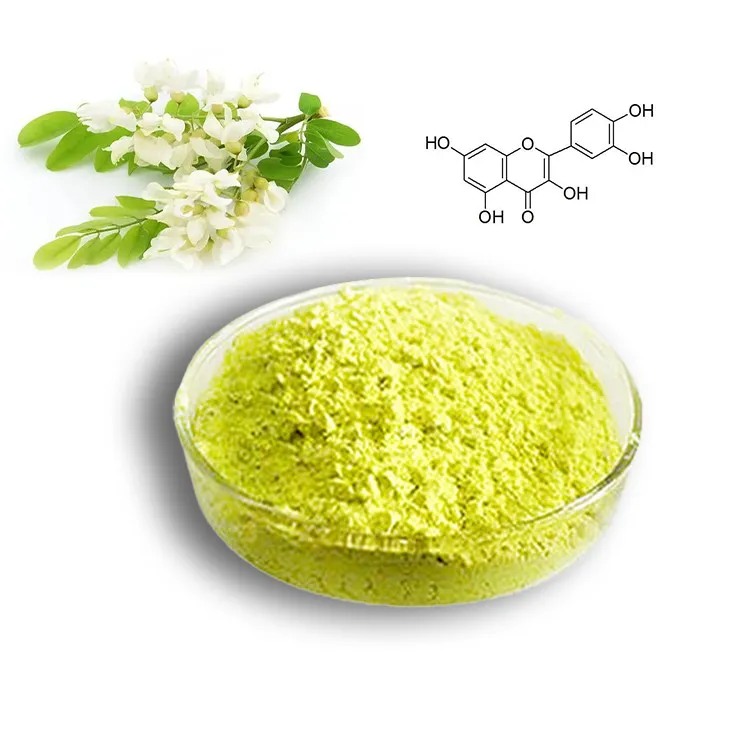
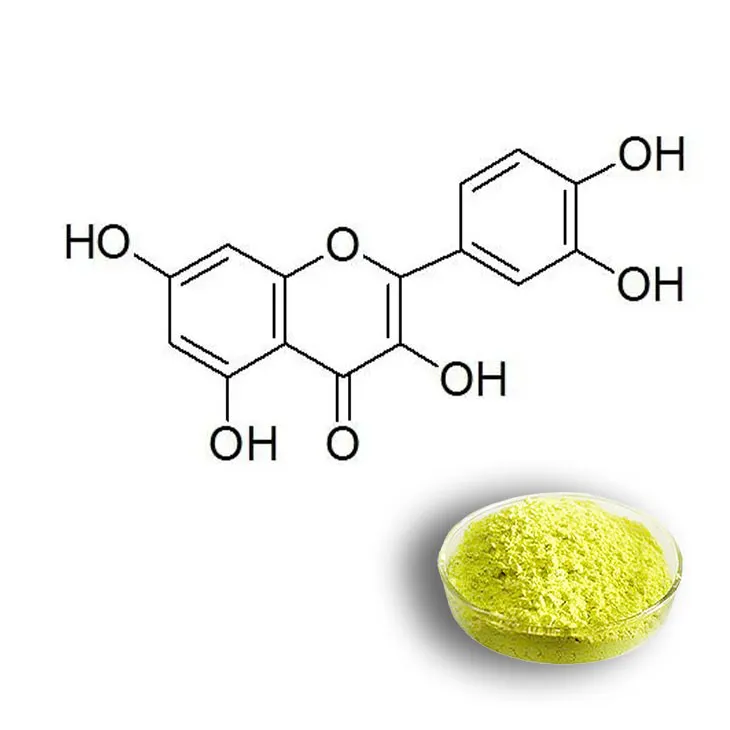
Quercetin (3,3′,4′,5,7-pentahydroxyflavone) is the most abundant dietary flavonoid and one of the most extensively studied plant compounds for human health. It belongs to the flavonol subclass of flavonoids and is found in a wide variety of fruits, vegetables, leaves, and grains.
Quercetin is found in nature primarily in glycoside form (bound to sugar molecules), while commercial supplements typically use the aglycone form (quercetin dihydrate) for higher potency and standardization.
The global quercetin market is valued at approximately USD 150-180 million (2024) and is growing at 8-11% CAGR, driven by increasing consumer awareness of immune support, antioxidant supplementation, and natural anti-inflammatory ingredients.
Natural Sources and Commercial Extraction Plants
| Source | Quercetin Content (dry weight) | Commercial Viability | Notes |
|---|---|---|---|
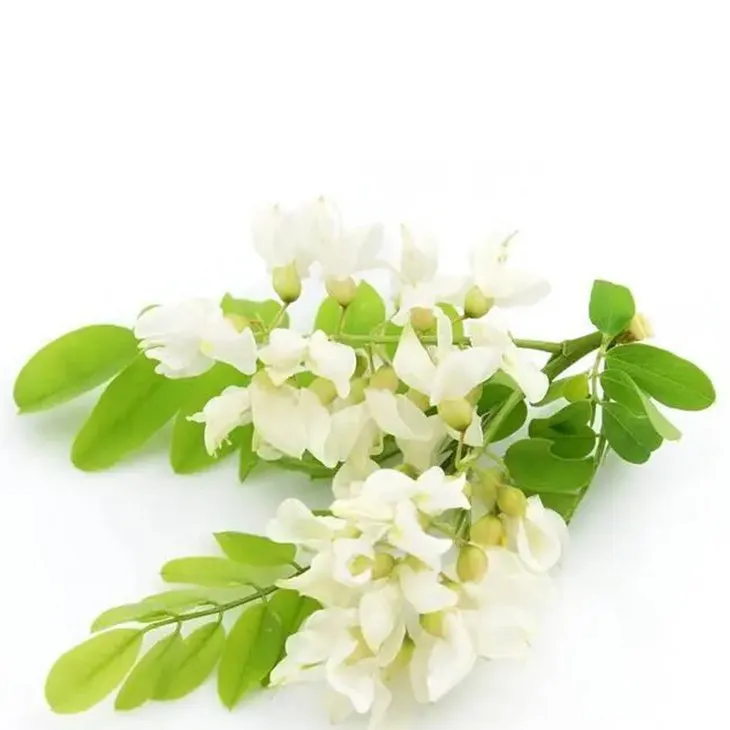
| Sophora japonica (Japanese pagoda tree buds) | 15-25% (as rutin) | ★★★★★ | Primary commercial source; high rutin yield |
| Onion skin/peel | 0.1-1% | ★★★★ | By-product utilization; sustainable sourcing |
| Apple peel | 0.1-0.5% | ★★★ | Co-extraction with other polyphenols |
| Buckwheat | 0.1-0.3% | ★★★ | Regional availability; whole-plant use |
| Capers | 0.5-1.5% | ★★ | Limited commercial scale |
| Tea leaves | 0.1-0.5% | ★★ | Co-extracted with catechins |
Extraction Methods
Rutin Extraction → Hydrolysis to Quercetin (Industry Standard)
The dominant commercial pathway for quercetin production:
Process Flow:
Raw material preparation — Dried Sophora japonica buds are cleaned and milled
Hot water extraction — Rutin is extracted with hot water (80-95°C)
Filtration — Plant debris removed
Crystallization — Rutin crystallizes upon cooling
Acid hydrolysis — Rutin is hydrolyzed with food-grade acid (HCl or citric acid) at 80-100°C
Neutralization — Hydrolysis mixture is neutralized
Quercetin crystallization — Quercetin precipitates and is collected
Purification — Recrystallization to achieve ≥95% purity
Drying — Produces quercetin dihydrate powder
Overall yield: Approximately 10-15% quercetin from Sophora japonica buds (via rutin intermediate)
Direct Extraction from Onion Waste
An emerging sustainable sourcing route:
Source: Onion processing waste (skin, outer layers)
Method: Ethanol or acetone-water extraction followed by purification
Advantage: Circular economy, food waste valorization
Challenge: Lower concentration requires larger-scale processing
Best for: Brands emphasizing sustainability and "upcycled" ingredients
Standardization Grades and Specifications
Common Quercetin Grades
| Grade | Quercetin Content | Form | Primary Use |
|---|---|---|---|
| Quercetin dihydrate (food grade) | ≥95% | Powder | Standard immune support supplements |
| Quercetin dihydrate (pharma grade) | ≥98% | Powder | Pharmaceutical intermediates |
| Quercetin phytosome | ≥20% quercetin (complexed) | Powder | Enhanced bioavailability formulations |
| Isoquercitrin (quercetin-3-glucoside) | ≥90% (as isoquercitrin) | Powder | Superior absorption; premium supplements |
| Quercetin + Bromelain blend | ≥95% quercetin | Blend | Allergy & respiratory support |
| Water-soluble quercetin | ≥10% (modified) | Powder | Beverage applications, gummies |
Quality Specification Sheet (Quercetin Dihydrate, ≥95%)
| Parameter | Specification | Test Method |
|---|---|---|
| Quercetin (dried basis) | ≥95% | HPLC |
| Rutin | ≤1.0% | HPLC |
| Loss on drying | ≤5.0% | USP <731> |
| Residue on ignition | ≤0.5% | USP <281> |
| Heavy metals | Pb ≤2.0 ppm, As ≤1.0 ppm, Cd ≤1.0 ppm, Hg ≤0.1 ppm | ICP-MS |
| Residual solvents | Ethanol <5,000 ppm | GC (USP <467>) |
| Particle size | 95% through 80 mesh | Sieve analysis |
| Microbial limits | TPC <1,000 CFU/g, Yeast/Mold <100 CFU/g | USP <61>, <62> |
| Pesticide residues | Compliant with EU limits | GC-MS/LC-MS |
The Bioavailability Challenge — and Solutions
Why Quercetin Has Limited Absorption
Quercetin's aglycone form faces absorption barriers:
Low water solubility — Approximately 0.01 mg/mL in water at 25°C
Extensive first-pass metabolism — Rapid glucuronidation and sulfation in the intestine and liver
P-glycoprotein efflux — Actively pumped back into the intestinal lumen
Unformulated quercetin aglycone has oral bioavailability estimated at 1-5%, though this varies significantly by individual.
Bioavailability Enhancement Technologies
| Technology | Mechanism | Bioavailability Increase | Application |
|---|---|---|---|
| Quercetin glycosides (isoquercitrin) | Natural glucose conjugate; absorbed via SGLT1 transporter | ~3-5x aglycone | Premium supplements |
| Phytosome (phospholipid complex) | Forms lipid-compatible molecular complexes | ~2-3x absorption | Capsules, softgels |
| Vitamin C co-administration | Regenerates oxidized quercetin; synergistic antioxidant | ~1.5-2x plasma levels | Capsule formulations |
| Liposomal encapsulation | Phospholipid vesicle delivery | ~5-10x absorption | Liquid supplements |
| Micellar/nanoemulsion | Water-dispersible micellar formulation | ~10-15x absorption | Beverages, gummies |
| Bromelain co-administration | Proteolytic enzyme; may enhance intestinal absorption | Synergistic effect (not strictly bioavailability) | Allergy/respiratory formulas |
Mechanism of Action
Immune System Modulation
Quercetin's most well-researched mechanism is its effect on immune cell function:
Mast Cell Stabilization
    │
    ├── Quercetin inhibits mast cell degranulation
    ├── Blocks histamine release
    ├── Inhibits IgE-mediated allergic response
    └── Reduces inflammatory mediator release
         ├── Histamine ↓
         ├── Leukotrienes ↓
         ├── Prostaglandins ↓
         └── Cytokines (TNF-α, IL-6) ↓

Zinc Ionophore Activity
    │
    ├── Quercetin facilitates zinc entry into cells
    ├── Intracellular zinc inhibits viral replication
    └── Synergistic with zinc supplementation
         └── Particularly relevant for immune defense during viral seasons
Antioxidant Activity
Quercetin is one of the most potent antioxidant flavonoids:
Direct ROS scavenging — Neutralizes superoxide, hydroxyl radical, peroxynitrite
Metal chelation — Binds iron and copper, preventing Fenton reaction
Enzyme modulation — Inhibits xanthine oxidase (uric acid production), LOX, COX
Nrf2 activation — Upregulates endogenous antioxidant defense systems
Vitamin C regeneration — Recycles oxidized vitamin C back to active form
Anti-Inflammatory Pathways
| Pathway | Mechanism | Clinical Relevance |
|---|---|---|
| NF-κB inhibition | Blocks inflammatory gene expression | Chronic inflammation, joint health |
| COX-2 inhibition | Reduces prostaglandin production | Pain, inflammation |
| 5-LOX inhibition | Reduces leukotriene production | Allergy, respiratory health |
| MAPK pathway modulation | Regulates cell stress responses | Cardiovascular health |
Clinical Evidence Summary
| Health Area | Key Findings | Representative Studies |
|---|---|---|
| Immune support / Upper respiratory | Quercetin (1g/day) reduced incidence and severity of URI in middle-aged/older adults | Askari et al. (2012), Med Sci Sports Exerc |
| Allergic rhinitis | Quercetin inhibits histamine release; clinical improvement in seasonal allergy symptoms | Mlcek et al. (2016), Molecules |
| Exercise recovery | Quercetin supplementation improved post-exercise recovery and reduced inflammation | Nieman et al. (2007), Med Sci Sports Exerc |
| Cardiovascular health | Meta-analysis: Quercetin supplementation significantly reduced systolic and diastolic blood pressure | Serban et al. (2016), Crit Rev Food Sci Nutr |
| Antioxidant status | Increased plasma antioxidant capacity; reduced oxidative stress markers | Egert et al. (2009), Br J Nutr |
| Metabolic health | Quercetin improved insulin sensitivity and reduced fasting glucose in meta-analysis | Mofrad et al. (2019), Phytother Res |
Applications in Product Formulation
Immune Support Supplements
| Formulation Type | Recommended Grade | Typical Dosage | Notes |
|---|---|---|---|
| Capsules | Quercetin dihydrate 95% | 500-1,000 mg | Standard immune support |
| Capsules + Zinc | Quercetin + Zinc citrate | 250-500 mg quercetin | Synergistic immune defense |
| Gummies | Water-soluble quercetin | 100-250 mg | Growing category |
| Powder sachets | Quercetin + Vitamin C blend | 500 mg + 500 mg Vit C | Popular immune combo |
Allergy & Respiratory Support
Quercetin + Bromelain — Classic combination for seasonal allergy support
Quercetin + Vitamin C — Mast cell stabilization + antioxidant synergy
Quercetin + NAC — Comprehensive respiratory support formula
Sports Nutrition
Post-workout recovery — 500-1,000 mg quercetin for exercise-induced inflammation
Endurance formulas — Combined with electrolytes and carbohydrates
Anti-inflammatory blends — With and for joint health
Combination Synergies
| Combination | Rationale |
|---|---|
| Quercetin + Vitamin C | Vitamin C regenerates quercetin; enhanced antioxidant effect |
| Quercetin + Zinc | Quercetin acts as zinc ionophore; enhanced antiviral effect |
| Quercetin + | Complementary polyphenol profile; enhanced Nrf2 activation |
| Quercetin + | Multi-layer antioxidant defense (water + lipid soluble) |
| Quercetin + Resveratrol | Combined NF-κB and SIRT1 modulation |
Sourcing Considerations for B2B Buyers
Key Questions for Suppliers
What is the source plant? — Sophora japonica vs. onion-derived; affects purity profile and marketing
What is the final purity? — ≥95% for standard supplements; ≥98% for pharmaceutical use
Is rutin residual content tested? — High rutin residual indicates incomplete hydrolysis
Is heavy metal testing comprehensive? — Particularly lead and cadmium
Can you provide isoquercitrin as an alternative? — For premium, higher-absorption formulations
Quality Red Flags
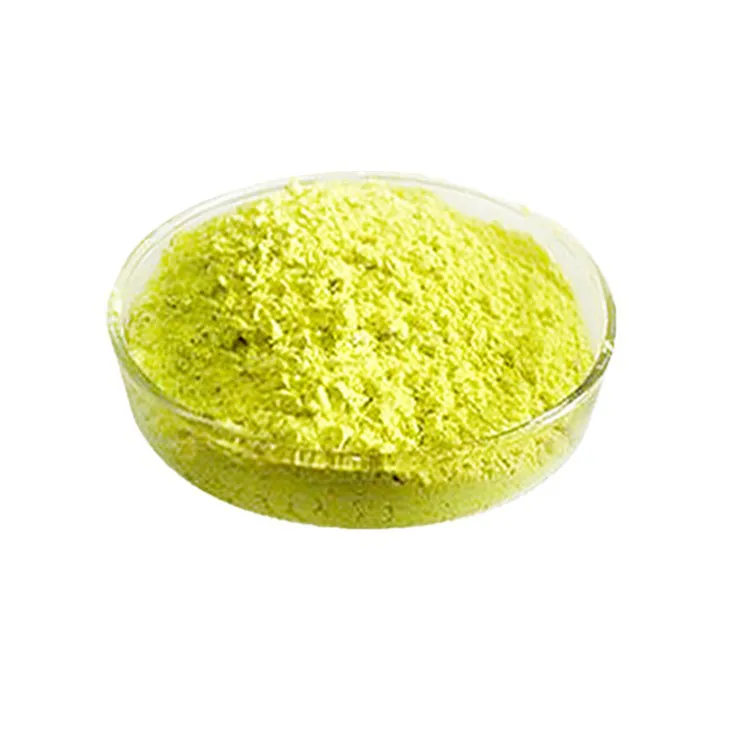
Unusual color — Pure quercetin should be yellow to greenish-yellow powder; brown may indicate oxidation
Low solubility in DMSO — Indicates possible adulteration with non-flavonoid materials
Missing HPLC data — Quercetin chromatogram is essential for purity verification
Why Choose Greensky Bio as Your Quercetin Supplier
GMP-certified production — ISO22000, BRCGS, Ecocert Organic Standard, SGS-GMP certified facilities
Advanced testing capabilities — Independent laboratory with HPLC, GC, UV, ICP-MS for comprehensive quality control
20+ years experience — Established in 2004, with deep expertise in plant extract R&D and production
Global market presence — Export to Europe, the United States, South Korea, and Russia
Customized solutions — Ability to develop quercetin formulations per customer specifications
GreenSky Bio — Professional Natural Plant Extract Manufacturer Since 2004. For inquiries about quercetin and other antioxidant ingredients, .
Related Products: | | |
- ▶ Hesperidin
- ▶ Citrus Bioflavonoids
- ▶ Plant Extract
- ▶ lycopene
- ▶ Diosmin
- ▶ Grape seed extract
- ▶ Sea buckthorn Juice Powder
- ▶ Fruit Juice Powder
- ▶ Hops Extract
- ▶ Artichoke Extract
- ▶ Mushroom extract
- ▶ Astaxanthin
- ▶ Green Tea Extract
- ▶ Curcumin
- ▶ Horse Chestnut Extract
- ▶ Other Product
- ▶ Boswellia Serrata Extract
- ▶ Resveratrol
- ▶ Marigold Extract
- ▶ Grape Leaf Extract
- ▶ New Product
- ▶ Aminolevulinic acid
- ▶ Cranberry Extract
- ▶ Red Yeast Rice
- ▶ Red Wine Extract
- ▶ blog
-
Feverfew Extract
2026-10-08
-
Acerola Juice Powder
2026-10-08
-
Phellodendron Extract
2026-10-08
-
Aguaje Extract
2026-10-08
-
Eucommia Ulmoides Extract
2026-10-08
-
Mango flavored powder
2026-10-08
-
Tormentil Extract
2026-10-08
-
Coconut Water Powder
2026-10-08
-
Cranberry Extract
2026-10-08
-
Black Rice Extract
2026-10-08
