- 0086-571-85302990
- [email protected]






What Is Silymarin (Milk Thistle) Extract?
2026-10-11
is a standardized flavonolignan complex derived from the seeds of Silybum marianum (milk thistle), a flowering herb in the Asteraceae family native to the Mediterranean region. Milk thistle has been used for over 2,000 years in European herbal medicine, primarily for liver health support, and silymarin remains the most researched botanical ingredient for hepatoprotective applications in the global supplement industry.
The global silymarin extract market is valued at approximately USD 200-280 million (2024) and is growing at 6-8% CAGR, driven by increasing prevalence of liver health concerns, rising demand for natural hepatoprotective ingredients, and growing consumer awareness of liver detoxification and metabolic health.
Key Active Compounds: The Silymarin Complex
Silymarin is not a single compound but a complex of flavonolignans and other polyphenolic compounds extracted from milk thistle seeds. Understanding the composition of silymarin is essential for quality assessment and product formulation.
Compound Approximate Proportion Key Activity Silybin (silybin A + silybin B) 50-70% of silymarin Primary hepatoprotective activity; most potent antioxidant Isosilybin (A + B) 10-20% Complementary hepatoprotective activity Silychristin 10-20% Antioxidant, antiviral activity Silydianin 5-15% Antioxidant, membrane-stabilizing activity Taxifolin 2-5% Flavonoid precursor; antioxidant Other flavonoids Variable Supporting antioxidant activity
Silybin vs. Silymarin: Understanding the Difference
Term Definition Content Use Case Silymarin (complex) Full flavonolignan extract from milk thistle seeds 70-80% total flavonolignans Standard liver health supplements Silybin (pure) Isolated silybin fraction from silymarin ≥90% silybin Pharmaceutical-grade products, enhanced bioavailability formulations Milk thistle seed powder Ground whole seeds 1-3% silymarin Food fortification, low-potency products Silymarin phytosome Silybin bound to phosphatidylcholine 30% silybin (equivalent to higher standard silymarin) Enhanced bioavailability supplements
Silybin is the most pharmacologically active component of silymarin and is the preferred marker for quality control. Products standardized to silybin content are generally considered higher quality than those standardized only to total silymarin.
Milk Thistle vs. Other Liver-Supporting Botanicals
Botanical Primary Active Key Differentiator Typical Use Milk thistle (silymarin) Silybin complex Most researched hepatoprotective botanical General liver health, detoxification support Artichoke leaf (cynarin) Cynarin, chlorogenic acid Bile production, lipid metabolism Digestive health, cholesterol support Turmeric (Curcumin) Curcuminoids Anti-inflammatory, antioxidant Inflammation, general health Dandelion root Taraxasterol, inulin Diuretic, digestive bitter Digestive support, mild detoxification Schisandra (schisandrin) Schisandrins Adaptogenic, liver enzyme modulation Adaptogenic formulas, stress + liver support
Extraction Methods
Solvent Extraction (Industry Standard)
The most common commercial method for silymarin extract production:
Process Flow:
Raw material preparation — Milk thistle seeds are cleaned, dehulled, and milled to 20-40 mesh (dehulling improves extraction efficiency)
Defatting — Seeds are extracted with hexane or food-grade solvent to remove fixed oils (20-30% of seed weight)
Solvent extraction — Ethanol, methanol, or ethanol-water mixture (50-80%) is used at 50-70°C for 2-3 cycles
Filtration — Solid residues are removed via filtration and centrifugation
Concentration — Solvent is recovered via vacuum evaporation
Precipitation / Crystallization — Silymarin is precipitated by diluting the concentrated extract with water
Drying — Vacuum drying produces the final silymarin powder
Yield: Typically 1.5-3.0% silymarin from whole milk thistle seeds
Phytosome Technology (Enhanced Bioavailability)
A specialized process that binds silybin to phosphatidylcholine (from soy or sunflower lecithin):
Process: Silybin and phosphatidylcholine are co-dissolved in an aprotic solvent, then the solvent is removed to form a molecular complex
Bioavailability improvement: 3-10x higher absorption compared to standard silymarin
Best for: Premium liver health supplements, clinical-grade formulations
Commercial examples: Siliphos®, Legalon® (silybin-phosphatidylcholine complex)
Supercritical CO₂ Extraction
Used primarily for defatting milk thistle seeds before solvent extraction
Can also produce a full-spectrum extract containing both silymarin and milk thistle seed oil
Not typically used as the sole extraction method for silymarin (flavonolignans have limited CO₂ solubility)
Standardization Grades and Specifications
Common Silymarin Extract Grades
Grade Total Flavonolignans Silybin Content Primary Use Standard silymarin 70-80% 30-40% General liver health supplements High-silybin silymarin 80%+ ≥50% Premium formulations, clinical products Silybin (isolated) ≥90% silybin ≥90% Pharmaceutical applications, phytosome production Milk thistle seed extract (low potency) 30-50% 15-25% Cost-effective formulations, food applications
Quality Specification Sheet (Silymarin 80%)
Parameter Specification Test Method Total flavonolignans ≥80% HPLC (Ph. Eur.) Silybin (A + B) ≥35% HPLC Isosilybin (A + B) ≥10% HPLC Silychristin ≥5% HPLC Silydianin ≥3% HPLC Moisture ≤3.0% USP <731> Heavy metals Pb ≤1.0 ppm, As ≤1.0 ppm, Cd ≤0.5 ppm, Hg ≤0.1 ppm ICP-MS Pesticide residues Compliant with EU limits GC-MS/LC-MS Microbial limits TPC <1,000 CFU/g, Yeast/Mold <100 CFU/g USP <61>, <62> Solvent residues Ethanol <5,000 ppm GC (USP <467>) Particle size 95% through 80 mesh Sieve analysis
Clinical Evidence and Dosage
Liver Health and Hepatoprotection
Silymarin is the most researched botanical ingredient for liver health:
Typical dosage: 140-420 mg silymarin per day (divided into 2-3 doses), or 200-400 mg for standardized 80% extracts
Study duration: 4 weeks to 12 months
Reported outcomes: Improved liver enzyme profiles (ALT, AST, GGT), support for liver function in various conditions, antioxidant protection of hepatocyte membranes
Mechanism: Silymarin stabilizes hepatocyte cell membranes, acts as a free radical scavenger, stimulates protein synthesis for liver tissue repair, and modulates inflammatory pathways
Antioxidant and Anti-Aging Applications
Silymarin's antioxidant activity supports cellular health and may contribute to healthy aging
Used in combination formulas with other antioxidants (vitamin E, NAC, alpha-lipoic acid)
Skin Health
Topical and oral silymarin formulations are used for skin health applications
Antioxidant and anti-inflammatory properties support skin barrier function
Applications in the Supplement Industry
Liver Health Supplements
The largest application segment, accounting for approximately 55% of silymarin extract demand. Used in standalone products and multi-ingredient liver detoxification formulas.
Sports Nutrition
Growing segment for post-workout recovery and liver protection formulas, particularly for athletes using multiple supplements.
Functional Foods and Beverages
An emerging application for silymarin-fortified drinks and health-focused food products.
Cosmetic and Personal Care
Silymarin is increasingly used in anti-aging and skin protection formulations for its antioxidant properties.
Why Choose Greensky Bio as Your Silymarin Extract Supplier
Hangzhou Greensky Biological Tech Co., Ltd. has over 20 years of experience in natural plant extract manufacturing, with dedicated production capabilities for silymarin and other hepatoprotective botanical extracts. Our Jiangxi facility is ISO22000, BRCGS, Ecocert Organic Standard, and SGS-GMP certified.
Our Advantages
High-potency silymarin: Standard extracts at 70-80% total flavonolignans with verified silybin content
Pharmacopoeial compliance: Products tested per Ph. Eur. and USP methods with full analytical documentation
Custom standardization: We can produce extracts with specific silybin-to-total-flavonolignan ratios per your requirements
Quality documentation: Full COA, HPLC chromatograms, heavy metal analysis, and regulatory support packages
Production capacity: Our 6-ton multi-functional extraction tanks and advanced purification systems support orders from 100 kg to multi-ton volumes
Competitive pricing: Direct from manufacturer with vertically integrated production from seed sourcing to finished extract
- ▶ Hesperidin
- ▶ Citrus Bioflavonoids
- ▶ Plant Extract
- ▶ lycopene
- ▶ Diosmin
- ▶ Grape seed extract
- ▶ Sea buckthorn Juice Powder
- ▶ Fruit Juice Powder
- ▶ Hops Extract
- ▶ Artichoke Extract
- ▶ Mushroom extract
- ▶ Astaxanthin
- ▶ Green Tea Extract
- ▶ Curcumin
- ▶ Horse Chestnut Extract
- ▶ Other Product
- ▶ Boswellia Serrata Extract
- ▶ Resveratrol
- ▶ Marigold Extract
- ▶ Grape Leaf Extract
- ▶ New Product
- ▶ Aminolevulinic acid
- ▶ Cranberry Extract
- ▶ Red Yeast Rice
- ▶ Red Wine Extract
- ▶ blog
-
Panax Ginseng Leaf Extract
2026-10-11
-
Troxerutin
2026-10-11
-
Grape Seed Extract
2026-10-11
-
Maca Extract
2026-10-11
-
Wheat Germ Extract
2026-10-11
-
Beetroot juice Powder
2026-10-11
-
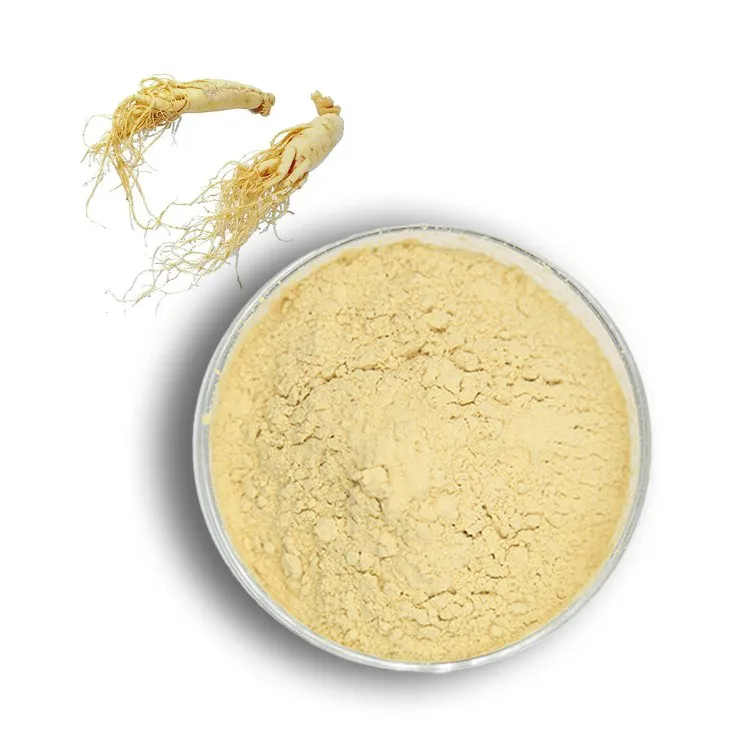
Ginseng Root Extract
2026-10-11
-
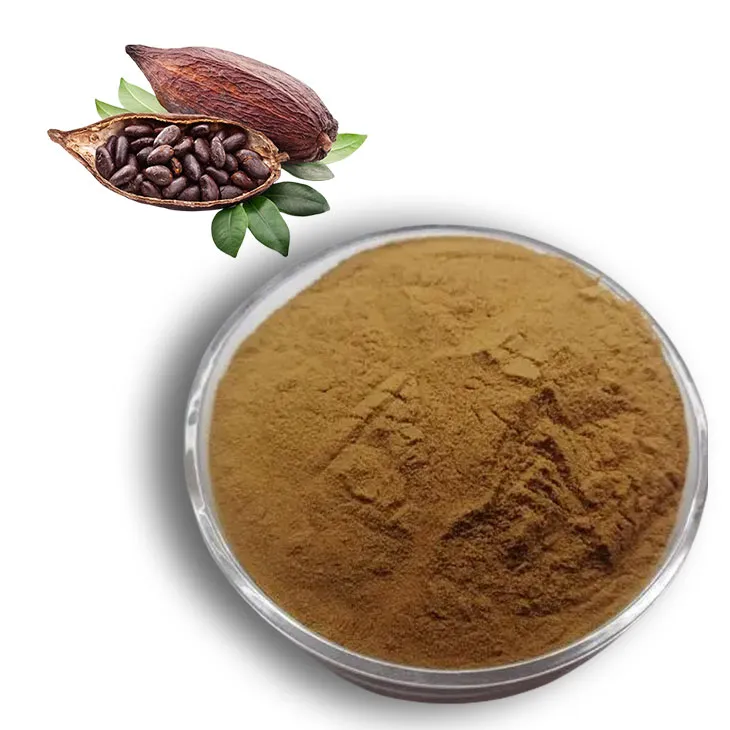
Cocoa Extract
2026-10-11
-
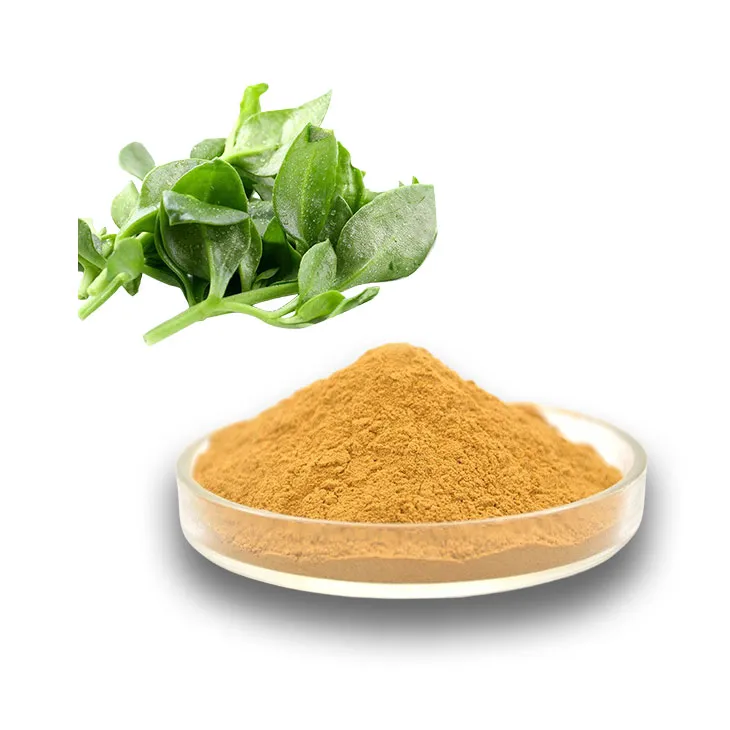
Andrographis Paniculata Extract Powder
2026-10-11
-
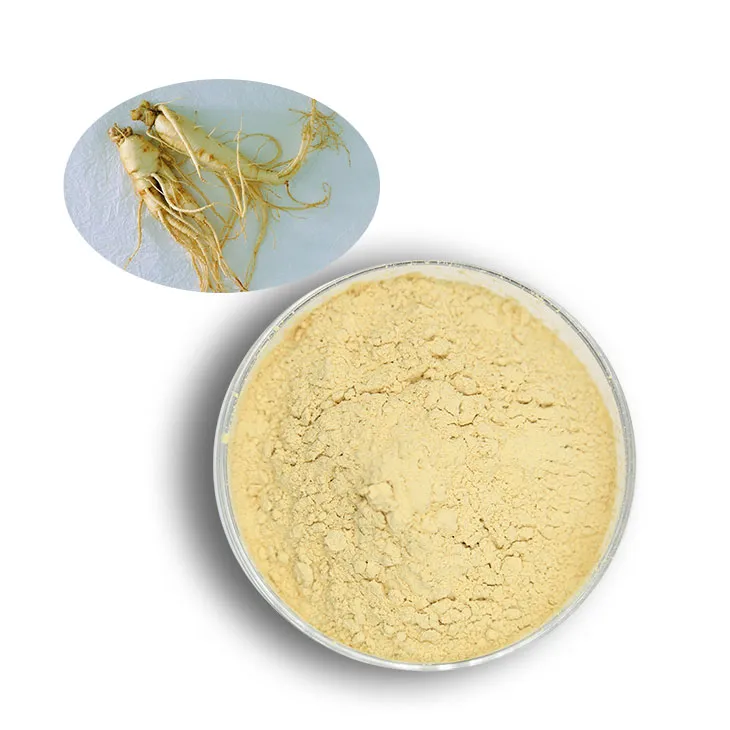
American Ginseng Root Extract
2026-10-11
