- 0086-571-85302990
- [email protected]






Purple Sweet Potato Extract Complete Guide: Anthocyanins, Benefits & Natural Color Solutions
2026-07-22
Introduction
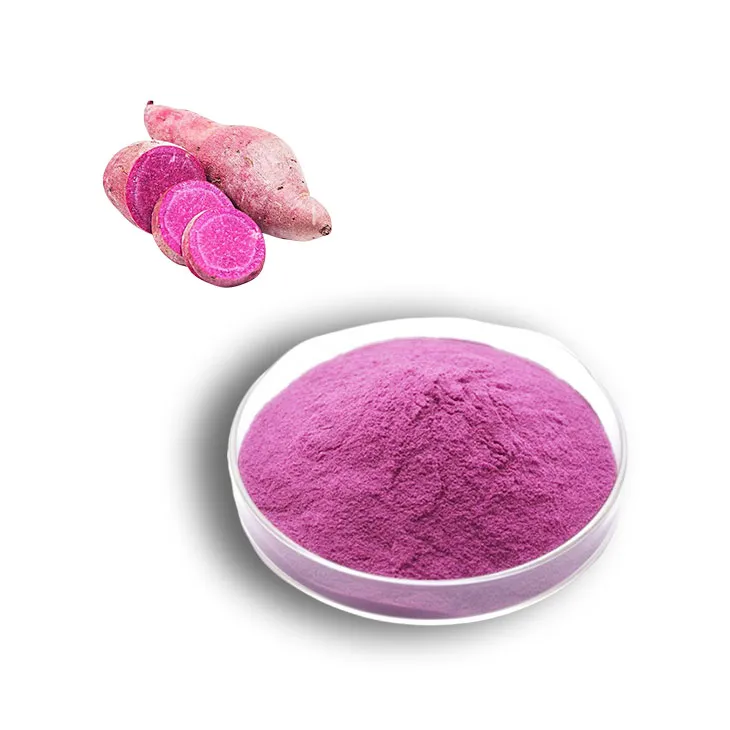
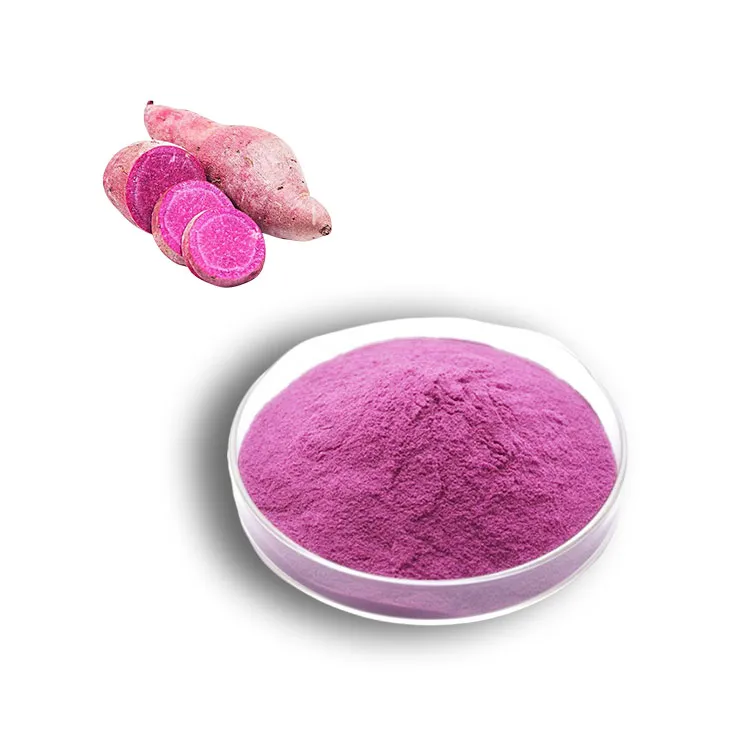
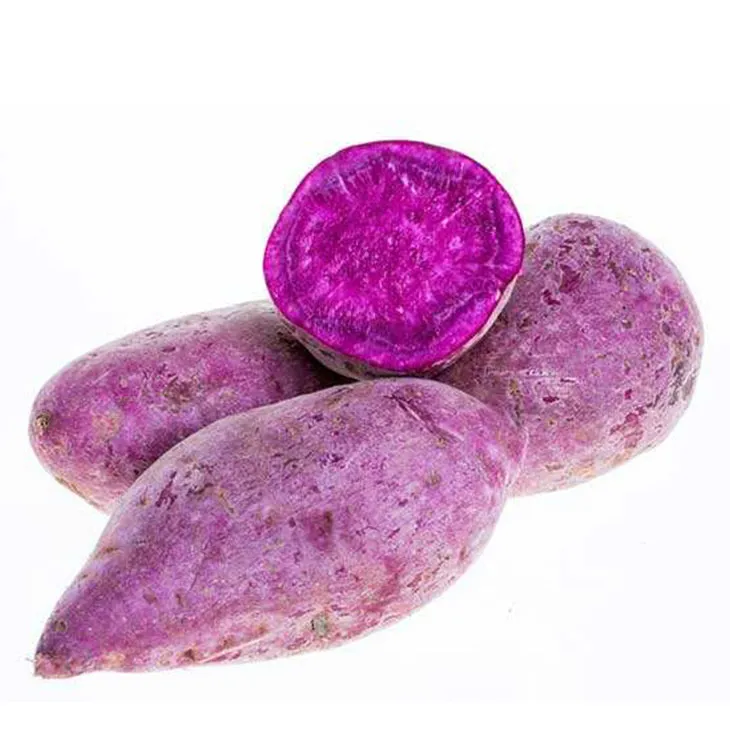
Purple sweet potato (Dioscorea alata L.), also known as purple yam or water yam, has captivated both the food industry and the health supplement market with its striking natural pigmentation and powerful antioxidant profile. The vibrant purple hue comes from a rich concentration of anthocyanins — nature's most potent water-soluble antioxidants — making this extract a dual-purpose ingredient for both health and color applications.
Part 1: What Is Purple Sweet Potato Extract?
Botanical Overview
Parameter Detail Botanical Name Dioscorea alata L. Family Dioscoreaceae Common Names Purple yam, water yam, 紫山药, 参薯 Part Used Tuber (root) Major Growing Regions China (Guangxi, Fujian, Taiwan), Southeast Asia, Japan, Okinawa
Important Botanical Clarification
It is critical to distinguish Dioscorea alata (purple yam) from Dioscorea villosa (wild yam). These are different species within the same genus with entirely different active compounds:
Species Common Name Primary Active Compound Main Use Dioscorea alata Purple Yam / Water Yam Anthocyanins (cyanidin-3-glucoside) Antioxidant, natural colorant Dioscorea villosa Wild Yam Diosgenin Hormonal balance, women's health
Dioscorea alata contains negligible diosgenin (< 0.1%) and should not be used for diosgenin standardization. Its value lies in its anthocyanin content.
Active Compounds
The anthocyanin profile of purple sweet potato is distinctive and well-characterized:
Anthocyanin Proportion of Total Key Properties Cyanidin-3-glucoside 60–70% Primary antioxidant, most studied Peonidin-3-glucoside 20–30% Methylated derivative, enhanced stability Cyanidin-3-rutinoside 5–10% Additional antioxidant capacity
Additional bioactive components include:
Total polyphenols: 100–300 mg GAE per 100 g fresh weight
Phenolic acids: ferulic acid, vanillic acid
Dioscin: 0.1–0.5% (cardiovascular protective saponin)
Allantoin: 0.1–0.3% (skin repair and regeneration)
Mucilage polysaccharides: 5–15% (immune modulation)
Standard Specifications We Offer
Specification Anthocyanins Polyphenols Application Purple Yam Extract 2% Anthocyanins ≥ 2.0% (pH differential) ≥ 15% Food & beverage coloring, general antioxidant Purple Yam Extract 5% Anthocyanins ≥ 5.0% (pH differential) ≥ 20% Premium supplements, cosmetics Purple Yam Extract 10% Anthocyanins ≥ 10.0% (HPLC) ≥ 25% High-end nutraceuticals
Quality Specifications (5% Anthocyanins)
Parameter Specification Test Method Appearance Purple to purple-red fine powder Visual Odor Characteristic sweet potato aroma Organoleptic Anthocyanins ≥ 5.0% pH differential method / HPLC Cyanidin-3-glucoside ≥ 2.5% HPLC-UV Total Polyphenols ≥ 20% Folin-Ciocalteu Moisture ≤ 8.0% Loss on drying Ash ≤ 10.0% Incineration Particle Size 95% through 80 mesh Sieve analysis Heavy Metals Pb ≤ 2.0, As ≤ 1.0, Hg ≤ 0.1, Cd ≤ 0.5 mg/kg ICP-MS
Certificate of Analysis (COA)
Each batch includes a full COA with anthocyanin quantification (both pH differential method and HPLC), polyphenol content, heavy metals, microbiological parameters, and colorimetric data (CIE Lab* values). Third-party test reports available upon request.
Part 2: Core Benefits & Mechanisms of Action
1. Potent Antioxidant Activity
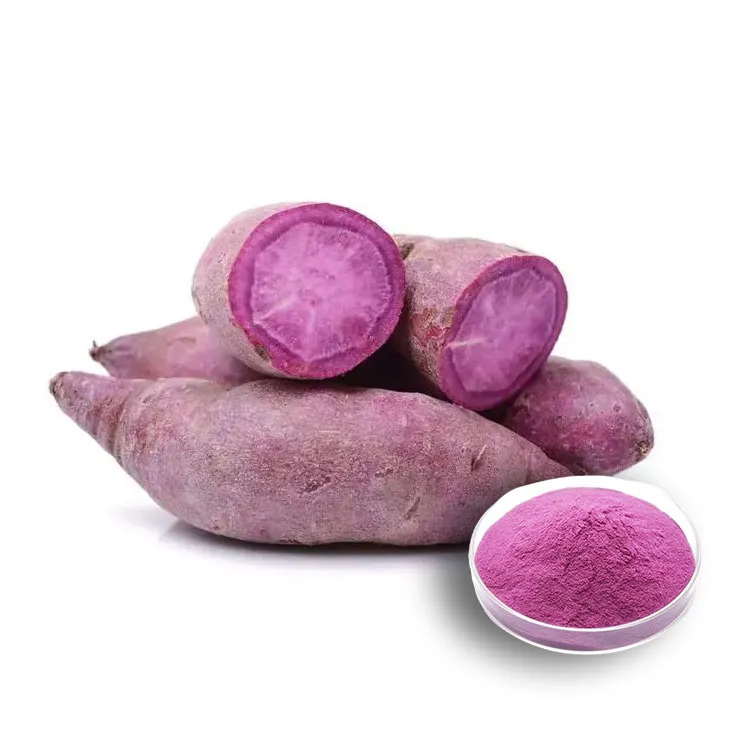
Purple sweet potato anthocyanins are among the most powerful natural antioxidants available. Research published in the Journal of Agricultural and Food Chemistry has demonstrated that cyanidin-3-glucoside, the primary anthocyanin in purple yam, exhibits an ORAC (Oxygen Radical Absorbance Capacity) value significantly higher than many common fruits and vegetables.
The antioxidant mechanism operates through multiple pathways:
Direct free radical scavenging — the hydroxyl groups on the anthocyanin structure donate electrons to neutralize reactive oxygen species (ROS)
Metal chelation — anthocyanins bind transition metals (Fe²⁺, Cu²⁺) that catalyze free radical formation via Fenton reactions
Enzyme modulation — upregulation of endogenous antioxidant enzymes including superoxide dismutase (SOD), catalase (CAT), and glutathione peroxidase (GPx)
2. Anti-Inflammatory Properties
Anthocyanins from purple sweet potato have demonstrated significant anti-inflammatory effects. Studies published in the Journal of Nutrition have shown that cyanidin-3-glucoside inhibits the production of pro-inflammatory cytokines including TNF-α, IL-6, and IL-1β by suppressing NF-κB activation.
The anti-inflammatory mechanism involves:
NF-κB pathway inhibition — reduced translocation of NF-κB to the nucleus
COX-2 and iNOS suppression — decreased expression of key inflammatory enzymes
MAPK signaling modulation — attenuation of stress-activated protein kinase pathways
3. Cardiovascular Protection
Multiple epidemiological and clinical studies have linked anthocyanin-rich diets to improved cardiovascular outcomes. A study published in the American Journal of Clinical Nutrition (Cassidy et al., 2013) found that higher anthocyanin intake was associated with a significantly reduced risk of myocardial infarction in women.
Purple sweet potato anthocyanins support cardiovascular health through:
Endothelial function improvement — enhanced nitric oxide bioavailability
LDL oxidation inhibition — protection of LDL particles from oxidative modification
Blood pressure modulation — ACE-inhibitory activity demonstrated in in vitro models
Platelet aggregation reduction — anti-thrombotic properties
4. Skin Health & Anti-Aging
The anthocyanin fraction of purple sweet potato has emerging applications in dermatological and cosmetic science. Research in the Journal of Cosmetic Dermatology has suggested that anthocyanins protect skin cells from UV-induced damage through their antioxidant and anti-inflammatory properties.
Additionally, the allantoin content (0.1–0.3%) in purple yam extract provides direct skin repair benefits by promoting cell proliferation and tissue regeneration.
5. Blood Sugar Regulation
A study published in the Journal of Medicinal Food demonstrated that purple sweet potato anthocyanins improved insulin sensitivity and reduced postprandial blood glucose levels. The proposed mechanism involves inhibition of α-glucosidase and α-amylase enzymes, which slow carbohydrate digestion and absorption.
Part 3: Wide-Ranging Application Fields
Natural Food Colorant (E163)
One of the largest commercial applications for purple sweet potato extract is as a natural purple/red colorant in food and beverage products:
Bakery products — bread, pastries, cakes, macarons
Beverages — smoothies, juices, functional drinks, alcoholic beverages
Confectionery — gummies, hard candies, chocolate coatings
Dairy products — yogurt, ice cream, cheese
Snack foods — chips, crackers, extruded snacks
Advantage over synthetic colors: Clean label, consumer-friendly, no E-number stigma, excellent heat stability compared to berry-derived anthocyanins.
Dietary Supplements & Nutraceuticals
Purple sweet potato extract is formulated into:
Antioxidant capsules and tablets — standalone or in combination formulas
Eye health supplements — combined with lutein and zeaxanthin
Cardiovascular support formulas — combined with hawthorn and CoQ10
Anti-aging supplements — combined with resveratrol and Astaxanthin
Cosmetics & Personal Care
The cosmetic industry values purple sweet potato extract for:
Anti-aging serums and creams — antioxidant protection against environmental stressors
Natural colorant in makeup — lipsticks, blushes, eyeshadows
Hair care products — natural purple pigmentation in shampoos and conditioners
Suncare products — UV protection enhancement through free radical scavenging
Functional Foods & Beverages
Energy bars and protein bars — natural coloring with added antioxidant benefits
Plant-based milks — visual appeal and functional positioning
Fermented beverages — kombucha, kefir with functional positioning
Part 4: Key Considerations When Choosing a Quality Purple Sweet Potato Extract
Anthocyanin Content Verification
The most critical quality parameter is the verified anthocyanin content. Ensure your supplier uses both:
pH differential method (AOAC 2005.02) for total anthocyanin quantification
HPLC analysis for individual anthocyanin profiling (cyanidin-3-glucoside, peonidin-3-glucoside)
Beware of suppliers who only report total anthocyanins without individual compound verification, as this can mask inferior raw material quality.
Extraction Process
Our extraction process is specifically designed to preserve anthocyanin integrity:
Parameter Condition Rationale Solvent Acidified ethanol-water (0.1% citric acid or HCl) Low pH stabilizes anthocyanin structure pH 2.0–3.0 Prevents anthocyanin degradation Temperature 40–50°C Avoids thermal degradation of heat-sensitive compounds Drying Freeze-drying or low-temperature spray drying Preserves color potency and bioactivity
Color Stability
Purple sweet potato anthocyanins demonstrate superior heat and light stability compared to grape skin or black carrot extracts. Our processing conditions are optimized to maximize this inherent stability, resulting in extracts that maintain their vibrant color through typical food processing temperatures (up to 85°C).
Third-Party Testing & Certifications
We provide:
Full COA with every shipment
HPLC and pH differential method anthocyanin testing
Heavy metals and microbiological analysis
Colorimetric data (CIE Lab*) for consistent color matching
Available certifications: ISO 22000, HACCP, Kosher, Halal, Non-GMO, Organic (optional)
Part 5: About Us
As a specialist in botanical extracts, we offer Purple Sweet Potato Extract with these advantages:
Premium raw material sourcing — we source from established growing regions in China and Taiwan known for high anthocyanin varieties
Controlled extraction process — acidified ethanol extraction at optimized pH and temperature
Custom specifications — from 2% to 10% anthocyanins, tailored to your application
Color-matching support — we provide CIE Lab* data to ensure consistent color in your finished products
Technical expertise — our team understands both the food coloring and nutraceutical applications
Flexible packaging — 1 kg samples, 5 kg, 25 kg bulk drums, with custom labeling
Conclusion & Call to Action
Purple Sweet Potato Extract represents a rare convergence of natural color, potent antioxidant activity, and consumer-friendly clean-label positioning. Whether you need a vibrant natural colorant for food products, a powerful antioxidant for supplements, or a multi-functional ingredient for cosmetics, purple sweet potato extract delivers on all fronts.
Interested in Purple Sweet Potato Extract?
- ▶ Hesperidin
- ▶ Citrus Bioflavonoids
- ▶ Plant Extract
- ▶ lycopene
- ▶ Diosmin
- ▶ Grape seed extract
- ▶ Sea buckthorn Juice Powder
- ▶ Fruit Juice Powder
- ▶ Hops Extract
- ▶ Artichoke Extract
- ▶ Mushroom extract
- ▶ Astaxanthin
- ▶ Green Tea Extract
- ▶ Curcumin
- ▶ Horse Chestnut Extract
- ▶ Other Product
- ▶ Boswellia Serrata Extract
- ▶ Resveratrol
- ▶ Marigold Extract
- ▶ Grape Leaf Extract
- ▶ New Product
- ▶ Aminolevulinic acid
- ▶ Cranberry Extract
- ▶ Red Yeast Rice
- ▶ Red Wine Extract
- ▶ blog
-
Mulberry leaf Extract
2026-07-22
-
Lily extract
2026-07-22
-
Resveratrol
2026-07-22
-
Curcumin
2026-07-22
-
Diosmin
2026-07-22
-
Polygonum Cuspidatum Extract
2026-07-22
-
Gamma-Aminobutyric Acid
2026-07-22
-
Black Pepper Extract
2026-07-22
-
Tinospora cordifolia extract
2026-07-22
-
Red Date Extract
2026-07-22
