- 0086-571-85302990
- [email protected]




Green Tea Extract (EGCG): Complete Guide to Metabolism, Antioxidant Science & B2B Sourcing (2026)
2026-11-14
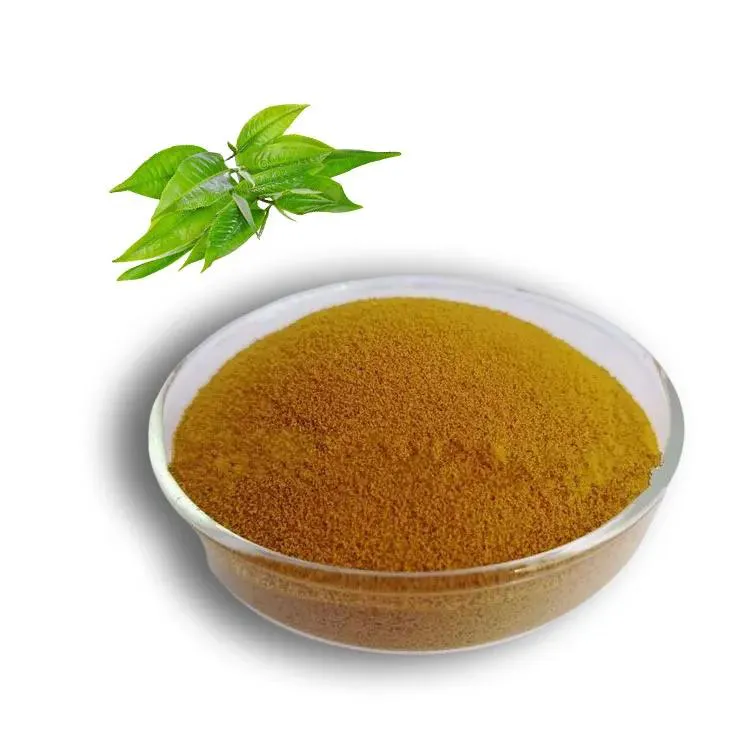
Table of Contents
What Is Green Tea Extract and Why Is It One of the Most Researched Botanicals?
Active Compounds: Catechins, EGCG, Caffeine, and L-Theanine
EGCG: The Most Powerful Catechin — Mechanisms and Clinical Evidence
Metabolism, Fat Oxidation, and Weight Management
Cardiovascular Health: Cholesterol, Blood Pressure, and Endothelial Function
Cognitive Enhancement and Neuroprotection
Anti-Cancer Research: Current Evidence and Limitations
Skin Health and UV Protection
Quality Standards and Certifications for Green Tea Extract
How to Source Premium Green Tea Extract: Decaffeinated, Standardized, and Organic Options
Applications in Supplements, Functional Foods, Beverages, and Cosmetics
Safety, Dosage, Liver Health Considerations, and Regulatory Compliance
Why Choose Greensky as Your Green Tea Extract Supplier
1. What Is Green Tea Extract and Why Is It One of the Most Researched Botanicals?
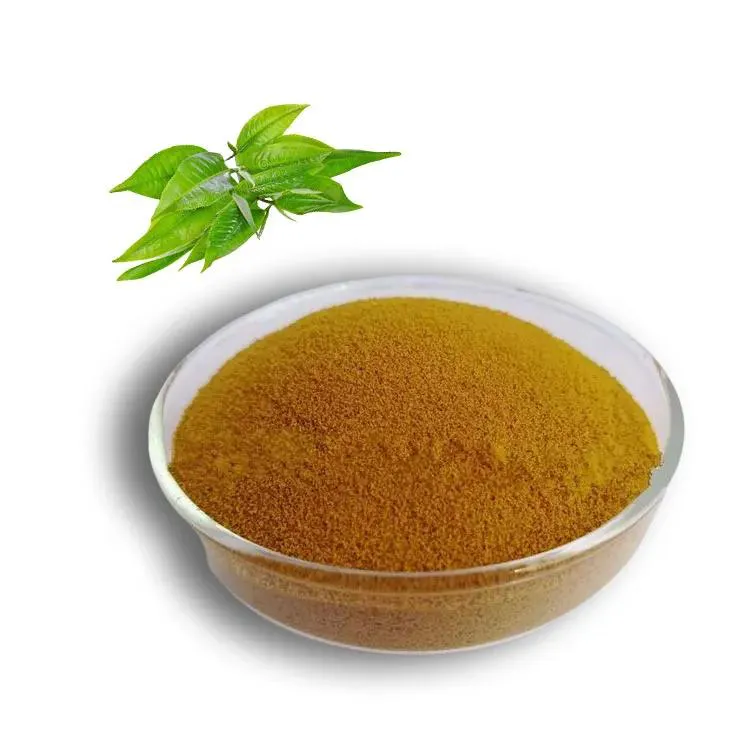
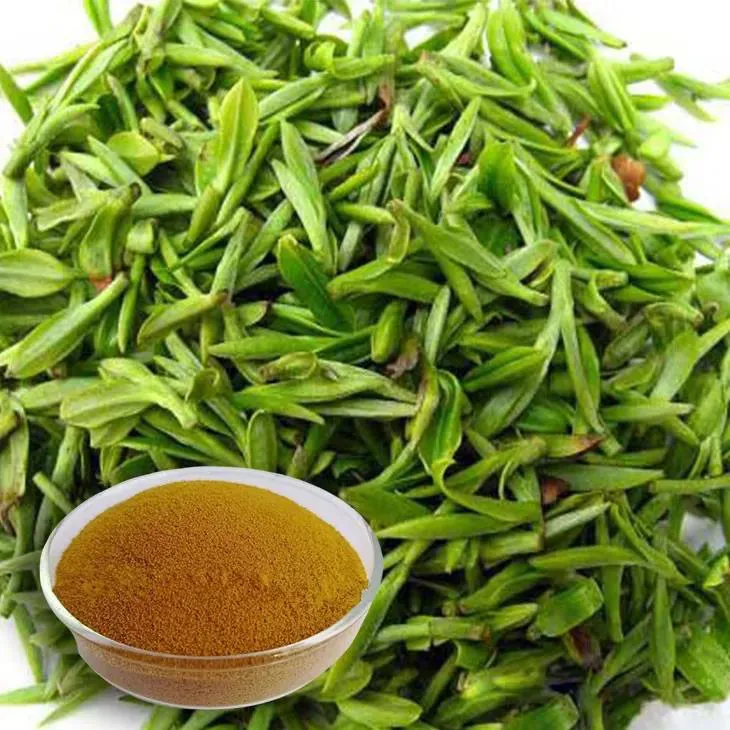
Green tea (Camellia sinensis) is the world's second most consumed beverage after water, with a history of cultivation and medicinal use spanning over 5,000 years in China. Unlike black tea and oolong tea, green tea leaves are minimally oxidized after harvest, preserving their rich polyphenol content — particularly the catechins that are responsible for green tea's renowned health benefits.
Green tea extract (GTE) is a concentrated preparation of green tea leaves, standardized to specific levels of total catechins and/or epigallocatechin gallate (EGCG) — the most abundant and biologically active catechin in green tea. By concentrating the beneficial compounds found in brewed green tea, GTE delivers therapeutic doses that would be impractical to achieve through beverage consumption alone.
The global green tea extract market is projected to exceed USD 300 million by 2028, driven by its established presence in weight management supplements, the growing demand for natural antioxidant ingredients, the expanding functional beverage sector, and the increasing use of green tea polyphenols in cosmetic and personal care formulations.
Green tea extract is arguably the most extensively researched botanical ingredient in the dietary supplement industry, with thousands of peer-reviewed studies documenting its effects on metabolism, cardiovascular health, cognitive function, cancer prevention, and skin health.
2. Active Compounds: Catechins, EGCG, Caffeine, and L-Theanine
2.1 Major Catechin Profile
CompoundAbbreviation% of Total CatechinsPrimary ActivityEpigallocatechin GallateEGCG50–60%Most potent antioxidant, metabolism, anti-cancerEpicatechin GallateECG10–15%Antioxidant, cardiovascular protectionEpigallocatechinEGC10–15%Antioxidant, anti-inflammatoryEpicatechinEC5–10%Vascular health, nitric oxide production
2.2 Other Bioactive Components
CompoundContentPrimary ActivityCaffeine2–4%Alertness, thermogenesis, fat oxidationL-Theanine1–2%Relaxation without drowsiness, synergistic with caffeineTheobromineTraceMild stimulant, vasodilatorTheanine derivativesVariableGABA modulation, stress reductionFlavonols (Quercetin, kaempferol)TraceAntioxidant, anti-inflammatory
2.3 The Caffeine-EGCG Synergy
One of the most important aspects of green tea extract is the synergistic interaction between EGCG and caffeine:
Fat oxidation: The combination of EGCG + caffeine produces significantly greater fat oxidation than either compound alone
Thermogenesis: Caffeine stimulates catecholamine release, while EGCG inhibits catechol-O-methyltransferase (COMT), the enzyme that breaks down norepinephrine — extending and amplifying the thermogenic effect
Cognitive function: L-theanine modulates caffeine's stimulant effects, producing "calm alertness" without jitteriness
3. EGCG: The Most Powerful Catechin — Mechanisms and Clinical Evidence
3.1 Antioxidant Potency
ORAC value: EGCG has one of the highest Oxygen Radical Absorbance Capacity values among all natural compounds
ROS scavenging: Directly neutralizes superoxide, hydroxyl, and peroxyl radicals
Antioxidant enzyme upregulation: Activates the Nrf2 pathway, increasing endogenous antioxidant enzyme expression (SOD, catalase, glutathione peroxidase)
Metal chelation: Binds Fe²⁺ and Cu²⁺, preventing Fenton reaction-mediated free radical generation
3.2 Anti-Inflammatory Mechanisms
NF-κB inhibition: EGCG inhibits NF-κB activation, reducing pro-inflammatory cytokine production
COX-2 and iNOS downregulation: Reduces expression of key inflammatory enzymes
MAPK pathway modulation: Affects multiple signaling cascades involved in inflammation
3.3 Epigenetic Modulation
Emerging research reveals that EGCG can modulate gene expression through:
DNA methyltransferase (DNMT) inhibition: Reactivation of tumor suppressor genes silenced by hypermethylation
Histone modification: Affecting chromatin structure and gene accessibility
microRNA regulation: Modulating expression of disease-relevant microRNAs
4. Metabolism, Fat Oxidation, and Weight Management
4.1 Fat Oxidation During Exercise
RCT (n = 12): Green tea extract (containing 366 mg EGCG + caffeine) increased fat oxidation during moderate-intensity cycling by +17% compared to placebo
Meta-analysis (11 RCTs): Green tea catechins significantly increased fat oxidation during exercise (+11.7 g/day) and resting energy expenditure
4.2 Body Weight and Composition
Meta-analysis (14 RCTs, n = 1,216): Green tea extract supplementation produced modest but significant reductions in:
Body weight: -1.31 kg vs. placebo
Waist circumference: -1.93 cm
Body fat percentage: -0.5%
Dose-response: Effects were more pronounced at EGCG doses ≥300 mg/day
Population differences: Greater effects observed in Asian populations compared to Western populations (possibly due to COMT genetic polymorphisms)
4.3 Mechanisms of Weight Management
Thermogenesis: EGCG inhibits COMT, prolonging norepinephrine activity and increasing energy expenditure
Fat oxidation: Increased β-oxidation of fatty acids in liver and skeletal muscle
Appetite modulation: Some evidence suggests EGCG may influence ghrelin and leptin signaling
Gut microbiome: EGCG modulates gut bacteria composition, reducing energy harvest from food
5. Cardiovascular Health: Cholesterol, Blood Pressure, and Endothelial Function
5.1 Cholesterol and Lipid Profile
Meta-analysis (14 RCTs): Green tea extract/catechin supplementation significantly reduced:
Total cholesterol: -7.15 mg/dL
LDL cholesterol: -5.27 mg/dL
No significant effect on HDL or triglycerides
LDL oxidation: EGCG is a potent inhibitor of LDL oxidation, reducing the formation of oxidized LDL particles that drive atherosclerosis
5.2 Blood Pressure
Meta-analysis (20 RCTs): Green tea consumption and extract supplementation significantly reduced:
Systolic blood pressure: -1.98 mmHg
Diastolic blood pressure: -1.93 mmHg
Mechanism: Improved endothelial nitric oxide production, reduced oxidative stress, and ACE inhibition activity
5.3 Endothelial Function
Flow-mediated dilation (FMD): Green tea catechins significantly improve FMD, a validated marker of endothelial health
eNOS activation: EGCG activates endothelial nitric oxide synthase via PI3K/Akt signaling
6. Cognitive Enhancement and Neuroprotection
6.1 Acute Cognitive Effects
EEG studies: Green tea extract (containing L-theanine + caffeine) increases alpha brain wave activity, associated with "calm alertness"
Working memory: Acute improvements in working memory accuracy and speed
Attention: Improved sustained attention and reduced mind-wandering
6.2 Neurodegenerative Disease Prevention
Alzheimer's disease: EGCG inhibits amyloid-beta aggregation and fibril formation in preclinical models; promotes non-amyloidogenic processing of amyloid precursor protein (APP)
Parkinson's disease: EGCG protects dopaminergic neurons from oxidative stress and neurotoxin-induced damage
Epidemiological evidence: Regular green tea consumers show 35% lower risk of cognitive decline compared to non-consumers
6.3 The L-Theanine Advantage
L-theanine, a unique amino acid found almost exclusively in tea, crosses the blood-brain barrier and:
Increases GABA, serotonin, and dopamine: Neurotransmitters associated with relaxation and mood
Reduces cortisol: Stress hormone reduction during acute stress
Synergizes with caffeine: Improves attention while reducing jittery side effects
7. Anti-Cancer Research: Current Evidence and Limitations
7.1 Preclinical Evidence
EGCG demonstrates anti-cancer activity across multiple mechanisms in cell culture and animal models:
Apoptosis induction: Promotes programmed cell death in cancer cells
Cell cycle arrest: Halts cancer cell proliferation at G1 and G2/M checkpoints
Angiogenesis inhibition: Reduces VEGF expression, limiting tumor blood supply
Metastasis inhibition: Reduces MMP expression, limiting cancer cell invasion
Epigenetic reprogramming: DNMT inhibition reactivates silenced tumor suppressor genes
7.2 Clinical Evidence
Human clinical trials are more limited:
Prostate cancer: RCT (n = 60, men with HGPIN) found that green tea catechin supplementation (600 mg/day) reduced progression to prostate cancer from 30% (placebo) to 3% (GTE)
Breast cancer: Observational studies show reduced breast cancer recurrence in women consuming ≥3 cups of green tea daily
Important caveat: EGCG is not a cancer treatment; research is at the prevention and adjunctive support stage
8. Skin Health and UV Protection
8.1 UV Protection
Topical application: Green tea polyphenols applied to skin before UV exposure significantly reduce sunburn cell formation and DNA damage
Oral supplementation: Green tea extract supplementation increases the skin's resistance to UV-induced erythema (minimum erythema dose increased by +15–25%)
Mechanism: EGCG reduces UV-induced ROS, inhibits inflammatory responses, and promotes DNA repair
8.2 Anti-Aging
Collagen protection: EGCG inhibits collagenase (MMP-1), preserving collagen integrity
Elastin protection: Reduces elastin degradation in photoaged skin
Clinical trials: Topical green tea extract formulations show improvements in skin elasticity, roughness, and overall appearance
9. Quality Standards and Certifications for Green Tea Extract
Parameter Standard Specification Total catechins ≥50%, ≥70%, ≥90% (varies by product grade) EGCG ≥30%, ≥45%, ≥50%, ≥98% (varies) Caffeine ≤5% (decaffeinated); ≤8% (standard) Heavy metals Pb < 1.0 ppm, As < 0.5 ppm, Cd < 0.3 ppm, Hg < 0.1 ppm Pesticide residues Compliant with EU MRL standards (stricter for green tea) Microbiological limits Total plate count < 1,000 CFU/g; E. coli, Salmonella: ND Moisture content < 5.0% Appearance Light yellow to brownish-green powder
10. How to Source Premium Green Tea Extract: A Buyer's Guide
10.1 Product Grades
GradeTotal CatechinsEGCGCaffeineBest ForStandard GTE50–70%25–40%≤8%General supplements, functional beveragesHigh-EGCG GTE70–90%45–55%≤5%Weight management, clinical formulationsDecaffeinated GTE50–90%30–50%≤1%Caffeine-sensitive products, evening formulasOrganic GTE50–70%25–40%≤8%Organic-certified product linesPharmaceutical-grade EGCG≥98%≥98%≤0.1%Research, pharmaceutical applications
10.2 Key Sourcing Considerations
Geographic origin: Chinese (Zhejiang, Fujian, Anhui) and Japanese (Shizuoka, Kagoshima) green teas offer different catechin profiles
Harvest season: Spring harvest leaves generally contain higher catechin content
Processing method: Steam-fixed (Japanese) vs. pan-fired (Chinese) affects catechin preservation
Decaffeination method: CO₂ extraction (preferred) vs. ethyl acetate (may remove beneficial compounds)
Pesticide testing: Green tea is a high-priority crop for pesticide residue testing in EU and US markets
10.3 Red Flags
Synthetic EGCG: Verify natural origin via stable isotope ratio analysis
Under-dosed catechins: Always request third-party HPLC COA
High pesticide residues: Particularly for Chinese-sourced extracts without proper agricultural controls
11. Applications in Supplements, Functional Foods, Beverages, and Cosmetics
11.1 Dietary Supplements
Weight management: 300–500 mg GTE (standardized to ≥50% catechins, ≥30% EGCG)
Antioxidant support: 250–500 mg GTE
Cognitive function: GTE combined with L-theanine (1:1 or 2:1 ratio)
Heart health: Combined with CoQ10, garlic extract, and hawthorn
11.2 Functional Beverages
Ready-to-drink (RTD) teas: Green tea extract for standardized catechin content
Energy drinks: Combined with natural caffeine and B vitamins
Sports drinks: Antioxidant recovery positioning
11.3 Cosmetics and Personal Care
Anti-aging serums: Topical EGCG for collagen protection and UV damage repair
Sunscreen boosters: EGCG enhances SPF efficacy when combined with chemical sunscreens
Acne treatments: Anti-inflammatory and sebum-regulating properties
12. Safety, Dosage, Liver Health Considerations, and Regulatory Compliance
12.1 Recommended Dosage
Application Daily Dosage (GTE) EGCG Equivalent General antioxidant 250–500 mg 75–250 mg Weight management 300–500 mg 150–275 mg Cardiovascular support 250–500 mg 75–250 mg Cognitive support 200–400 mg 60–200 mg
12.2 Liver Health Considerations
Green tea extract safety has been under regulatory scrutiny due to rare cases of hepatotoxicity:
EFSA opinion (2018): EGCG doses ≥800 mg/day from supplements may raise safety concerns; doses <800 mg/day from supplements are generally considered safe
Mechanism: High-dose EGCG may cause oxidative stress in hepatocytes, particularly when taken on an empty stomach
Risk factors: Pre-existing liver conditions, concurrent hepatotoxic medications, fasting state consumption
Recommendation: Take green tea extract with food; avoid doses exceeding 800 mg EGCG/day
12.3 Drug Interactions
Warfarin: Green tea's vitamin K content may interfere with anticoagulation
Beta-blockers (nadolol): Green tea reduces absorption
Stimulants: Additive effects with caffeine-containing products
Iron absorption: Catechins bind non-heme iron — separate supplementation by 2+ hours
12.4 Regulatory Status
FDA: Green tea extract is marketed as a dietary supplement ingredient (NDI notification recommended for new formulations)
EFSA: Health claims for green tea catechins and protection of LDL from oxidative damage are approved
Novel Food: In some jurisdictions, concentrated extracts may require Novel Food authorization
13. Why Choose Greensky as Your Green Tea Extract Supplier
Hangzhou Greensky Biological Tech. Co., Ltd. has been a professional plant extract manufacturer since 2004, offering comprehensive green tea extract sourcing and production capabilities from China's premier tea-growing regions.
Our Green Tea Extract Advantages:
Premium source materials: Sourced from Zhejiang, Fujian, and Anhui — China's most renowned green tea growing regions
GMP-certified production: ISO22000, BRCGS, Ecocert Organic Standard, and SGS-GMP certified manufacturing in 100,000-class clean area
Comprehensive testing: HPLC analysis for catechin profile (EGCG, ECG, EGC, EC), heavy metals, pesticides (EU MRL panel), and microbiological testing
Multiple product grades: Standard GTE, high-EGCG GTE, decaffeinated GTE, organic GTE, and pharmaceutical-grade EGCG (≥98%)
Decaffeination capability: CO₂ decaffeination process that preserves catechin content
Global export experience: Serving customers in Europe, the United States, South Korea, and Russia with full regulatory documentation
Technical support: Formulation guidance, stability testing, and regulatory compliance assistance
- ▶ Hesperidin
- ▶ Citrus Bioflavonoids
- ▶ Plant Extract
- ▶ lycopene
- ▶ Diosmin
- ▶ Grape seed extract
- ▶ Sea buckthorn Juice Powder
- ▶ Fruit Juice Powder
- ▶ Hops Extract
- ▶ Artichoke Extract
- ▶ Mushroom extract
- ▶ Astaxanthin
- ▶ Green Tea Extract
- ▶ Curcumin
- ▶ Horse Chestnut Extract
- ▶ Other Product
- ▶ Boswellia Serrata Extract
- ▶ Resveratrol
- ▶ Marigold Extract
- ▶ Grape Leaf Extract
- ▶ New Product
- ▶ Aminolevulinic acid
- ▶ Cranberry Extract
- ▶ Red Yeast Rice
- ▶ Red Wine Extract
- ▶ blog
-
Artichoke Leaf Extract
2026-11-14
-
Lemon Juice Powder
2026-11-14
-
Maca Extract
2026-11-14
-
Andrographis Paniculata Extract Powder
2026-11-14
-
Oyster Mushroom Extract Powder
2026-11-14
-
Tamarind extract powder
2026-11-14
-
Elderberry Extract
2026-11-14
-
Tongkat Ali Extract Powder
2026-11-14
-
Lavender Extract
2026-11-14
-
Plantain extract
2026-11-14