- 0086-571-85302990
- [email protected]






Who is a trustworthy botanical extracts manufacturer for cosmetics and supplements?
2026-08-17
When you are building a supplement line or a skin-care formula, the botanical extracts you source decide whether your product performs, holds up in compliance reviews, and earns repeat customers. Yet the market is crowded with traders, brokers, and small workshops that all describe themselves as "manufacturers." So how do you tell a genuinely trustworthy plant extract manufacturers apart from the rest?
This guide walks through the concrete criteria that separate reliable plant extract manufacturers from the noise, and the questions worth asking before you commit to a supplier.
Manufacturer or trader? Know the difference
A real manufacturer controls the whole production chain: raw material sourcing, botanical identification, extraction, filtration, concentration, drying, standardization, testing, and packaging. A trader simply resells what someone else produced. That difference matters because quality problems almost always start upstream — in the field, the harvest, or the extraction process — and a trader has no way to fix them.
Before you evaluate anything else, confirm that the company actually owns production. Ask for the factory address, the extraction and drying equipment on site, and the in-house laboratory. A supplier that hesitates to share these details is usually not manufacturing at all.
Six things to check when evaluating a plant extract supplier
Once you have confirmed that a company manufactures rather than trades, work through these six areas. Together they cover everything from production capacity to the paperwork you will need for your own market.
1. Manufacturing capability and production environment
A trustworthy manufacturer should have its own production facilities with documented capacity, not just a rented warehouse. Look for the equipment that actually determines extract quality: extraction tanks, low-temperature concentrators, spray drying towers, and vacuum drying systems. A clean production area matters just as much. For food-grade and cosmetic-grade ingredients, a clean production environment that meets food safety requirements — for example a 100,000-class clean area — is a strong signal that the company takes hygiene seriously.
2. Quality control and testing standards
Quality claims are only as good as the testing behind them. A reliable supplier tests raw materials before production — species identification, origin verification, heavy metals, pesticide residues, and microbial contamination — and tests finished extracts for active content, purity, and stability. The analytical methods to look for are HPLC, GC, and UV testing, ideally run in an in-house laboratory. Always request a Certificate of Analysis (COA) and a specification sheet with every batch, and check whether the numbers actually match the specification.
3. Certifications that match your target market
Certifications are third-party proof of quality and safety, but they only matter if they match the market you sell into. Common ones include ISO 9001, ISO 22000, GMP, HACCP, BRCGS, organic certification, Kosher, and Halal. If you market organic products, you need a supplier with organic certification. If you export to Europe, look for BRCGS or equivalent food-safety certification. A manufacturer that holds several of these — and can show you the certificates rather than just name them — is far easier to trust.
4. Raw material traceability
The quality of a botanical extract starts in the field. Active compound levels vary with climate, soil, harvest timing, and processing methods, so a supplier needs control over botanical species, growing regions, harvest schedules, and storage conditions. Solid traceability prevents ingredient substitution, contamination, and batch-to-batch inconsistency — all of which become your problem once the ingredient reaches your production line.
5. Regulatory and export documentation
If you ship finished products internationally, your supplier's paperwork becomes part of your own compliance file. A trustworthy manufacturer maintains export registration and can provide the documentation needed for global regulatory submissions. This is especially important for supplement brands selling into the United States and Europe, where ingredient documentation is scrutinized closely.
6. Customization and technical support
Modern brands rarely buy off-the-shelf ingredients only. You may need a specific active percentage, a particular extract ratio, a custom particle size, or a formulation tweak. A strong manufacturer supports customized specifications and works with you on sample testing and product optimization, which shortens your development cycle and helps you launch faster.
Cosmetics and supplements: what to prioritize in each
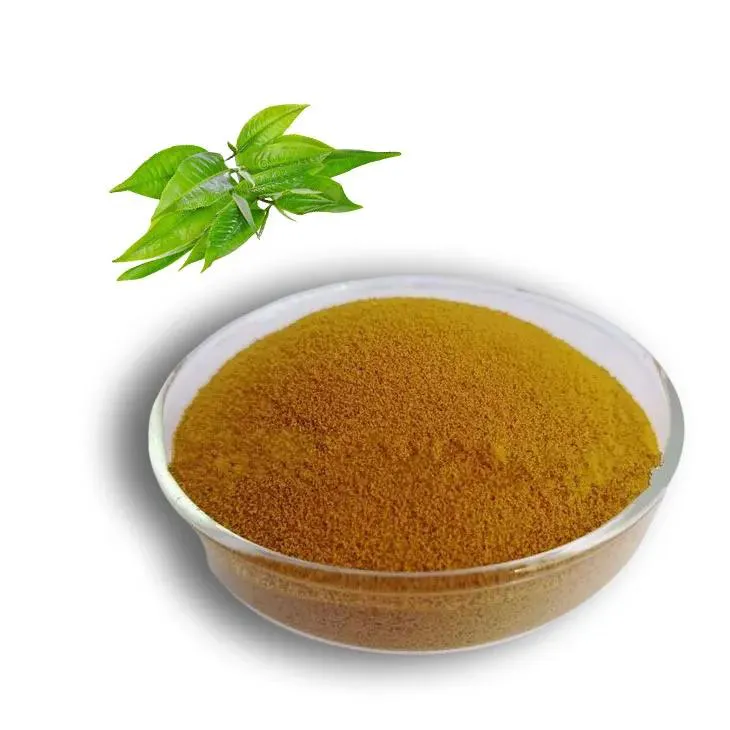
Although the same supplier can serve both industries, the priorities differ. For plant extracts for skin care, consistency is everything — color, odor, and texture must stay stable batch after batch, or your finished product changes visibly. Look for skin-friendly actives such as Centella Asiatica extract, Green Tea Extract, Rosemary extract, grape seed extract, Lycopene, and Astaxanthin, and check that the supplier can hold organic or clean-label credentials if your brand needs them.
For supplements, the focus shifts to standardized active content, purity, and safety. A good example is red yeast rice, where the active compound Monacolin K must fall within a declared range, and the product must be free of citrinin, a contaminant produced during fermentation. Ask the supplier how they standardize actives and what safety tests they run on every batch.
Red flags to watch for
A few warning signs should end the conversation quickly:
- No verifiable factory address or in-house laboratory
- Certifications that cannot be shown or verified
- Refusal to share a COA or specification sheet
- No information about raw material sourcing or traceability
- Prices far below the market average
- Little or no export experience in your region
Questions to ask before you place an order
Shortlist candidates, then put these questions to each one. The answers will tell you more than any brochure.
- Can we audit your factory, or at least arrange a video walkthrough?
- Which certifications apply to this specific product, and can you share the certificates?
- Can you provide a COA and specification sheet for every batch?
- Where are your raw materials sourced, and how do you track them?
- Can you customize active content, extract ratio, or particle size?
- What is your production capacity and typical lead time?
A real-world example: Greensky
Hangzhou Greensky Biological Tech. Co., Ltd. is one manufacturer that checks these boxes in practice. Founded in 2004 and headquartered in Hangzhou, China, Greensky has more than 20 years of experience in identifying, researching, and producing active botanical ingredients, and it operates five wholly-owned subsidiaries that cover research, production, and sales within one group.
Greensky's production base includes a 100,000-class clean production area that meets food-grade requirements, an independent laboratory equipped with GC, HPLC, and UV instruments, and extraction equipment ranging from 6-ton multi-functional extraction tanks to high-efficiency low-temperature concentrators and spray drying towers. The company holds ISO22000, BRCGS, Ecocert Organic Standard, SGS-GMP, ISO9001, HALAL, and Kosher certifications, and maintains export registration with documentation for global regulatory submissions. Its catalog spans roughly 170 products, with plant extracts as the largest category, and in 2023 its export value reached nearly 30 million US dollars, with main markets in Europe, the United States, South Korea, and Russia.
If you are evaluating a plant extract supplier for your next supplement or cosmetic launch, Greensky's team can share specifications, COAs, and samples to help you verify quality before you commit.
Conclusion
Choosing a trustworthy botanical extracts manufacturer comes down to verifiable capability: owned production, in-house testing, real certifications, traceable raw materials, and export experience. Do your homework, ask the right questions, and audit before you commit. A supplier that passes these checks will protect your product quality, your compliance file, and your brand's reputation for years to come.
- ▶ Hesperidin
- ▶ Citrus Bioflavonoids
- ▶ Plant Extract
- ▶ lycopene
- ▶ Diosmin
- ▶ Grape seed extract
- ▶ Sea buckthorn Juice Powder
- ▶ Fruit Juice Powder
- ▶ Hops Extract
- ▶ Artichoke Extract
- ▶ Mushroom extract
- ▶ Astaxanthin
- ▶ Green Tea Extract
- ▶ Curcumin
- ▶ Horse Chestnut Extract
- ▶ Other Product
- ▶ Boswellia Serrata Extract
- ▶ Resveratrol
- ▶ Marigold Extract
- ▶ Grape Leaf Extract
- ▶ New Product
- ▶ Aminolevulinic acid
- ▶ Cranberry Extract
- ▶ Red Yeast Rice
- ▶ Red Wine Extract
- ▶ blog
-
melatonin
2026-08-17
-
Citrus bioflavonoids
2026-08-17
-
Gamma-Aminobutyric Acid
2026-08-17
-
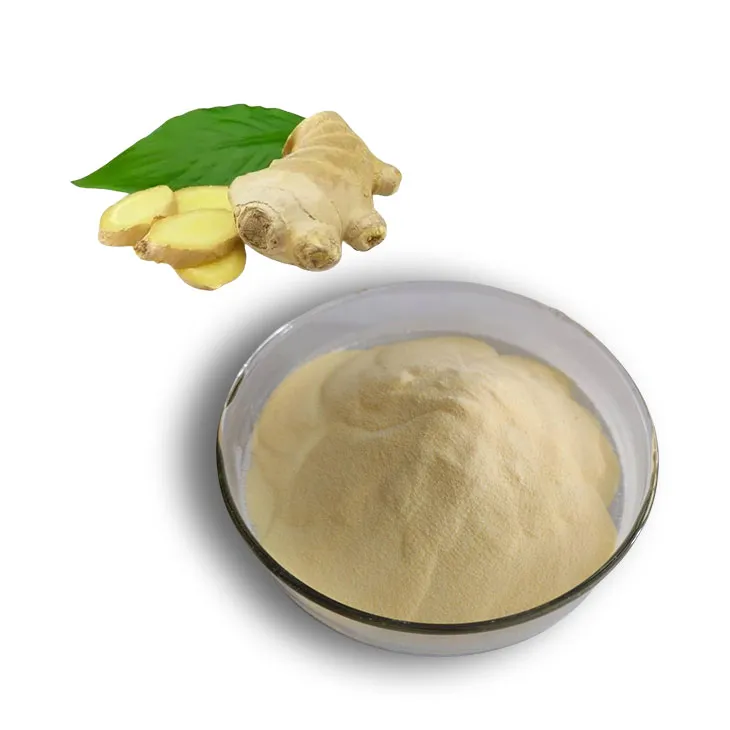
Ginger Extract
2026-08-17
-
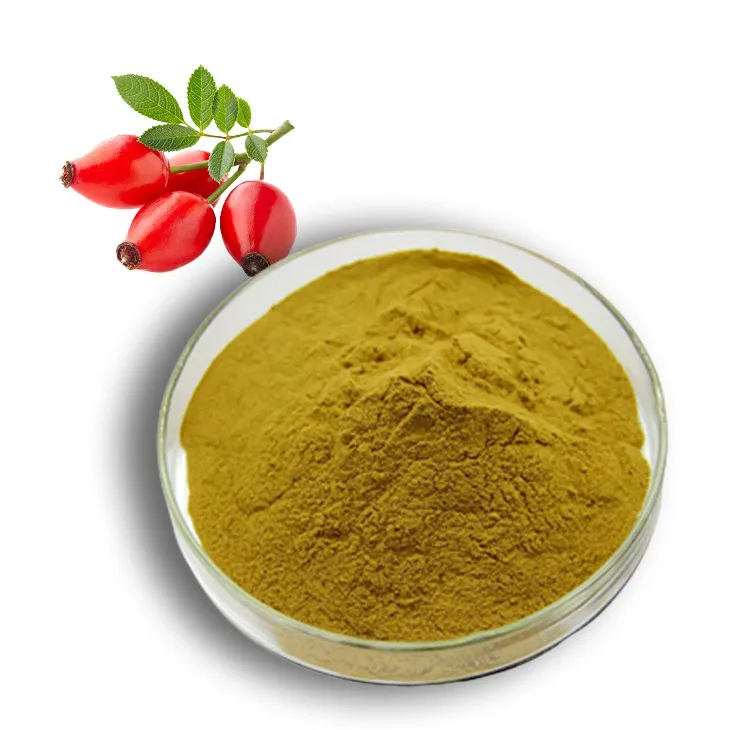
Rose Hip Extract
2026-08-17
-
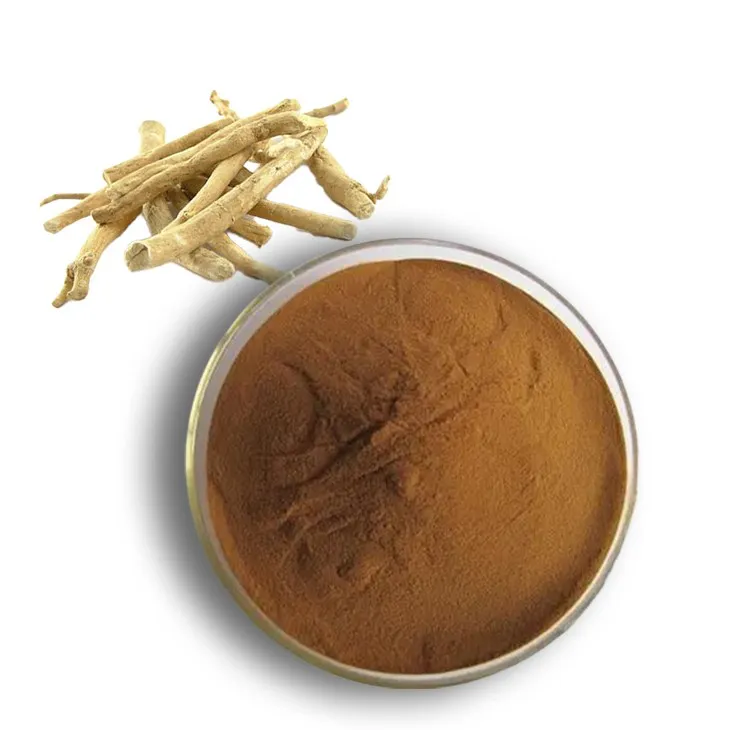
Withania Somnifera Extract
2026-08-17
-
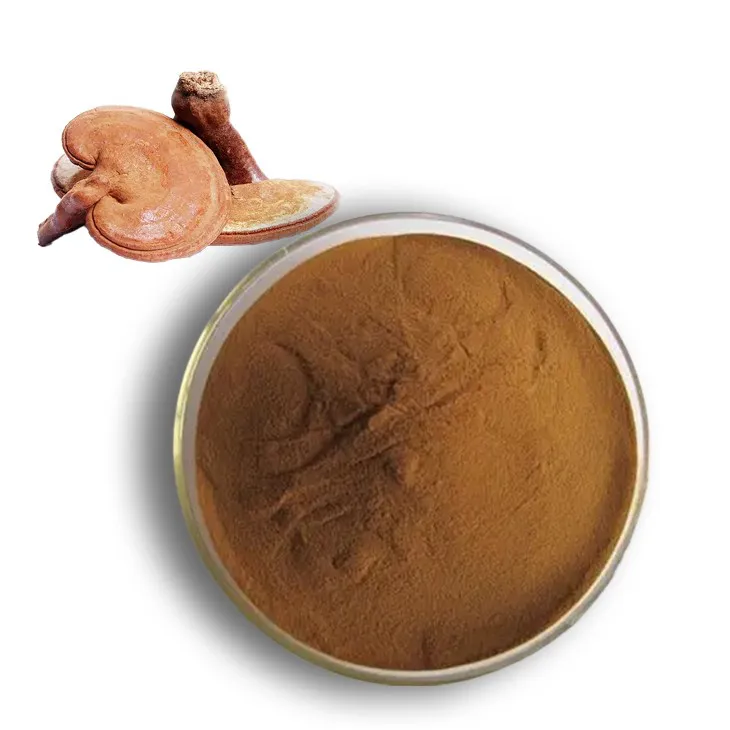
Reishi mushroom extract
2026-08-17
-
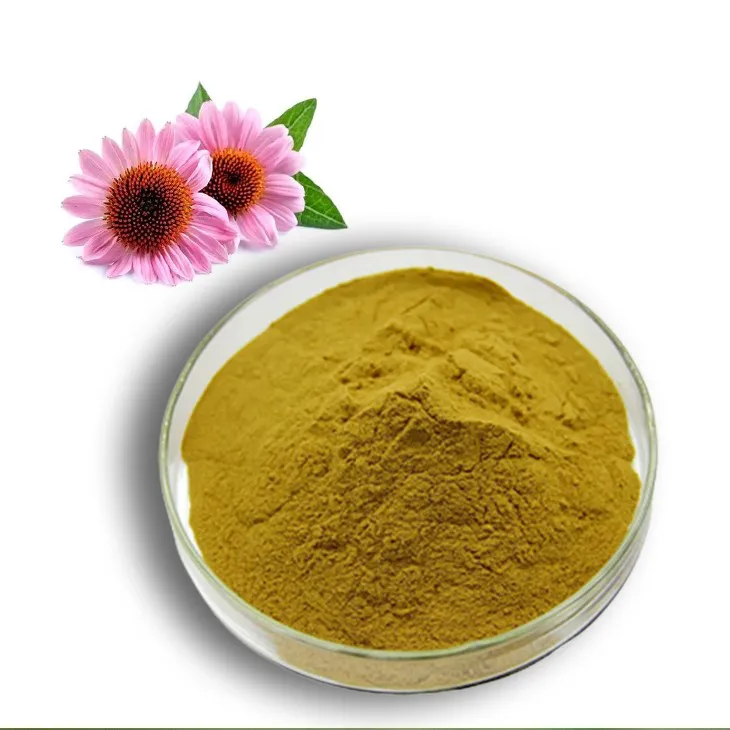
Echinacea Extract
2026-08-17
-
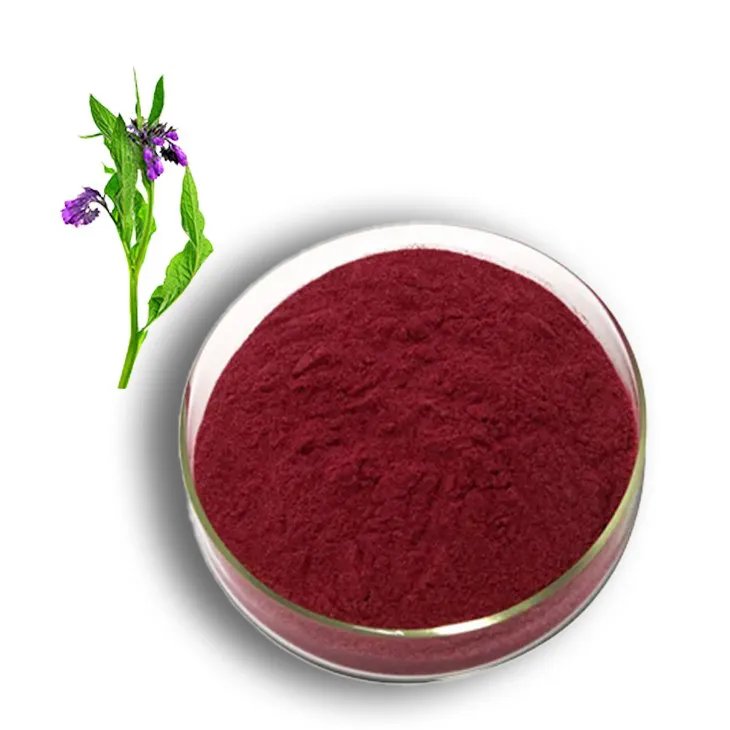
Shikone Extract
2026-08-17
-
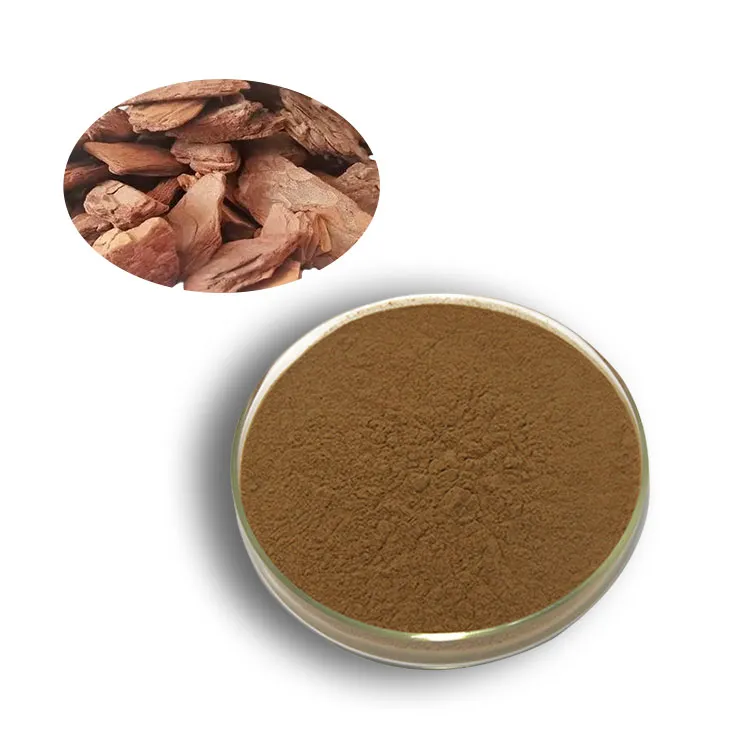
Pine bark Extract Powder
2026-08-17
