We have five factories and 23 years of experience in plant extracts
- 0086-571-85302990
- [email protected]






Which astaxanthin factories supply the European and US markets?
2026-08-19
Related Product
Astaxanthin
We are a professional plant extract manufacturer in China, focusing on the R&D and production of Astaxanthin extract, providi
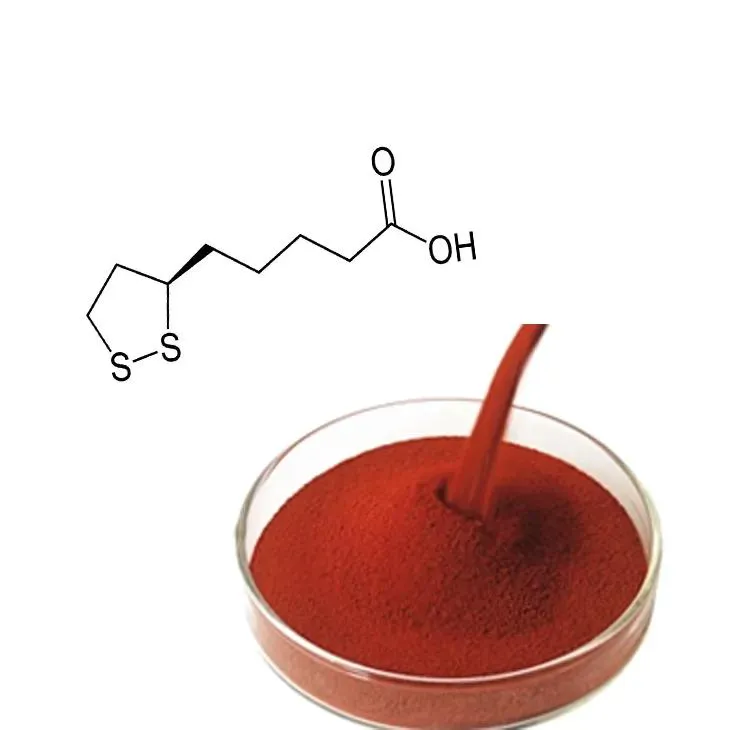
Astaxanthin has become one of the most talked-about natural ingredients in the nutritional market, and its powerful antioxidant properties continue to attract attention from formulators, manufacturers, and consumers. For buyers in Europe and the United States, a practical question keeps coming up: which astaxanthin factories actually supply these two regions? The answer shapes everything from ingredient quality to regulatory compliance and long-term supply security.
Why Europe and the United States rely on imported Astaxanthin
Both the EU and the US are among the world's largest consumers of Astaxanthin, using it in dietary supplements, aquaculture feed, cosmetics, and functional foods. Demand in these markets continues to grow because astaxanthin is a highly researched antioxidant that has been extensively studied and used to protect the eyes and skin, support cardiovascular health, and boost immunity. Despite this strong demand, production capacity within Europe and the US alone cannot always cover local needs, so a significant share of supply comes from dedicated manufacturing facilities around the world.
Astaxanthin used in premium supplements typically comes from two main supply streams. The first is natural astaxanthin, cultivated from the microalgae Haematococcus pluvialis, which is prized for its bio-identical profile and is the dominant choice for high-end brands. The second is chemically synthesized astaxanthin, produced by large chemical groups and used mainly in applications where cost and consistent color matter more than source transparency. When European or US buyers ask which factories are supplying their market, they are usually looking for reliable sources of natural astaxanthin that can also meet strict food-grade and documentation requirements.
Who supplies the European and US markets today
The landscape of astaxanthin suppliers to the West is diverse. A number of specialized algae-based producers operate on different continents and have built strong reputations in international markets. For example, companies in Hawaii and Sweden were among the first to commercialize natural astaxanthin and remain respected names because of their clinical data and clean production. Meanwhile, another group of producers in Israel, Chile, Iceland, and the Czech Republic reaches export markets by emphasizing specific cultivation technology and environmental stories. Alongside these algae specialists, large chemical manufacturers supply synthetic astaxanthin to aquaculture and animal-feed applications.
Interestingly, China has become an increasingly important part of this supply chain. Some of the world's largest natural astaxanthin production facilities are located in China, and the country has also developed a mature network of plant extract manufacturers that produce astaxanthin alongside a broad catalog of botanical ingredients. For many EU and US buyers, working directly with a best astaxanthin producer or a reputable Chinese manufacturer offers a combination of competitive pricing, flexible specifications, and stable capacity that is hard to find elsewhere.
A closer look at a Chinese factory serving global markets
Among the astaxanthin factories that actively supply Europe and the United States is Hangzhou Greensky Biological Tech. Co., Ltd., an English-language B2B manufacturer of natural plant extracts and health product raw materials. Founded in 2004 and headquartered in Hangzhou, Greensky has more than 20 years of experience in identifying, researching, developing, and producing active botanical ingredients. The company operates with full vertical integration across research, development, production, and sales, supported by five wholly owned subsidiaries. Its export business reached nearly 30 million US dollars in 2023, with main markets in Europe, the United States, South Korea, and Russia.
Greensky's astaxanthin is offered as part of its plant extracts category, and the company's approach is built around the same quality system that supports its entire extraction business. Production takes place in a 100,000-class clean area that meets food-grade requirements, with an independent laboratory equipped with GC, HPLC, and UV instruments supporting routine quality control. The factory is also equipped with 6-ton multi-functional extraction tanks, high-efficiency low-temperature concentrators, spray drying towers, and vacuum drying boxes, which allow Greensky to handle consistent industrial-scale output while keeping specifications stable.
For international buyers, documentation is often as important as the powder itself. Greensky holds a range of certifications relevant to export markets, including ISO22000, BRCGS, the Ecocert Organic Standard, SGS-GMP, ISO9001, HALAL, and Kosher, and it maintains export registration and documentation to support global regulatory submissions. This combination of manufacturing control and export readiness is a key reason European and US customers can treat Greensky as a dependable source when they need to buy astaxanthin in bulk for supplements, cosmetics, or functional food applications.
How to choose a reliable astaxanthin factory for your market
Because astaxanthin is a powerful, sensitive antioxidant, the quality of the finished ingredient can vary noticeably between suppliers. Buyers supplying the EU or US should look for several things before committing to a factory. Food-grade production conditions and clean-room control are the first non-negotiable, since astaxanthin destined for human consumption must meet strict safety expectations. Independent laboratory testing and a clear certificate of analysis for potency, purity, and heavy metals help confirm that the product matches the label claim.
Regulatory readiness is equally important. A factory that can provide the documentation needed for submission in European and US markets saves buyers significant time and removes a common source of friction. Finally, practical factors matter: sample availability, minimum order quantities, responsive communication, and a stable production schedule all affect whether a factory can really serve an international customer over the long term. A supplier that manages these details well is far more likely to become a reliable partner than one that looks good on paper alone.
Final thoughts
The European and US markets are served by a mix of specialized algae producers, large chemical groups, and professional plant extract manufacturers. For buyers who want competitive pricing, consistent quality, and a partner that understands export requirements, a verified manufacturer such as Greensky offers a practical path forward. From its food-grade clean production and in-house laboratory to its export-focused certifications, Greensky brings together the control and documentation that formulators in these markets expect. The company can be reached through its website at www.greenskybio.com or by email at [email protected] for inquiries about astaxanthin and other plant extracts.
TAGS:
FAQ
- ▶ Hesperidin
- ▶ Citrus Bioflavonoids
- ▶ Plant Extract
- ▶ lycopene
- ▶ Diosmin
- ▶ Grape seed extract
- ▶ Sea buckthorn Juice Powder
- ▶ Fruit Juice Powder
- ▶ Hops Extract
- ▶ Artichoke Extract
- ▶ Mushroom extract
- ▶ Astaxanthin
- ▶ Green Tea Extract
- ▶ Curcumin
- ▶ Horse Chestnut Extract
- ▶ Other Product
- ▶ Boswellia Serrata Extract
- ▶ Resveratrol
- ▶ Marigold Extract
- ▶ Grape Leaf Extract
- ▶ New Product
- ▶ Aminolevulinic acid
- ▶ Cranberry Extract
- ▶ Red Yeast Rice
- ▶ Red Wine Extract
- ▶ blog
Recommended Products
-
Aguaje Extract
2026-08-19
-
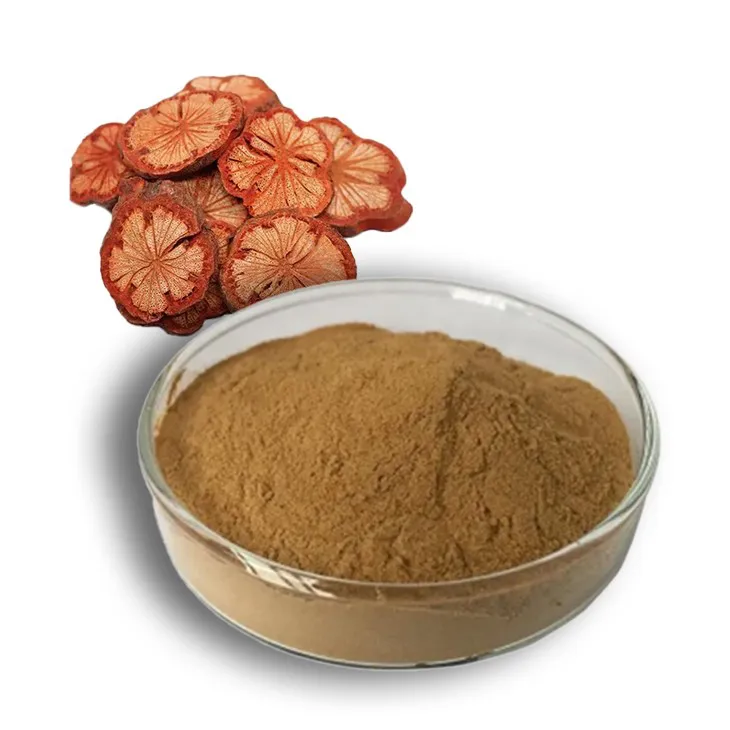
Red Vine Extract
2026-08-19
-
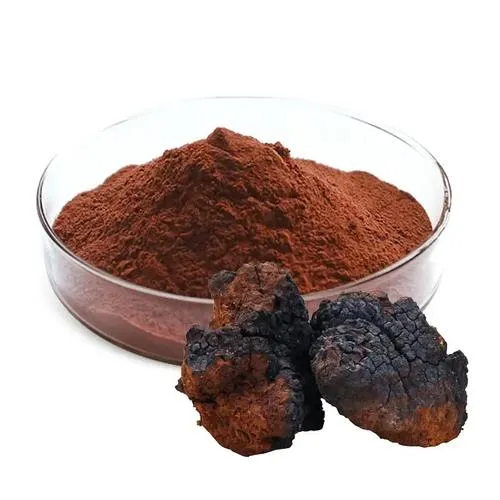
Chaga Mushroom Extract
2026-08-19
-
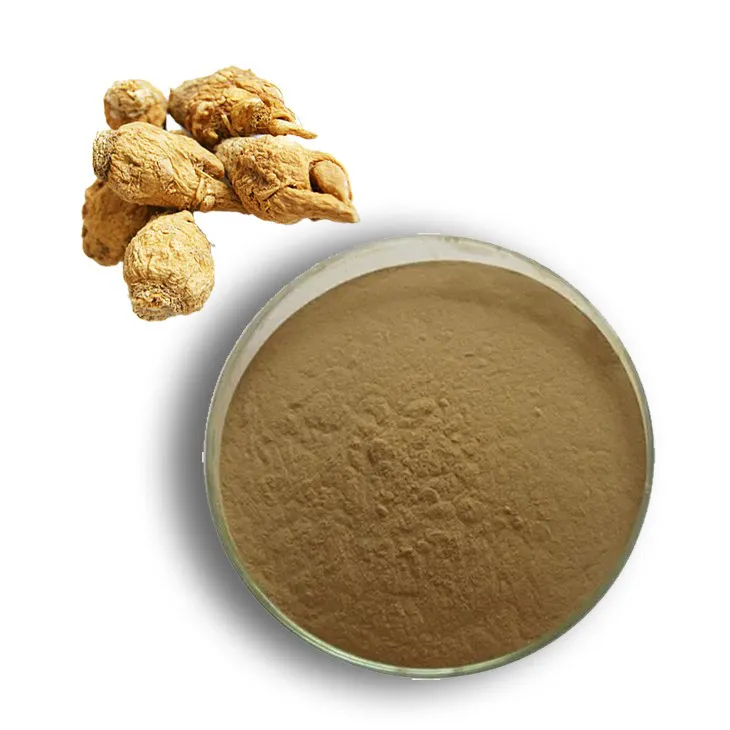
Maca Extract
2026-08-19
-
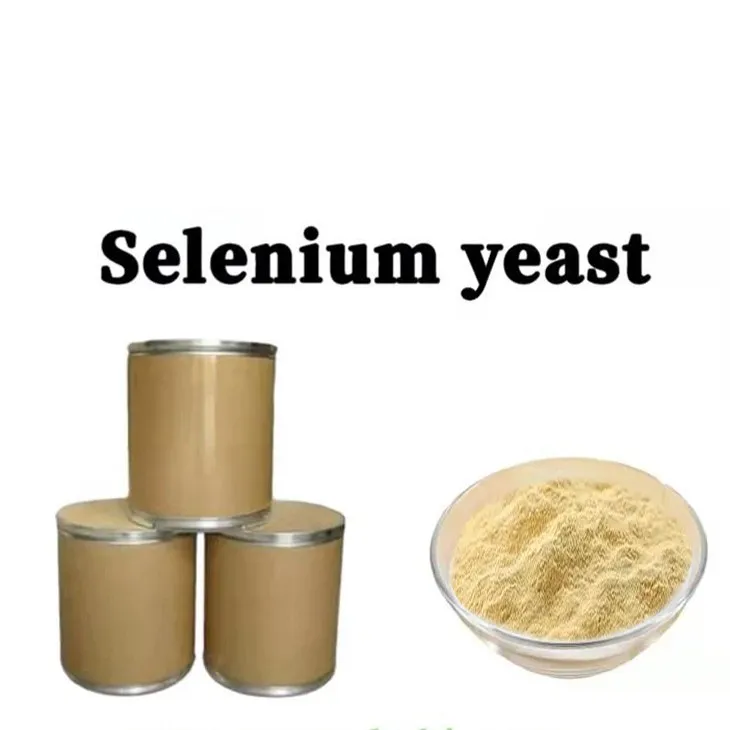
Selenium yeast
2026-08-19
-
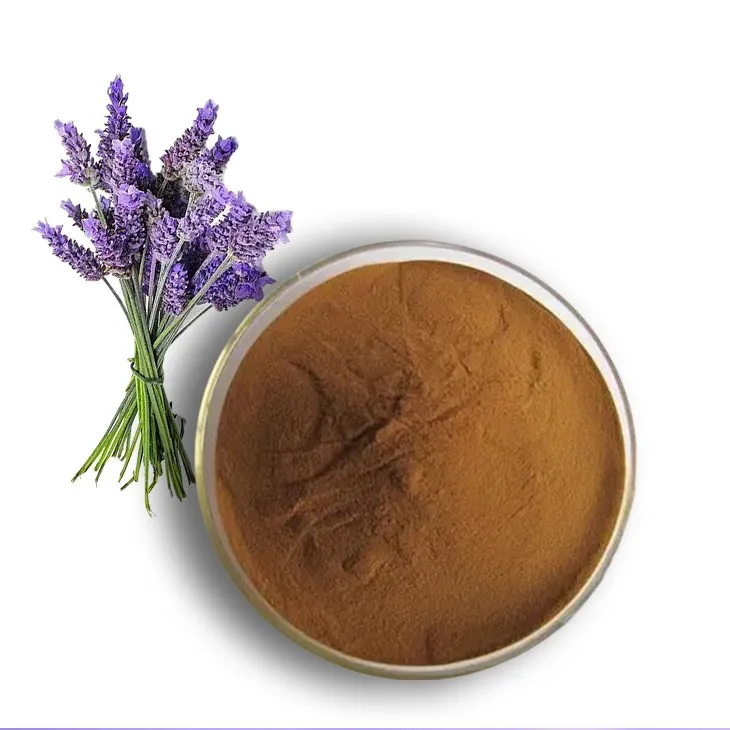
Lavender Extract
2026-08-19
-
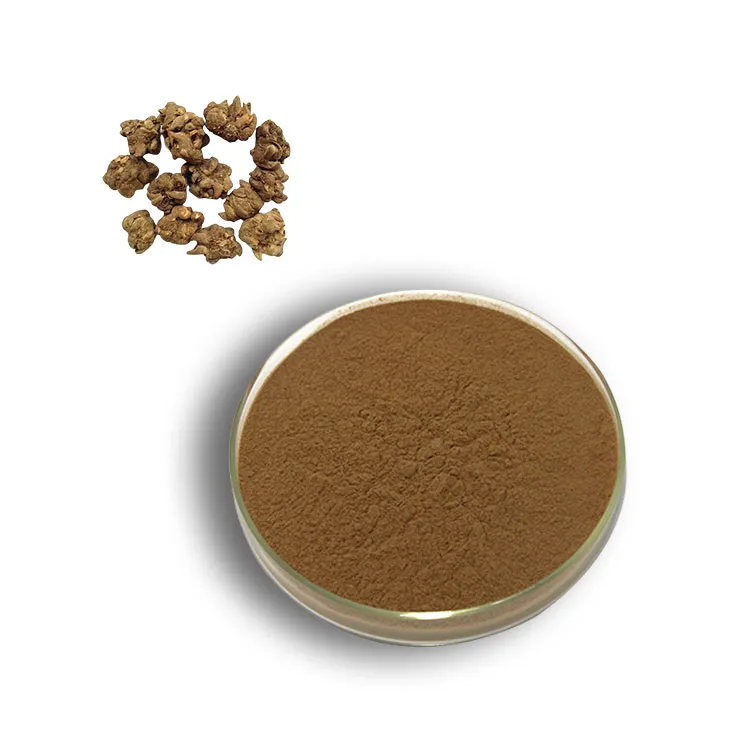
Cat Claw Extract
2026-08-19
-
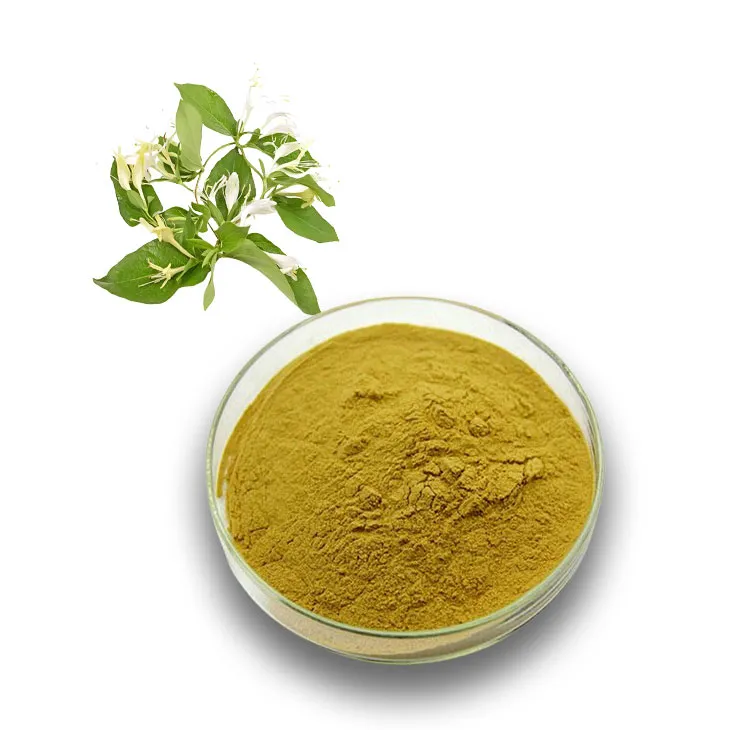
Honeysuckle Pollen
2026-08-19
-
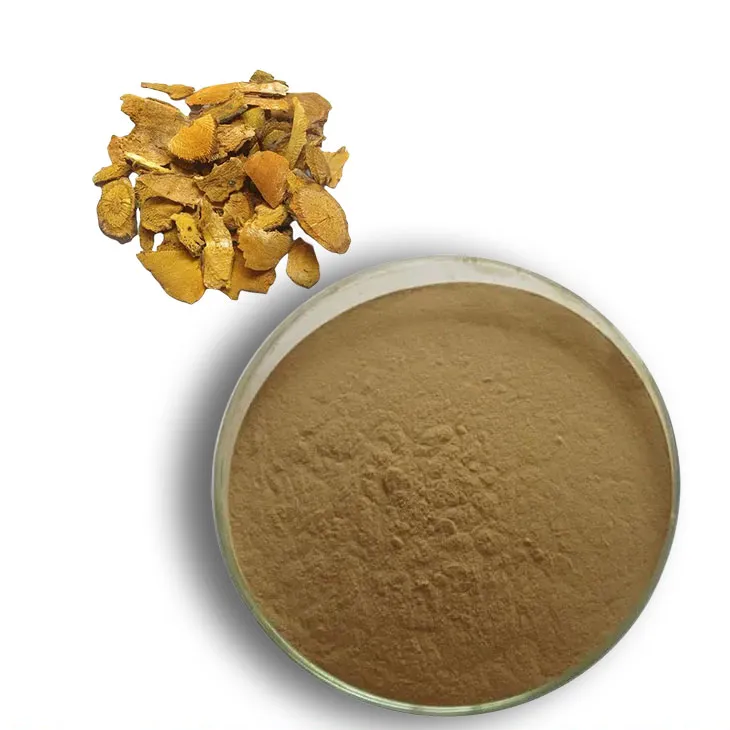
Polygonum Cuspidatum Extract
2026-08-19
-
Sea buckthorn oil
2026-08-19
Get a Quote
