- 0086-571-85302990
- [email protected]






What should I look for when choosing an astaxanthin supplier?
2026-08-14
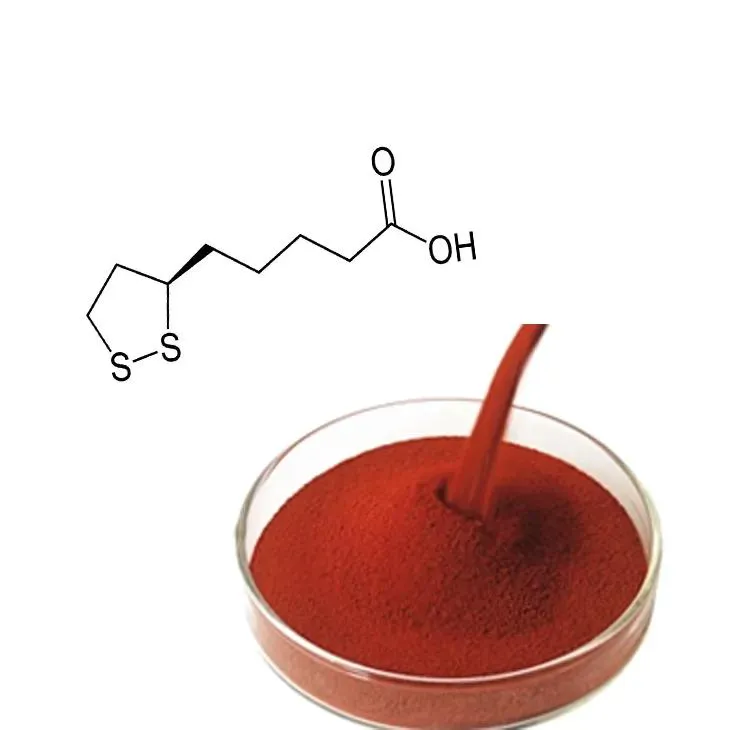
What should I look for when choosing an Astaxanthin supplier?
Astaxanthin has earned a reputation as one of the most powerful natural antioxidants available, and it is now a staple ingredient in dietary supplements, functional foods, and cosmetics. It is widely studied for its role in protecting eye and skin health, supporting cardiovascular wellness, and helping to maintain a healthy immune system. However, the quality of the finished product depends almost entirely on the raw material behind it. Choosing the right astaxanthin supplier is about far more than comparing prices. It is about purity, consistency, regulatory compliance, and long-term reliability. This guide sets out the key factors every buyer should evaluate before making a commitment.
1. Confirm the source: natural versus synthetic Astaxanthin
The first and most important question to ask any supplier is where their astaxanthin comes from. Natural astaxanthin is typically derived from the microalgae Haematococcus pluvialis, which is the preferred source for human nutrition and cosmetic applications because of its superior antioxidant profile and bioavailability. Synthetic astaxanthin, which is produced from petrochemical starting materials, is significantly cheaper but is mainly used in aquaculture feed rather than premium human products. A reliable supplier should be able to clearly state the origin of their astaxanthin and provide a certificate of analysis for every batch. If a supplier cannot explain the source of their material, that alone is a reason to look elsewhere.
2. Verify quality control and manufacturing standards
Certifications are the first line of defense when auditing an astaxanthin manufacturer. Look for suppliers that hold internationally recognized credentials such as ISO22000 for food safety management, GMP certification for good manufacturing practices, and HALAL or Kosher certification if you serve global markets. Organic certification is another strong signal for clean-label brands. Beyond the certificates themselves, ask about the production environment and testing capabilities. A manufacturer with a clean production area and an independent laboratory equipped with HPLC, GC, and UV instruments can verify purity and potency in-house rather than relying on third parties alone.
3. Assess production capacity and supply stability
Astaxanthin is a delicate molecule, and consistent supply depends on a manufacturer's production depth. Vertically integrated companies, which control research, development, production, and sales under one roof, are generally better positioned to guarantee consistent quality and stable delivery. Ask about annual production capacity, typical lead times, and how the company handles raw material sourcing. A supplier with its own production facilities and a track record of exporting to regulated markets such as Europe, the United States, and South Korea is far more likely to meet your timelines and quality expectations than a trading company that simply resells material.
4. Check documentation and regulatory support
Smooth customs clearance and product registration depend on complete documentation. A professional supplier should provide a certificate of analysis, material safety data sheets, stability data, and statements covering GMO-free, allergen-free, and BSE/TSE-free status. Export registration and documentation prepared for global regulatory submissions are a strong indicator that the manufacturer understands international requirements. If a supplier hesitates to share documentation or cannot explain the regulatory status of their products, treat it as a red flag.
5. Request samples and evaluate the total cost
Before placing a bulk order, request samples and have them tested in your own laboratory. Check that the color, odor, and physical form match the specification sheet, and confirm that the active content is consistent with the label. When comparing offers, look at the total cost of ownership rather than the unit price alone. A slightly higher price from a supplier with reliable quality, complete documentation, and dependable delivery is often cheaper in the long run than a low price that leads to rejected batches or production delays.
6. Build a long-term partnership
The best sourcing relationships are built on communication and trust. Choose a supplier that responds promptly, answers technical questions honestly, and is willing to work with you as your formulation evolves. A manufacturer that treats you as a long-term partner rather than a one-off order is more likely to invest in consistent quality and to support you through regulatory changes and market shifts.
In short, the right astaxanthin wholesale partner combines verified natural sourcing, strong certifications, in-house quality control, stable production capacity, and complete documentation. By checking each of these points before you commit, you can protect your brand, satisfy your customers, and build a supply chain that performs reliably for years to come.
TAGS:
- ▶ Hesperidin
- ▶ Citrus Bioflavonoids
- ▶ Plant Extract
- ▶ lycopene
- ▶ Diosmin
- ▶ Grape seed extract
- ▶ Sea buckthorn Juice Powder
- ▶ Fruit Juice Powder
- ▶ Hops Extract
- ▶ Artichoke Extract
- ▶ Mushroom extract
- ▶ Astaxanthin
- ▶ Green Tea Extract
- ▶ Curcumin
- ▶ Horse Chestnut Extract
- ▶ Other Product
- ▶ Boswellia Serrata Extract
- ▶ Resveratrol
- ▶ Marigold Extract
- ▶ Grape Leaf Extract
- ▶ New Product
- ▶ Aminolevulinic acid
- ▶ Cranberry Extract
- ▶ Red Yeast Rice
- ▶ Red Wine Extract
- ▶ blog
-
Diosmin
2026-08-14
-
Tormentil Extract
2026-08-14
-
Aguaje Extract
2026-08-14
-
Golden Seal Extract
2026-08-14
-
Lotus leaf extract
2026-08-14
-
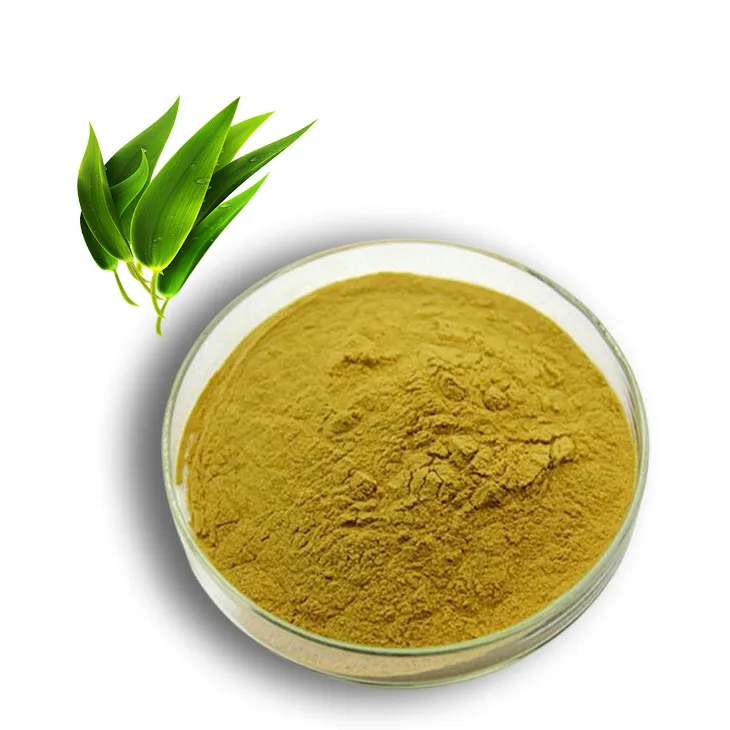
Bamboo Leaf extract
2026-08-14
-
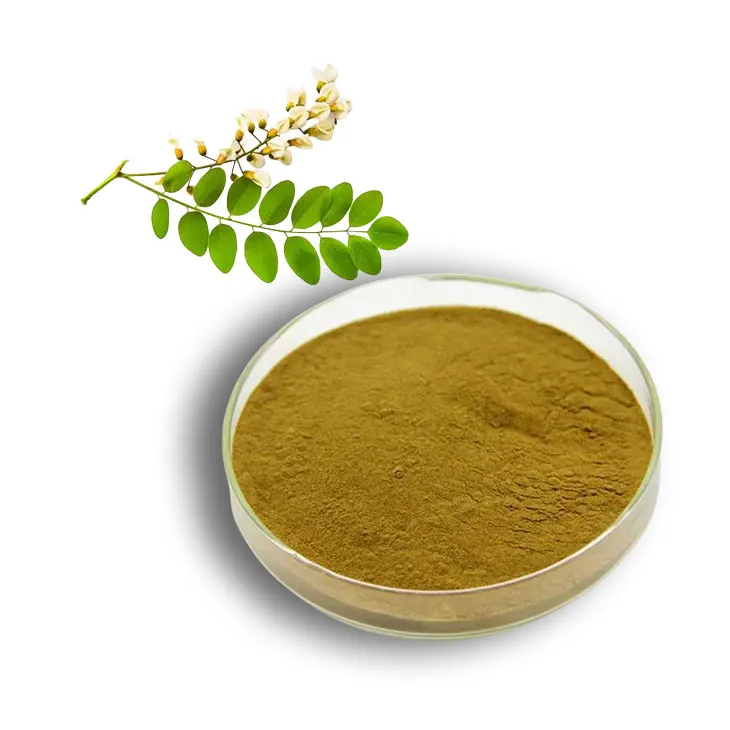
Sophora Japonica Flower Extract
2026-08-14
-
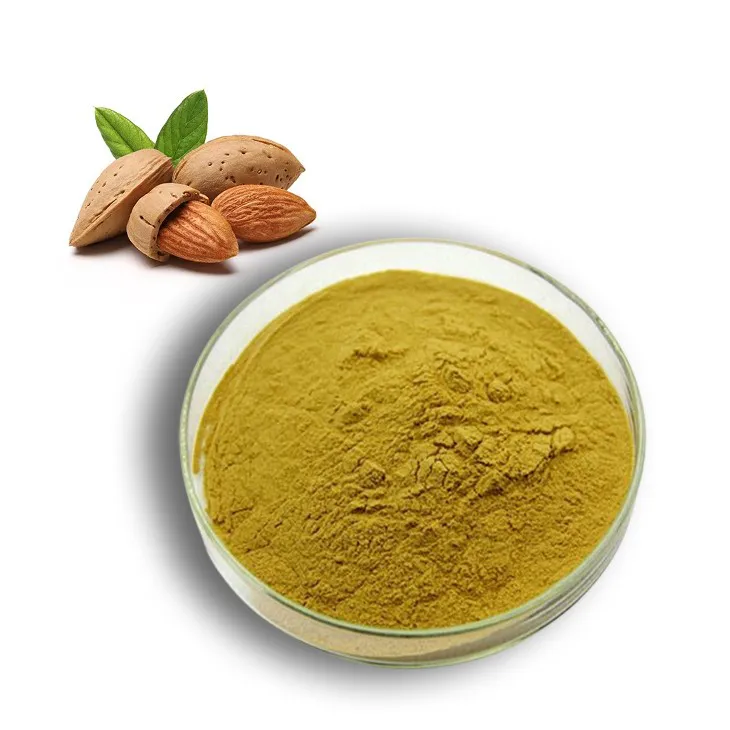
Almond Extract Powder
2026-08-14
-
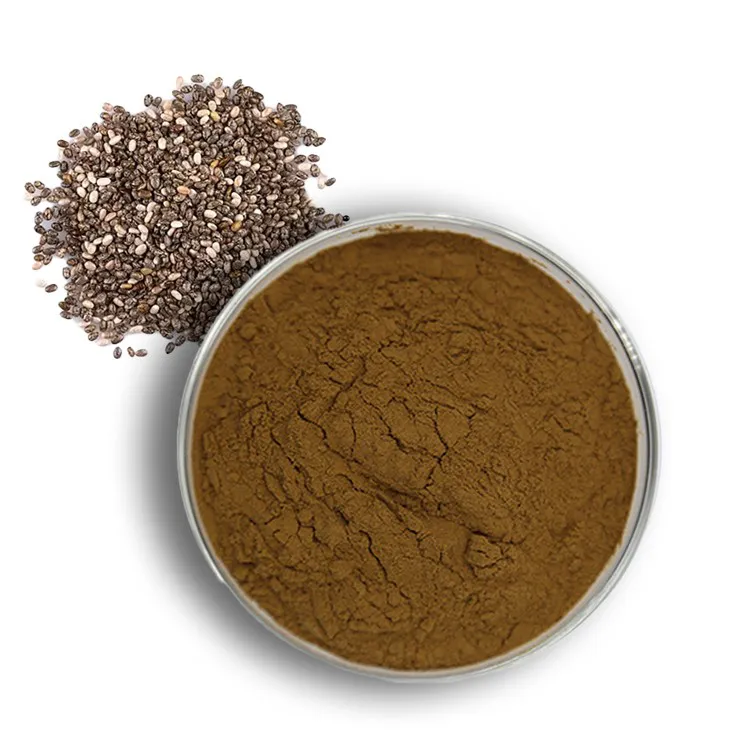
Chia Seed Powder
2026-08-14
-
Fig Extract
2026-08-14
