- 0086-571-85302990
- [email protected]




What sampling process do professional plant extracts suppliers follow?
2026-08-13
If you are buying botanical ingredients for dietary supplements, functional foods, or herbal cosmetics, the first real test of a supplier is how they handle sampling. A thoughtful sampling process from professional plant extract suppliers tells you more about their quality control than any marketing page. This guide walks through the sampling workflow that professional manufacturers follow, what documents you should receive, and how long the whole journey normally takes.
Why sampling matters before a bulk order
Botanical extracts are concentrated, batch-sensitive materials, and quality can vary from lot to lot. Requesting a sample before committing to a large quantity is the most practical way to verify three things: the active compound content, the physical characteristics such as color, odor, solubility and flow, and the way the material behaves inside your own formulation. Sampling also protects you against mislabeled or adulterated extracts, which is a real risk when sourcing internationally.
A reputable plant extract manufacturer will welcome scrutiny rather than avoid it. Good suppliers are transparent about their process because sampling is the foundation of a long-term sourcing relationship.
Step 1: Submit a clear sample request
The process starts with a written request to the sales or technical team. Provide as much detail as you can: the exact product name, the specification you need, the quantity required, and your intended application. For example, specifying whether you need a standardized extract or a full-spectrum powder, and the marker compound level you want, helps the supplier match the right batch for evaluation.
At Greensky, sample requests are typically processed within 2-3 business days. The sales team confirms availability, checks the specification against current stock, and arranges shipment promptly.
Step 2: Understand the sample size and cost
Professional suppliers usually provide free samples for evaluation, in quantities sufficient for laboratory testing and pilot production. A common range is 50-100 grams of powder, which is enough for HPLC analysis, moisture testing, and a small trial run. Liquid extracts are typically offered in 10-50 ml volumes.
Express shipping costs are often borne by the requester, and many manufacturers refund the freight once a bulk order is placed. If you need several specifications, ask whether they can be combined into one parcel to reduce shipping cost.
Step 3: Review the documentation that arrives with your sample
A good sample is more than a jar of powder; it should arrive with complete documentation. A proper Certificate of Analysis (COA) from a professional supplier includes the product name and batch number, appearance and physical properties, active compound content measured by HPLC or GC, heavy metals, pesticide residues, microbiological counts, solvent residues, and loss on drying. This lets your technical team assess the material against your specification before you spend time on testing.
Look for the batch number and the extract ratio or marker compound content on the label. If a supplier will not provide a COA or avoids traceability questions, treat that as a warning sign.
Step 4: Run your own verification
The most reliable step is to verify the sample independently. Many buyers send the sample to an ISO 17025 accredited laboratory such as SGS, Eurofins, or Intertek to confirm the active compound content and to screen for contaminants. A small discrepancy between the COA and an independent result is normal and acceptable; a large one is a cause for concern.
Suppliers with in-house laboratories can also help. Greensky operates an independent laboratory equipped with GC, HPLC, UV, and other analytical instruments, and can test customer-provided raw materials or finished products, including active compound quantification, contaminant screening, and identity verification. Third-party testing through accredited labs can also be arranged when it is needed for regulatory submissions or customer audits.
Step 5: Test consistency across batches and scale up
One good batch can be luck; two matching batches are a system. Where possible, request samples from two different batches to confirm that the manufacturer's process is consistent. Once your formulation team has approved the evaluated sample, you can place a bulk order under mutually agreed payment terms such as TT or LC.
Ask a few practical questions before you commit: what is the minimum order quantity, which shipping options are available, and whether the sample is representative of the current production batch. Clear answers here reduce surprises later.
What timeline should you expect
A typical sampling cycle takes roughly two weeks. Sample dispatch usually happens within 2-4 working days of the confirmed request, express shipping to most destinations takes about 3-7 business days, and internal testing and evaluation typically run for 7-10 days. Larger or heat-sensitive bioactive extracts may be shipped by air cargo or cold-chain logistics, which can add a little time.
Choosing a supplier you can scale with
A clear sampling process is a strong indicator of overall quality. A manufacturer with certified production controls, such as ISO22000, BRCGS, SGS-GMP, HALAL, and Kosher certification, and an independent in-house laboratory, is far more likely to deliver consistent results from the sample all the way to full production. When you evaluate plant extract suppliers, treat sampling not as an optional courtesy but as the essential first step of a reliable partnership.
- ▶ Hesperidin
- ▶ Citrus Bioflavonoids
- ▶ Plant Extract
- ▶ lycopene
- ▶ Diosmin
- ▶ Grape seed extract
- ▶ Sea buckthorn Juice Powder
- ▶ Fruit Juice Powder
- ▶ Hops Extract
- ▶ Artichoke Extract
- ▶ Mushroom extract
- ▶ Astaxanthin
- ▶ Green Tea Extract
- ▶ Curcumin
- ▶ Horse Chestnut Extract
- ▶ Other Product
- ▶ Boswellia Serrata Extract
- ▶ Resveratrol
- ▶ Marigold Extract
- ▶ Grape Leaf Extract
- ▶ New Product
- ▶ Aminolevulinic acid
- ▶ Cranberry Extract
- ▶ Red Yeast Rice
- ▶ Red Wine Extract
- ▶ blog
-
Beetroot juice Powder
2026-08-13
-
White Peony Extract
2026-08-13
-
Cayenne Pepper Extract
2026-08-13
-
White mustard seed extract
2026-08-13
-
Chaga Mushroom Extract
2026-08-13
-
Tongkat Ali Extract Powder
2026-08-13
-
Magnolia Bark Extract
2026-08-13
-
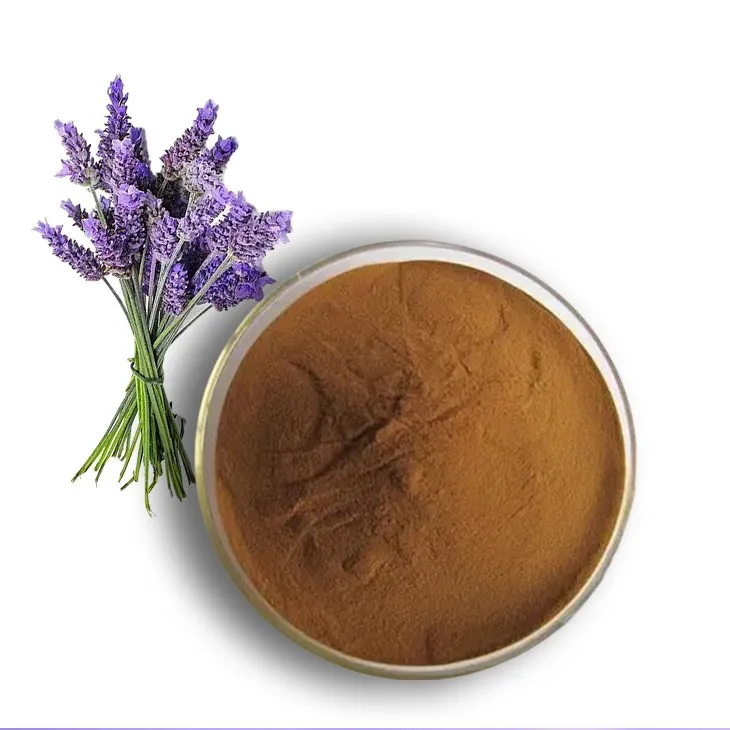
Lavender Extract
2026-08-13
-
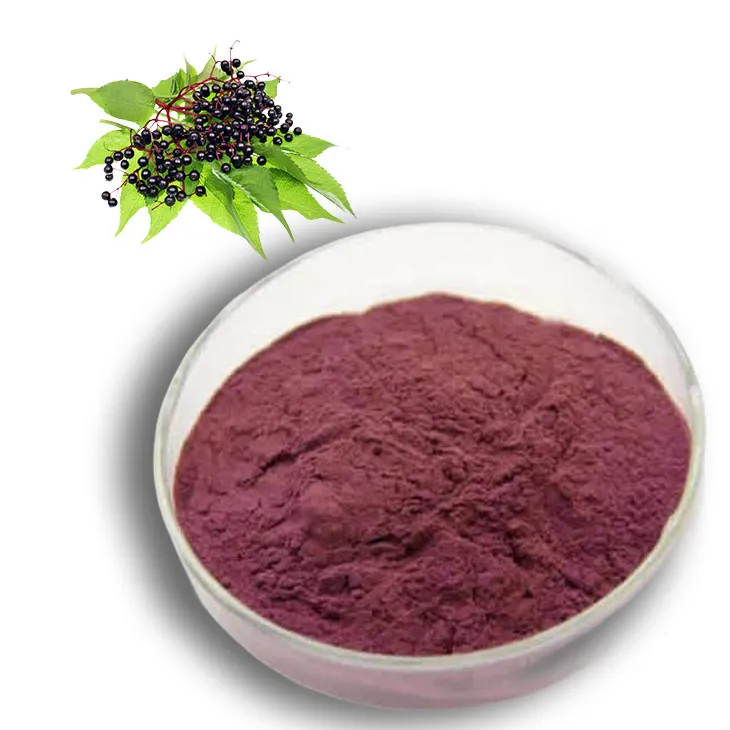
Elderberry Extract
2026-08-13
-
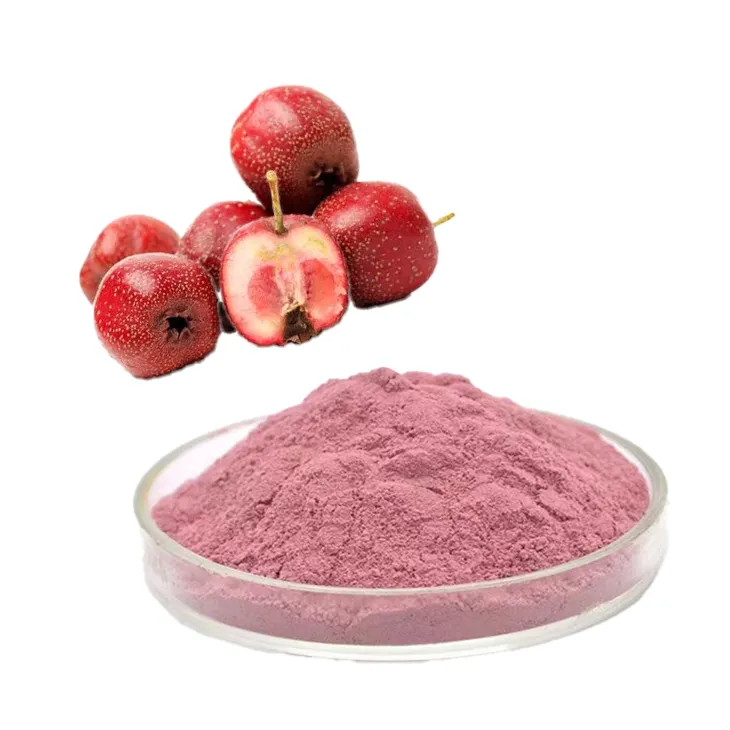
Hawthorn powder
2026-08-13