- 0086-571-85302990
- [email protected]




What is the best quercetin supplement?
2026-08-13
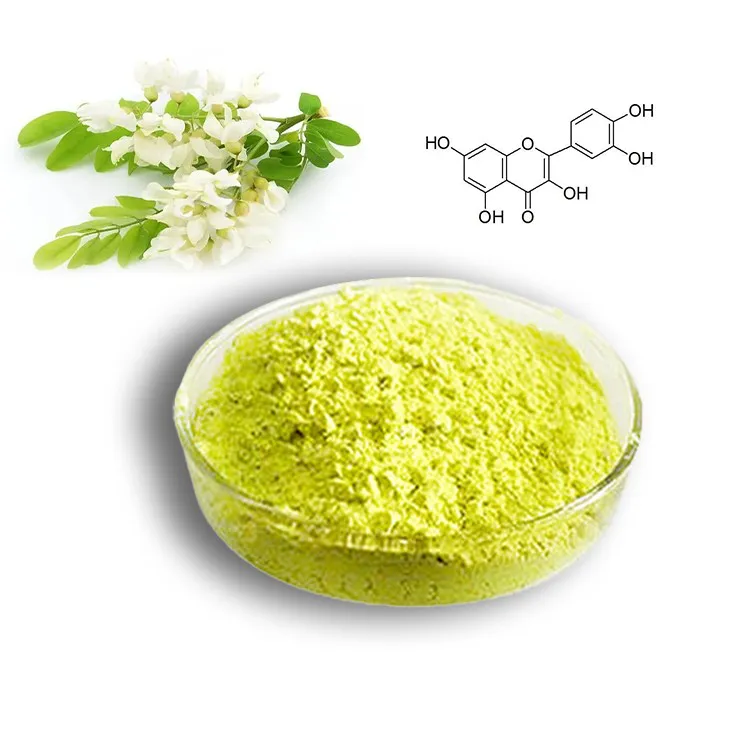
Few supplements have earned as much attention in recent years as Quercetin, a natural flavonoid found in apples, onions, berries, citrus fruits and leafy greens. Known for its powerful antioxidant activity, Quercetin helps neutralize free radicals and support a healthy inflammatory response, which is why it appears in so many dietary supplements and functional foods. But with shelves full of options, the question most people end up asking is simple: what is the best Quercetin supplement?
The honest answer is that there is no single "right" product for everyone. The best quercetin supplement is the one that combines a clearly standardized dose, a form your body can actually absorb, and a raw material you can trust. This guide breaks down what those three things really mean so you can compare products with confidence instead of relying on labels and marketing.
What is quercetin and why does it matter?
Quercetin is one of the most abundant flavonoids in the human diet, and it is a naturally occurring compound found widely in fruits, vegetables, leaves and grains. In the body it acts primarily as an antioxidant, capturing unstable molecules called free radicals and reducing oxidative stress. Beyond that, quercetin has been studied for its support of normal immune function, cardiovascular health and the body's natural response to seasonal challenges.
The catch is that your body cannot make quercetin on its own, so it must come from food or supplements. And dietary sources are not practical for reaching research-backed amounts. A medium apple contains only a few milligrams of quercetin, while studies often look at doses in the hundreds of milligrams. That gap between what you eat and what research uses is exactly why supplements exist.
Why purity and standardization separate good from great
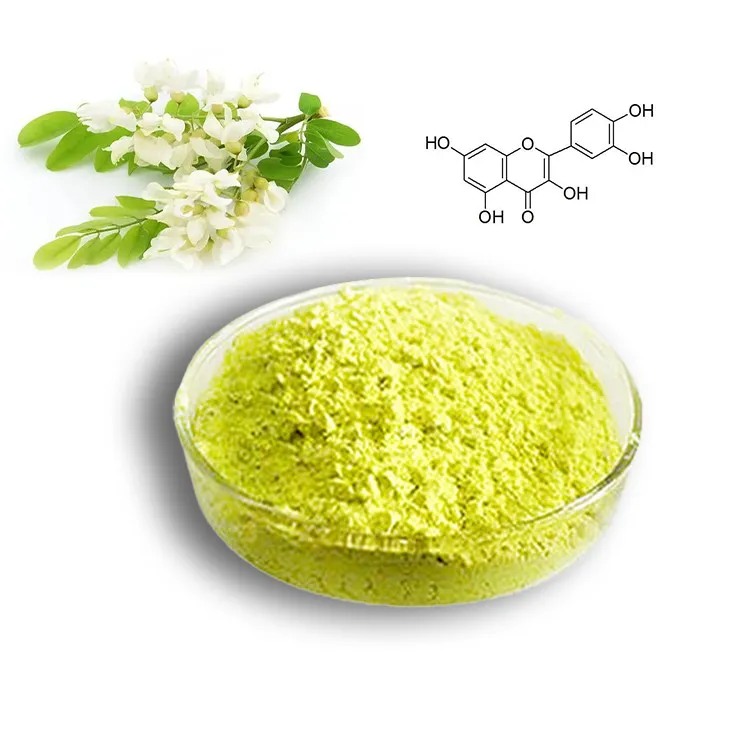
Not all quercetin is created equal. The quality of the raw material determines everything downstream, which is why the source manufacturer deserves as much attention as the brand on the bottle. A trustworthy supplier should be able to state the purity of its quercetin clearly, whether it is a well-defined standardized extract or a specific form such as quercetin dihydrate, rather than hiding the concentration inside a vague proprietary blend.
For buyers and brands sourcing ingredients, this is where working with an experienced plant extract manufacturer pays off. A supplier with dedicated extraction and testing facilities can document the active content of each batch, confirm the absence of contaminants, and provide the certificates and lab reports that responsible brands rely on. When a supplement label looks clean, it usually started with a raw material that was just as clean.
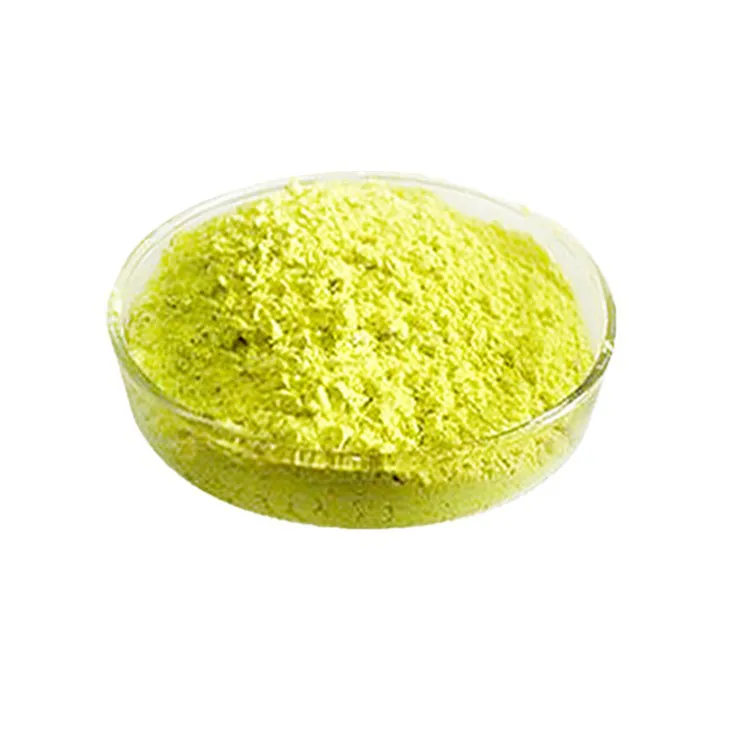
Bioavailability: the factor most people overlook
Quercetin has a well-known weakness: poor absorption. Standard quercetin is not very soluble in water, and a large portion of what you swallow can pass through the digestive tract without ever reaching the bloodstream. This is why two bottles can look identical yet perform very differently in practice.
Manufacturers have developed a few ways around this. Some combine quercetin with bromelain, an enzyme from pineapple, on the theory that it improves uptake. Others use phytosome technology, binding quercetin to phospholipids so it can cross cell membranes more easily. Still others rely on fiber-based delivery systems that create a protective gel around the molecule. Any of these approaches can improve absorption compared to plain quercetin, so a product that simply lists a high milligram count without addressing bioavailability may not be the better choice.
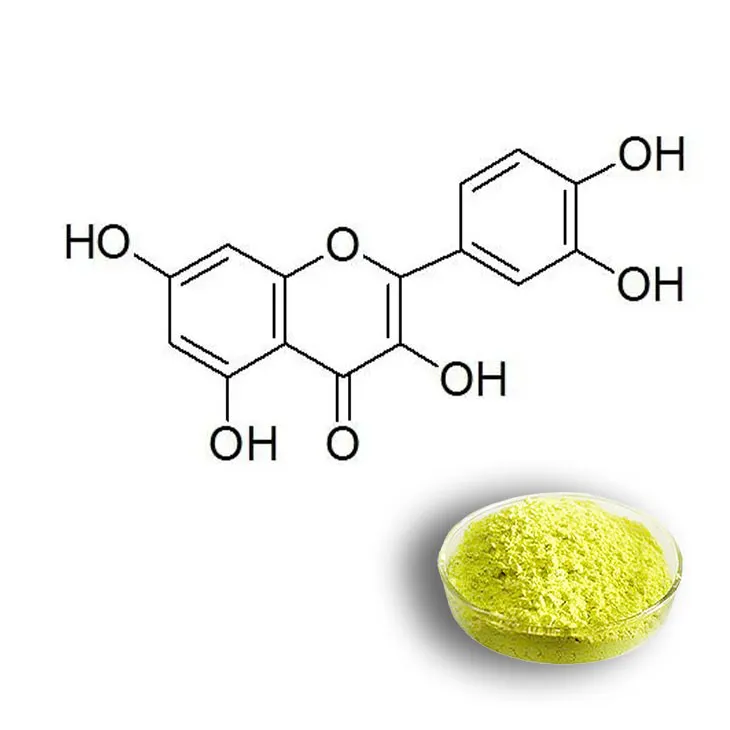
How to compare quercetin supplements fairly
When you put two quercetin products side by side, focus on a short checklist rather than the marketing copy. First, is the actual quercetin dose disclosed in milligrams? Second, is the form standardized and clearly defined? Third, does the formulation do anything to improve absorption, such as added bromelain or a phytosome complex? Fourth, can the manufacturer provide third-party lab results for purity and potency?
A product that answers all four questions well is a much stronger bet than one that only boasts a big number on the front of the bottle. For businesses buying ingredients in volume, the same checklist applies one level deeper: confirm the supplier's production capacity, testing capability and documentation before committing to a source.
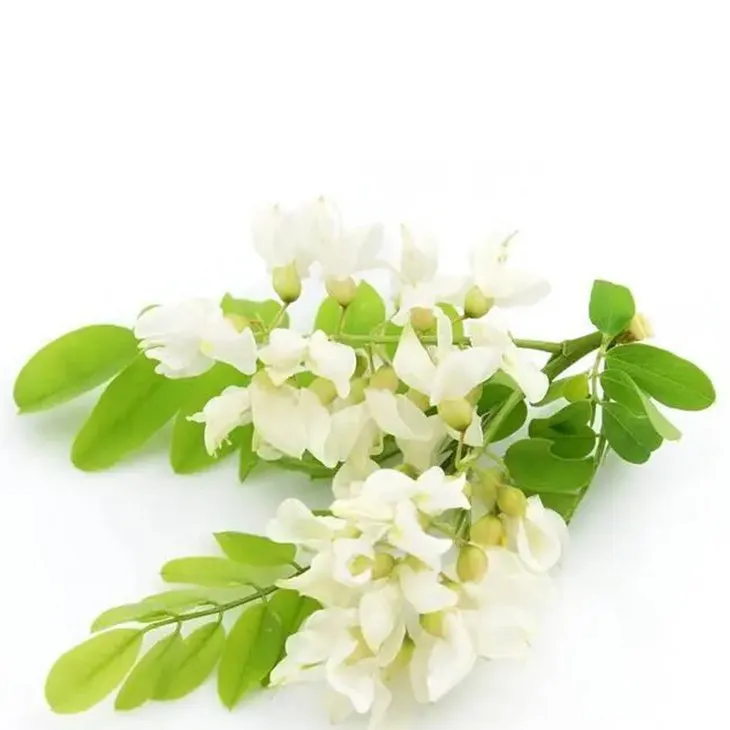
Getting the dose right
Most clinical research on quercetin uses daily doses in the several-hundred-milligram range, so a supplement that delivers only a few dozen milligrams of active compound per serving is unlikely to provide meaningful support. At the same time, more is not automatically better. The right dose depends on the intended use, the person taking it and the form of the ingredient, so it is always sensible to follow the label directions and, when in doubt, to consult a healthcare professional.
Why sourcing from the right manufacturer matters
Behind every good supplement is a reliable supply chain. Quercetin is sourced from high-quality botanical raw material, and the extraction process, cleanliness of the facility and thoroughness of testing all shape the final product. That is why many brands prefer to work with an established plant extract company that can guarantee consistent batches, global regulatory documentation and transparent communication.
A manufacturer with its own production base and independent laboratory can offer something simple resellers cannot: end-to-end control over quality, from raw material to finished extract. For companies building their own quercetin products, this vertical integration means fewer surprises, better traceability and a stronger story to tell their own customers.
Frequently asked questions
Is a higher quercetin dose always better? Not necessarily. The ideal dose depends on the form, the intended use and the individual, and high doses can matter little if the ingredient is poorly absorbed. A well-absorbed, standardized dose is generally more valuable than a large amount of plain quercetin.
Does quercetin come from food or supplements? Both. Quercetin is abundant in apples, onions, berries and leafy greens, but food alone rarely provides the amounts used in research. Supplements bridge that gap with a concentrated, standardized intake.
What should I look for when buying quercetin in bulk? For volume purchases, prioritize a supplier that discloses purity, provides lab reports and certifications, and has consistent production capacity. Traceability and documented quality are the real differentiators.
Final thoughts
The best quercetin supplement is not the one with the loudest claims but the one that gets the fundamentals right: a clear, standardized dose, a form your body can absorb, and a raw material you can trust. Whether you are choosing a finished product for yourself or sourcing ingredients for a brand, those three pillars will guide you to a far better decision than any label alone could.
If you are a brand or manufacturer looking for a dependable source of high-quality quercetin and other botanical raw materials, choosing an experienced plant extract manufacturer with in-house production and testing is a solid first step toward a consistent, high-performing product.
TAGS:
- ▶ Hesperidin
- ▶ Citrus Bioflavonoids
- ▶ Plant Extract
- ▶ lycopene
- ▶ Diosmin
- ▶ Grape seed extract
- ▶ Sea buckthorn Juice Powder
- ▶ Fruit Juice Powder
- ▶ Hops Extract
- ▶ Artichoke Extract
- ▶ Mushroom extract
- ▶ Astaxanthin
- ▶ Green Tea Extract
- ▶ Curcumin
- ▶ Horse Chestnut Extract
- ▶ Other Product
- ▶ Boswellia Serrata Extract
- ▶ Resveratrol
- ▶ Marigold Extract
- ▶ Grape Leaf Extract
- ▶ New Product
- ▶ Aminolevulinic acid
- ▶ Cranberry Extract
- ▶ Red Yeast Rice
- ▶ Red Wine Extract
- ▶ blog
-
Black Garlic Extract
2026-08-13
-
Gynostemma pentaphyllum extract
2026-08-13
-
Cat Claw Extract
2026-08-13
-
Hawthorn powder
2026-08-13
-
Nettle leaf extract
2026-08-13
-
Cayenne Pepper Extract
2026-08-13
-
Maca Extract
2026-08-13
-
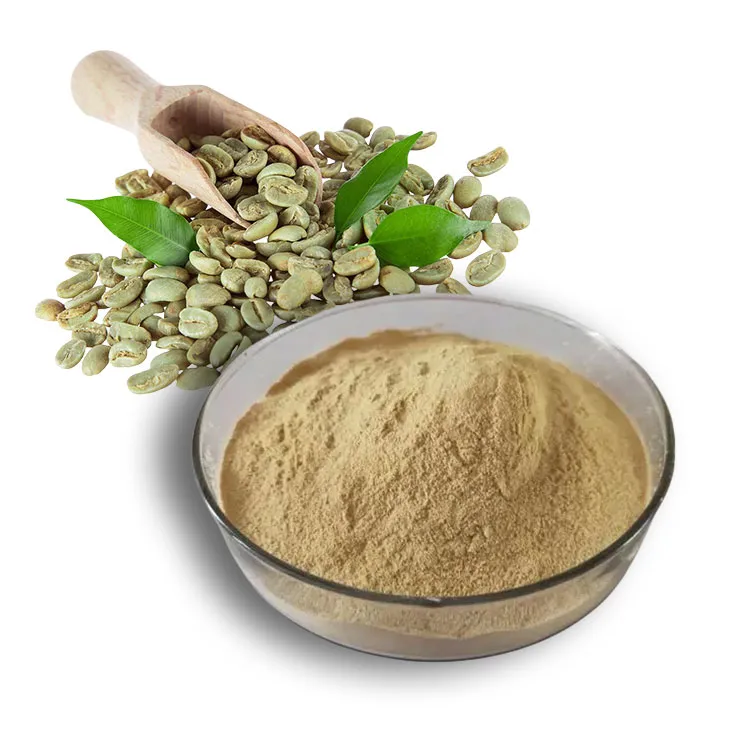
Green coffee bean Extract
2026-08-13
-
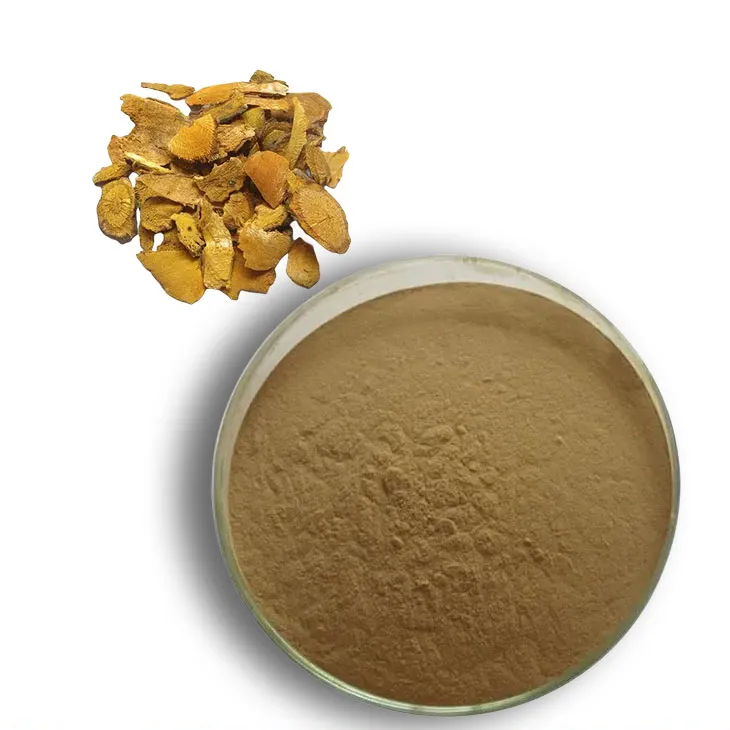
Giant Knotweed Extract
2026-08-13
-
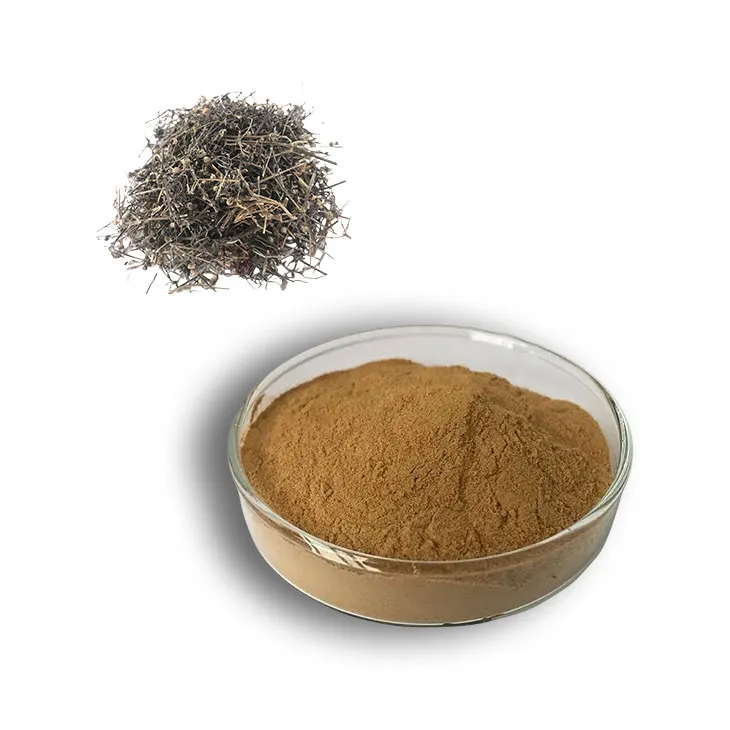
Hedyotis Diffusa Extract
2026-08-13