- 0086-571-85302990
- [email protected]






What is the annual output of a typical moringa powder factory?
2026-08-13
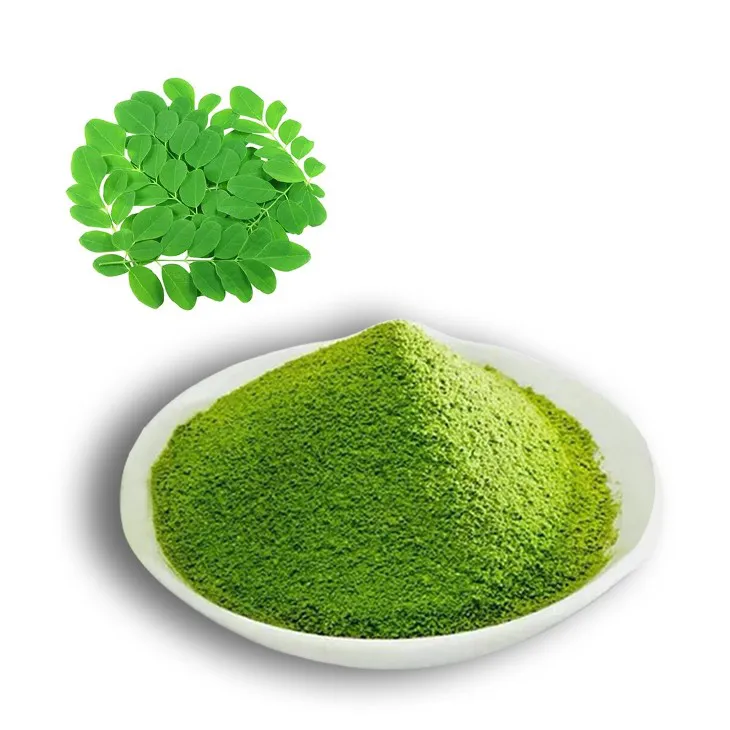
If you are sourcing Moringa powder for a supplement brand, a functional food line, or a cosmetic formulation, one of the first questions a buyer asks is: how much can a factory actually produce? The honest answer is that there is no single number. Annual output at a typical moringa powder factory ranges from just a few tons for a small production workshop to well over a thousand tons for a large, vertically integrated plant. Understanding these ranges helps you judge lead times, place realistic order volumes, and choose a partner whose capacity actually matches your growth.
What determines a moringa factory's annual output?
Moringa powder is produced by drying and milling the leaves of the Moringa oleifera tree, and output is governed by four main factors. The first is raw material supply: because roughly 8 to 12 kilograms of fresh leaves are needed to produce a single kilogram of powder, a factory can only run as fast as its leaf supply allows. The second is drying capacity, which is usually the bottleneck. Drying must be carried out at controlled temperatures of around 40 to 55 degrees Celsius to preserve heat-sensitive vitamins, chlorophyll, and antioxidants, so the number and size of dryers directly set the ceiling on throughput. The third is grinding and sieving capacity, which determines how consistently a factory can hit the mesh size and particle distribution your recipe requires. The fourth is automation and compliance: a certified facility running food-grade lines with in-house quality control can operate around the clock in a way that a manual workshop cannot.
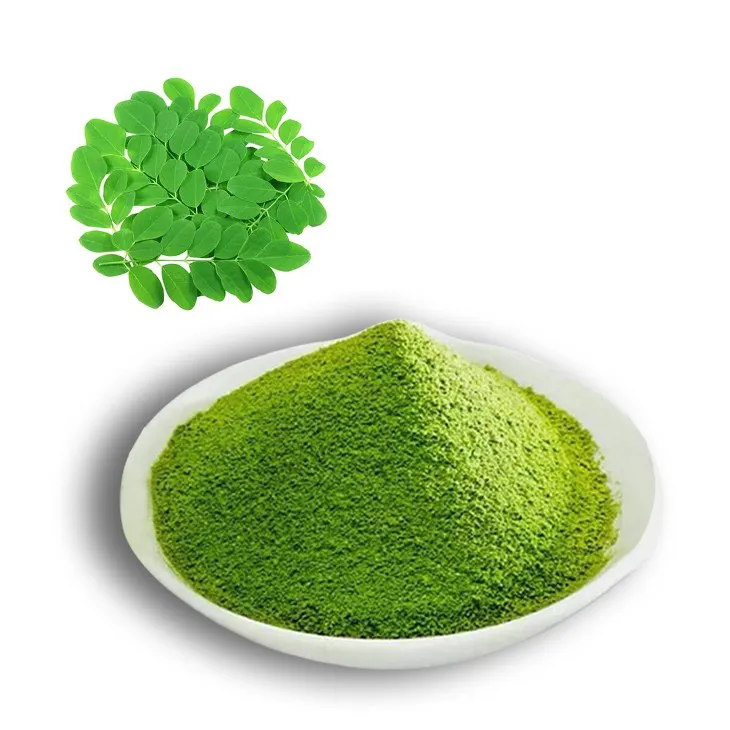
Typical output ranges by factory scale
In practice, moringa powder producers fall into three broad tiers. Small-scale facilities, often supplying local health shops and small brands, commonly turn out anywhere from a few dozen to a few hundred tons a year. Medium-sized producers, which serve domestic supplement companies and export to a handful of markets, typically operate in the range of several hundred tons annually. Large industrial plants built for export and high-volume nutraceutical customers can reach annual capacities of one thousand tons or more, thanks to continuous drying lines, multi-stage milling, and dedicated warehousing. Across every tier, the same yield math applies: a plant that wants to ship out more powder must bring in eight to twelve times that weight in fresh leaves, so capacity planning always starts with the leaf supply chain.
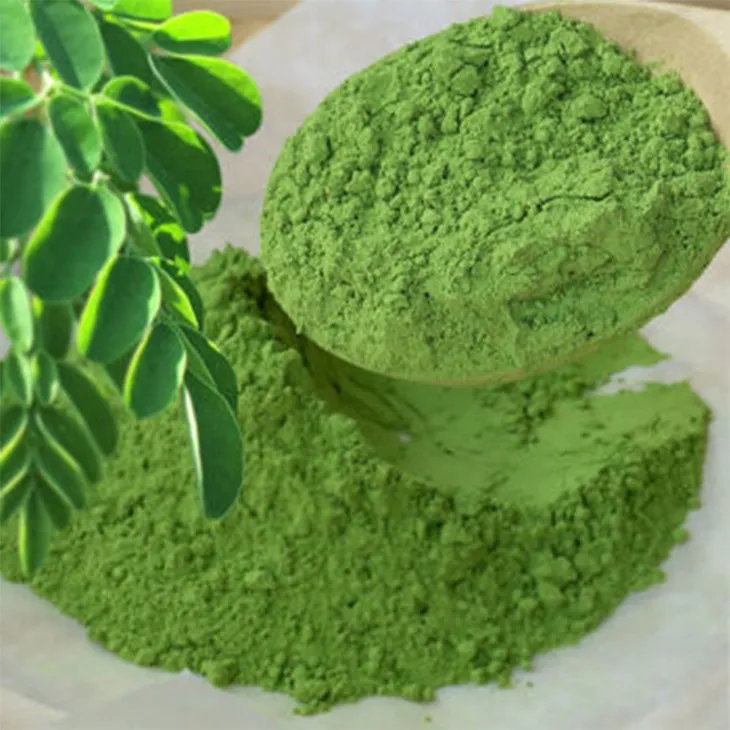
Why factory scale matters when you buy
Annual output is not just a number on a brochure; it has real consequences for your supply security. A factory with limited capacity may struggle to keep up with your seasonal demand, forcing you to wait for stock or accept inconsistent batches. A larger producer, on the other hand, can hold buffer inventory, turn around repeat orders faster, and spread the cost of quality testing and certification across more volume. That is why experienced brands tend to prefer working with an established moringa powder manufacturer that can demonstrate stable, scalable output rather than chasing the lowest price per kilo from a small workshop.
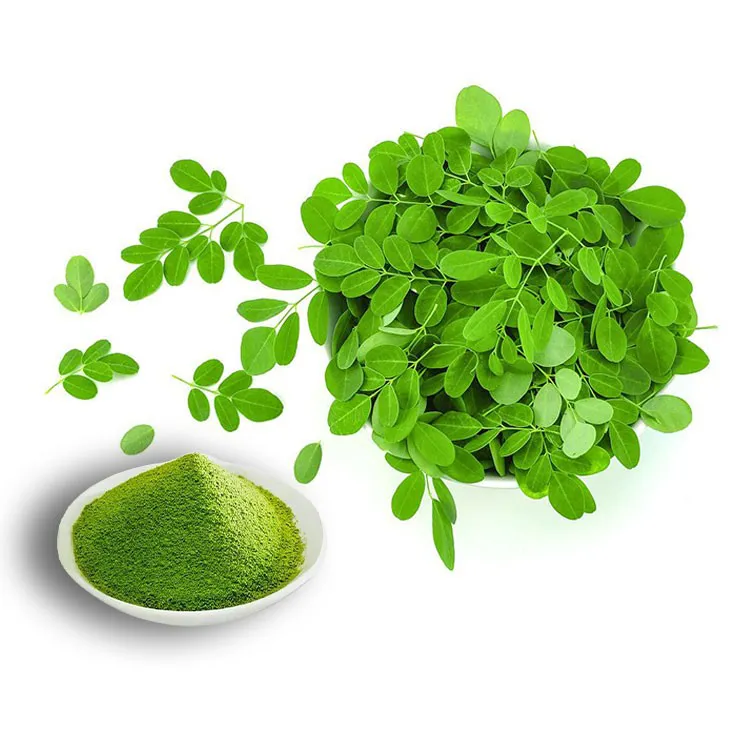
Scaling from a single extract to a full catalog
It is worth remembering that many professional plant extract factories do not focus on moringa alone. Vertically integrated producers operate multi-purpose extraction, drying, and milling lines that can switch between botanical ingredients, which gives them flexibility that a single-crop workshop simply does not have. A dependable moringa powder supplier with diversified production can also be your source for complementary extracts, simplifying your supply chain and reducing the number of vendors you need to manage.
Choosing a moringa powder factory with the right capacity
When you compare suppliers, ask for concrete capacity figures rather than vague promises. Inquire about installed drying capacity, monthly throughput, current utilization, and whether the facility holds recognized food-safety and quality certifications. A factory that can document its output, its process, and its lab results is far more likely to meet your volume and quality expectations consistently. As demand for convenient, nutrient-dense botanical powders continues to grow across supplements, beverages, and personal care, the producer with dependable, scalable annual output will be the one that keeps your supply chain moving.
If you are evaluating sources for China Moringa powder and want a supplier that can document its manufacturing capacity and quality systems, get in touch with our team to discuss your target volumes, specifications, and packaging requirements.
TAGS:
- ▶ Hesperidin
- ▶ Citrus Bioflavonoids
- ▶ Plant Extract
- ▶ lycopene
- ▶ Diosmin
- ▶ Grape seed extract
- ▶ Sea buckthorn Juice Powder
- ▶ Fruit Juice Powder
- ▶ Hops Extract
- ▶ Artichoke Extract
- ▶ Mushroom extract
- ▶ Astaxanthin
- ▶ Green Tea Extract
- ▶ Curcumin
- ▶ Horse Chestnut Extract
- ▶ Other Product
- ▶ Boswellia Serrata Extract
- ▶ Resveratrol
- ▶ Marigold Extract
- ▶ Grape Leaf Extract
- ▶ New Product
- ▶ Aminolevulinic acid
- ▶ Cranberry Extract
- ▶ Red Yeast Rice
- ▶ Red Wine Extract
- ▶ blog
-
Cactus Extract
2026-08-13
-
Feverfew Extract
2026-08-13
-
Tormentil Extract
2026-08-13
-
Marigold Extract
2026-08-13
-
Pueraria Lobata Extract
2026-08-13
-
Camu Camu Extract
2026-08-13
-
Fenugreek Extract Powder
2026-08-13
-
Yam Extract
2026-08-13
-
Honeysuckle Pollen
2026-08-13
-
Acerola Extract
2026-08-13
