- 0086-571-85302990
- [email protected]





What is a green tea extract manufacturer?
2026-08-13
What Is a Green Tea Extract Manufacturer?
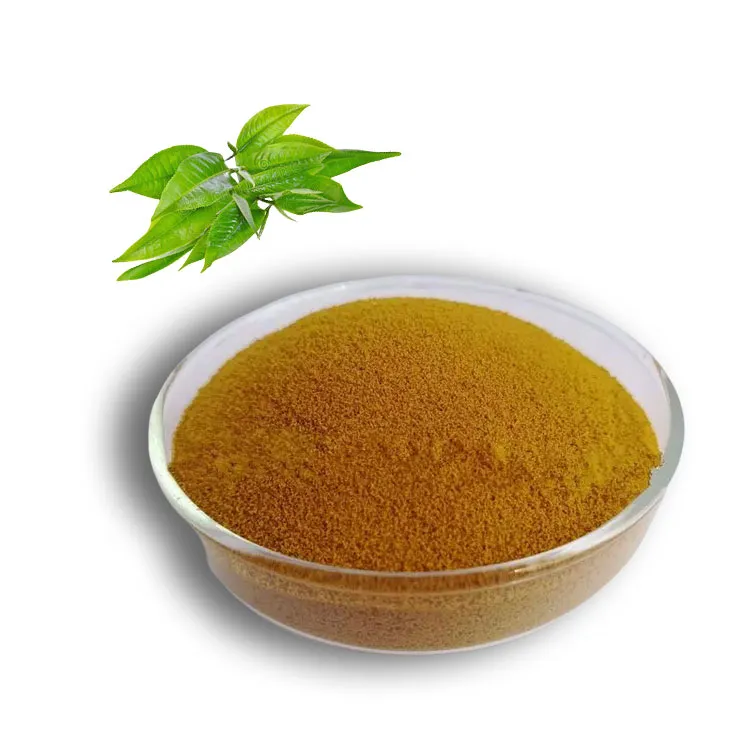
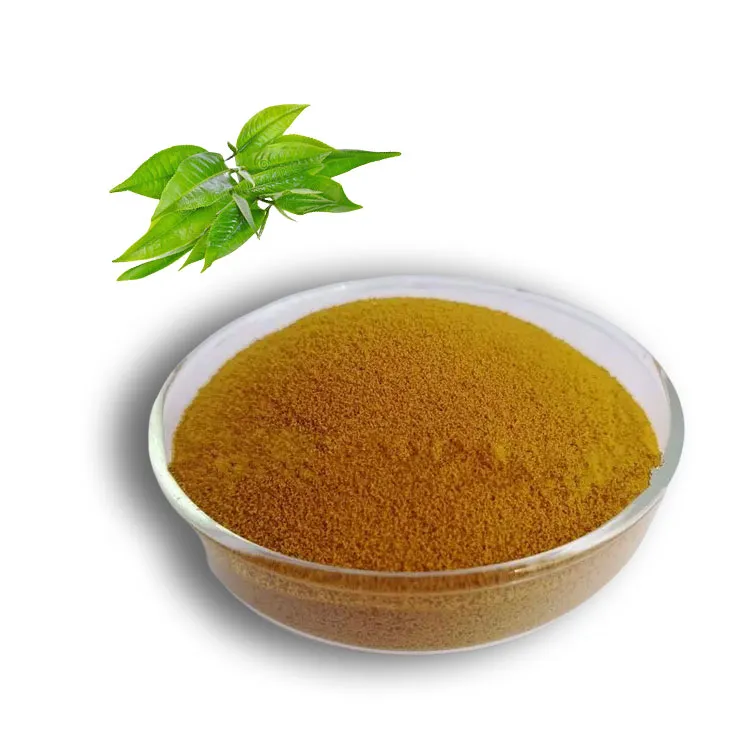
A green tea extract manufacturer is a specialized production company that takes fresh green tea leaves (Camellia sinensis) and converts them into a concentrated, standardized powder or liquid that can be used as a raw ingredient in supplements, foods, beverages, and cosmetics. Unlike a simple tea packer, a manufacturer controls the entire technical chain: raw material selection, extraction, purification, drying, standardization, and quality testing.
The most commercially important compounds in green tea are the catechins, a family of polyphenols. Among these, epigallocatechin gallate (EGCG) stands out as the most abundant and biologically active fraction. A professional manufacturer supplies extract standardized to a defined EGCG or total polyphenol content, rather than a vague generic powder, so that downstream formulators can reproduce the same result batch after batch.
What Does a Green Tea Extract Manufacturer Do Day to Day?
The core work of a green tea extract manufacturer can be broken down into five stages:
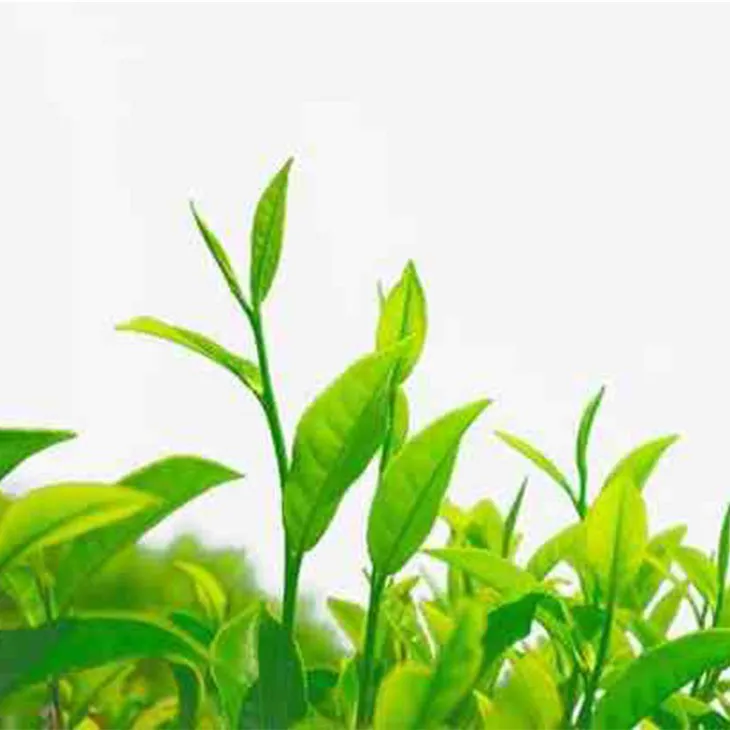
- Raw material sourcing. The manufacturer selects young leaves from suitable cultivation regions, because harvest timing and leaf maturity directly influence catechin content and quality.
- Extraction. Using water or ethanol-water systems, the manufacturer draws the active polyphenols out of the leaf material. Efficient extraction tanks and low-temperature concentration equipment protect heat-sensitive catechins.
- Purification and standardization. The crude extract is refined and adjusted so that each batch meets a specified EGCG or polyphenol level, typically confirmed by HPLC analysis.
- Drying. The concentrate is dried into a fine powder through spray drying or vacuum drying, giving a stable raw material that is easy to blend and dose.
- Quality control and documentation. Every batch is tested for potency, heavy metals, pesticide residues, and microbiology, and each shipment is accompanied by a certificate of analysis (COA) and export documentation.
Standardization Is What Separates a Real Manufacturer
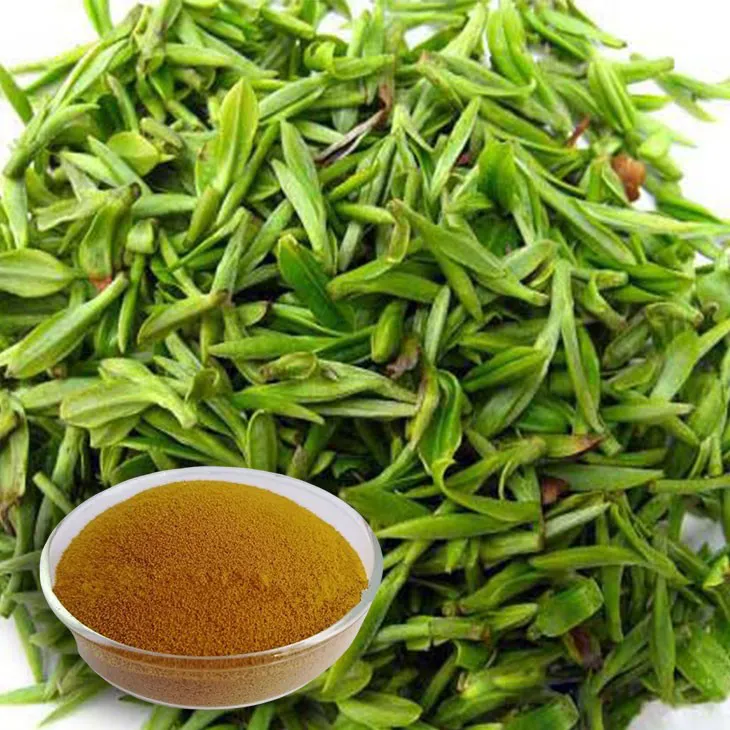
Not every company that sells green tea extract actually manufactures it, and not every manufacturer produces a standardized product. A dependable green tea extract manufacturer will state the active content transparently. Common specifications include total polyphenols of 50% to 98%, total catechins of 30% to 80%, and EGCG of 15% to 98%, all measured by HPLC rather than by a non-specific colorimetric method alone.
Caffeine is another important control point. Regular grades typically carry up to a few percent caffeine, while decaffeinated grades reduce it to 0.5% or below while retaining most of the polyphenol content. Buyers targeting caffeine-sensitive consumers or evening-use products should confirm which grade the manufacturer offers and how the caffeine reduction is achieved.
How to Verify a Green Tea Extract Manufacturer
Because green tea extract is consumed or applied to the body, verification is not optional. Buyers should check the following before ordering:
- Certifications. Look for recognized systems such as ISO22000, ISO9001, food-safety management systems, and export food production registration. Existing buyers should be able to request copies.
- Testing capability. A capable manufacturer operates its own laboratory with HPLC, UV, and other instruments, and can supply a batch-specific COA showing EGCG, catechin profile, heavy metals, pesticide residues, and microbiology.
- Production environment. A clean production area that meets food-grade requirements, without radiation treatment, is a strong signal that the facility is designed for edible-grade raw materials.
- Consistency. Compare COAs across multiple batches. Sudden drops in potency or large swings in the catechin profile indicate weak process control.
- Traceability. Reliable manufacturers can trace a finished batch back to the raw leaf lots and keep records for regulatory submission.
Why Manufacturers with Vertical Integration Give Buyers More Confidence
A green tea extract manufacturer that controls research, development, production, and sales under one group is better positioned to deliver consistent quality than a trading company that merely resells powder. Vertical integration means the same team that develops the specification also controls the extraction and testing, reducing the risk of mismatched batches and unverifiable claims.
Hangzhou Greensky Biological Tech Co., Ltd. is one such example. Founded in 2004, Greensky has spent more than two decades specializing in natural plant extracts and supplies a large catalog of botanical ingredients to markets in Europe, the United States, South Korea, and Russia. Its operations are supported by several wholly owned subsidiaries covering plant extract production, functional ingredients, and warehousing, and by an independent laboratory equipped with GC, HPLC, and UV instruments. The company holds a broad set of certifications including ISO22000, ISO9001, ISO22000 food-safety management, and export food production registration, and maintains a food-grade clean production area.
Choosing the Right Green Tea Extract Partner
When you shortlist potential green tea extract suppliers, request samples and a full specification sheet before committing. Ask exactly how EGCG and total polyphenols are measured, whether the product is decaffeinated, and what the heavy-metal and pesticide-residue limits are. A serious manufacturer will answer these questions clearly and provide documentation rather than vague assurances.
It is also worth confirming minimum order quantities, lead times, and export documentation, since regulatory submissions in your target market may require specific certificates. For brands and formulators that need a dependable supply of standardized green tea extract powder, working directly with a manufacturer that controls its own production and testing is the most reliable path to a safe, consistent ingredient.
Whether you are developing a weight-management formula, an antioxidant supplement, or a functional beverage, the manufacturer behind the ingredient determines most of its quality. By checking certifications, standardization, testing capability, and production control, you can choose a green tea extract manufacturer that delivers the reproducible, verifiable material your product deserves.
TAGS:
- ▶ Hesperidin
- ▶ Citrus Bioflavonoids
- ▶ Plant Extract
- ▶ lycopene
- ▶ Diosmin
- ▶ Grape seed extract
- ▶ Sea buckthorn Juice Powder
- ▶ Fruit Juice Powder
- ▶ Hops Extract
- ▶ Artichoke Extract
- ▶ Mushroom extract
- ▶ Astaxanthin
- ▶ Green Tea Extract
- ▶ Curcumin
- ▶ Horse Chestnut Extract
- ▶ Other Product
- ▶ Boswellia Serrata Extract
- ▶ Resveratrol
- ▶ Marigold Extract
- ▶ Grape Leaf Extract
- ▶ New Product
- ▶ Aminolevulinic acid
- ▶ Cranberry Extract
- ▶ Red Yeast Rice
- ▶ Red Wine Extract
- ▶ blog
-
Medicinal Marshmallow Extract
2026-08-13
-
Cayenne Pepper Extract
2026-08-13
-
5-HTP (5-Hydroxytryptophan)
2026-08-13
-
Licorice Root Extract Powder
2026-08-13
-
Jujube Extract
2026-08-13
-
Passionflower Extract
2026-08-13
-
Chaste Berry Extract
2026-08-13
-
Cranberry Extract
2026-08-13
-
Milk Thistle Extract
2026-08-13
-
Ginseng Root Extract
2026-08-13