- 0086-571-85302990
- [email protected]



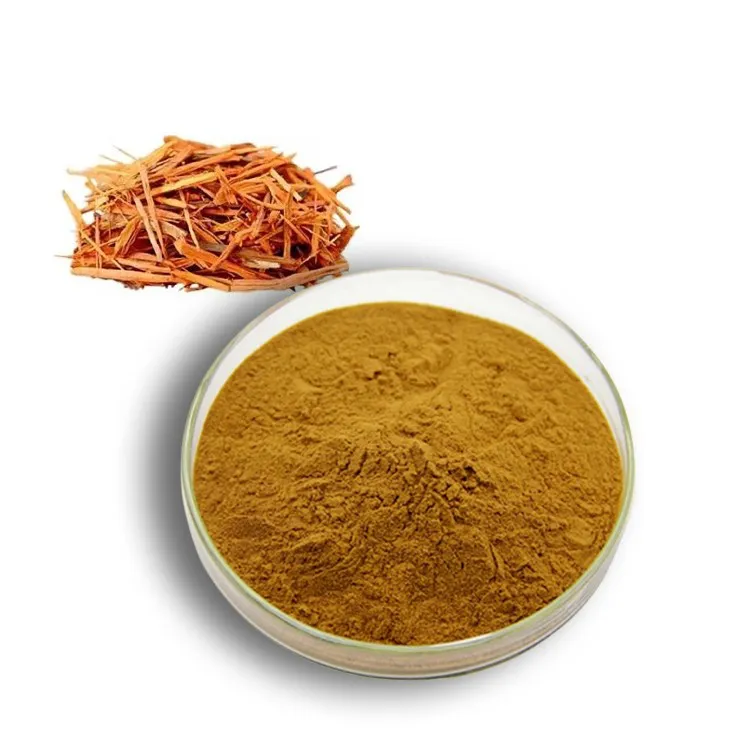
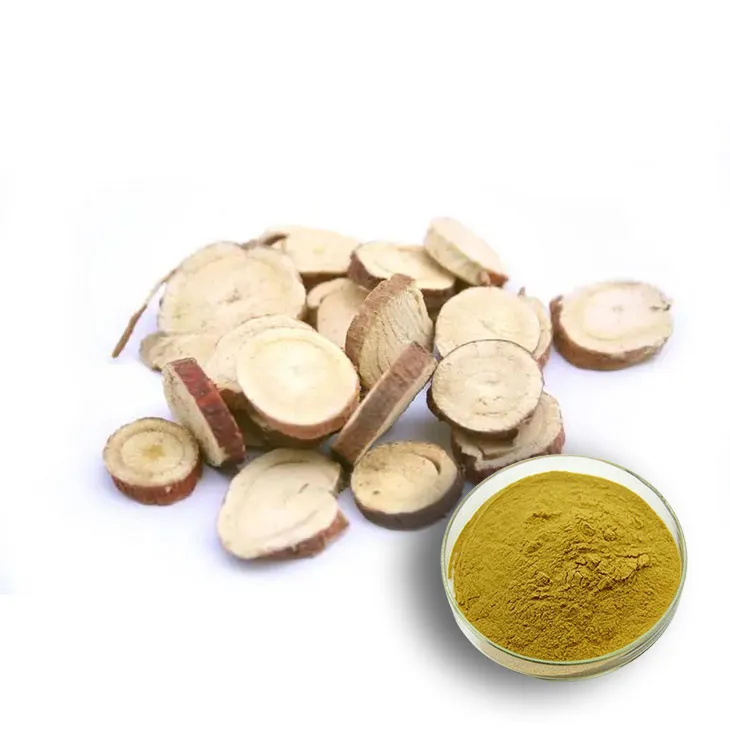
Licorice Root Extract Powder
1. Introduction
For over 4,000 years, licorice root (Glycyrrhiza glabra L.) has held a distinguished place in the pharmacopoeias of ancient China, Egypt, Greece, and India. The Greek physician Dioscorides described it as a remedy for thirst, stomach ailments, and respiratory conditions in his seminal De Materia Medica. Modern science has identified glycyrrhizin and its metabolite glycyrrhetinic acid as the primary bioactive triterpenoid saponins responsible for licorice's remarkable anti-inflammatory, antiviral, and hepatoprotective properties. Today, licorice root extract is a cornerstone ingredient in digestive health supplements, natural skincare formulations, and respiratory wellness products worldwide.
Hangzhou Greensky Biological Tech Co., Ltd — a professional natural plant extract manufacturer established in 2004 — offers premium standardized licorice root extract with verified glycyrrhizin content, backed by ISO22000, BRCGS, Ecocert Organic, and SGS-GMP certifications.
2. What Is Licorice Root Extract?
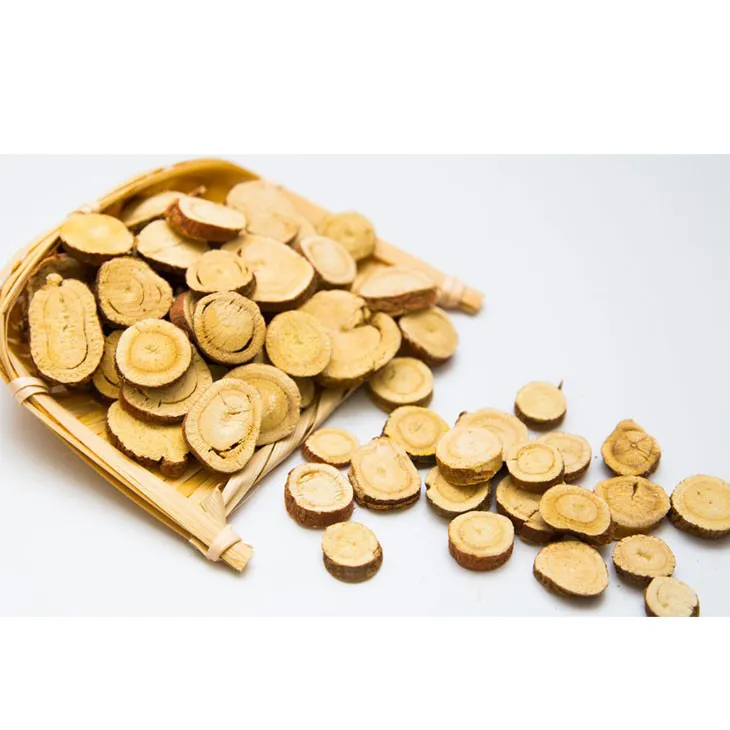
Licorice root extract is a concentrated preparation derived from the dried roots and rhizomes of Glycyrrhiza glabra L. (Fabaceae/Leguminosae family), along with related species such as G. uralensis and G. inflata. The extract is valued for its rich profile of triterpenoid saponins (primarily glycyrrhizin), flavonoids, and coumarins, each contributing to its diverse pharmacological activities.
2.1 Botanical Information
| Item | Details |
|---|---|
| Latin Name | Glycyrrhiza glabra L. (also G. uralensis Fisch., G. inflata Bat.) |
| Family | Fabaceae (Leguminosae) |
| Source Plant | Licorice — perennial herbaceous legume |
| Primary Growing Regions | Xinjiang, Gansu, Inner Mongolia (China); Spain, Italy, Iran, Uzbekistan |
| Extract Part | Root and rhizome (harvested from 3–4 year-old plants) |
| Core Active Compounds | Glycyrrhizin (glycyrrhizic acid), Glycyrrhetinic acid, Flavonoids (liquiritin, isoliquiritin, glabridin, glabrene), Coumarins |
| Key Biomarkers | Total glycyrrhizin (HPLC), liquiritin content, glabridin content |
2.2 Available Specifications
Greensky Bio provides the following standardized licorice root extract specifications:
| Specification | Active Marker | Application |
|---|---|---|
| Licorice Extract 10:1 | Standardized ratio | Traditional herbal formulations, food flavoring |
| Licorice Extract 20% Glycyrrhizin | ≥ 20% Glycyrrhizin (HPLC) | Dietary supplements, pharmaceutical intermediates |
| Licorice Extract 40% Glycyrrhizin | ≥ 40% Glycyrrhizin (HPLC) | Premium nutraceuticals, clinical applications |
| Licorice Flavonoids 10% | ≥ 10% Total Flavonoids (UV) | Skin care, cosmetics, anti-inflammatory supplements |
| Glabridin Extract 10–40% | ≥ 10–40% Glabridin (HPLC) | High-end skin brightening cosmetics |
| DGL (Deglycyrrhizinated) | < 0.5% Glycyrrhizin | Digestive supplements (hypertension-safe) |
2.3 Quality Specifications
| Parameter | Specification |
|---|---|
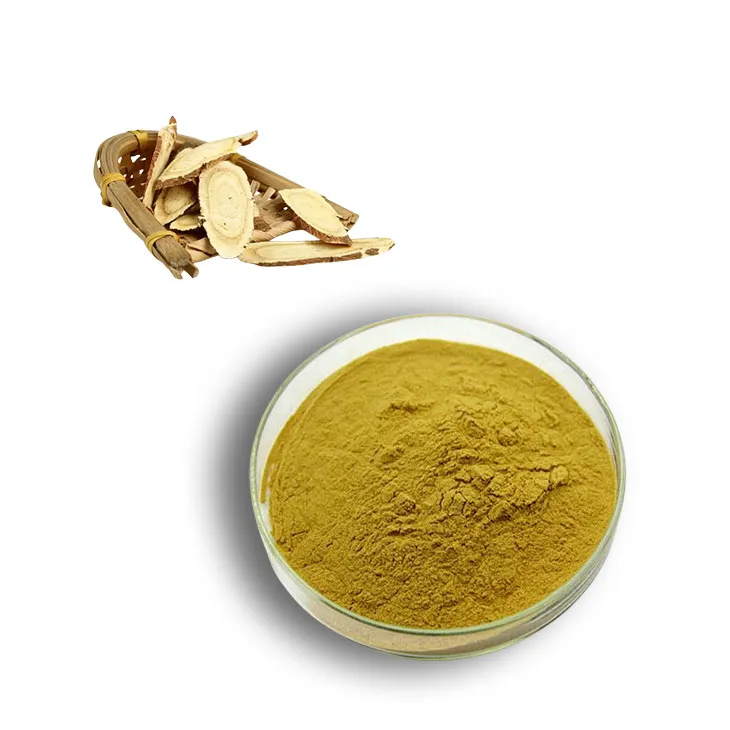
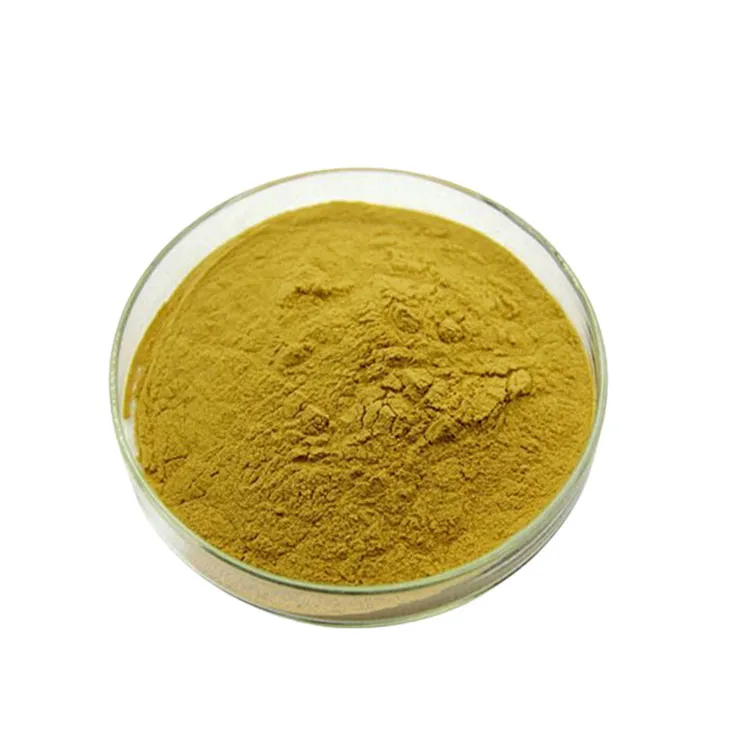
| Appearance | Yellow to brownish-yellow fine powder |
| Odor | Characteristic sweet, slightly aromatic |
| Taste | Distinctively sweet (glycyrrhizin is ~50× sweeter than sucrose) |
| Particle Size | 95% pass 80 mesh |
| Loss on Drying | ≤ 5.0% |
| Ash Content | ≤ 5.0% |
| Heavy Metals (Pb, As, Cd, Hg) | Compliant with USP/EP/ChP standards |
| Pesticide Residues | Compliant with EU pharmacopoeia limits |
| Microbial Limits | TPC < 1,000 CFU/g; Yeast/Mold < 100 CFU/g; E. coli/Salmonella: Negative |
| Solvent Residues | Compliant with ICH Q3C guidelines |
2.4 Certificate of Analysis
A representative COA is available upon request. Each batch undergoes rigorous testing including HPLC fingerprint analysis for glycyrrhizin and flavonoid profiling, microbial screening, heavy metals, and pesticide residue testing.
2.5 Production Process
Raw Material Selection: Dried licorice roots sourced from GAP-certified cultivation bases in Xinjiang and Gansu provinces (China's premium licorice-growing regions), verified for species identity and active compound content.
Cleaning & Cutting: Roots are thoroughly washed, cut into segments, and dried to optimal moisture content.
Water-Ethanol Extraction: Multi-stage extraction using a water-ethanol system at controlled temperature (60–80°C) to extract both water-soluble saponins and ethanol-soluble flavonoids.
Filtration & Concentration: Multi-stage filtration followed by vacuum concentration at low temperature to preserve thermolabile compounds.
Purification (for high-purity specifications): Macroporous resin chromatography to concentrate target compounds and remove impurities.
DGL Processing (if applicable): Treatment with activated carbon or solvent extraction to remove glycyrrhizin while retaining flavonoids.
Spray Drying: Final powder production under GMP-compliant conditions.
Quality Control: Comprehensive HPLC analysis, microbial screening, heavy metals, and pesticide residue testing.
3. Core Health Benefits & Mechanisms of Action
3.1 Digestive Health & Gastrointestinal Protection
Licorice root has been used to treat digestive disorders for millennia, and modern science has validated its gastroprotective mechanisms.
Mucosal protection: Glycyrrhizin and flavonoids (particularly liquiritin and isoliquiritin) stimulate mucus production by gastric mucosal cells, forming a protective barrier against stomach acid and pepsin.
Ulcer healing promotion: Licorice flavonoids promote the proliferation of gastric epithelial cells and enhance mucosal blood flow, accelerating ulcer healing. A study in the Journal of Gastroenterology demonstrated that deglycyrrhizinated licorice (DGL) significantly improved gastric ulcer healing rates comparable to conventional antacid therapy.
Anti-H. pylori activity: In vitro studies published in the Journal of Medical Microbiology showed that glabridin and glabrene from licorice root exhibit inhibitory activity against Helicobacter pylori, the bacterium responsible for most peptic ulcers.
DGL for safe supplementation: Deglycyrrhizinated licorice (DGL) retains the gastroprotective flavonoids while removing glycyrrhizin, eliminating the risk of glycyrrhizin-induced pseudoaldosteronism (sodium retention, hypertension) — making it safe for long-term digestive support.
3.2 Potent Anti-Inflammatory & Immunomodulatory Effects
Cortisol metabolism modulation: Glycyrrhetinic acid inhibits 11β-hydroxysteroid dehydrogenase type 2 (11β-HSD2), the enzyme that converts active cortisol to inactive cortisone. This effectively increases local cortisol activity at inflammation sites, providing natural anti-inflammatory effects.
NF-κB pathway suppression: Licorice flavonoids suppress NF-κB activation, reducing the production of pro-inflammatory cytokines including TNF-α, IL-1β, and IL-6.
Prostaglandin regulation: Glycyrrhizin modulates prostaglandin E2 (PGE2) synthesis, providing anti-inflammatory effects without the gastric side effects of NSAIDs.
Evidence: A randomized controlled trial published in Evidence-Based Complementary and Alternative Medicine (2013) found that licorice root extract significantly reduced inflammatory markers in patients with functional dyspepsia.
3.3 Respiratory Health & Cough Relief
Expectorant action: Glycyrrhizin promotes the secretion of respiratory tract fluid, thinning mucus and facilitating expectoration.
Antitussive effects: Glycyrrhetinic acid acts on the cough center in the medulla oblongata, providing natural cough suppression — a mechanism documented in both traditional medicine and modern pharmacology.
Anti-asthmatic properties: The anti-inflammatory and immunomodulatory effects of licorice flavonoids help reduce airway inflammation and bronchial hyperresponsiveness.
Antiviral activity: Glycyrrhizin has demonstrated broad-spectrum antiviral activity in vitro, including against respiratory syncytial virus (RSV), influenza virus, and SARS-associated coronaviruses. A study in Antiviral Research (2005) identified glycyrrhizin as a potent inhibitor of SARS coronavirus replication.
3.4 Skin Health & Brightening
Tyrosinase inhibition: Glabridin, a prenylated flavonoid unique to licorice, is a potent inhibitor of tyrosinase — the key enzyme in melanin biosynthesis. Research published in Pigment Cell Research (2002) demonstrated that glabridin inhibits both tyrosinase activity and dopachrome tautomerase, providing dual-action skin brightening.
Anti-inflammatory skin protection: Glycyrrhetinic acid and its derivatives (particularly dipotassium glycyrrhizate) are widely used in cosmetic formulations for their soothing and anti-inflammatory properties, making them effective for sensitive and irritated skin.
UV protection support: Licorice flavonoids provide photoprotective activity by scavenging UV-induced free radicals and inhibiting UV-induced inflammatory responses.
Evidence: A clinical study in the Indian Journal of Dermatology (2013) reported that topical application of 10% licorice extract significantly improved hyperpigmentation in patients with melasma within 4 weeks.
3.5 Hepatoprotective Effects
Liver cell protection: Glycyrrhizin protects hepatocytes against toxin-induced damage by stabilizing cell membranes and reducing lipid peroxidation.
Antifibrotic activity: Glycyrrhizin inhibits hepatic stellate cell activation, reducing collagen deposition and liver fibrosis progression.
Clinical application: Glycyrrhizin-based pharmaceutical preparations (such as Stronger Neo-Minophagen C) are approved in Japan and China for the treatment of chronic hepatitis and liver dysfunction.
Evidence: A meta-analysis in the World Journal of Gastroenterology (2012) reviewing clinical trials found that glycyrrhizin administration significantly improved liver enzyme levels (ALT, AST) in patients with chronic hepatitis C.
4. Wide-Ranging Application Areas
4.1 Dietary Supplements & Nutraceuticals
Digestive health formulas: DGL-based capsules and chewable tablets for gastric comfort, often combined with aloe vera, zinc carnosine, or slippery elm
Respiratory wellness products: Herbal cough syrups, throat lozenges, and respiratory support capsules
Liver support supplements: Combined with milk thistle, turmeric, or Artichoke Extract for comprehensive hepatoprotection
Immune support blends: Paired with echinacea, elderberry, or astragalus for seasonal immune defense
4.2 Functional Foods & Beverages
Natural sweetener: Glycyrrhizin's intense sweetness (50× sucrose) makes it useful in sugar-free confections and health beverages
Digestive teas and tonics: Traditional herbal tea blends featuring licorice as a key harmonizing ingredient
Throat-soothing lozenges: Combined with honey, menthol, or slippery elm for natural cough and throat relief
4.3 Cosmetics & Personal Care
Skin brightening serums: Glabridin as the primary active ingredient for hyperpigmentation treatment and even skin tone
Anti-inflammatory creams: Dipotassium glycyrrhizate in soothing formulations for sensitive, redness-prone, or post-procedure skin
Hair care products: Licorice extract in scalp treatments for anti-inflammatory and soothing benefits
Sun care products: Photoprotective antioxidant activity complementing UV filters
4.4 Pharmaceutical & Veterinary Applications
Pharmaceutical intermediates: Glycyrrhizin and glycyrrhetinic acid as starting materials for semi-synthetic derivatives
Traditional medicine preparations: Key ingredient in Traditional Chinese Medicine (TCM) formulas (present in over 60% of classic TCM prescriptions as a harmonizing agent)
Veterinary feed additives: Immune support and anti-inflammatory applications in animal nutrition
5. How to Choose High-Quality Licorice Root Extract
When sourcing licorice root extract, several critical factors determine product quality and suitability for your application:
5.1 Species Verification & Raw Material Origin
Three species are officially recognized in pharmacopoeias: G. glabra, G. uralensis, and G. inflata. Each has a distinct active compound profile. Xinjiang-grown G. uralensis is widely regarded as the premium source for glycyrrhizin content, while G. glabra from Mediterranean regions offers higher flavonoid diversity. Reputable suppliers provide species identification and geographic origin documentation.
5.2 Standardization & Active Compound Verification
Ensure the extract is standardized using HPLC (not just UV spectrophotometry) for accurate quantification of glycyrrhizin and individual flavonoids. The specification should clearly state the active marker content (e.g., "20% glycyrrhizin by HPLC") rather than vague ratios alone.
5.3 Glycyrrhizin Content Considerations for Your Application
Full-spectrum extracts (with glycyrrhizin) are suitable for respiratory, immune, and liver health applications
DGL (deglycyrrhizinated) extracts are essential for digestive supplements intended for long-term use or for individuals with hypertension concerns
Flavonoid-enriched extracts (high glabridin) are ideal for cosmetic and skin brightening applications
5.4 Extraction Technology
The choice of extraction solvent and method determines the final compound profile:
Water extraction favors saponin (glycyrrhizin) recovery
Ethanol-water extraction captures both saponins and flavonoids for full-spectrum extracts
Ethanol-only extraction concentrates flavonoids for cosmetic-grade materials
Macroporous resin purification enables high-purity single-compound extracts
5.5 Third-Party Testing & Certifications
Reputable suppliers provide comprehensive documentation:
ISO22000 and HACCP food safety management certifications
BRCGS certification for global market access
Ecocert Organic certification for organic product lines
SGS-GMP certification for manufacturing quality
Independent third-party lab reports for identity, potency, and safety
6. About Greensky Bio — Your Trusted Licorice Root Extract Partner
As a professional natural plant extract manufacturer since 2004, Hangzhou Greensky Biological Tech Co., Ltd has established itself as a reliable global supplier of premium licorice root extract. Our commitment to quality extends across every stage of production:
Our Advantages:
Verified raw materials sourced from GAP-certified licorice cultivation bases in Xinjiang and Gansu provinces
Multiple specifications available — from 10:1 ratio extracts to 40% glycyrrhizin, DGL, and high-purity glabridin
Advanced extraction facilities with ISO22000, BRCGS, Ecocert Organic, and SGS-GMP certifications
In-house analytical laboratory with HPLC, UV-Vis, and microbiological testing capabilities
Customized specifications — we offer standard and custom formulations tailored to your application
Stable supply chain with consistent production capacity and reliable delivery
Technical support — our team provides formulation guidance, regulatory documentation, and market insights
Free samples available for product evaluation and testing
7. Conclusion & Call to Action
Licorice root extract bridges ancient herbal wisdom with modern scientific validation — offering a uniquely broad spectrum of health benefits from digestive protection and respiratory support to skin brightening and liver health. Its versatility across dietary supplements, functional foods, cosmetics, and pharmaceutical applications makes it one of the most commercially valuable botanical extracts in the global market.
The key to a successful licorice product lies in selecting the right specification for your application — whether that's a full-spectrum extract for immune support, DGL for digestive formulations, or glabridin-enriched extract for cosmetic skin brightening — and partnering with a supplier who guarantees consistent quality and full regulatory compliance.
Ready to explore how premium licorice root extract can enhance your product portfolio?
Contact Greensky Bio today to:
Request a free quote and current pricing
Obtain free samples for testing and evaluation
Access complete technical documentation including COA, TDS, and regulatory support files
Discuss custom specifications tailored to your formulation requirements
Our experienced team is ready to provide technical support, market insights, and customized solutions to help you succeed in the growing botanical extracts market.
| name | Licorice Root Extract Powder |
| Exterior | brown powder |
| Attributes | plant extracts, herbal extracts |
| purity | Varies depending on the product formulation |
| Product ingredients | Glycyrrhizin, flavonoids, saponins |
| source | Extracted from the root of Glycyrrhiza glabra (licorice) |
| use | Traditional medicine, herbal remedies, flavoring agent |
| Test Methods | High performance liquid chromatography (HPLC), TLC (Thin-layer chromatography) |