- 0086-571-85302990
- [email protected]






What are the main red yeast rice uses in modern supplements?
2026-08-15

Red yeast rice has quietly become one of the most talked-about ingredients in the supplement industry, and for good reason. What began as a traditional fermented food in China has evolved into a standardized raw material used across cholesterol-support formulas, heart-health blends, and functional food products sold around the world. For brands and formulators planning their next product launch, understanding the main red yeast rice uses in modern supplements is the first step toward building a formula that actually performs on the shelf.
This article breaks down what red yeast rice is, how it works in the body, and the specific applications where it earns its place in today's supplement portfolios. We'll also look at the quality factors that separate a reliable ingredient supply from a risky one.
What Is Red Yeast Rice?
Red yeast rice is produced by fermenting white rice with a specific strain of Monascus purpureus mold. During fermentation, the mold produces a family of naturally occurring compounds called monacolins. The most significant of these is monacolin K, a compound that has been studied extensively for its effect on cholesterol metabolism.
What makes red yeast rice particularly interesting for supplement developers is that it delivers monacolin K alongside a matrix of other bioactive compounds, including additional monacolins, plant sterols, isoflavones, and unsaturated fatty acids. Many researchers believe this complex natural profile, rather than a single isolated compound, is what gives red yeast rice its broad range of applications.
The Main Uses of Red Yeast Rice in Modern Supplements
1. Cholesterol and Cardiovascular Support
This is by far the most established and best-documented use. Monacolin K works by inhibiting HMG-CoA reductase, the same enzyme targeted by prescription statin medications. By slowing the liver's internal cholesterol production, red yeast rice supports healthy cholesterol levels that are already within the normal range. Clinical research has repeatedly associated red yeast rice supplementation with improvements in LDL cholesterol and overall lipid profiles, which is why it remains the backbone of most heart-health supplement formulas.
For formulators, this means red yeast rice is rarely a niche ingredient. It anchors entire product lines aimed at cardiovascular wellness, and demand for standardized material with consistent monacolin K content continues to grow across Europe, the United States, and Asia.
2. Combination Formulas with CoQ10
One of the fastest-growing applications is pairing red yeast rice with coenzyme Q10 (CoQ10). The reasoning is straightforward: the same metabolic pathway that produces cholesterol also supports CoQ10 synthesis. When that pathway is slowed, CoQ10 levels can be affected. CoQ10 is essential for cellular energy production, particularly in heart muscle, so combining the two ingredients has become a popular way to support the cardiovascular system more completely.
Products combining red yeast rice with CoQ10 are now a standard category in heart-health supplements, and the combination is frequently cited in consumer searches for cholesterol support. If you are developing a new cardiovascular formula, this pairing is worth serious consideration.
3. Antioxidant and General Wellness Support
Beyond cholesterol, red yeast rice contains isoflavones and other antioxidant compounds that help protect cells from oxidative stress. Fermentation is generally associated with improved bioavailability of certain nutrients, which may explain why red yeast rice has been valued for more than just its lipid-related benefits. Supplement brands increasingly use it in broader wellness formulas aimed at supporting metabolic health and overall cardiovascular function.
4. Natural Color and Functional Food Applications
Red yeast rice has a long history as a natural food colorant, and that tradition continues today. Its deep red hue makes it a clean-label alternative to synthetic dyes in a range of food products. At the same time, red yeast rice powder is increasingly used as a functional food raw material, appearing in solid beverages, health food bars, and other products where consumers expect both color and functional value from a single natural ingredient.
Why Quality Control Defines the Category
Not all red yeast rice is created equal, and this is where sourcing decisions matter most. Because fermentation naturally produces variable amounts of monacolins, reputable manufacturers standardize their output to guarantee consistent monacolin K content from batch to batch. Without standardization, a brand simply does not know how much active compound is in each serving.
There is also the question of citrinin, a mycotoxin that can form during improper fermentation and is potentially harmful to the kidneys. Quality-focused suppliers test specifically for citrinin and ensure their material is citrinin-free. For brands, choosing a red yeast rice manufacturer that can document both standardization and citrinin testing is not optional, it is the difference between a trustworthy product and a regulatory risk.
What to Look for in a Red Yeast Rice Supplier
When evaluating potential partners, several factors separate a dependable Red Yeast Rice Supplier from the rest of the market:
- Standardized monacolin K content — look for suppliers that can offer defined ranges, such as 0.2% to 5% monacolin K, and verify them with certificates of analysis.
- Citrinin-free guarantees — documented testing for this mycotoxin is a non-negotiable quality marker.
- Certified production facilities — certifications such as ISO22000, BRCGS, HALAL, and Kosher demonstrate that food-safety systems are actually in place.
- Clean manufacturing environments — a 100,000-class clean production area meeting food-grade requirements protects product purity throughout processing.
- In-house analytical capability — suppliers with independent laboratories equipped with HPLC, GC, and UV instruments can provide reliable, reproducible quality data.
Sourcing Red Yeast Rice for Your Next Formula
For brands and formulators, the practical takeaway is simple: red yeast rice is a versatile, well-researched ingredient with a clear role in modern supplements, but its performance depends entirely on the quality of the raw material. Working with a manufacturer that controls the entire process, from fermentation through standardization and testing, gives you a dependable foundation for your product.
Hangzhou Greensky Biological Tech. Co., Ltd. has specialized in natural plant extracts and functional ingredients since 2004. The company's functional red yeast rice is fermented through a strict technological process and standardized to contain 0.2% to 5% monacolin K, with citrinin-free guarantees backed by an independent laboratory. Its production facilities hold ISO22000, BRCGS, Ecocert Organic, SGS-GMP, ISO9001, HALAL, and Kosher certifications, and its export business serves markets across Europe, the United States, South Korea, and Russia.
If you are evaluating red yeast rice citrinin free raw material for a new supplement line, request a certificate of analysis and ask about batch-to-batch consistency before committing. A reliable supplier will be happy to share both.
Red yeast rice has earned its place in modern supplements through decades of research and consistent consumer demand. Whether you are building a cholesterol-support product, a CoQ10 combination formula, or a functional food application, choosing the right ingredient partner is the key to turning a promising concept into a product consumers trust.
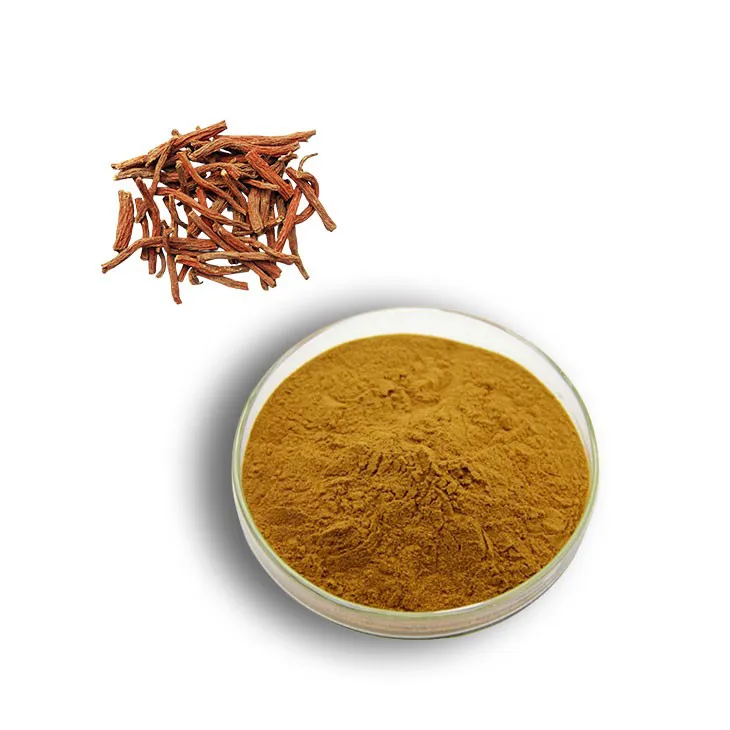
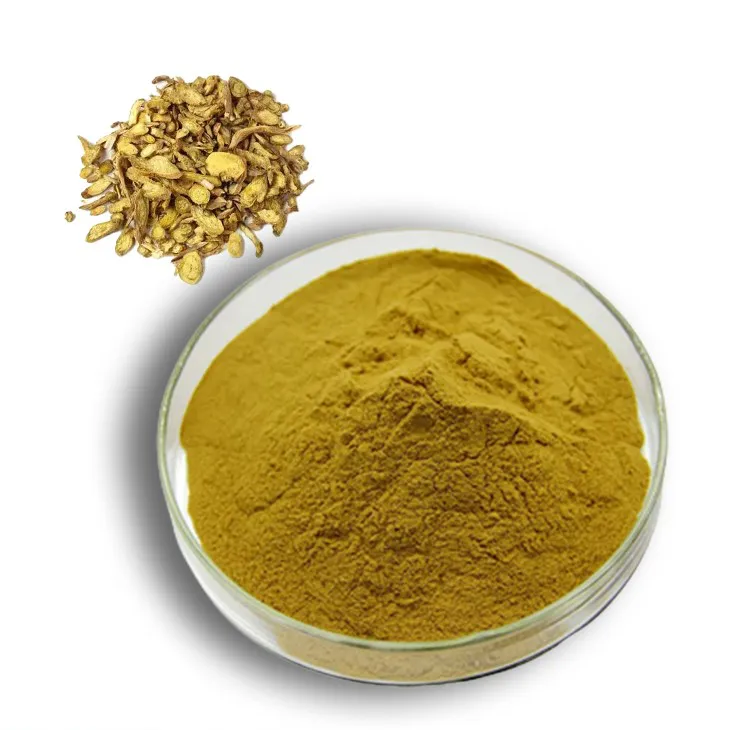
- ▶ Hesperidin
- ▶ Citrus Bioflavonoids
- ▶ Plant Extract
- ▶ lycopene
- ▶ Diosmin
- ▶ Grape seed extract
- ▶ Sea buckthorn Juice Powder
- ▶ Fruit Juice Powder
- ▶ Hops Extract
- ▶ Artichoke Extract
- ▶ Mushroom extract
- ▶ Astaxanthin
- ▶ Green Tea Extract
- ▶ Curcumin
- ▶ Horse Chestnut Extract
- ▶ Other Product
- ▶ Boswellia Serrata Extract
- ▶ Resveratrol
- ▶ Marigold Extract
- ▶ Grape Leaf Extract
- ▶ New Product
- ▶ Aminolevulinic acid
- ▶ Cranberry Extract
- ▶ Red Yeast Rice
- ▶ Red Wine Extract
- ▶ blog
-
Honeysuckle Pollen
2026-08-15
-
Sophora Japonica Flower Extract
2026-08-15
-
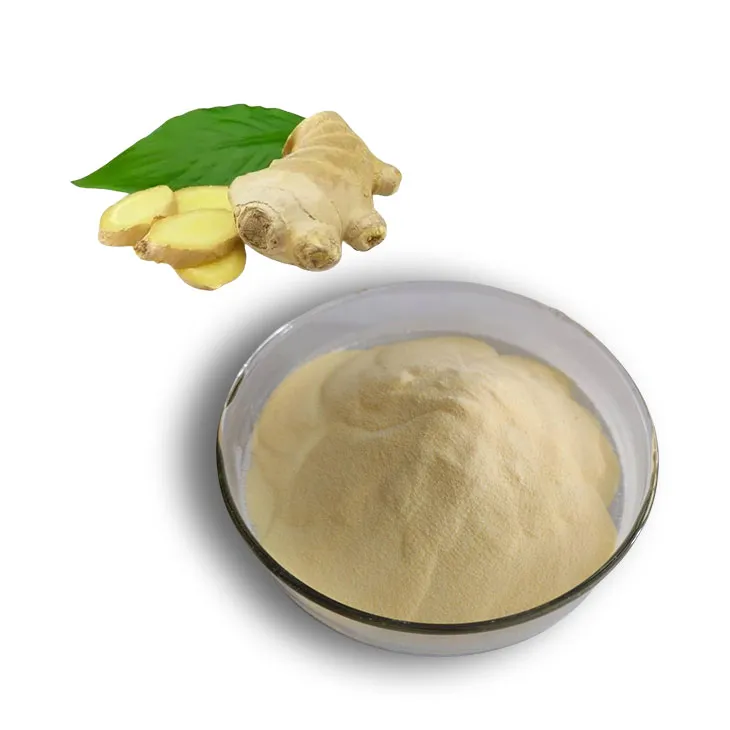
Ginger Extract
2026-08-15
-
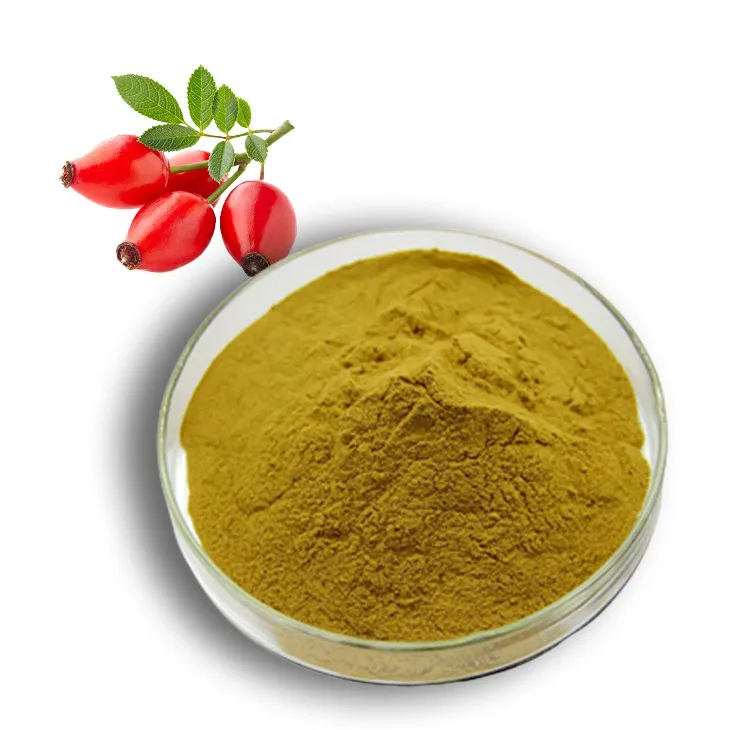
Rose Hip Extract
2026-08-15
-
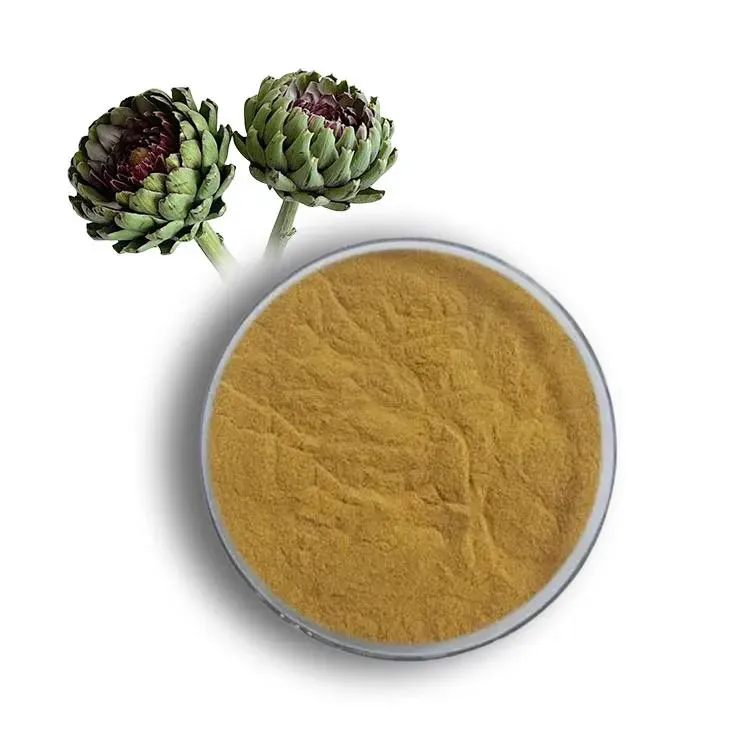
Artichoke Extract
2026-08-15
-
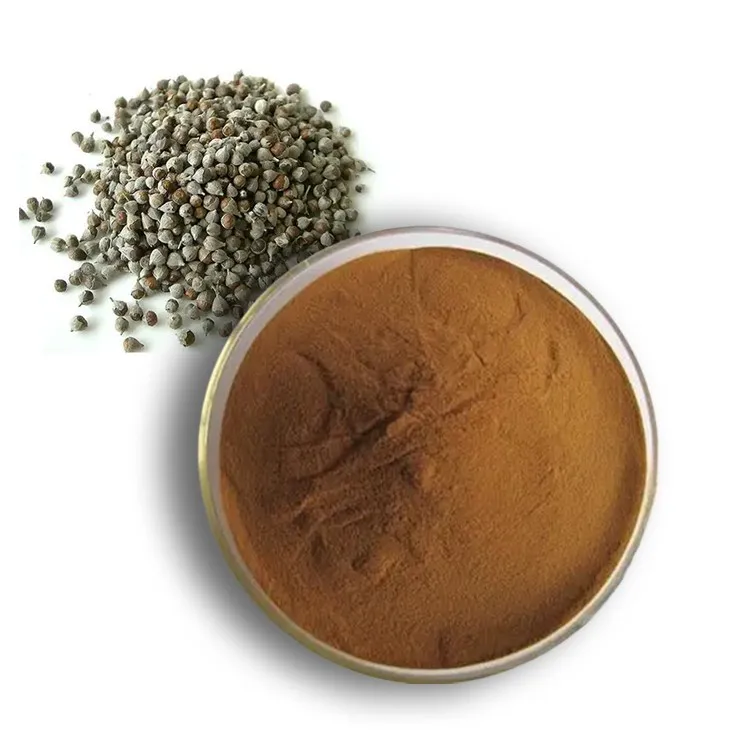
Chaste Berry Extract
2026-08-15
-
Chia Seed Powder
2026-08-15
-
Cat Claw Extract
2026-08-15
-
Red Wine Extract
2026-08-15
-
Tormentil Extract
2026-08-15
