We have five factories and 23 years of experience in plant extracts
- 0086-571-85302990
- [email protected]






What are the grape seed extract uses in skincare products?
2026-08-19
Related Product
Grape Seed Extract
Green Sky Bio is the Grape Seed Extract manufacturer exporter and supplier, provide plant extract, annual production 2500
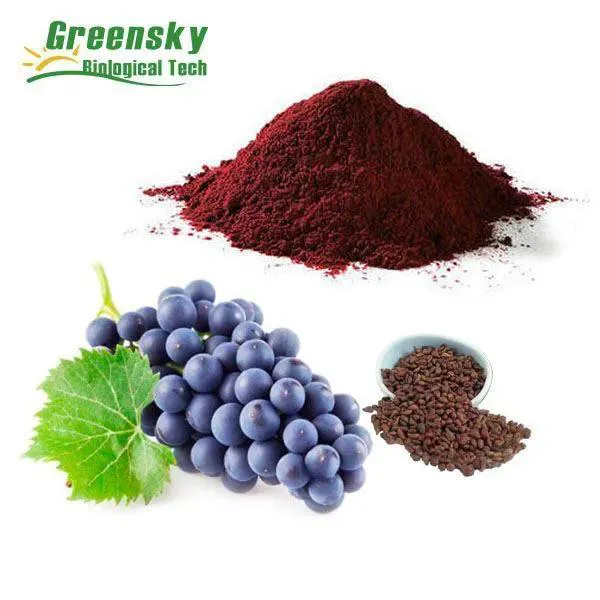
Walk down almost any skincare aisle these days and you will see Grape Seed Extract listed on serums, creams, lotions and face masks. That is no accident. The extract, pressed from the small seeds of grapes, is packed with proanthocyanidins and other polyphenols that are well documented for their antioxidant action. But what can it actually do for the skin, and how should it be used in a formulation? This article answers those questions in a practical, science-based way.
What makes Grape Seed Extract so valuable for skin?
Grape seeds are a by-product of winemaking, but they hold a surprisingly concentrated mix of active compounds. The standout group is proanthocyanidins (also called oligomeric proanthocyanidins, or OPCs), which belong to the plant polyphenol family. Polyphenols and flavonoids in the extract act as free-radical scavengers, helping to neutralise the reactive oxygen species that damage collagen and elastin over time. Compared with other well-known antioxidants such as vitamin C, vitamin E and beta-carotene, grape seed polyphenols show particularly strong antioxidant activity, which is why they keep appearing in anti-aging formulations.
Because the extract protects the skin at a cellular level rather than simply coating the surface, it has become a staple ingredient in skincare products across several categories.
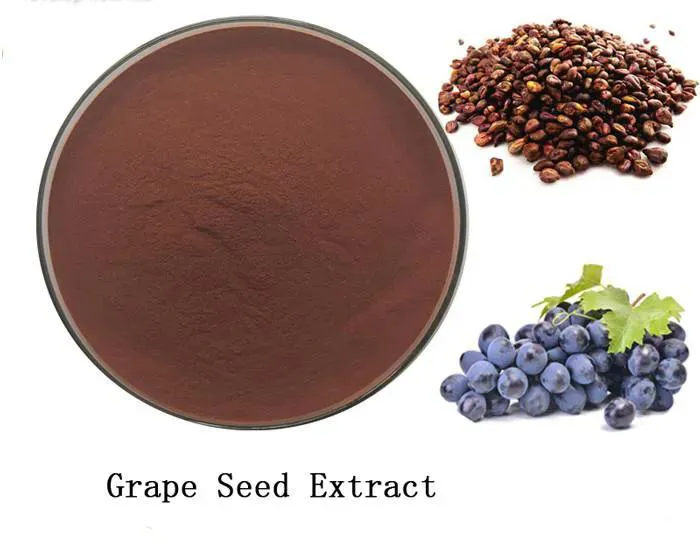
The main uses of Grape Seed Extract in skincare products
1. Anti-aging and wrinkle support
The most common use of wine grape seed extract in skincare is to counter the visible signs of aging. Proanthocyanidins activate signalling pathways in fibroblasts, the cells responsible for producing collagen. When these pathways are stimulated, the skin makes more collagen, which helps to firm it up and soften fine lines. Daily use of a serum or cream containing the extract is a practical way to support skin that tends to look thinner or less elastic with age.
2. Protection against UV-induced damage
Sun exposure is one of the main drivers of premature aging. Ultraviolet radiation generates free radicals that can lead to sunspots, wrinkles and loss of elasticity. Grape seed extract does not act as a sunscreen, but its antioxidant power helps to mop up some of the oxidative stress caused by UV exposure. Many daytime moisturisers and leave-on products include it as a supporting antioxidant alongside UV filters.
3. Brightening and evening out skin tone
Dark spots and dull, uneven tone are often the result of accumulated oxidative stress and leftover pigmentation. By calming free-radical activity, grape seed extract supports a more luminous and even complexion, and it is frequently paired with ingredients such as vitamin C and licorice root in brightening serums and essences. For skincare brands, this makes the extract a useful addition to glow-focused lines.
4. Soothing and anti-inflammatory care
Inflammation sits behind many common skin complaints, including sensitivity, redness and breakout-prone skin. The anti-inflammatory activity of grape seed polyphenols helps to regulate the oxidative response that fuels irritation, which is why the extract shows up in calming creams and balms. Singlet-oxygen-quenching ability of the phenolic compounds also makes the ingredient gentle on reactive skin when used at a sensible concentration.
5. Skin repair and wound-healing support
One of the more interesting uses of grape seed extract is in repair-focused products. Research shows that proanthocyanidins help release vascular endothelial growth factor (VEGF), a molecule that promotes the growth of new blood vessels and the contraction and closure of skin wounds. In a clinical setting, a cream containing grape seed extract helped skin lesions heal faster than a placebo, which explains why the ingredient is now used in aftercare creams and barrier-repair balms.
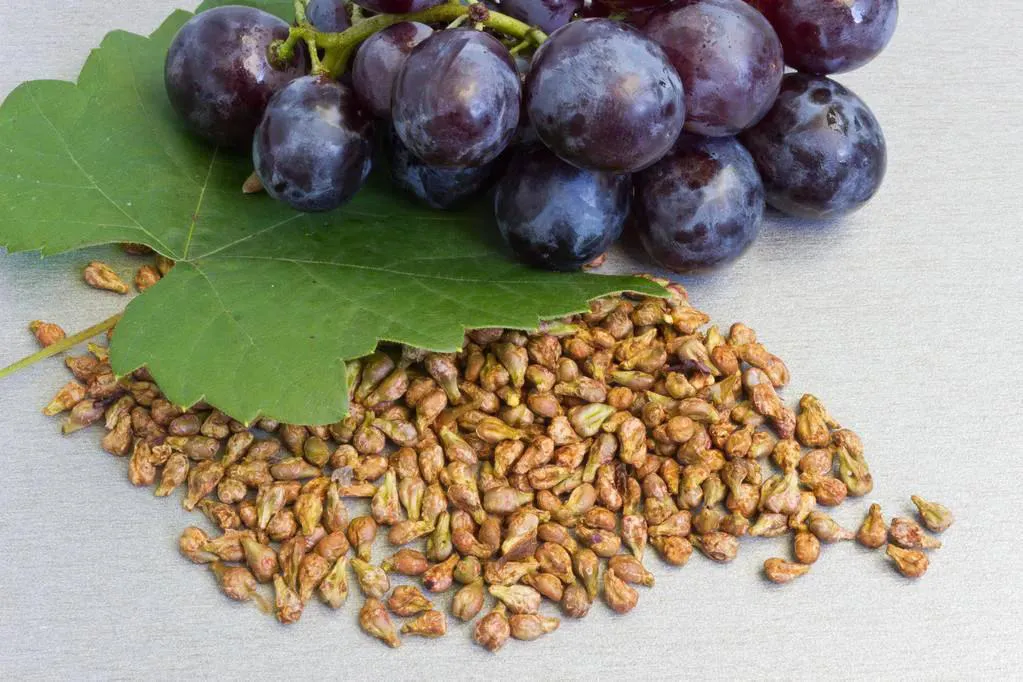
Which skincare product formats use grape seed extract?
Grape seed extract is versatile in the formulation room and appears in a wide range of formats:
- Leave-on serums and essences, where the antioxidant works close to the skin.
- Anti-aging creams and night balms, paired with collagen-supporting actives.
- Moisturisers and sun-care products, as a boost to daily antioxidant defence.
- Cleansers, masks and brightening treatments aimed at dull or uneven skin.
- Aftercare and barrier-repair formulations for delicate, repairing skin.
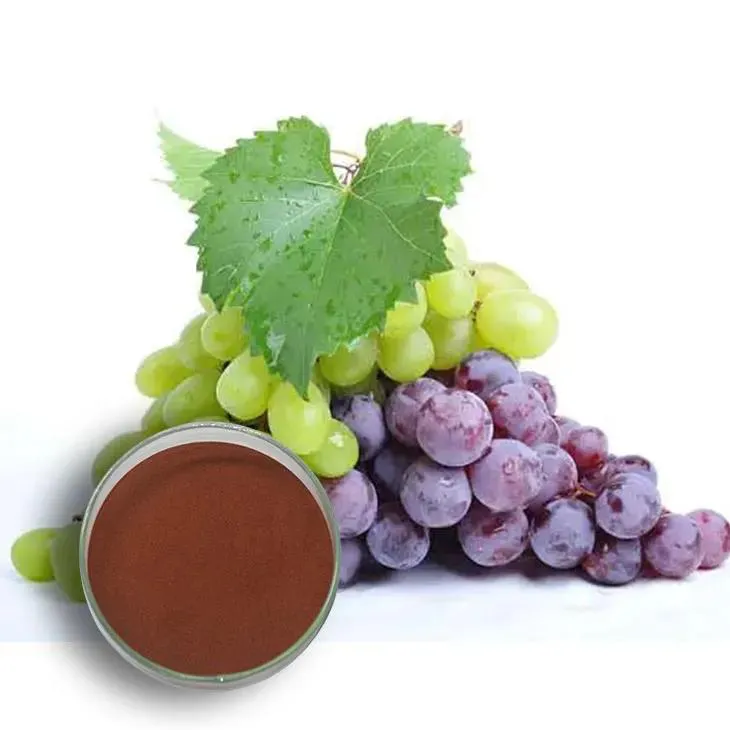
Sourcing quality grape seed extract for your products
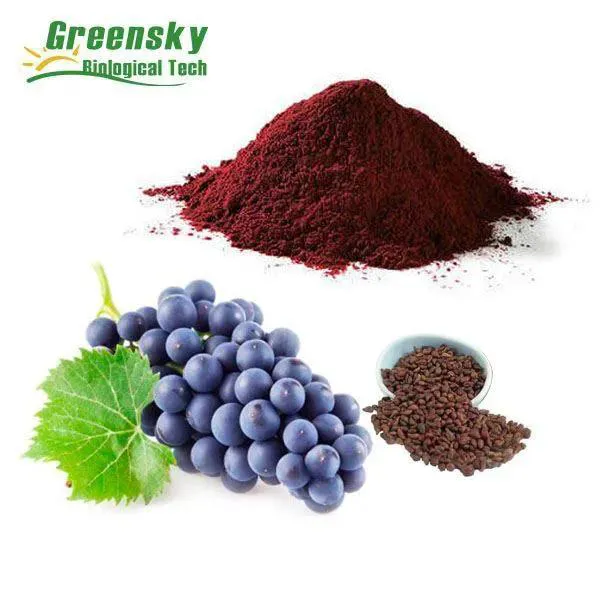
For brands and manufacturers, the performance of a finished formula depends heavily on the raw material behind it. A high-quality grape seed extract should be rich in proanthocyanidins, consistent from batch to batch, and produced in a controlled, food-grade environment. When choosing a partner, look for suppliers with in-house extraction equipment, independent laboratory testing, and recognised certifications such as ISO and HALAL, since these give meaningful confidence in purity and stability.
Working with an experienced grape seed extract supplier also makes scaling easier. Established manufacturers can usually supply consistent grape seed extract powder in bulk, support regulatory documentation, and advise on the right specification for your skincare application.
Final thoughts
Grape seed extract earns its place in skincare products through a combination of antioxidant strength, collagen support, anti-inflammatory action and skin-repair potential. Whether it is used to fight wrinkles, protect against UV stress, brighten tone or calm irritated skin, it works best as part of a well-balanced formula built on a reliable raw material. Choosing the right extract and the right supplier is the first step to a product your customers will trust.
TAGS:
FAQ
- ▶ Hesperidin
- ▶ Citrus Bioflavonoids
- ▶ Plant Extract
- ▶ lycopene
- ▶ Diosmin
- ▶ Grape seed extract
- ▶ Sea buckthorn Juice Powder
- ▶ Fruit Juice Powder
- ▶ Hops Extract
- ▶ Artichoke Extract
- ▶ Mushroom extract
- ▶ Astaxanthin
- ▶ Green Tea Extract
- ▶ Curcumin
- ▶ Horse Chestnut Extract
- ▶ Other Product
- ▶ Boswellia Serrata Extract
- ▶ Resveratrol
- ▶ Marigold Extract
- ▶ Grape Leaf Extract
- ▶ New Product
- ▶ Aminolevulinic acid
- ▶ Cranberry Extract
- ▶ Red Yeast Rice
- ▶ Red Wine Extract
- ▶ blog
Recommended Products
-
Tamarind extract powder
2026-08-19
-
Cayenne Pepper Extract
2026-08-19
-
Saffron Extract Powder
2026-08-19
-
Diosmin
2026-08-19
-
Black Pepper Extract
2026-08-19
-
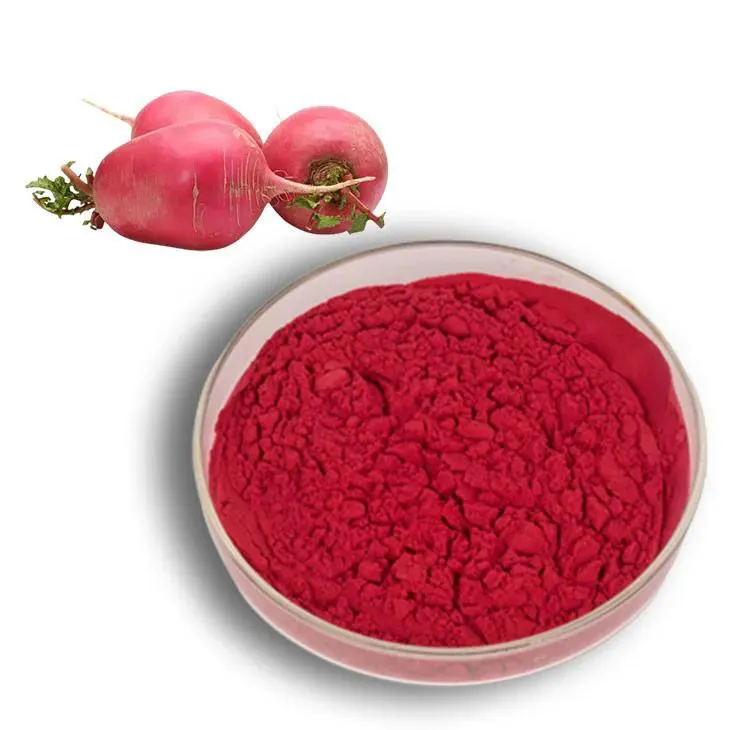
Beetroot juice Powder
2026-08-19
-
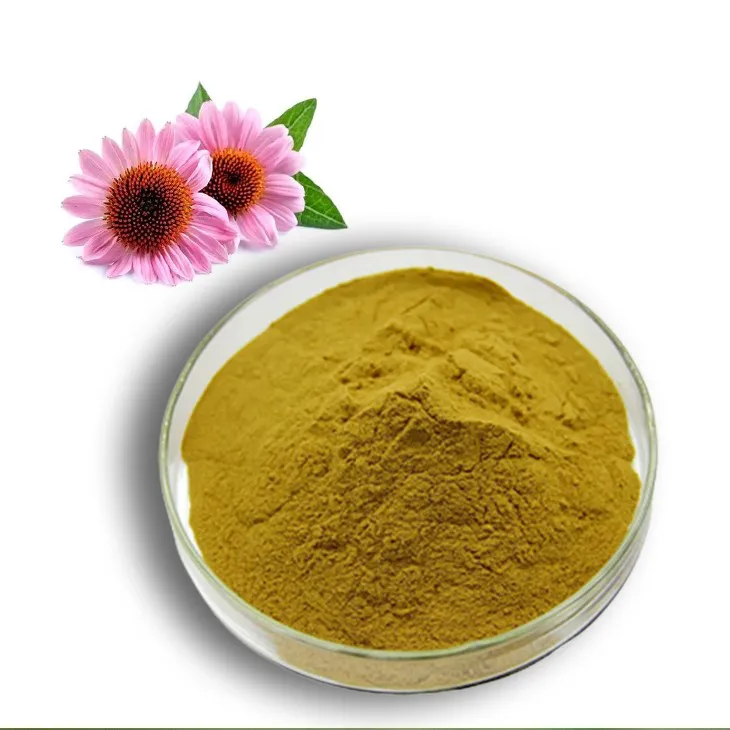
Echinacea Extract
2026-08-19
-
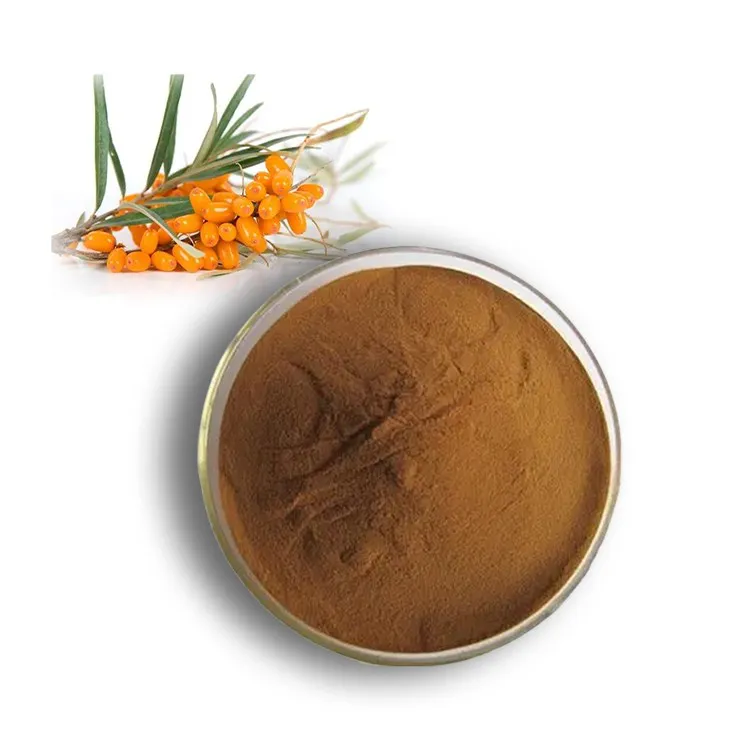
Buckthorn bark extract
2026-08-19
-
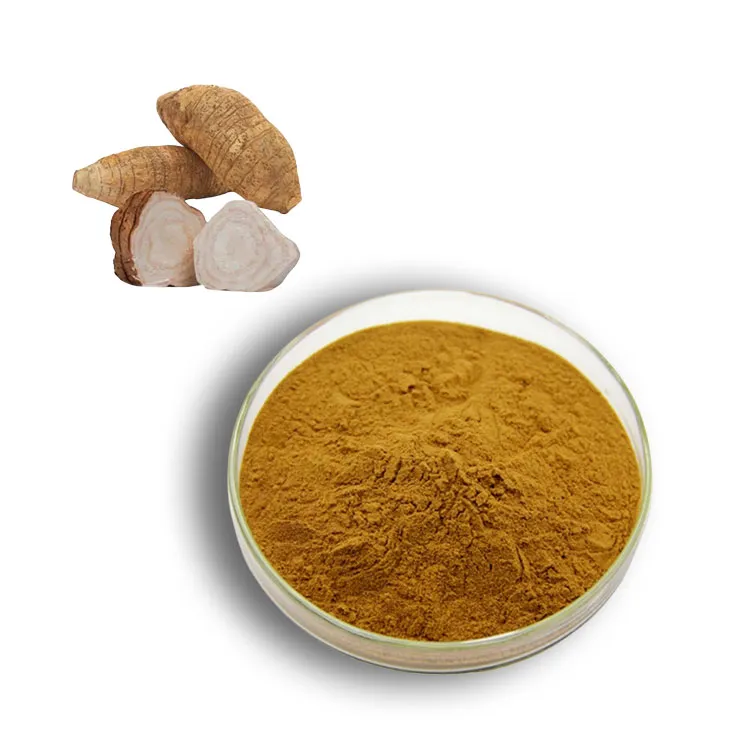
Pueraria Lobata Extract
2026-08-19
-
Curcuma Longa Extract/Turmeric extract
2026-08-19
Get a Quote
