- 0086-571-85302990
- [email protected]






Is astaxanthin for skin whitening safe for all skin types?
2026-08-15
What astaxanthin actually does for skin tone
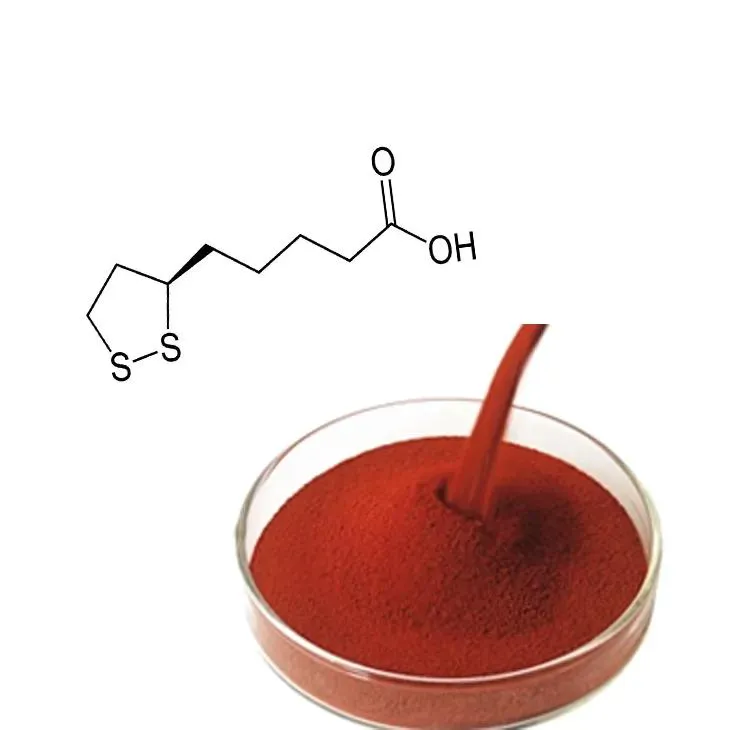
Astaxanthin is a natural carotenoid pigment found in microalgae such as Haematococcus pluvialis, as well as in salmon, shrimp, and krill. It is what gives these creatures their reddish-orange color. In skincare, it works very differently from classic whitening agents like hydroquinone or arbutin, which directly suppress melanin production. Astaxanthin takes a gentler route: it is a powerful antioxidant that neutralizes the free radicals generated by UV exposure and pollution, the very triggers that cause uneven pigmentation, dark spots, and dullness in the first place.
Because it protects skin cells from oxidative stress rather than aggressively bleaching them, it helps brighten the complexion and fade existing spots while leaving your natural skin tone intact. That distinction matters. Astaxanthin evens out tone and restores radiance; it does not strip away your natural color. This is why it is often described as a brightening or glow-enhancing ingredient rather than a true skin lightener.
The safety profile: why it is considered gentle
One of the reasons astaxanthin is so widely recommended is its unusually mild safety profile. It is classified as a non-provitamin A carotenoid, which means it does not convert into vitamin A in the body. That removes the risk of vitamin A toxicity that can come with high doses of retinol or beta-carotene. Its anti-inflammatory properties also help cancel out the irritation that stronger antioxidants such as vitamin C or retinol can trigger, which is why dermatologists often point to it as a good option for reactive or sensitive skin.
In typical use, whether applied topically as a serum or taken orally as a supplement, astaxanthin is well tolerated. Topical products deliver only a small amount into the skin, which further reduces any risk of irritation. No serious side effects have been reported in normal, recommended use. That said, "safe for most" is not the same as "safe for everyone," and a few groups should take extra care.
Skin type by skin type
Sensitive and reactive skin. This is where astaxanthin shines. Its anti-inflammatory action helps calm redness and irritation, and it does not have the sting that vitamin C or retinol can bring. Many people with easily irritated skin tolerate astaxanthin comfortably, though a patch test is still a sensible first step.
Dry and dehydrated skin. Astaxanthin supports the skin barrier and improves moisture retention, which makes it a good fit for dry complexions. Combined with a hydrating base, it can leave the skin looking plumper and healthier.
Oily and acne-prone skin. Astaxanthin is lightweight and non-comedogenic, so it does not clog pores. For oily skin, the main concern is the carrier oil used in the formula, not the astaxanthin itself, so a lightweight serum or gel formulation is the better choice.
Combination skin. Most combination skin types tolerate astaxanthin without issue. Because it works on oxidative stress rather than by stripping the skin, it tends to sit well across both oily and dry zones.
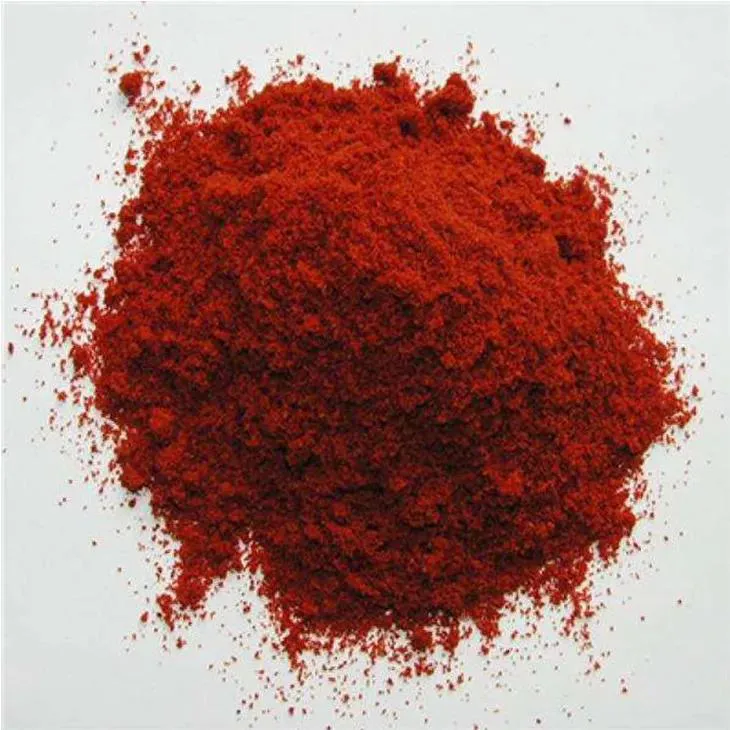
Darker skin tones. Astaxanthin is a particularly attractive option for deeper complexions that are prone to post-inflammatory hyperpigmentation. It helps fade dark spots and even out tone without the harsh bleaching effects of some traditional lighteners, and it does not lighten your natural skin color. This makes it a safer choice for anyone worried about uneven lightening or the rebound darkening that can follow aggressive treatments.
Who should be cautious
Astaxanthin is derived from microalgae and is also present in seafood, so anyone with a known allergy to seafood, microalgae, or carotenoid compounds should avoid it. Pregnant or breastfeeding women should consult a healthcare provider before using oral astaxanthin, since research in these groups is limited. People taking blood-thinning medication should also speak with a doctor before supplementing, as high doses of astaxanthin may interact with anticoagulants.
Two practical notes for topical use. First, always do a patch test on a small area before applying a new astaxanthin product to your face. Second, because astaxanthin has a strong natural pigment, very high concentrations in some formulations can leave a temporary orange tint on the skin. This is harmless and fades quickly, but it is worth knowing before you try a deeply pigmented serum.
Choosing a quality astaxanthin source
Safety also depends on quality. A well-made astaxanthin product starts with a reliable raw material, which is where sourcing matters. If you are a brand owner or formulator looking for a dependable partner, working with an experienced astaxanthin supplier ensures you get consistent purity and full documentation. Greensky, a manufacturer with more than twenty years in natural plant extracts, supplies astaxanthin produced under food-grade standards, with independent laboratory testing using HPLC and UV analysis, and holds certifications including ISO22000, HALAL, and Kosher. That kind of traceability matters when you are putting an ingredient on your skin.
For consumers, look for products that state the astaxanthin source, the concentration, and third-party testing on the label. A trustworthy brand will be transparent about all three. If you are comparing options, the best astaxanthin products are those backed by clear manufacturing standards and verified purity, not just attractive marketing.
The bottom line
So, is astaxanthin for skin whitening safe for all skin types? For the vast majority of people, yes. It is a gentle, well-tolerated antioxidant that brightens and evens out skin tone without the irritation or bleaching risks of harsher ingredients. It works particularly well for sensitive skin, dry skin, and deeper complexions dealing with dark spots. The exceptions are narrow but real: people with seafood or microalgae allergies, pregnant women, and those on blood thinners should check with a professional first. If you fall outside those groups, a patch test and a quality product are all you really need to enjoy the glow.
- ▶ Hesperidin
- ▶ Citrus Bioflavonoids
- ▶ Plant Extract
- ▶ lycopene
- ▶ Diosmin
- ▶ Grape seed extract
- ▶ Sea buckthorn Juice Powder
- ▶ Fruit Juice Powder
- ▶ Hops Extract
- ▶ Artichoke Extract
- ▶ Mushroom extract
- ▶ Astaxanthin
- ▶ Green Tea Extract
- ▶ Curcumin
- ▶ Horse Chestnut Extract
- ▶ Other Product
- ▶ Boswellia Serrata Extract
- ▶ Resveratrol
- ▶ Marigold Extract
- ▶ Grape Leaf Extract
- ▶ New Product
- ▶ Aminolevulinic acid
- ▶ Cranberry Extract
- ▶ Red Yeast Rice
- ▶ Red Wine Extract
- ▶ blog
-
Beta Carotene
2026-08-15
-
Moringa powder
2026-08-15
-
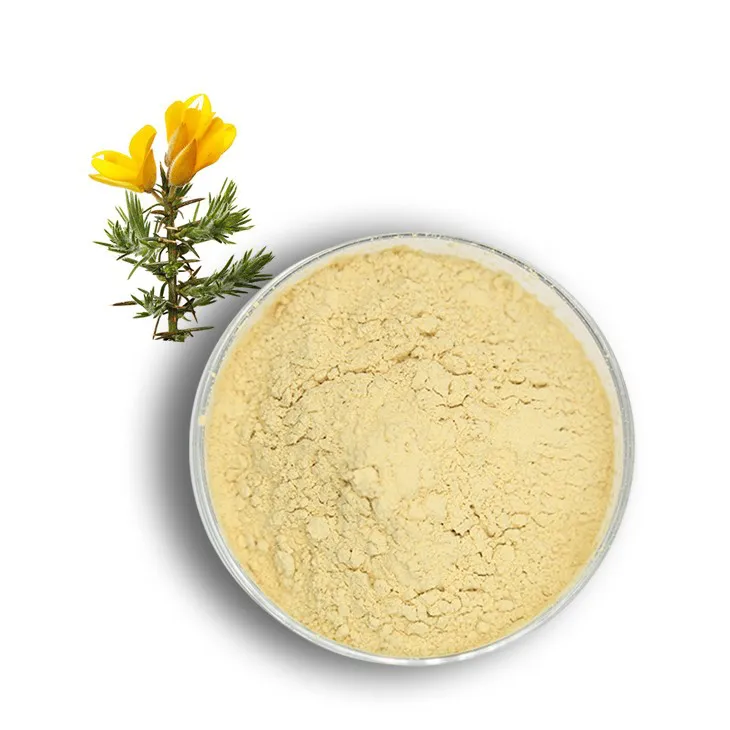
Genistein
2026-08-15
-
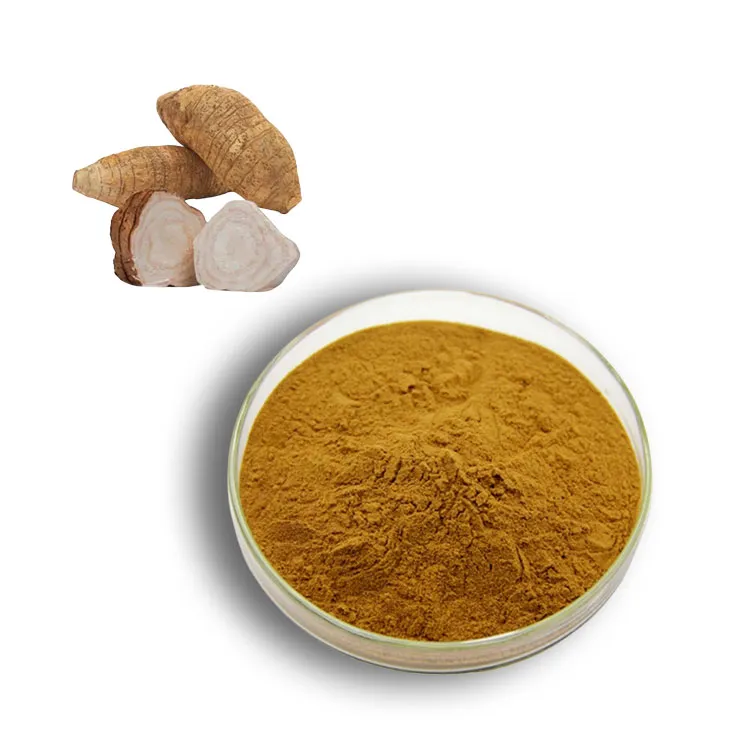
Pueraria Lobata Extract
2026-08-15
-
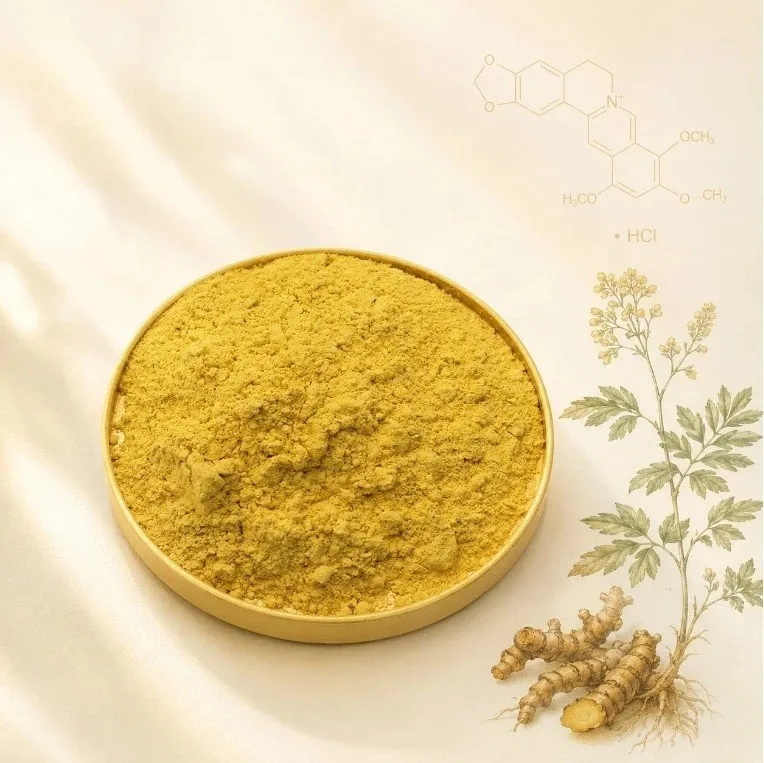
Liposomal Berberine HCl
2026-08-15
-
Gamma-Aminobutyric Acid
2026-08-15
-
Green Tea Extract
2026-08-15
-
Echinacea Extract
2026-08-15
-
Phosphatidylserine
2026-08-15
-
Lemon Extract
2026-08-15
