We have five factories and 23 years of experience in plant extracts
- 0086-571-85302990
- [email protected]




How stevia is made without compromising its natural compounds?
2026-08-15
Stevia has earned a reputation as one of the most sought-after natural sweeteners on the market, and for good reason. The sweet compounds found in the leaves of Stevia rebaudiana — known as steviol glycosides — can be hundreds of times sweeter than ordinary sugar while contributing almost no calories. That combination makes stevia extract a favorite among food, beverage, and supplement formulators who want sweetness without the downsides of refined sugar.
But there is a question that buyers rarely stop to ask: how is stevia actually made, and does the process preserve the natural compounds that make it valuable in the first place? The answer matters more than most people realize, because the way stevia leaves are handled and processed has a direct impact on the purity, taste, and quality of the final extract.
What makes stevia sweet
Before looking at the production process, it helps to understand what is being extracted. The leaves of Stevia rebaudiana contain a family of steviol glycosides, with stevioside and rebaudioside A being the most abundant. Rarer glycosides such as rebaudioside M and rebaudioside D are prized for their cleaner, more sugar-like taste, although they occur in the plant in much smaller quantities. These compounds are naturally heat-stable and pH-stable, which is one reason stevia works so well across a wide range of food and beverage applications.
The goal of any well-run production line is to isolate these glycosides from the leaf while leaving behind the bitter-tasting plant materials, chlorophyll, and other unwanted components — without degrading the sweet compounds in the process.
From leaf to extract: the core process
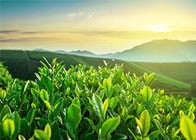
Commercial Stevia Extract begins with dried stevia leaves. The leaves are carefully cleaned and crushed, then steeped in hot water in much the same way tea is brewed. This gentle water-based step draws the steviol glycosides out of the leaf tissue without the need for harsh solvents. The liquid extract is then filtered to separate it from the leaves and stems.
From there, the crude extract goes through a series of purification steps. It is clarified to remove fine particles, then passed through separation columns and resins that selectively bind the sweet glycosides while washing away impurities. The purified solution is concentrated, and the steviol glycosides are crystallized and dried into a fine powder. The result is a clean, high-purity Stevia Extract that retains the natural sweetness profile of the original leaf.
At a professional plant extract manufacturer, this process is carried out in a controlled production environment. For example, Hangzhou Greensky Biological Tech. Co., Ltd. operates 6-ton multi-functional extraction tanks, high-efficiency low-temperature concentrators, spray drying towers, and vacuum drying boxes, allowing the company to scale from small pilot batches to full commercial production while keeping quality consistent from batch to batch.
How manufacturers protect natural compounds
The phrase "without compromising its natural compounds" is not just marketing language — it reflects real choices made at every stage of production. The most important of these is temperature control. Steviol glycosides are stable, but prolonged exposure to excessive heat can affect taste and color. Using low-temperature concentration and vacuum drying helps preserve the delicate flavor profile of the extract.
The choice of extraction medium matters just as much. Water-based extraction, optionally combined with food-grade alcohol that is later removed, keeps the process clean and avoids the chemical residues that can appear when aggressive solvents are used. This is why reputable manufacturers are careful to document their extraction methods and can verify that the final product is free of residual solvents.
Finally, purity is protected through rigorous analytical testing. A professional supplier maintains an independent laboratory equipped with instruments such as GC, HPLC, and UV, so that every batch can be checked for glycoside content, moisture, heavy metals, and microbial safety before it is released. This kind of in-house testing is what separates a reliable bulk stevia extract from an inconsistent one.
Beyond extraction: other production routes
While leaf extraction remains the classic method, the industry has developed additional ways to produce steviol glycosides, particularly the rarer ones like rebaudioside M and rebaudioside D that occur naturally in very small amounts.
Bioconversion. Steviol glycosides extracted from the leaf are converted into targeted glycosides such as Reb M and Reb D using enzymes. This approach mimics the natural maturation process that occurs inside the stevia plant.
Glucosylation. Glucose units are added to extracted steviol glycosides using enzymes, producing a combination of glycosides with an improved taste profile.
Fermentation. Micro-organisms convert sugars into steviol glycosides, replicating the process the stevia plant performs in nature. In all of these routes, the enzymes or micro-organisms are removed from the final product, leaving only purified steviol glycosides.
For most food and beverage manufacturers, leaf-extracted stevia remains the preferred choice because it is the most natural and well-understood route, and it is the method behind the vast majority of Stevia Extract on the market today.
Quality control and certifications
When sourcing stevia extract in bulk, the manufacturer's quality system is just as important as the extraction process itself. A dependable supplier will operate under recognized food-safety and quality standards. Greensky, for instance, holds certifications including ISO22000, BRCGS, Ecocert Organic Standard, SGS-GMP, ISO9001, HALAL, and Kosher, and produces its extracts in a 100,000-class clean production area that meets food-grade requirements.
These credentials matter because they give buyers confidence that the product is consistent, traceable, and suitable for use in regulated food and supplement markets. Export registration and complete documentation also simplify the regulatory submission process for customers selling into Europe, the United States, South Korea, Russia, and other regions.
Choosing a stevia extract supplier
Whether you are developing a new zero-calorie beverage, a tabletop sweetener, or a functional food, the quality of your stevia extract will shape the final product. Working directly with an experienced stevia extract manufacturer gives you access to consistent specifications, flexible batch sizes, and technical support that resellers simply cannot offer.
A manufacturer with more than two decades of experience in plant extraction, full vertical integration from research and development through production and sales, and a proven track record of exporting to global markets is well positioned to supply a high purity stevia extract that meets your formulation needs. When you compare suppliers, ask about their extraction method, their analytical testing capabilities, and their certifications — the answers will tell you a great deal about how seriously they take the quality of their stevia extract.
Stevia's appeal rests on being a natural sweetener that delivers real sweetness without the calories. The good news is that modern, well-controlled production methods can deliver exactly that — preserving the natural compounds of the stevia leaf from the first steep to the final powder.
TAGS:
FAQ
- ▶ Hesperidin
- ▶ Citrus Bioflavonoids
- ▶ Plant Extract
- ▶ lycopene
- ▶ Diosmin
- ▶ Grape seed extract
- ▶ Sea buckthorn Juice Powder
- ▶ Fruit Juice Powder
- ▶ Hops Extract
- ▶ Artichoke Extract
- ▶ Mushroom extract
- ▶ Astaxanthin
- ▶ Green Tea Extract
- ▶ Curcumin
- ▶ Horse Chestnut Extract
- ▶ Other Product
- ▶ Boswellia Serrata Extract
- ▶ Resveratrol
- ▶ Marigold Extract
- ▶ Grape Leaf Extract
- ▶ New Product
- ▶ Aminolevulinic acid
- ▶ Cranberry Extract
- ▶ Red Yeast Rice
- ▶ Red Wine Extract
- ▶ blog
Recommended Products
-
Konjac Powder
2026-08-15
-
Dan Shen Root Extract/Salvia Root Extract
2026-08-15
-
Panax Ginseng Leaf Extract
2026-08-15
-
Scutellaria Extract
2026-08-15
-
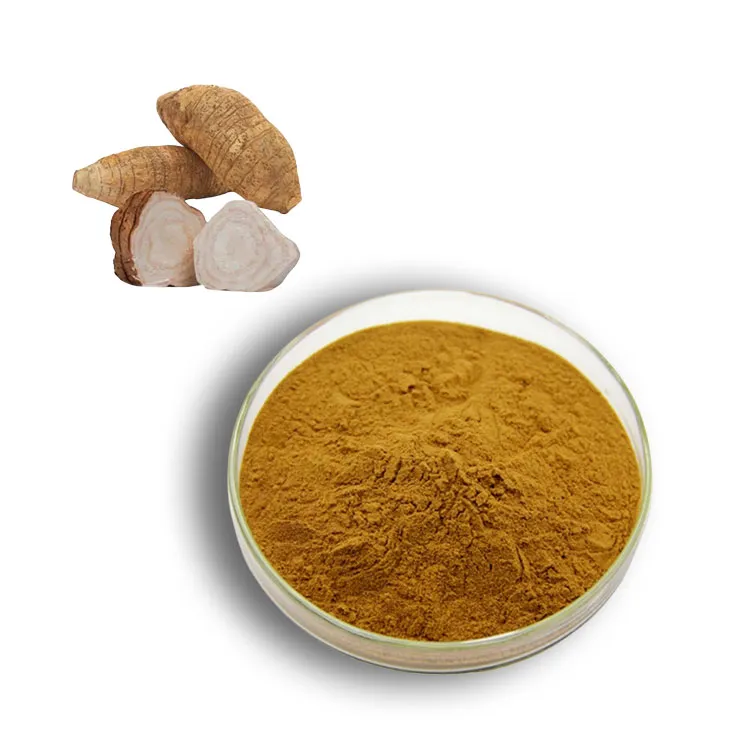
Pueraria Lobata Extract
2026-08-15
-
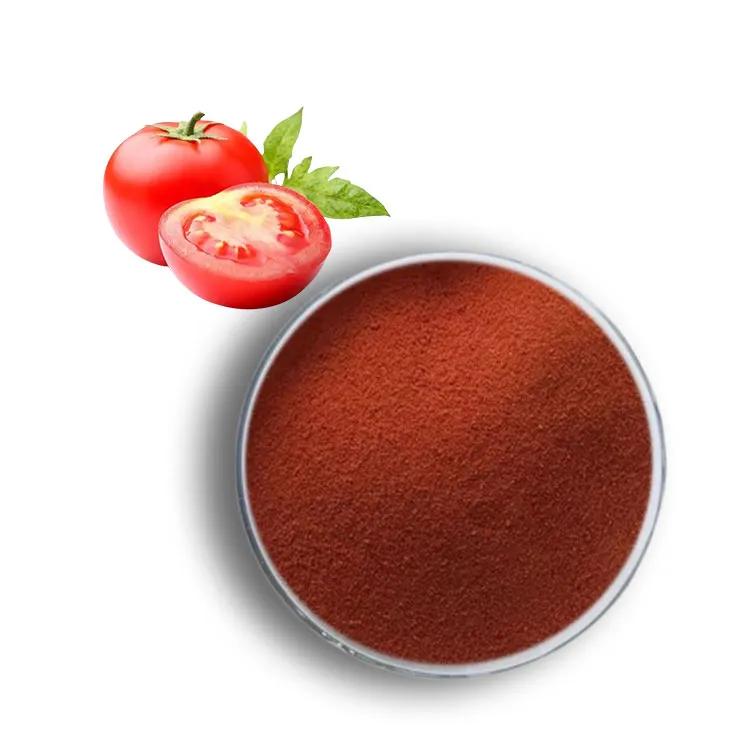
Lycopene
2026-08-15
-
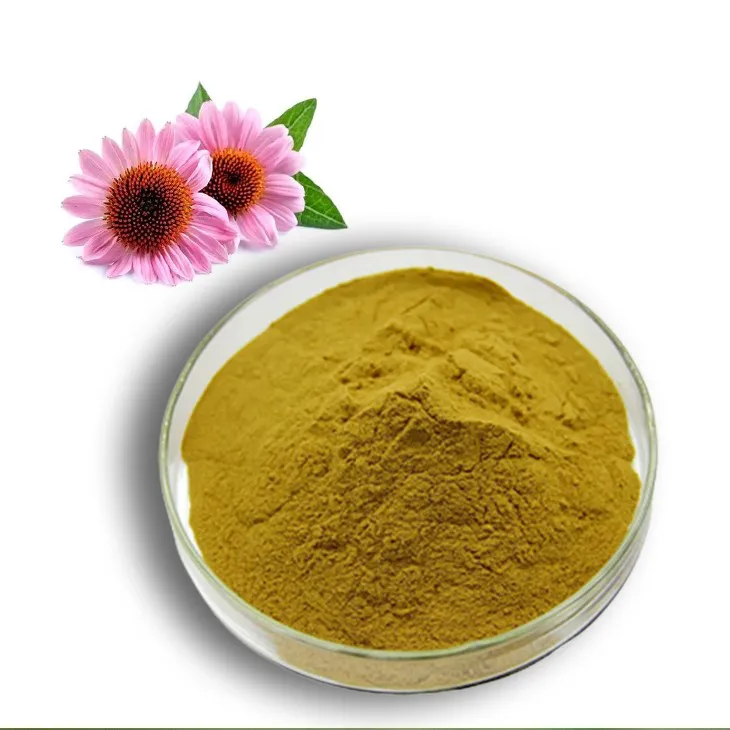
Echinacea Extract
2026-08-15
-
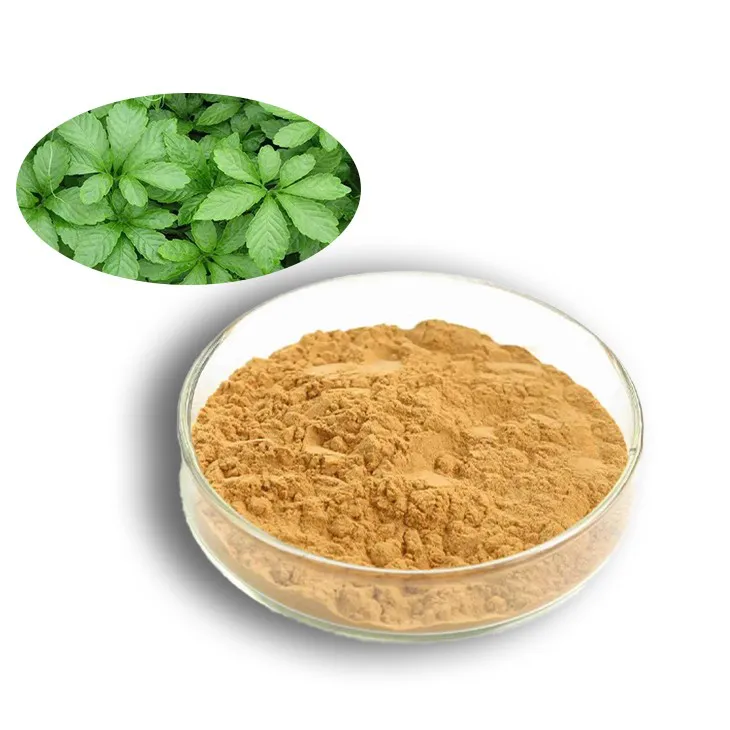
Gynostemma pentaphyllum extract
2026-08-15
-
Red Wine Extract
2026-08-15
-
White Peony Extract
2026-08-15
Get a Quote